A survey before selling a house, often called a pre sale survey, is an inspection you commission as the seller before you go on the market. It shows you the condition of the home, so you can fix problems, gather paperwork and price realistically. It does not replace the survey the buyer commissions, but it can reduce surprises, renegotiation and failed sales.
Most sellers wait for the buyer survey and hope for the best. When that survey turns up damp, cracking or a tired roof, the buyer may ask for a price reduction or pull out, and weeks of progress can be lost. This guide sets out a simple seller timeline, explaining when a survey before selling a house makes sense, what to do with the findings, what you must tell buyers and how this applies to homes in Liverpool and the North West.
In this guide
- What is a survey before selling a house?
- Why do sales fall through after a survey?
- What are the benefits of a pre sale survey?
- Are there any downsides?
- What is the seller timeline?
- Which survey should a seller get?
- Should you fix problems before selling?
- What do you have to tell buyers?
- What paperwork should you gather?
- Which issues most often worry buyers?
- Will the buyer still get their own survey?
- Does a pre sale survey help with pricing?
- What about selling a leasehold flat?
- What mistakes do sellers make?
- What affects the cost of a pre sale survey?
- Selling a home in Liverpool
- FAQs
What Is a Survey Before Selling a House?
A survey before selling a house is a building survey that the seller arranges for their own property, before marketing it. It is carried out in the same way as a survey for a buyer, with a surveyor inspecting the home and reporting on its condition, defects and any further investigations needed.
The difference is who it is for. A pre sale survey helps you, the seller, understand what a buyer surveyor is likely to find, so you can decide what to repair, what paperwork to gather and how to price the home. It is not a guarantee to buyers, and they will usually still commission their own survey.
Why Do Sales Fall Through After a Survey?
Many sales run into trouble after the buyer survey. Common reasons include
- defects the buyer did not expect, such as damp, cracking or roof problems
- uncertainty, where the surveyor recommends further investigation and the buyer gets nervous
- repair costs that the buyer thinks should come off the price
- missing approvals for extensions, loft conversions or removed walls
- a down valuation from the lender
Some of these are outside your control, but many can be anticipated. A survey before selling a house gives you the chance to deal with them on your terms rather than under pressure. Our guide to renegotiating after a house purchase survey explains the process from the buyer side.
What Are the Benefits of a Pre Sale Survey?
A pre sale survey can help you
- Avoid surprises. Know about issues before buyers do.
- Fix problems early. Carry out repairs before marketing, using your own trades and timetable.
- Price realistically. Set an asking price that reflects the condition of the home.
- Gather paperwork. Find missing approvals, guarantees and certificates before a solicitor acting for a buyer asks.
- Answer questions confidently. Respond to buyer and solicitor enquiries quickly and accurately.
- Reduce renegotiation. Fewer surprises mean fewer late requests for price reductions.
Are There Any Downsides?
There are a few things to weigh up.
- Cost. You pay for a survey that the buyer will probably repeat.
- Knowledge. Once you know about a defect, you must answer the property information form honestly about it.
- Different findings. The surveyor acting for a buyer may see things differently or find issues that developed later.
- Not a selling tool. Buyers and lenders rely on their own advice, so a pre sale survey is mainly for your benefit.
For many sellers, especially of older homes, the benefits outweigh these points, because the cost of the survey is small compared with the cost of a failed sale or a late price cut. For a newer home in good condition, a pre sale survey may be less useful.
What Is the Seller Timeline?
Here is a simple timeline for using a survey before selling a house.
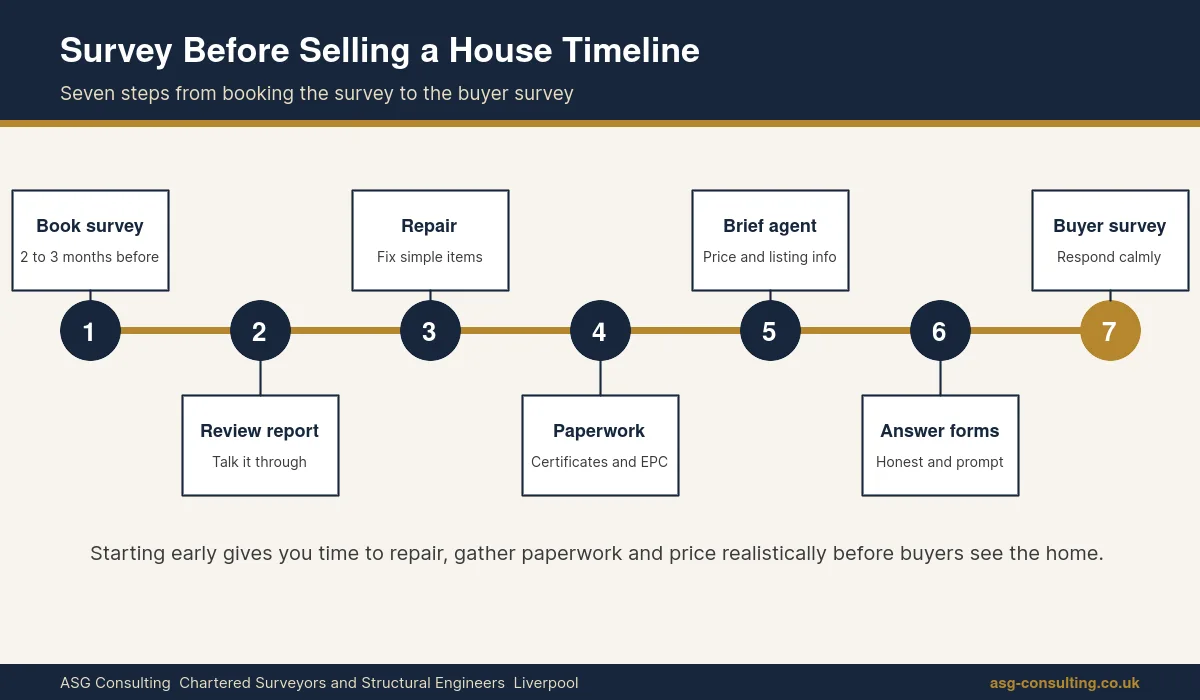
| When | Step | What to do |
|---|---|---|
| Two to three months before marketing | Book the survey | Choose the right level of survey and arrange the inspection |
| Report received | Review findings | Talk through the report with the surveyor and list the issues |
| Next few weeks | Get quotes and repair | Fix urgent and simple items, and get quotes for larger ones |
| Alongside repairs | Gather paperwork | Collect certificates, guarantees, approvals and the EPC |
| Before listing | Brief your agent | Agree pricing and the material information to include in the listing |
| Once on the market | Answer enquiries | Complete the property information form accurately and promptly |
| After an offer | Buyer survey | Allow access and respond calmly to any questions it raises |
Starting early gives you time to complete repairs without rushing, and to get any missing approvals sorted.
Which Survey Should a Seller Get?
The right level depends on the age, type and condition of your home.
| Home | Suggested survey |
|---|---|
| Newer, conventional home in good condition | RICS Level 1 Condition Report or Level 2 HomeBuyer Survey |
| Conventional home in reasonable condition | RICS Level 2 HomeBuyer Survey |
| Older, larger, altered or unusual home | RICS Level 3 Building Survey |
| Home with a specific concern, such as cracking | A targeted inspection by a surveyor or structural engineer |
Choosing the same level a buyer would likely choose gives you the most realistic preview of what they will see. Our guide to the RICS Level 1 survey explains the most basic option, our RICS HomeBuyer Survey in Liverpool page covers Level 2, and our residential building surveying page covers Level 3.
Should You Fix Problems Before Selling?
Not always. It depends on the problem, the cost and how buyers are likely to react.
| Type of issue | Usual approach |
|---|---|
| Small, cheap jobs such as blocked gutters, loose tiles or dripping taps | Fix them, as they create a poor impression for little cost |
| Safety issues such as faulty electrics or gas appliances | Get them checked and repaired |
| Moderate repairs such as a section of roof or damp from a leak | Repair if practical, and keep invoices and guarantees |
| Major work such as structural repairs or a new roof | Get specialist advice and quotes, then decide whether to repair or price it in |
| Missing approvals for past work | Speak to your solicitor about regularisation or indemnity insurance |
Whatever you decide, keep written records. Buyers are more reassured by a repair with an invoice and guarantee than by a fresh patch of paint. Our guide to a regularisation certificate explains options for unapproved work.
What Do You Have to Tell Buyers?
As a seller, you must answer the questions on the property information form honestly and to the best of your knowledge. Giving misleading answers can lead to legal claims after the sale.
Estate agents also have duties. National Trading Standards published full material information guidance for property listings in November 2023. It sets out information that should be included in listings, in three parts.
- Part A. Information that is always material, such as council tax band, price and tenure.
- Part B. Information to establish for every property, such as construction type, utilities, broadband, mobile signal and parking.
- Part C. Information needed where it applies, such as building safety issues, restrictions, flood risk, coastal erosion, planning issues, accessibility and coalfield or mining areas.
A pre sale survey can help you and your agent prepare accurate information from the start. If your home is in an area at risk of flooding, our guide to flood risk when buying a house explains what buyers will check.
What Paperwork Should You Gather?
Gather these documents before marketing, as solicitors acting for buyers usually ask for them.
- a valid Energy Performance Certificate
- building regulations completion certificates for extensions, loft conversions, removed walls and new windows
- planning permissions where needed
- guarantees and warranties for damp treatment, timber treatment, roofing, windows, wall ties and cavity insulation
- electrical installation certificates and gas safety records
- boiler service records
- any structural engineer reports and calculations
- details of any party wall agreements
- leasehold documents and service charge accounts for flats
The GOV.UK guidance on Energy Performance Certificates explains when you need one when selling.
Which Issues Most Often Worry Buyers?
These issues often cause concern when they appear in a buyer survey.
- Damp. Penetrating damp, condensation and rising damp concerns.
- Cracking. Cracks in walls, bays and around openings.
- Roofs. Slipped slates, worn coverings and failed flat roofs.
- Removed walls and chimney breasts. Especially without paperwork.
- Old electrics and heating. Older wiring, consumer units and boilers.
- Trees. Large trees close to the house.
- Japanese knotweed. Even small amounts can concern lenders.
- Non standard construction. Homes built with concrete or timber frame systems.
Our guides to penetrating damp, cracks in walls and chimney breast removal explain these issues in more detail.
Will the Buyer Still Get Their Own Survey?
Usually yes. Buyers and lenders rely on their own advice, and a buyer will normally want a surveyor working for them. The lender will also arrange a mortgage valuation, which is not a survey.
That is not a reason to skip a pre sale survey. Its value lies in preparing you, not in replacing the buyer report. When a buyer survey raises a point you have already investigated, you can respond with evidence, invoices and specialist reports, which helps keep the sale on track. Our guide to mortgage valuation vs survey explains the difference for buyers.
Does a Pre Sale Survey Help With Pricing?
It can. An asking price that ignores obvious defects often leads to a buyer asking for a reduction after their survey. If you already know the condition of the home, you can either repair the issues or reflect them in the price from the start.
A survey before selling a house does not include a valuation unless you ask for one with a Level 2 survey. Your estate agent will still advise on the market price, but the survey findings help you have a more informed conversation with them. Buyers often respond better to a realistic price than to a high one that later falls.
What About Selling a Leasehold Flat?
Selling a flat brings extra questions, many of which relate to the building rather than the flat itself. Buyers and their solicitors will usually ask about
- the length of the lease, ground rent and service charges
- planned major works and any section 20 consultations
- building safety and fire risk information
- the condition of the roof, external walls and shared parts
A pre sale survey of a flat can comment on the visible condition of the shared parts, but most of the legal information comes from the managing agent or freeholder. Request a management pack early, as it can take time to arrive. Our guide to a section 20 notice explains major works consultations.
What Mistakes Do Sellers Make?
Common mistakes include
- waiting until a buyer finds problems before investigating them
- covering up defects with fresh paint rather than fixing the cause
- failing to gather certificates and approvals before marketing
- setting an asking price that ignores the condition of the home
- giving vague or incomplete answers on the property information form
- carrying out major work without paperwork shortly before selling
A survey before selling a house helps you avoid most of these mistakes, and makes the sale more predictable for everyone involved.
What Affects the Cost of a Pre Sale Survey?
The cost of a survey before selling a house depends on
- the level of survey
- the size, age and type of the property
- its condition and any alterations
- location and access
ASG Consulting gives a fixed fee on request, usually confirmed within one working day. Compared with the cost of a failed sale or a large late price reduction, a pre sale survey is often a sensible investment for an older home.
Selling a Home in Liverpool
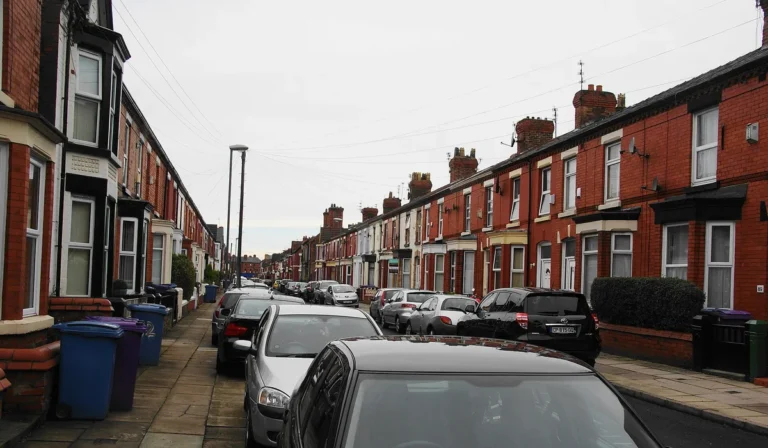
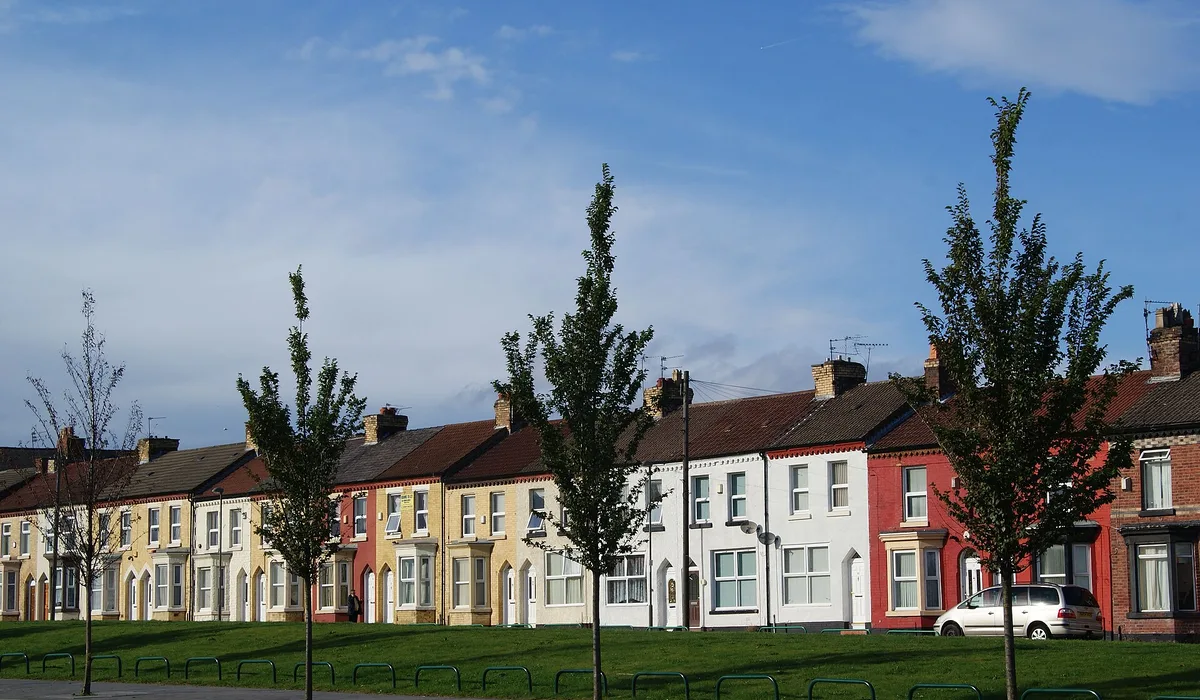
Liverpool and Merseyside have a large stock of older homes, from Victorian terraces in Anfield, Walton, Kensington and Toxteth to 1930s semis in Allerton, Childwall and Wallasey and Edwardian houses in Wavertree, Aigburth and Crosby. These homes often attract questions on a buyer survey about damp, roofs, bay windows, removed chimney breasts and past alterations.
Common points a pre sale survey picks up in the area include
- slipped or worn slates on Victorian terraces
- damp from blocked gutters, high ground levels or leaking downpipes
- cracks around bay windows and lintels
- chimney breasts removed without paperwork
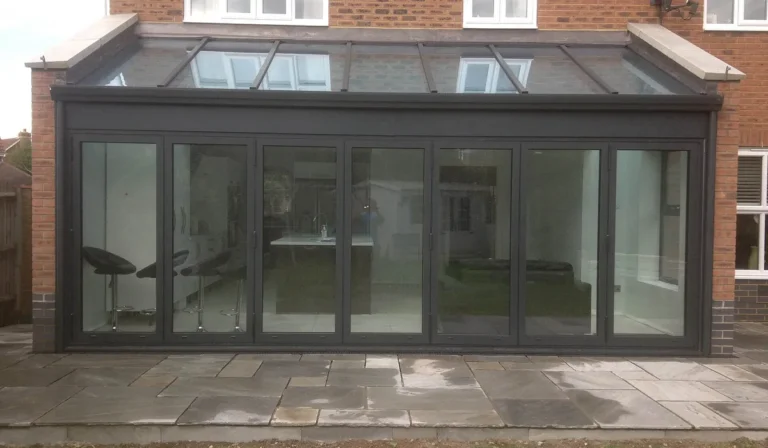
- flat roofs on rear extensions near the end of their life
- missing certificates for newer windows, rewiring or boilers
Dealing with these before you list can make your home more appealing and your sale more predictable. It also means you can answer buyer questions quickly, which helps keep your chain moving in a busy local market.
Survey Before Selling a House FAQs
Should I get a survey before selling my house?
It can be worthwhile, especially for older homes. It helps you find and fix problems, gather paperwork and price realistically before buyers see the home.
What is a pre sale survey?
A pre sale survey is an inspection the seller commissions before marketing a property, to understand its condition and prepare for the buyer survey.
Do I have to show my survey to buyers?
You are not usually required to hand it over, but you must answer the property information form honestly, including about defects you know about.
Will a buyer still want their own survey?
Usually yes. Buyers and lenders rely on their own advice, so a pre sale survey prepares you rather than replacing the buyer survey.
Which survey should a seller get?
Choose the level a buyer would likely choose. Level 2 suits most conventional homes, while older or altered homes benefit from Level 3.
Should I fix problems before selling?
Fix small and safety issues. For larger problems, get quotes and decide whether to repair or reflect the cost in the asking price.
Book a Pre Sale Survey With ASG Consulting
ASG Consulting is an RICS regulated building surveying practice in Liverpool. We carry out RICS Level 1 Condition Reports, Level 2 HomeBuyer Surveys and Level 3 Building Surveys for sellers and buyers across Liverpool, Merseyside, the Wirral and the wider North West, with reports usually delivered within 3 to 5 working days of the inspection. We give a fixed fee on request, usually confirmed within one working day. To request a quote, call 0151 315 0626 or visit our contact page.
About the Author
Dave MacMillan is the lead surveyor at ASG Consulting, an RICS regulated building surveying practice at 54 St James Street, Liverpool. He has 8 years of experience in building surveying and inspects homes for buyers and sellers across Liverpool, Merseyside and the North West.
Last updated 16 November 2026
Featured photo of terraced houses on Toft Street, Liverpool by Bill Boaden via Wikimedia Commons, licence CC BY SA 2.0, cropped.