A drain survey when buying a house uses a small camera to inspect the underground pipes for cracks, root ingress, blockages and collapses. It is worth getting for older homes, homes with large trees nearby, signs of slow drainage or subsidence, or where you plan to extend. A RICS survey does not test drains, so a CCTV drain survey fills that gap.
Drains are out of sight, so most buyers never think about them until something goes wrong. Yet repairing a collapsed or root damaged drain can be disruptive and costly, and leaking drains can even contribute to subsidence. This guide works through a simple decision tree to help you decide whether you need a drain survey when buying a house, explains who is responsible for which pipes, and shows what the results mean for homes in Liverpool and the North West.
In this guide
- What is a drain survey?
- Does a RICS survey check the drains?
- Do you need a drain survey when buying a house?
- Who is responsible for drains and sewers?
- What problems can a drain survey find?
- What are the warning signs of drain problems?
- What types of drain pipe are there?
- Can drains cause subsidence?
- How does a CCTV drain survey work?
- Is a drain survey the same as a drainage search?
- What affects the cost of a drain survey?
- What should you do with the results?
- What if you want to extend over a drain?
- What should you ask the seller?
- Drains in Liverpool homes
- FAQs
What Is a Drain Survey?
A drain survey, often called a CCTV drain survey, is an inspection of the underground pipes that carry waste water and rainwater away from a property. A specialist feeds a small waterproof camera into the drains through an inspection chamber, also known as a manhole, and records what it sees.
The footage shows the condition of the pipes from the inside, including cracks, displaced joints, roots, blockages and collapses. The specialist then produces a report, usually with photographs or video, a plan of the drain runs and recommendations for any repairs.
Does a RICS Survey Check the Drains?
Not in detail. A RICS home survey is a visual inspection. The surveyor will look at what can be seen above ground, such as gullies, inspection chambers, rainwater pipes and signs of leaks, and will often lift accessible inspection chamber covers where it is safe to do so. The RICS description of the RICS Home Survey Level 1, for example, makes clear that the surveyor does not test services, including drainage.
That means a surveyor can spot warning signs and recommend further investigation, but cannot tell you the condition of pipes underground. If the surveyor recommends a drain survey, it is worth taking that advice seriously. Our RICS HomeBuyer Survey in Liverpool page explains what a Level 2 survey covers, and our residential building surveying page covers the Level 3 Building Survey.
Do You Need a Drain Survey When Buying a House?
Work through this decision tree. If you answer yes to any question, a drain survey when buying a house is worth serious thought.
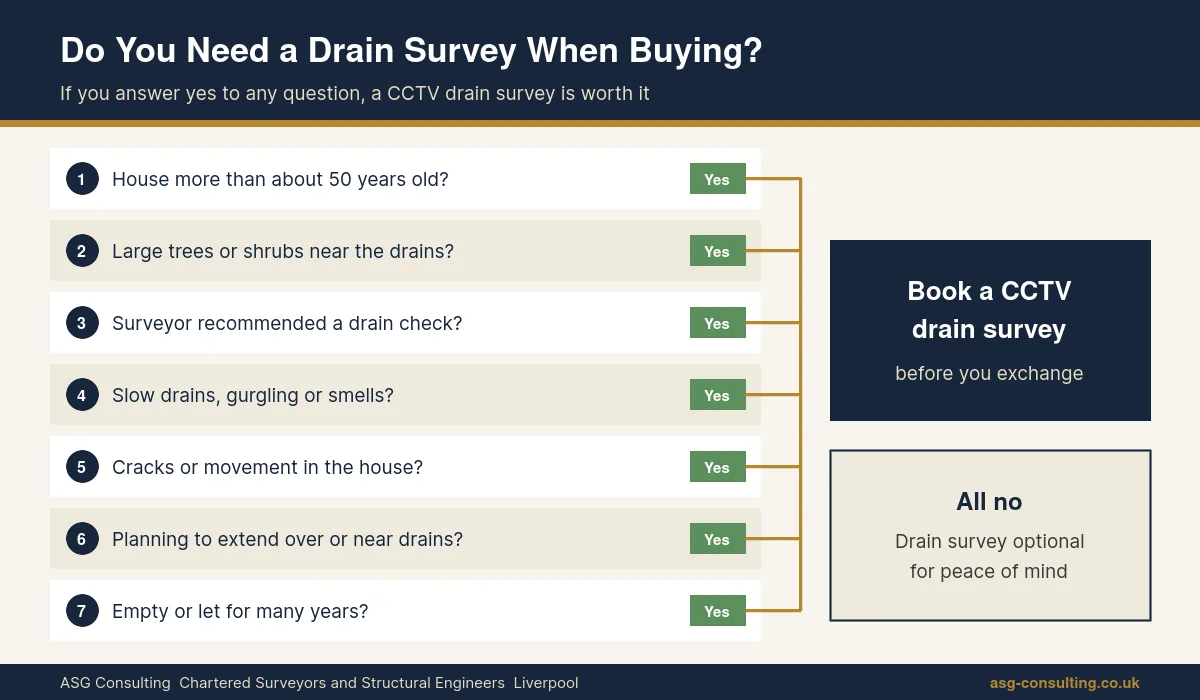
- Is the house more than about 50 years old? Older clay and pitch fibre pipes are more likely to have cracks, displaced joints or deformation.
- Are there large trees or shrubs near the drains? Roots seek out moisture and can enter pipes through joints and cracks.
- Has the building survey recommended a drain inspection? This usually means the surveyor has seen something that needs a closer look.
- Are there signs of drain problems? Slow drainage, gurgling, smells or damp patches all point to possible issues.
- Is there cracking or movement in the house? Leaking drains can wash away soil and contribute to subsidence.
- Do you plan to extend or build near the drains? Knowing where the pipes run and what condition they are in helps you plan.
- Is the property empty or has it been let for years? Problems may have gone unreported.
If the answer to every question is no, a drain survey may not be essential, but it can still give peace of mind on a home you plan to keep for many years.
Who Is Responsible for Drains and Sewers?
Responsibility depends on whether the pipe serves just your property and where it runs. In England and Wales, many private sewers and lateral drains were transferred to the water companies on 1 October 2011. In the North West, the water company is United Utilities.
| Pipe | What it is | Usually responsible |
|---|---|---|
| Private drain | Pipe serving only your property, within your boundary | The homeowner |
| Lateral drain | Pipe serving only your property, outside your boundary | The water company |
| Shared sewer | Pipe where drains from more than one property join | The water company |
| Public sewer | Main sewers taking waste to treatment works | The water company |
| Highway gully | Road drain in the street | The local highway authority |
United Utilities explains on its sewers and drains explained page that homeowners are responsible for the drains from their property up to the boundary unless they are shared, while the company looks after shared sewers and public sewers. Salford City Council gives a similar explanation in its guide to sewers and drains.
This matters when buying, because a drain survey can show whether a defect is in your private drain, which you would pay to repair, or in a shared or public sewer, which the water company should deal with.
What Problems Can a Drain Survey Find?
A CCTV drain survey can identify
- Cracks and fractures. Often in older clay pipes, caused by age, ground movement or heavy loads above.
- Displaced joints. Where sections of pipe have moved apart, letting water leak out and soil or roots get in.
- Root ingress. Roots growing into the pipe through joints or cracks, causing blockages.
- Collapses. Sections of pipe that have broken and caved in.
- Blockages. Build up of fat, debris, wipes or silt.
- Deformation. Pipes that have lost their shape, common in pitch fibre pipes.
- Poor connections. Badly made connections from extensions, kitchens or bathrooms.
- Misconnections. Foul water wrongly connected to surface water drains, or the other way round.
What Are the Warning Signs of Drain Problems?
You can often spot clues on a viewing.
- sinks, baths or toilets that drain slowly
- gurgling noises from plugholes or toilets
- bad smells outside, near gullies or inspection chambers
- damp patches on walls or floors near drain runs
- sunken or uneven paving above drains
- rats in the garden or near the house
- cracks in the house near drain runs, especially at corners
- water pooling around gullies after rain
Ask the seller whether any of these have been a problem. Our house viewing checklist covers other things to look for.
What Types of Drain Pipe Are There?
The type of pipe affects the likely problems.
| Pipe type | Typical age | Common issues |
|---|---|---|
| Clay | Common in older homes, including Victorian and interwar houses | Cracked pipes, displaced joints, root ingress |
| Pitch fibre | Used in many homes built from the 1950s to the 1970s | Deformation, blistering and collapse |
| Cast iron | Some older homes, especially under buildings | Corrosion and cracking |
| Plastic | Most homes built or repaired from the 1980s onwards | Poor jointing or bedding, deformation if badly laid |
A drain survey can confirm the pipe type and condition, which helps you understand whether repairs are likely.
Can Drains Cause Subsidence?
They can contribute to it. When drains leak, water can wash fine soil away from under foundations or soften clay soils, leading to movement. Damaged drains near trees can make things worse, because roots take advantage of the moisture.
If a survey finds cracking near drain runs, a drain survey is often one of the first investigations recommended. Our guides to subsidence surveys, cracks in walls and trees near a house explain how movement is investigated. Where movement is confirmed, our structural engineering team can advise on repairs.
How Does a CCTV Drain Survey Work?
The process is usually straightforward.
- Arrange access. The seller or estate agent agrees a time for the specialist to visit.
- Locate chambers. The specialist finds and lifts the inspection chamber covers.
- Clean if needed. Some drains need jetting first so the camera can see clearly.
- Run the camera. A camera on a cable or crawler is pushed or driven through each pipe.
- Record and map. The footage is recorded and the drain runs are plotted.
- Report. You receive a report with images, findings and recommendations.
Most domestic drain surveys take a few hours on site. Book early, because it needs to fit within your conveyancing timetable before you exchange contracts.
Is a Drain Survey the Same as a Drainage Search?
No. They answer different questions, and many buyers get both.
| Check | Who arranges it | What it tells you |
|---|---|---|
| Drainage and water search | Your solicitor | Whether the home is connected to the public sewer and mains water, and whether public sewers run within the boundary |
| CCTV drain survey | You, through a drainage specialist | The physical condition of the pipes underground |
| RICS building survey | You, through a surveyor | Visible signs of drainage problems and whether further checks are needed |
A drainage search is a desk based record check, so it cannot tell you whether a pipe is cracked or blocked. Only a drain survey when buying a house shows the condition of the pipes themselves.
What Affects the Cost of a Drain Survey?
The cost of a drain survey when buying a house depends on
- the size of the property and the length of drain runs
- the number of inspection chambers and how easy they are to access
- whether the drains need cleaning or jetting before the camera can be used
- whether you want a full drain plan or a simple condition report
- any shared drains that also need inspecting
Get a written quote that states what is included. A drain survey is carried out by a drainage specialist rather than a building surveyor, but your surveyor can explain whether one is needed and help you understand the findings.
What Should You Do With the Results?
Use the drain survey report to decide what to do next.
- No significant defects. Keep the report as a record of condition.
- Minor issues. Note them for future maintenance, such as cleaning or small patch repairs.
- Significant defects in a private drain. Get quotes for repairs, such as relining or replacement, and discuss them with the seller.
- Defects in a shared or public sewer. Report them to the water company, which should be responsible for repairs.
- Defects linked to cracking in the house. Ask your surveyor or a structural engineer for further advice.
Our guide to renegotiating after a house purchase survey explains how to use repair quotes when talking to the seller.
What If You Want to Extend Over a Drain?
Many extensions are built close to or over existing drains. If you plan to extend, a drain survey helps you find out where the pipes run and whether they are in good condition before you design the work.
Building over or close to a public sewer normally needs agreement from the water company, and building control will check how drains are dealt with. Rerouting or protecting drains can add cost and time to a project. Our guides to garage conversions and steel beam calculations cover other things to plan for when altering a home.
What Should You Ask the Seller?
Ask these questions early and pass the answers to your solicitor and surveyor.
- Have there been any blockages, leaks or drain repairs?
- Has a drain survey been carried out, and can you see the report?
- Are any drains shared with neighbours?
- Has the house had any subsidence or insurance claims?
- Has an extension been built over or near drains, and was water company agreement obtained?
- Are there any septic tanks or private treatment systems?
Your solicitor will also receive a drainage and water search, which shows whether the property is connected to the public sewer and whether public sewers run within the boundary.
Drains in Liverpool Homes
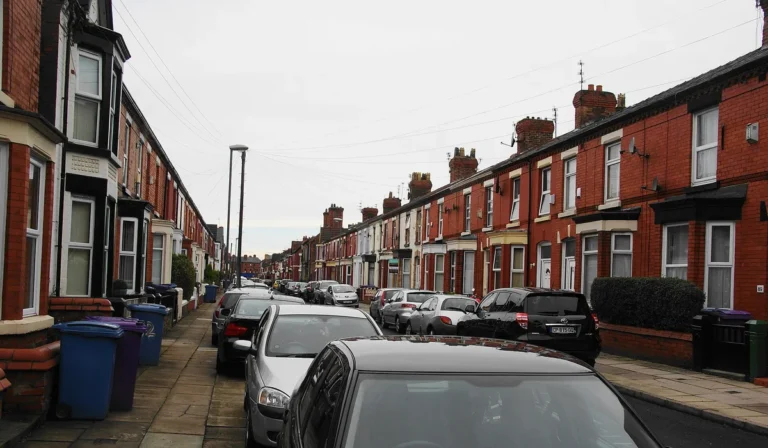
Liverpool and Merseyside have a large number of older homes with original or early drainage. Victorian and Edwardian terraces in areas such as Anfield, Walton, Kensington, Wavertree and Toxteth often have clay drains that run to the rear, sometimes beneath back entries, known locally as jiggers. Interwar semis in Allerton, Childwall, Crosby and Wallasey commonly have clay drains near mature gardens and trees, while some post war homes have pitch fibre pipes.
Common findings on drain related issues in the area include
- root ingress from mature trees and hedges in suburban gardens
- cracked and displaced clay pipes under older terraces
- deformed pitch fibre pipes on homes from the 1950s to the 1970s
- poorly connected drains from rear extensions and outriggers
- drains running close to cracked bays and corners
If your building survey flags any of these warning signs, a drain survey before exchange can save you from unexpected bills after you move in. It also gives you a record of the drain runs, which is useful if you later plan an extension or new bathroom.
Drain Survey FAQs
Do I need a drain survey when buying a house?
It is worth getting one for older homes, homes near large trees, homes with signs of drain problems or cracking, or where you plan to extend. A RICS survey does not test the drains.
What does a CCTV drain survey show?
It shows the inside of the underground pipes, including cracks, displaced joints, roots, blockages, deformation and collapses, usually with a report, images and a plan.
Who is responsible for drains outside my boundary?
In England and Wales, lateral drains outside your boundary and shared sewers are usually the water company responsibility. In the North West, that is United Utilities.
Can drains cause subsidence?
Leaking drains can wash away soil or soften clay under foundations, which can contribute to movement. A drain survey is often part of a subsidence investigation.
How long does a drain survey take?
Most domestic drain surveys take a few hours on site, with a written report following afterwards.
Does a homebuyer survey include drains?
A homebuyer survey looks at visible drainage features and may lift accessible covers, but it does not test drains or inspect pipes underground.
Book a Survey With ASG Consulting
ASG Consulting is an RICS regulated building surveying practice in Liverpool. We carry out RICS Level 2 HomeBuyer Surveys and Level 3 Building Surveys across Liverpool, Merseyside, the Wirral and the wider North West, and we flag drainage warning signs and recommend further checks where needed, with reports usually delivered within 3 to 5 working days of the inspection. We give a fixed fee on request, usually confirmed within one working day. To request a quote, call 0151 315 0626 or visit our contact page.
About the Author
Dave MacMillan is the lead surveyor at ASG Consulting, an RICS regulated building surveying practice at 54 St James Street, Liverpool. He has 8 years of experience in building surveying and inspects homes for buyers across Liverpool, Merseyside and the North West.
Last updated 16 November 2026
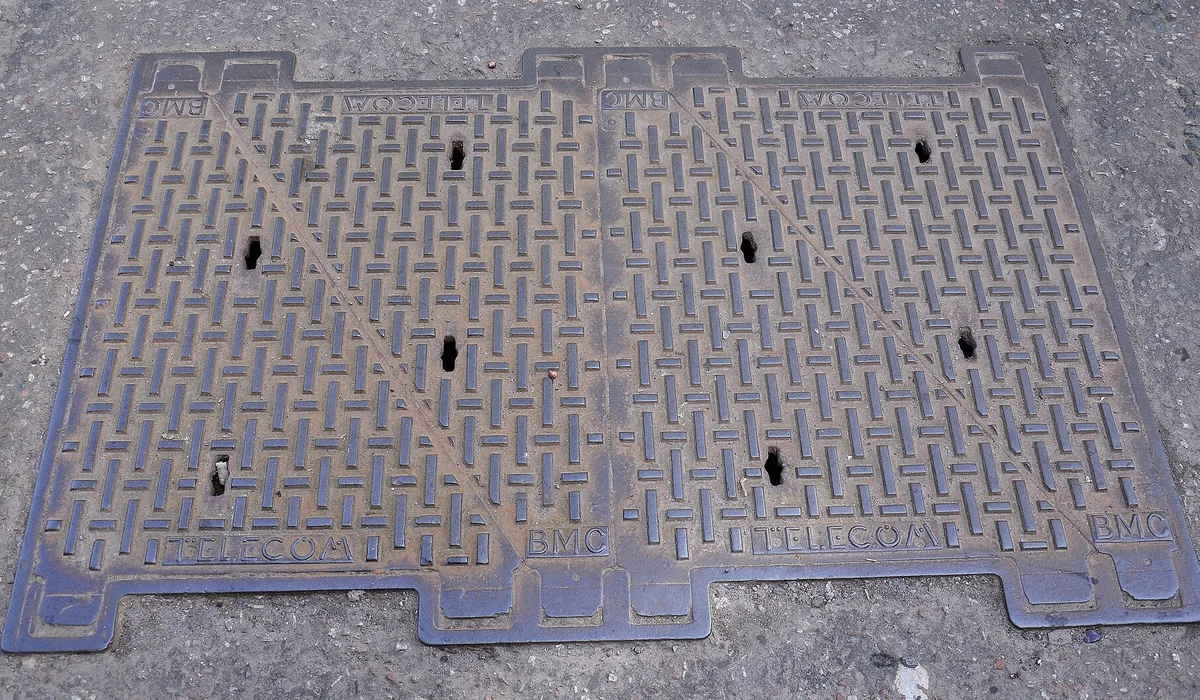
Featured photo of manhole and access covers in Oban by The Carlisle Kid via Wikimedia Commons, licence CC BY SA 2.0, cropped.