Buying a house in a conservation area means accepting extra planning controls. Demolition needs permission, permitted development rights are narrower, works to most trees need six weeks notice to the council, and an Article 4 direction may control windows, doors and roofs. Check the council records, ask about past alterations and get a survey that understands older buildings.
Conservation areas cover many of the most attractive streets in Liverpool and the North West, from the Georgian terraces around Canning Street to leafy Victorian suburbs and village centres. Homes in these areas are often sought after, but owning one comes with rules that can affect what you can change, how you repair the house and what it costs to maintain. This guide uses a simple can I or can I not approach to explain what buying a house in a conservation area means in practice, and what to check before you commit.
In this guide
- What is a conservation area?
- How do you check if a house is in a conservation area?
- What can and cannot you do without permission?
- How are permitted development rights reduced?
- What is an Article 4 direction?
- What are the rules on trees?
- Is a conservation area the same as a listed building?
- What if the seller made unauthorised changes?
- How do the rules affect repairs and costs?
- Can you improve energy efficiency?
- Which survey do you need?
- What are the pros and cons?
- What should you ask before you buy?
- What mistakes do buyers make?
- Conservation areas in Liverpool
- FAQs
What Is a Conservation Area?
A conservation area is an area that a local council has designated because of its special architectural or historic interest. The aim is to protect the character of the whole place, not just individual buildings. That character can come from the layout of streets, the style and materials of the houses, boundary walls, trees, open spaces and the way buildings sit together.
Historic England explains in its guide to living in a conservation area that designation gives the council extra controls over changes that could harm that character. Most of these controls work through the planning system, so they mainly affect alterations, extensions, demolition and work to trees.
How Do You Check if a House Is in a Conservation Area?
There are three simple ways to check.
- Council website. Most councils publish maps and lists of their conservation areas. Liverpool City Council lists its conservation areas online.
- Local search. Your solicitor will order a local authority search, which should confirm whether the property is in a conservation area and whether any Article 4 direction applies.
- Ask the agent or seller. They should know, and it may be mentioned in the property listing.
It is worth checking before you make an offer, especially if you plan to extend, replace windows or change the outside of the house.
What Can and Cannot You Do Without Permission?
This table gives a general guide to common changes when buying a house in a conservation area. Exact rules depend on the type of house, the local council and any Article 4 direction, so always check before you start.
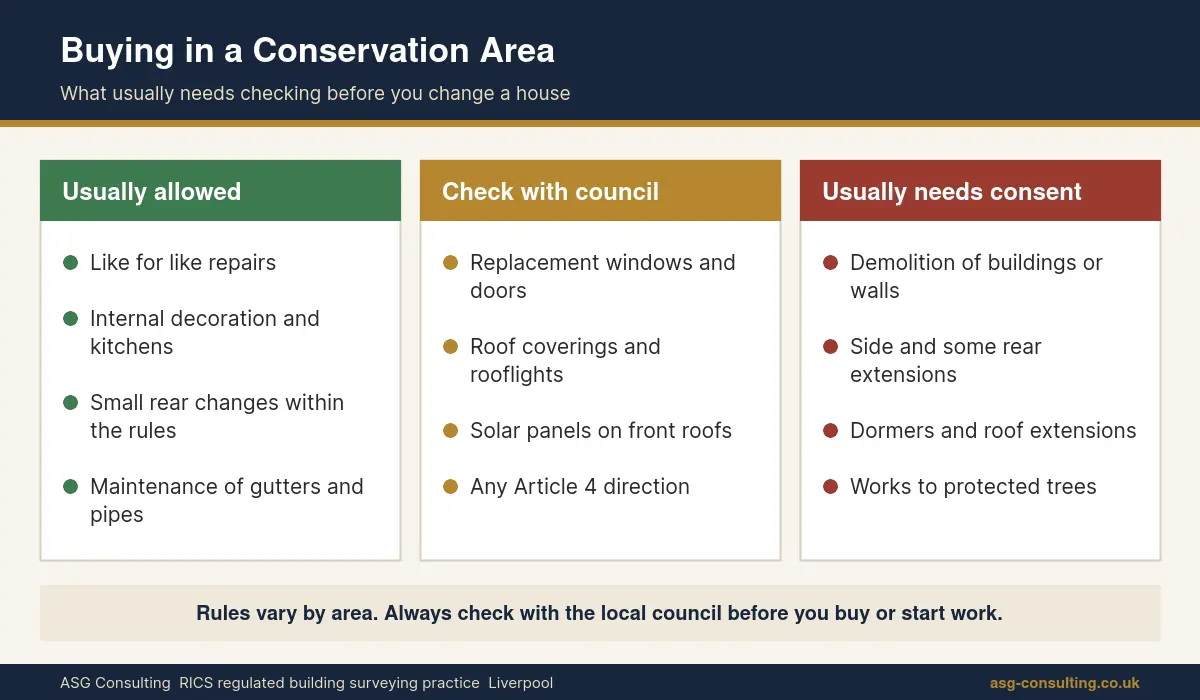
| Change | Usual position in a conservation area |
|---|---|
| Internal decoration, new kitchen or bathroom | Usually no planning permission needed, unless the house is listed |
| Like for like repairs using matching materials | Usually no permission needed |
| Demolishing a building or a large part of one | Planning permission needed |
| Two storey extensions and side extensions | Planning permission usually needed |
| Dormer windows and many roof alterations | Planning permission usually needed |
| Cladding with stone, render, timber, tiles or similar | Planning permission usually needed |
| Replacing windows and doors | Depends on the house type and any Article 4 direction |
| Solar panels on a roof or wall facing the street | Not permitted development, so permission needed |
| Cutting down or lopping most trees | Six weeks notice to the council |
If in doubt, ask the local planning authority before you start, because work done without permission can lead to enforcement action that the owner must put right.
How Are Permitted Development Rights Reduced?
Permitted development rights allow some changes to houses without a full planning application. In a conservation area, these rights are narrower. Historic England notes that detailed residential changes such as two storey extensions, dormer windows and stone cladding need a planning application in a conservation area.
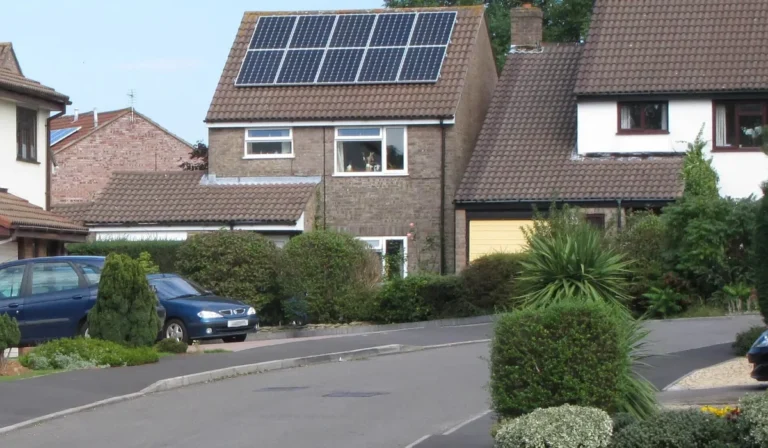
Other examples where the rules are tighter include side extensions, some rear extensions, cladding of the outside walls and equipment such as solar panels on walls or roofs that face a road. The Planning Portal guidance on solar equipment on houses explains, for example, that in a conservation area panels must not be fitted to a wall, balcony or roof enclosure which fronts a highway.
Flats and maisonettes have fewer permitted development rights to begin with, so most external changes to them need permission wherever they are.
What Is an Article 4 Direction?
An Article 4 direction is an extra control that a council can put in place to remove specific permitted development rights in an area. Historic England explains that councils can use them for works such as replacing doors or windows, or altering gutters and downpipes, and that each direction is tailored to the area.
In practice, an Article 4 direction can mean you need planning permission for changes that would normally be allowed, such as
- replacing timber sash windows with uPVC
- changing front doors
- replacing slate roofs with a different material
- removing front boundary walls or railings
- painting previously unpainted brickwork
- creating hard standings for parking in front gardens
Your local search should reveal any Article 4 direction. If one applies, ask the council what it covers before you budget for alterations.
What Are the Rules on Trees?
Trees are often an important part of the character of a conservation area. Historic England says you must notify the local planning authority six weeks before cutting down, topping or lopping any tree larger than a set minimum size. The council can then decide whether to protect it with a Tree Preservation Order.
This matters for buyers because large trees close to a house can affect foundations, drains and light, and you may not be able to remove them easily. Our guide to trees near a house explains how trees can affect buildings, and a survey will comment on trees close to the property.
Is a Conservation Area the Same as a Listed Building?
No. They are different designations, although many listed buildings are also in conservation areas.
| Feature | Conservation area | Listed building |
|---|---|---|
| What is protected | The character of the whole area | The individual building, inside and out |
| Internal changes | Usually no planning controls | Listed building consent often needed |
| External changes | Tighter planning controls | Listed building consent and often planning permission |
| Demolition | Planning permission needed | Listed building consent needed |
| Penalty for unauthorised work | Planning enforcement, and some unauthorised works can be an offence | Can be a criminal offence |
If the house is listed as well as being in a conservation area, the rules are stricter. Our guide to a listed building survey explains what to check.
What If the Seller Made Unauthorised Changes?
Older houses in conservation areas have often been altered over the years, and not always with permission. Common examples include replacement windows, removed chimneys, new roof coverings, painted or rendered fronts and front gardens turned into parking.
If work was done without permission, the council may be able to take enforcement action, and responsibility can pass to the new owner. Ask your solicitor to check the planning history and to raise questions about any obvious changes. A surveyor can point out alterations that look recent or out of character, so your solicitor knows what to ask about. Our guide to a regularisation certificate explains options where building regulations approval is missing, which is a separate issue from planning.
How Do the Rules Affect Repairs and Costs?
Like for like repairs are usually allowed, but repairs in a conservation area often need to use materials and methods that match the original. That can affect cost.
- Roofs. Natural slate may be expected rather than cheaper concrete tiles.
- Windows. Timber sash windows may need repair or like for like replacement rather than uPVC.
- Walls. Lime mortar and suitable bricks may be needed for repointing and repairs.
- Boundaries. Original walls, railings and gates may need to be kept and repaired.
These requirements help protect the area and often suit older buildings better, but they can make maintenance more expensive. Our guides to slate roof problems and rendered house problems explain why traditional materials matter.
Can You Improve Energy Efficiency?
Usually yes, with some care. Internal improvements such as loft insulation, draught proofing, better heating controls and secondary glazing often do not need planning permission. External changes, such as solar panels on a front roof, external wall insulation or replacement windows, may need permission in a conservation area.
Older solid walled houses also need insulation that suits their construction, so moisture can still escape. Get advice before major work. Our guides to condensation in a house and buying a house with solar panels cover related issues.
Which Survey Do You Need?
Many homes in conservation areas are older and have been altered over time, so the survey needs to understand traditional construction.
| Property | Suggested survey |
|---|---|
| Newer house in a conservation area, in good condition | RICS Level 2 HomeBuyer Survey |
| Victorian, Edwardian or Georgian house | RICS Level 3 Building Survey |
| Listed building | RICS Level 3 Building Survey from a surveyor experienced with listed buildings |
| House with significant alterations | RICS Level 3 Building Survey |
Our RICS HomeBuyer Survey in Liverpool page explains the Level 2 survey, and our residential building surveying page covers the Level 3 Building Survey. Our guides to a Georgian house survey, a Victorian house survey and an Edwardian house survey cover the house types most often found in conservation areas.
What Are the Pros and Cons?
Buying a house in a conservation area has clear benefits and some trade offs.
| Pros | Cons |
|---|---|
| Attractive, well preserved streets | Less freedom to alter the outside of the house |
| Protection against harmful development nearby | Repairs may need traditional, more costly materials |
| Character homes with period features | Extensions and dormers usually need permission |
| Mature trees and green spaces | Tree work needs notice to the council |
| Often strong demand from buyers | Planning applications can take time |
For many buyers, the character and protection of a conservation area outweigh the extra rules. The key is to understand them before you buy, so your plans and budget are realistic.
What Should You Ask Before You Buy?
Ask these questions early and share the answers with your solicitor and surveyor.
- Is the house in a conservation area, and is it listed?
- Is there an Article 4 direction, and what does it cover?
- Have windows, doors, roofs or front boundaries been changed, and was permission obtained?
- Has any extension or loft conversion been built, and were planning and building regulations approvals obtained?
- Are there any protected trees on or near the property?
- Have there been any disputes or enforcement notices from the council?
If you have plans to extend or alter the house, consider speaking to the council before you buy, so you know whether your plans are likely to be acceptable.
What Mistakes Do Buyers Make in a Conservation Area?
Most problems come from assumptions made before the purchase rather than from the area itself. Common mistakes include
- Assuming permitted development rights apply. Plans for a dormer, a side extension or new windows may need full planning permission, or may not be approved at all.
- Not checking for an Article 4 direction. These can remove rights that would normally apply, such as changing front doors or windows.
- Budgeting for modern materials. Repairs on front elevations may be expected to use timber windows, natural slate or lime mortar, which can cost more.
- Ignoring past alterations. Unauthorised replacement windows or a removed boundary wall can become your problem after completion.
- Forgetting the trees. Works to a tree of a reasonable size usually need six weeks notice to the council first.
- Skipping the survey. Older homes in conservation areas often have defects that only a careful inspection will pick up.
Speaking to the council conservation team before you buy, and asking your solicitor to check planning history, avoids most of these problems.
Conservation Areas in Liverpool
Liverpool City Council lists 36 conservation areas, including Rodney Street and Canning Street in the Georgian Quarter. Conservation areas also cover parts of the city centre, historic suburbs and parks, and village centres across the wider region. On the Wirral, in Sefton and in other nearby boroughs, many older suburbs and villages are also designated.
Issues to look out for on homes in conservation areas in and around Liverpool include
- replacement uPVC windows in place of original timber sashes
- concrete tiles replacing original slate roofs
- cement repointing and render on soft brick fronts
- chimney stacks removed or reduced
- front gardens converted to parking with original walls removed
- large mature trees close to houses and boundary walls
Many of these changes were made years ago, but they can still raise questions with buyers, councils and future owners. A survey and careful legal checks help you understand what you are taking on.
Buying a House in a Conservation Area FAQs
What does it mean to buy a house in a conservation area?
It means extra planning controls apply. Demolition, many extensions, dormers and some external changes need permission, and you must give notice before most tree work.
Can I replace windows in a conservation area?
It depends on the house type and whether an Article 4 direction applies. In many cases like for like replacement is acceptable, but changing style or material may need permission.
Can I extend a house in a conservation area?
Often yes, but side extensions, two storey extensions and dormers usually need planning permission, and the design must suit the character of the area.
Do I need permission to cut down a tree in a conservation area?
You must give the council six weeks notice before cutting down, topping or lopping most trees, so it can decide whether to protect them.
Is a conservation area the same as a listed building?
No. A conservation area protects the character of an area, while listing protects an individual building inside and out with stricter controls.
Does being in a conservation area affect house value?
It can support value through protected character and demand, but extra rules and higher repair costs are worth factoring into your budget.
Book a Survey With ASG Consulting
ASG Consulting is an RICS regulated building surveying practice in Liverpool. We carry out RICS Level 2 HomeBuyer Surveys and Level 3 Building Surveys on period homes and homes in conservation areas across Liverpool, Merseyside, the Wirral and the wider North West, with reports usually delivered within 3 to 5 working days of the inspection. We give a fixed fee on request, usually confirmed within one working day. To request a quote, call 0151 315 0626 or visit our contact page.
About the Author
Dave MacMillan is the lead surveyor at ASG Consulting, an RICS regulated building surveying practice at 54 St James Street, Liverpool. He has 8 years of experience in building surveying and inspects homes for buyers across Liverpool, Merseyside and the North West.
Last updated 18 November 2026
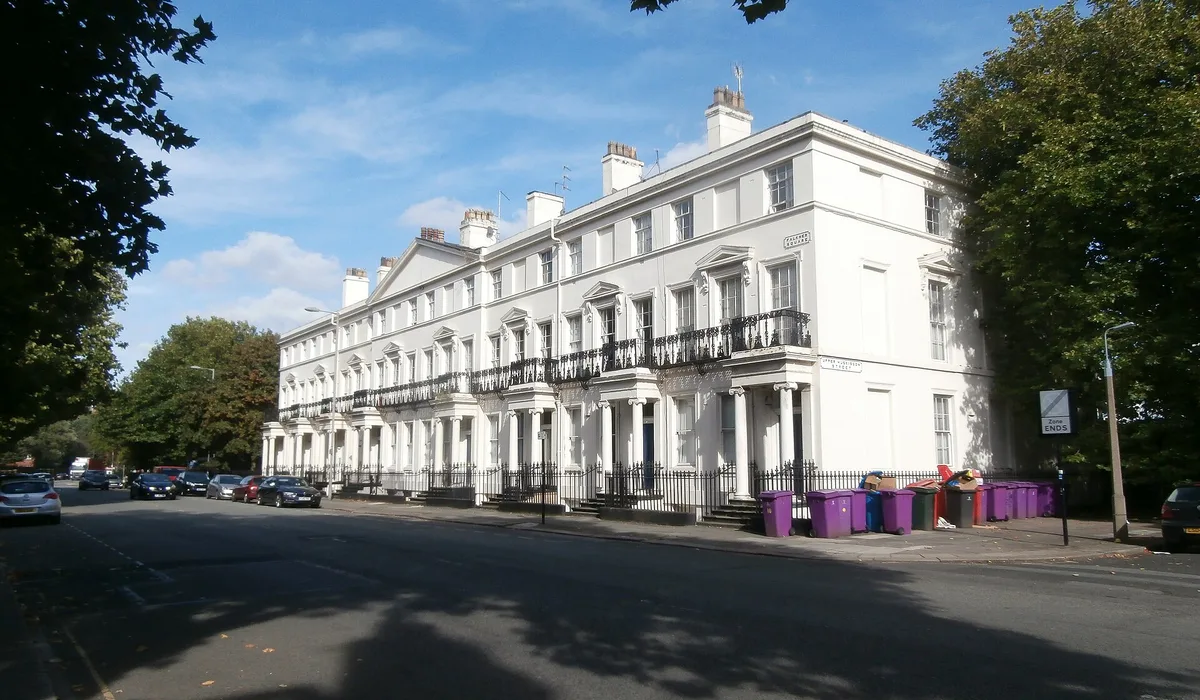
Featured photo of Falkner Square, east side, Liverpool by John Lord via Wikimedia Commons, licence CC BY SA 2.0, cropped.