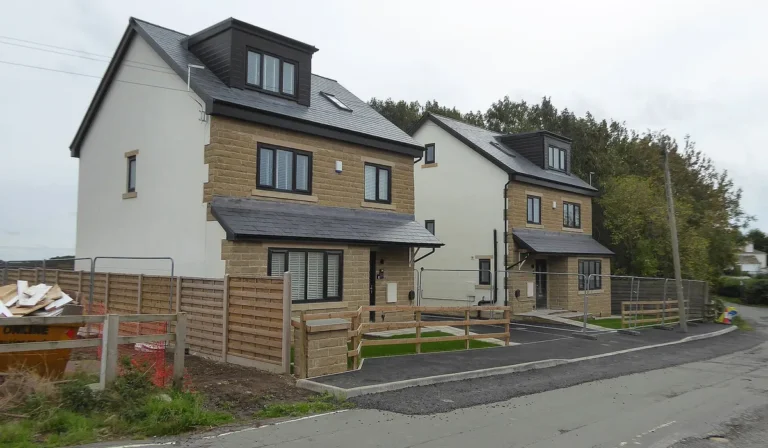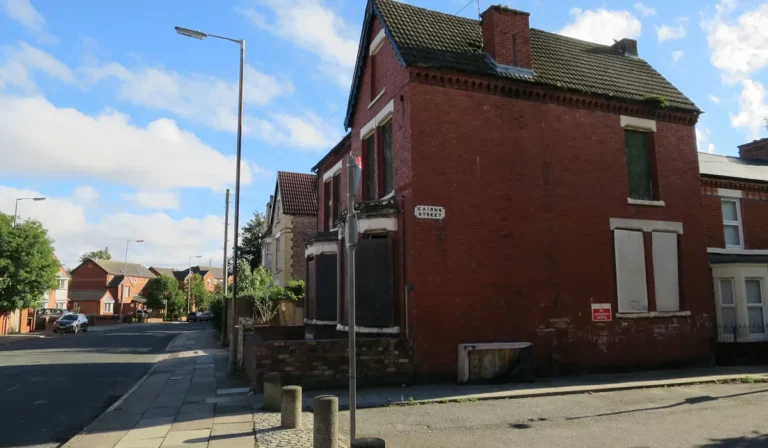
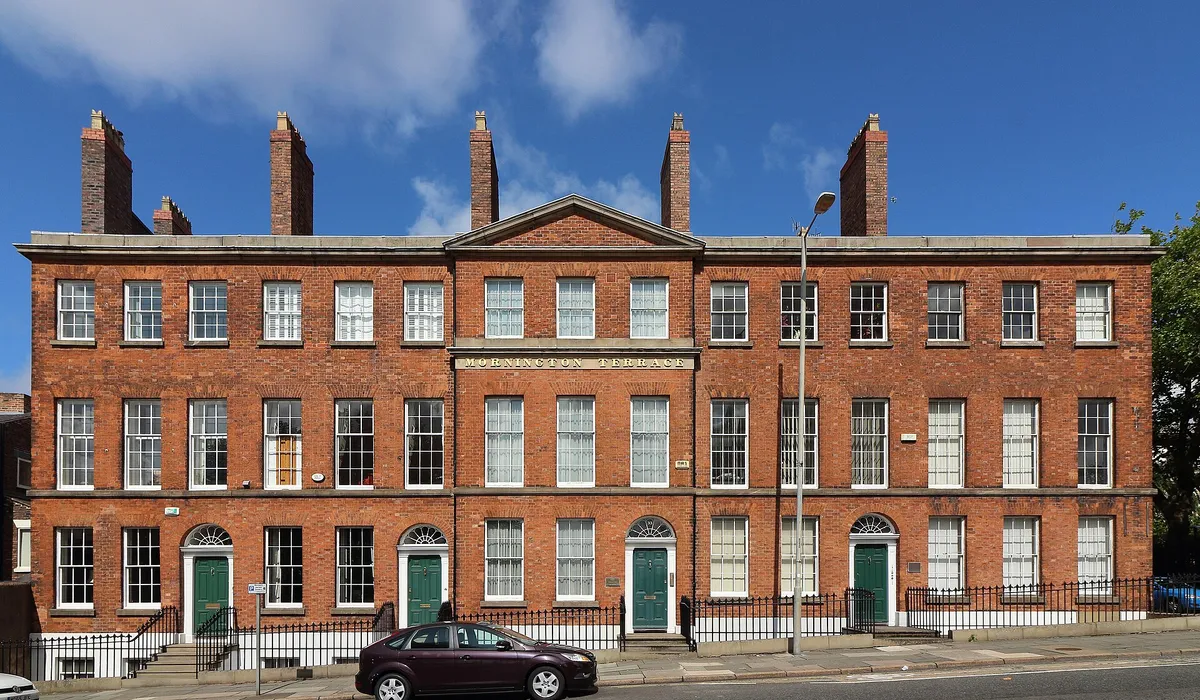
A good house viewing checklist covers the outside, roof and walls, every room, the loft, services, damp signs and the neighbourhood, plus questions for the agent. Take a torch, phone camera and notepad, view in daylight and again at a different time, then book a RICS survey to check what you cannot see.
Most buyers spend less than an hour viewing a home they may live in for years. Nerves, a chatty agent and a well styled living room make it easy to miss cracks, damp and dated wiring. This house viewing checklist is designed to be used on the day, working from the street to the loft, with the warning signs surveyors look for and the questions that help you decide whether to make an offer. It is written for buyers in Liverpool, Merseyside and the North West.
In this guide
- What should you do before a viewing?
- What should you check outside?
- What should you check in each room?
- How do you spot damp and mould?
- What should you check on services?
- Should you look in the loft?
- What questions should you ask the agent?
- How do you check the neighbourhood?
- What should you add for a flat?
- What should you add for a new build?
- How do you compare several properties?
- Which red flags matter most?
- What should you do at a second viewing?
- When should you make an offer?
- What can a viewing not tell you?
- Viewing older homes in Liverpool
- FAQs
What Should You Do Before a Viewing?
A little preparation makes a big difference. Before you go
- look up the property on the floor plan and the listing, noting anything the photos avoid showing
- check the Energy Performance Certificate, the council tax band and, for flats, the lease length and service charge
- look at recent sales of similar homes nearby so you know whether the asking price is realistic
- check flood risk and planning applications for the street and nearby sites
- book a daylight viewing, ideally on a weekday and, for a second viewing, at a different time
- bring a torch, a phone for photos and video, a notepad and this house viewing checklist
If you can, take someone with you. A second pair of eyes spots things you will miss while talking to the agent.
What Should You Check Outside?
Start before you go in. Stand across the street and look at the whole building, then walk round as much of it as you can.
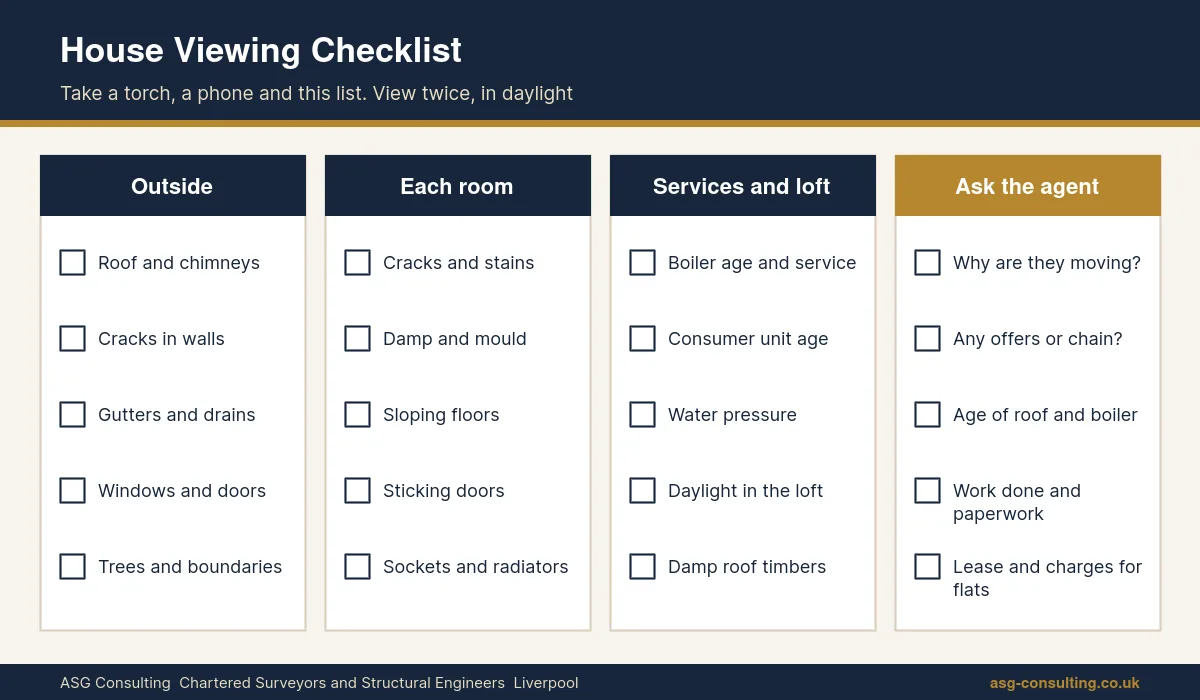
Roof and chimneys
- Slipped, missing or cracked slates or tiles
- A sagging or uneven roof line
- Leaning chimney stacks, cracked flaunching or plants growing from the stack
- Black coatings over the roof, a sign of past patch repairs
Our guide to slate roof problems explains what these signs usually mean.
Walls
- Cracks, especially diagonal cracks above doors and windows or cracks wider than a coin
- Bulging or leaning walls, particularly gable ends
- Horizontal cracks every few courses of brick, which can point to wall tie problems
- Eroded pointing, crumbling bricks or cracked render
- Damp staining below gutters and windows
Windows, doors, gutters and drains
- Rotten frames, failed seals with misting between panes, or sticking windows
- Leaking or overflowing gutters and cracked downpipes
- Smells around drains or blocked gullies
Garden and boundaries
- Large trees close to the house
- Leaning garden walls, fences and retaining walls
- Signs of Japanese knotweed, especially near boundaries
- Which boundaries belong to the property and whether there is shared access
What Should You Check in Each Room?
Use the same routine in every room, so nothing on your house viewing checklist gets missed.
| Check | What to look for |
|---|---|
| Walls and ceilings | Cracks, stains, bulging plaster, fresh paint on just one patch |
| Floors | Sloping, bouncy or squeaky floors, gaps under skirting boards |
| Windows | Condensation, mould on reveals, whether they open and lock |
| Doors | Doors that stick or have been planed down, a sign of movement |
| Heating | A radiator in each room, and whether they are warm |
| Sockets and switches | Enough sockets, and no old style round pin or scorched sockets |
| Light and space | Natural light, ceiling height and room sizes against the floor plan |
| Smells | Musty, damp or drain smells, or heavy air fresheners that might hide them |
Kitchen and bathroom
- Run the taps and check the water pressure and how quickly hot water arrives
- Look under the sink for leaks, stains and damp
- Check sealant around baths and showers and look for staining on the ceiling below
- Check there is an extractor fan and that it works
- Look at the age and condition of units and appliances included in the sale
How Do You Spot Damp and Mould?
Damp is one of the most common issues found on a house viewing checklist, and one of the easiest to disguise.
- Tide marks or staining low on ground floor walls
- Damp patches high on walls or ceilings, especially below the roof, chimneys or windows
- Black mould in corners, on window reveals and behind furniture
- Peeling wallpaper, blistering paint or crumbling plaster
- A musty smell, particularly in cellars, cupboards and under stairs
- Freshly painted patches in an otherwise tired room
Not all damp is serious. Our guides to penetrating damp and condensation in a house explain the most common causes and how they are usually fixed.
What Should You Check on Services?
You cannot test the services on a viewing, but you can spot clues.
- Boiler. Its age, location and whether there is a service record.
- Electrics. The age of the consumer unit, and whether there is a recent electrical certificate.
- Water. Where the stop tap is and whether pipework looks old.
- Drainage. Signs of blocked or slow drains, and where the manholes are.
- Broadband and mobile signal. Check your phone signal in each room.
Should You Look in the Loft?
If it is safe and the agent allows it, yes. A quick look with a torch from the top of the ladder can reveal
- daylight through the roof covering
- damp, stained or rotten timbers
- sprayed foam on the underside of the roof
- insulation levels
- signs of past or present leaks around the chimney
- cut or altered roof timbers
Do not walk across the joists unless boards are fitted. Our guide to spray foam insulation surveys explains why sprayed foam can affect mortgages.
What Questions Should You Ask the Agent?
Asking the right questions is as important as looking. Write the answers down.
- Why is the seller moving, and how long have they lived there?
- How long has the property been on the market, and have there been any offers?
- Is the seller in a chain, and have they found somewhere to buy?
- What is included in the sale?
- When were the roof, windows, boiler and electrics last replaced or tested?
- Has any work been done, such as extensions, loft conversions or removed walls, and is there paperwork?
- Have there been any problems with damp, subsidence, flooding or neighbours?
- For a flat, what are the lease length, service charge and ground rent, and are major works planned?
- What are the council tax band and typical energy bills?
How Do You Check the Neighbourhood?
You are buying the street as well as the house.
- Walk the area at different times, including evenings and weekends
- Check parking, traffic and noise from roads, railways, pubs or schools
- Look at the condition of neighbouring properties
- Check commuting times, shops, schools and green space
- Look up planning applications for nearby development
What Should You Add to the Checklist for a Flat?
Flats need a few extra checks, because you are buying into a whole building.
- Communal areas. Look at the entrance, stairs, lifts, bin stores and fire doors. Their condition says a lot about how the building is managed.
- The main roof and external walls. Look up from the street for slipped slates, damp staining, cracked render or cladding.
- Fire safety. Check for fire doors, alarms and clear escape routes.
- Noise. Listen for noise from neighbours above, below and to the sides.
- Parking and storage. Check what is allocated to the flat.
- The lease. Ask for the remaining lease length, service charge, ground rent and any planned major works.
Our guide to a survey for buying a flat explains what a surveyor can and cannot inspect in a block.
What Should You Add for a New Build?
New builds have fewer age related defects, but finishing problems are common. On a new build viewing, check
- the quality of paintwork, sealant, tiling and joinery in the show home and the actual plot
- that doors and windows open, close and lock properly
- garden levels, drainage and boundary fences
- the estate charge, what it covers and who manages the estate
- the warranty provider and the expected completion date
Remember that a show home is usually finished to a higher specification than the standard plot. Our guide to a snagging survey explains how to check a new home before you move in.
How Do You Compare Several Properties?
If you are viewing several homes, use the same house viewing checklist for each and give every property a simple score out of 10 for condition, location, space, running costs and how much work it needs. Add notes and photos straight after each viewing, while the details are fresh.
Comparing like for like makes it much easier to see which property is genuinely the best value once likely repair costs are taken into account, rather than simply the best presented.
Which Red Flags on a House Viewing Checklist Matter Most?
Some findings on a house viewing checklist are minor. Others deserve a specialist look before you offer.
| Red flag | Why it matters | Next step |
|---|---|---|
| Wide or diagonal cracks | Possible structural movement | Level 3 survey and possibly a structural engineer |
| Bulging or leaning walls | Possible wall tie failure or instability | Level 3 survey |
| Sagging roof or many slipped slates | Roof may need replacing | Survey and roofer quote |
| Widespread damp or mould | Could be rising damp, penetrating damp or condensation | Survey to identify the cause |
| Bouncy or sloping floors | Possible timber decay or movement | Survey |
| Fresh paint in one patch | May be hiding cracks or damp | Ask why, and get a survey |
| Knotweed near the boundary | Can affect mortgages | Specialist knotweed survey |
| Removed walls or chimney breasts | May lack structural design or approval | Ask for paperwork, survey |
What Should You Do at a Second Viewing?
If you like the property, always go back before making an offer, or before your offer is accepted if you can.
- Visit at a different time of day to see the light, traffic and noise
- Measure rooms and check your furniture will fit
- Revisit anything that worried you the first time
- Look more closely at the outside, the roof and the loft
- Ask any follow up questions and check the answers are consistent
When Should You Make an Offer?
Make an offer only once you have viewed at least twice, checked the price against recent local sales and worked through this house viewing checklist. Make your offer subject to survey and contract, so you can renegotiate or withdraw if the survey reveals serious problems. Put it in writing to the agent and keep a note of any conditions, such as items included in the sale or a target completion date. Once the offer is accepted, ask the agent to remove the property from the market, instruct your solicitor and book your survey straight away so there is time to act on the findings.
What Can a Viewing Not Tell You?
Even the most careful house viewing checklist has limits. A viewing cannot tell you the condition of hidden timbers, the cause of a crack, whether damp is active, how old the roof covering really is, or whether alterations were properly designed. That is what a survey is for.
Once your offer is accepted, book a RICS survey before you exchange contracts. A Level 2 HomeBuyer Survey suits most conventional homes in reasonable condition, while a Level 3 Building Survey suits older, altered or neglected properties. Our RICS HomeBuyer Survey in Liverpool page explains the Level 2 option, and our residential building surveying page covers the Level 3 Building Survey. Which? also publishes a useful house viewing checklist for first time buyers.
Viewing Older Homes in Liverpool
Liverpool and Merseyside have a lot of older housing, from Victorian terraces to interwar semis. When you view a Victorian terrace in Anfield or Wavertree, a 1930s semi in Allerton or Crosby, or a converted flat in the Georgian Quarter, pay extra attention to
- slate roofs, chimneys and parapet gutters
- damp on exposed gable walls and around bay windows, driven by wet weather from the Irish Sea
- rear outriggers and kitchen extensions, where roofs, flashings and foundations often give trouble
- cellars, which are common in older terraces and villas and are often damp
- removed chimney breasts and knocked through rooms
- for flats, the condition of communal areas and the main roof
Our guides to a Victorian house survey and a 1930s house survey explain the defects most common in those homes.
House Viewing Checklist FAQs
What should I look for when viewing a house?
Check the roof, walls, windows, gutters and garden outside, then every room for cracks, damp, mould, sloping floors and heating. Look at the boiler and electrics, check the loft if safe, and ask the agent about past work and problems.
How long should a house viewing take?
Allow at least 30 to 45 minutes for a first viewing and longer for a second. Take your time, and do not let the agent rush you.
What are the biggest red flags when viewing a house?
Wide or diagonal cracks, bulging walls, a sagging roof, widespread damp or mould, bouncy floors and fresh paint on a single patch of wall are the main warning signs.
Should I take photos at a house viewing?
Yes, with permission. Photos and video help you compare properties and spot details you missed, and they are useful to share with your surveyor.
How many times should I view a house before buying?
At least twice, ideally at different times of day. A second viewing helps you check light, noise and anything that worried you the first time.
Do I still need a survey if the viewing went well?
Yes. A viewing cannot reveal hidden defects in roofs, timbers, walls and services. A RICS survey before exchange of contracts is the best protection.
Book Your Survey With ASG Consulting
ASG Consulting is an RICS regulated building surveying practice in Liverpool. We carry out RICS Level 2 HomeBuyer Surveys and Level 3 Building Surveys across Liverpool, Merseyside, the Wirral and the wider North West, with reports usually delivered within 3 to 5 working days of the inspection. We give a fixed fee on request, usually confirmed within one working day. To request a quote, call 0151 315 0626 or visit our contact page.
About the Author
Dave MacMillan is the lead surveyor at ASG Consulting, an RICS regulated building surveying practice at 54 St James Street, Liverpool. He has 8 years of experience in building surveying and inspects homes for buyers across Liverpool, Merseyside and the North West.
Last updated 11 November 2026
Featured photo of Mornington Terrace, Liverpool by Rodhullandemu via Wikimedia Commons, licence CC BY SA 4.0, cropped.