In the new build vs old house choice, a new build usually offers lower running costs, a warranty and fewer repairs early on, while an older house usually offers more space, character, established gardens and better value per square metre. Both need checking. New builds need a snagging inspection. Older homes need a RICS Level 2 or Level 3 survey.
There is no single right answer to the new build vs old house question. It depends on your budget, how long you plan to stay, how much work you are willing to take on and where you want to live. This guide works as a scorecard, comparing the two across the factors that matter most to buyers in Liverpool and the North West, from running costs and warranties to space, resale and the defects surveyors find in each. It finishes with the right inspection for each type of home.
In this guide
- How do new builds and older homes compare?
- Which is cheaper to run?
- What protection do new build buyers get?
- What defects are common in each?
- Which offers more space and character?
- Which holds its value better?
- What about leases and estate charges?
- What should you check when viewing each type?
- Can you negotiate on price?
- Which suits which buyer?
- Does the choice affect your mortgage?
- Which inspection do you need for each?
- New build vs old house in Liverpool
- FAQs
How Do New Builds and Older Homes Compare?
This scorecard gives a quick view of the new build vs old house trade off. Every property is different, so treat it as a starting point.
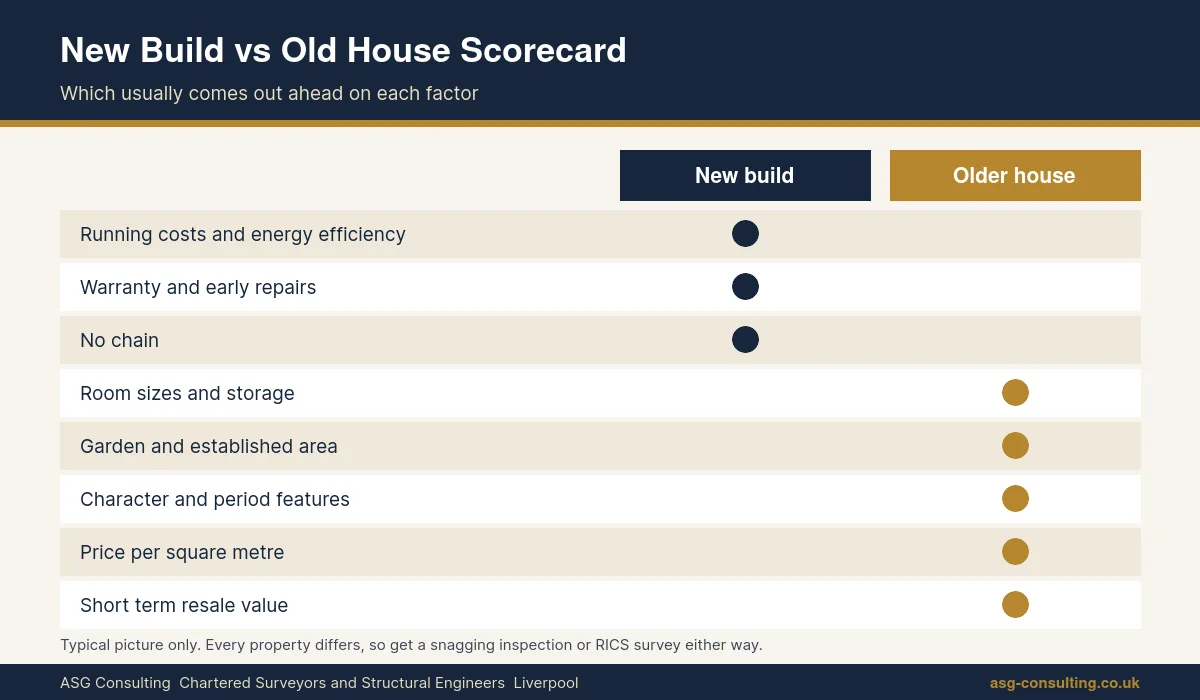
| Factor | New build | Older house |
|---|---|---|
| Energy efficiency | Usually very good | Often poorer, but can be improved |
| Early repair costs | Low, apart from snagging | Can be significant depending on age and condition |
| Warranty | Usually a 10 year structural warranty | None, except guarantees for past work |
| Room sizes and storage | Often smaller | Often larger, with higher ceilings |
| Garden and plot | Often smaller | Often larger and more established |
| Character | Modern and uniform | Period features and individual style |
| Price per square metre | Often higher | Often lower |
| Short term resale | Can fall in value when no longer new | Usually more stable |
| Chain | Usually no chain | Often part of a chain |
| Ongoing charges | Estate management charges are common | Less common for freehold houses |
Which Is Cheaper to Run?
New builds usually win on running costs. Modern homes are built to current Building Regulations for insulation, airtightness and heating efficiency. The HomeOwners Alliance, citing Energy Performance Certificate data, reports that over 80 percent of new homes achieve the top A or B ratings, compared with around 2.2 percent of existing homes.
Lower energy bills and fewer early repairs make new builds attractive for buyers on a tight monthly budget. Older homes can be improved with loft insulation, better heating controls, new windows and, in some cases, wall insulation, but these upgrades cost money and need care. Some insulation added to older walls can cause damp if it is not suitable for the construction. Our guides to cavity wall insulation problems and spray foam insulation surveys explain the risks.
What Protection Do New Build Buyers Get?
Most new homes come with a structural warranty, usually for 10 years, from providers such as NHBC. Under the NHBC Buildmark cover, the builder is usually responsible for putting right defects in the first two years, and the warranty provider covers certain structural defects for the remaining years. Other warranty providers work in a similar way, but the details differ.
There is also a consumer code for new homes. The New Homes Quality Code sets standards for how developers sell homes and deal with complaints, and the New Homes Ombudsman Service can handle unresolved complaints from buyers whose developer is registered. The New Homes Quality Board publishes the details.
It is important to understand the limits. Warranties do not cover everything. Wear and tear, minor shrinkage cracks, and some items such as appliances and decorations are often excluded, and claims can take time. That is why a snagging inspection before or shortly after completion is so valuable.
What Defects Are Common in Each?
Both types of home have typical problems. The difference is that new build defects tend to be about workmanship and finishing, while older home defects tend to be about age and wear.
| New build defects | Older home defects |
|---|---|
| Poor finishing, paintwork and sealant | Worn roof coverings and chimney stacks |
| Doors and windows that do not close properly | Damp, from penetrating damp to condensation |
| Missing insulation or fire stopping | Timber decay in floors and roofs |
| Poorly laid roof tiles and ridge fixings | Wall tie failure and cracking |
| Drainage and garden levels not finished properly | Old wiring, plumbing and heating |
| Shrinkage cracks as the building dries out | Alterations without approval |
New build defects are common. The HomeOwners Alliance cites a March 2025 Home Builders Federation survey in which 93.7 percent of new build buyers reported problems such as snags and defects to their builder after moving in. Our guide to a snagging survey explains how to find and report them.
Which Offers More Space and Character?
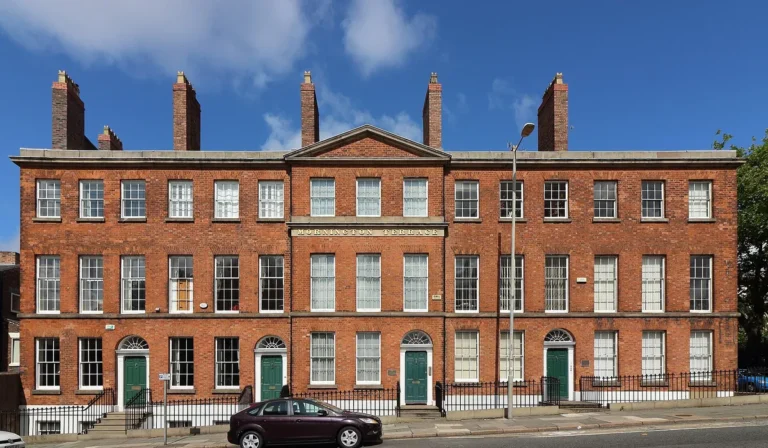
Older homes often win here. Victorian and Edwardian terraces, 1930s semis and post war houses generally have larger rooms, higher ceilings, more storage and bigger gardens than many new builds of the same price. They also offer period features, such as bay windows, fireplaces, cornicing and original joinery, and are often in established areas with mature trees and local amenities.
New builds offer open plan layouts, ensuite bathrooms and modern kitchens, which suit many buyers. But rooms and gardens can be smaller, and estates can feel uniform in their early years. Our guides to a Victorian house survey and a 1930s house survey explain what to look for in those older homes.
Which Holds Its Value Better?
New builds are often sold at a premium over similar second hand homes, and the HomeOwners Alliance warns that a one year old property may fall in value once it is no longer new. If you might need to sell in the first few years, that premium can be a real risk.
In the new build vs old house comparison on value, older homes in established, popular areas tend to hold their value more steadily, and they can offer the chance to add value through renovation or extension. The flip side is that they can also hide expensive defects, which is why a thorough survey matters before you commit.
What About Leases and Estate Charges?
Many new build estates have roads, open spaces and play areas managed by a private company, with homeowners paying an annual estate charge. These charges can rise, and the HomeOwners Alliance notes that owners may have limited rights to challenge them. Check the amount, what it covers and how it can change.
For flats, new or old, the lease is critical. Check the length, the ground rent and the service charge, and whether any major works are planned. Some older leases are short, which can affect mortgages and resale. Our guide to a survey for buying a flat covers what to check.
What Should You Check When Viewing Each Type?
The checks you make on a viewing differ in the new build vs old house comparison.
Viewing a new build
- Ask to see the actual plot, not just the show home, and check what specification is included
- Look at the quality of finishes, sealant, tiling and joinery
- Check the layout, storage and room sizes against your furniture
- Ask about the warranty provider, the completion date and what happens if it slips
- Check the estate charge and any restrictions on the title, such as parking or alterations
- Find out what is planned for the rest of the site and how long construction will continue
Viewing an older house
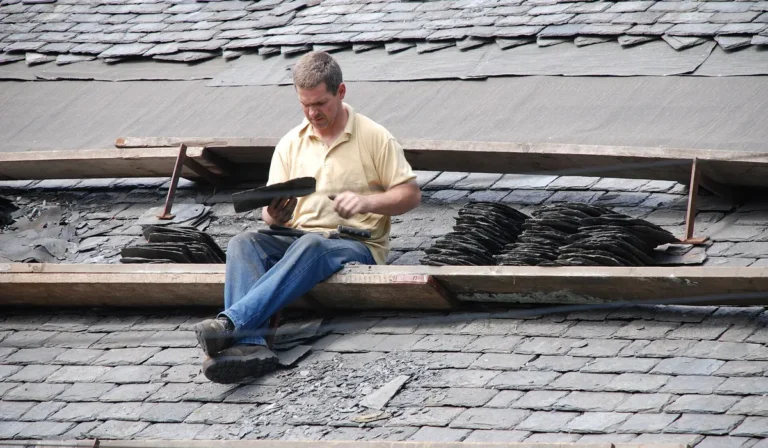
- Look at the roof, chimneys, gutters and walls from outside for slipped slates, cracks and damp
- Check inside for damp, mould, sloping floors and sticking doors
- Ask about the age of the boiler, electrics, windows and roof
- Ask about any extensions, loft conversions or removed walls, and whether there is paperwork
- Look for trees close to the house and signs of movement in bays and extensions
Our house viewing checklist covers both in more detail.
Can You Negotiate on Price?
Yes, with both, but in different ways. With a new build, developers may be more willing to offer incentives such as upgraded kitchens, flooring or help with legal fees than to reduce the headline price, particularly towards the end of a development or the end of a financial year. Check that any incentives are declared to your lender.
With an older house, the survey is your main negotiating tool. If it reveals defects that were not obvious at the viewing, written repair quotes give you a fair basis to ask for a price reduction or for the seller to carry out the work. Our guide to how a house purchase survey can help you renegotiate explains how.
Which Suits Which Buyer?
In the new build vs old house debate, the right answer depends on your circumstances.
| You might prefer | If you |
|---|---|
| A new build | Want low running costs, little maintenance, a warranty and no chain, and plan to stay for the long term |
| An older house | Want more space and character, an established location, value for money and are comfortable budgeting for repairs |
| An older house needing work | Have time, budget and appetite for renovation, and want to add value |
| A newer second hand home | Want modern standards without the new build premium, and the snags already sorted |
A home built in the last 10 to 20 years can be a good middle ground. It offers many of the benefits of a new build, often at a lower price, and any early snags have usually been dealt with. It may even have some of its original structural warranty left to run, so ask the seller for the warranty documents and check what cover remains. Bear in mind that later owners may have made changes, so check any extensions or alterations too.
Does the Choice Affect Your Mortgage?
It can. Some lenders cap the loan to value on new build flats or ask for a larger deposit, because values can fall once a property is no longer new. Lender valuers will also look carefully at any developer incentives, which can reduce the value they put on the property.
With older homes, the lender valuer may ask for repairs, specialist reports or a retention if they see serious defects such as structural movement, a failing roof or non standard construction. Speak to a mortgage broker early about the type of property you are considering. Our guide to mortgage valuation vs survey explains why the lender valuation is not a substitute for your own survey, whichever type of home you buy.
Which Inspection Do You Need for Each?
Whichever side of the new build vs old house choice you land on, get the property inspected before you are committed.
| Property | Suggested inspection |
|---|---|
| Brand new home | A snagging inspection before completion or soon after moving in |
| Home a few years old, in good condition | A RICS Level 1 Condition Report or Level 2 HomeBuyer Survey |
| Conventional older house in reasonable condition | A RICS Level 2 HomeBuyer Survey |
| Victorian, Edwardian or altered home, or one needing work | A RICS Level 3 Building Survey |
Our RICS HomeBuyer Survey in Liverpool page explains the Level 2 survey, and our residential building surveying page covers the Level 3 Building Survey. If you are unsure which suits your property, ask us before you book. We will recommend the lower level when it is the right fit.
New Build vs Old House in Liverpool
Liverpool offers both in abundance. New build homes are concentrated in city centre apartment developments, regeneration areas and new estates on the edges of the city and across Merseyside and the Wirral. Older homes dominate established neighbourhoods, from Victorian terraces in Anfield, Walton, Wavertree and Toxteth to 1930s semis in Allerton, Childwall, West Derby and Crosby.
What surveyors often see in each
- City centre new build flats. Snagging items, communal area defects, fire safety questions and service charges to review.
- New build estate houses. Finishing defects, drainage and garden levels, roof tile fixings and estate charges.
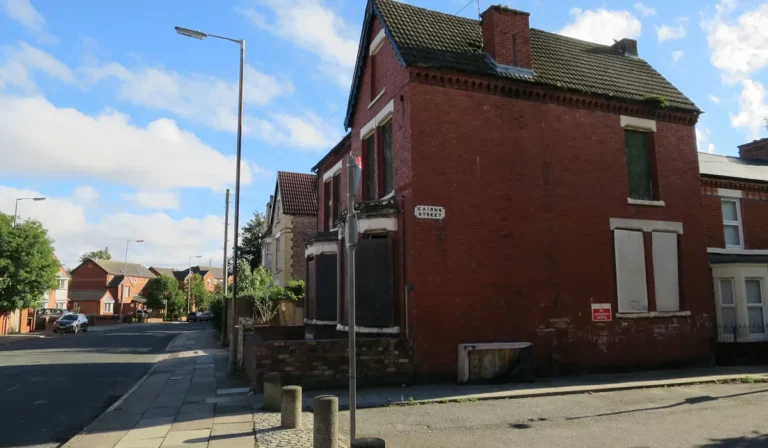
- Victorian terraces. Slate roofs, chimneys, damp in solid walls, cellars and rear outriggers.
- 1930s semis. Roof coverings, wall ties, bay window cracking and later extensions.
Wet weather from the Irish Sea is tough on any building, old or new. Exposed walls, roofs and windows deserve a close look whichever type of home you choose.
New Build vs Old House FAQs
Is it better to buy a new build or an old house?
Neither is always better. New builds usually offer lower running costs, a warranty and fewer early repairs. Older houses usually offer more space, character and value per square metre. The right choice depends on your budget, plans and appetite for maintenance.
Do new builds lose value?
They can, in the short term. New builds are often sold at a premium, and a home that is a year or two old may be worth less than its original price. Plan to stay for the long term if you buy new.
Do I need a survey on a new build?
A snagging inspection is the most useful check for a brand new home, because it finds finishing and workmanship defects for the builder to fix. Homes a few years old may suit a Level 1 or Level 2 survey.
What warranty comes with a new build?
Most new homes come with a 10 year structural warranty. Under NHBC Buildmark, the builder is usually responsible for defects in the first two years, with the warranty provider covering certain structural defects after that.
Are older houses more expensive to maintain?
Usually, yes. Roofs, windows, heating and other parts wear out over time. A RICS survey helps you understand likely repair costs before you buy.
Which is better for a first time buyer?
Many first time buyers choose new builds for low running costs and no chain. Others choose older homes for more space and value. A survey or snagging inspection helps whichever you choose.
Get the Right Survey With ASG Consulting
ASG Consulting is an RICS regulated building surveying practice in Liverpool. We carry out RICS Level 2 HomeBuyer Surveys, Level 3 Building Surveys and inspections of newer homes across Liverpool, Merseyside, the Wirral and the wider North West, with reports usually delivered within 3 to 5 working days of the inspection. We give a fixed fee on request, usually confirmed within one working day. To request a quote, call 0151 315 0626 or visit our contact page.
About the Author
Dave MacMillan is the lead surveyor at ASG Consulting, an RICS regulated building surveying practice at 54 St James Street, Liverpool. He has 8 years of experience in building surveying and inspects homes for buyers across Liverpool, Merseyside and the North West.
Last updated 11 November 2026
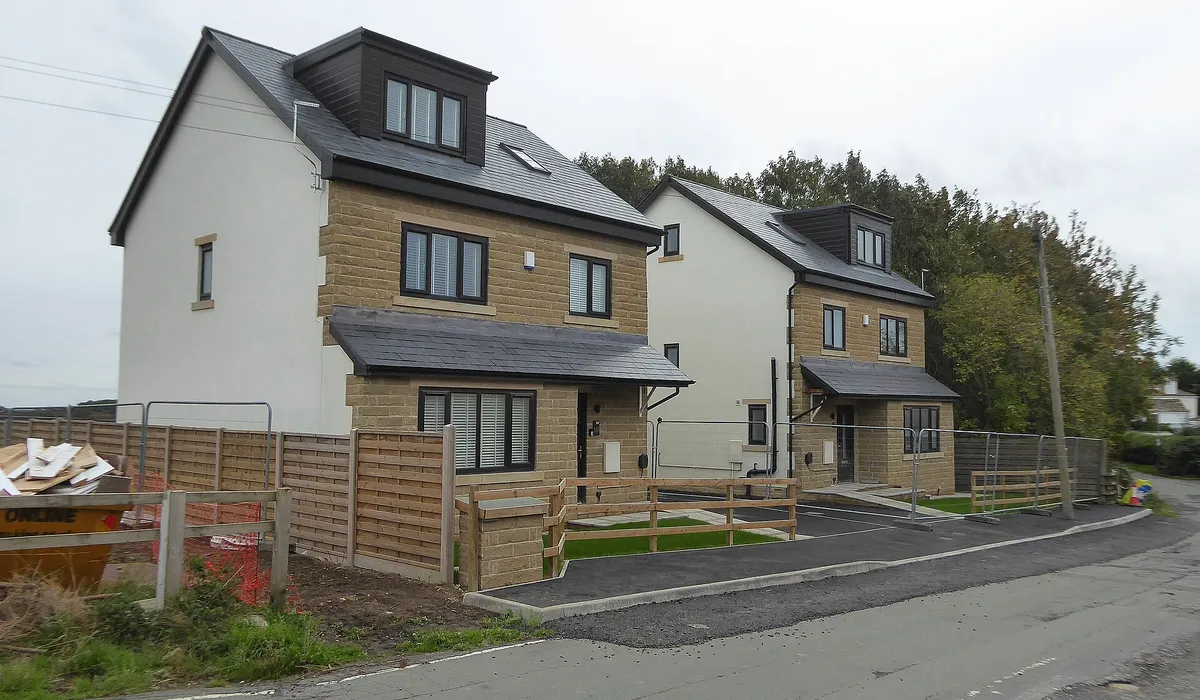
Featured photo of new build houses on Chidswell Lane by Kevin Waterhouse via Wikimedia Commons, licence CC BY SA 2.0, cropped.