Awaabs Law gives social housing tenants in England something they never had before, a legal clock. When you report a serious hazard, your landlord now has fixed deadlines to investigate it, tell you what they found and make your home safe. From 30 November 2026 that clock covers far more than damp and mould, because Phase 2 of Awaabs Law extends it to a wider range of dangers in the home.
This guide is built around that clock. It sets out every Awaabs Law deadline in one table, explains what changes with Awaabs Law Phase 2, and gives tenants a seven step plan for reporting a hazard and keeping the evidence that makes landlords act. It also covers where private renters stand, what landlords should prepare, and how an independent survey can settle a dispute about what is wrong and what caused it. It is written for tenants, landlords and housing teams in Liverpool, Merseyside and the North West.
In this guide
- What Awaabs Law is
- The three phases of Awaabs Law
- The Awaabs Law clock, every deadline in one table
- What Awaabs Law Phase 2 adds
- Seven steps for tenants
- Your evidence log
- When the landlord misses a deadline
- Private renters
- What landlords should do now
- How an independent survey helps
- Awaabs Law in Liverpool and Merseyside
- FAQs
What Awaabs Law Is
Awaabs Law is named after Awaab Ishak, a two year old boy who died in 2020 from a respiratory condition caused by prolonged exposure to mould in his family home, a social rented flat in Rochdale. His family had reported the mould repeatedly. The inquest and the public response that followed led to new legal duties for social landlords.
The legal basis is the Social Housing Regulation Act 2023, and the detailed rules are set out in the Hazards in Social Housing Prescribed Requirements England Regulations 2025. Together they are known as Awaabs Law. The requirements apply to almost all social housing let under a tenancy by a registered provider, which includes housing associations and councils that own homes.
The important change is that the requirements are written into social tenancies as an implied term. That means Awaabs Law is not just guidance for landlords. If a landlord fails to meet the deadlines, a tenant can take action for breach of the tenancy, alongside complaints to the landlord, the Housing Ombudsman and the Regulator of Social Housing.
The Three Phases of Awaabs Law
The government chose to bring Awaabs Law in over three phases so that landlords could build the systems needed to meet the deadlines.
| Phase | Start date | Hazards covered |
|---|---|---|
| Phase 1 | 27 October 2025 | Significant damp and mould, and all emergency hazards |
| Phase 2 | 30 November 2026 | A wider range of hazards from the Housing Health and Safety Rating System where they present a significant risk of harm |
| Phase 3 | Expected in 2027 | Almost all remaining hazards in the rating system, except overcrowding |
The government published its Phase 2 guidance for social landlords in July 2026, and you can read it on GOV.UK in Awaabs Law Phase 2 guidance for social housing landlords. The Housing Health and Safety Rating System itself was also updated in June 2026, the first full review in about twenty years.
The Awaabs Law Clock, Every Deadline in One Table
The heart of Awaabs Law is a set of maximum timescales. The clock starts when the landlord becomes aware of the hazard, which is usually the date you report it. Landlords can and should act faster where the situation needs it.
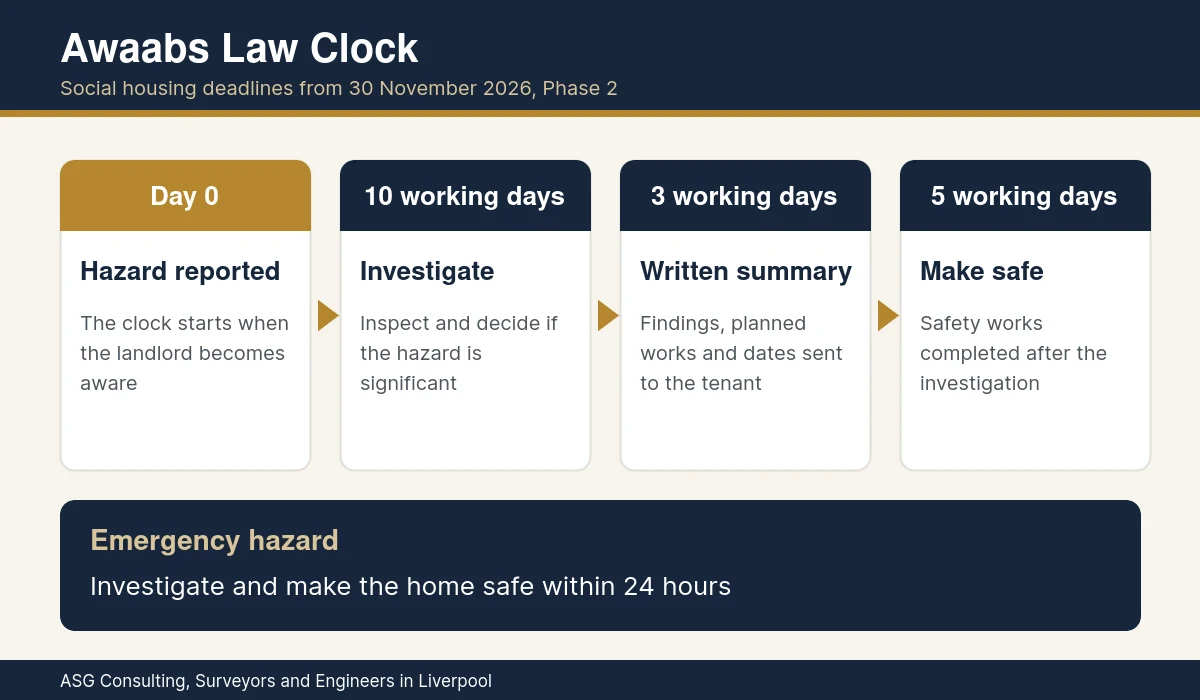
| Stage | Emergency hazard | Significant hazard |
|---|---|---|
| Investigate | Within 24 hours of becoming aware | Within 10 working days of becoming aware |
| Written summary to the tenant | Within 3 working days of the investigation ending | Within 3 working days of the investigation ending |
| Make the home safe | Within 24 hours of becoming aware | Safety work within 5 working days of the investigation |
| Longer term repairs | Planned after the emergency is dealt with | Further works to stop the problem returning, with dates given to the tenant |
Put simply, a serious but not immediately dangerous hazard should be investigated and made safe within about fifteen working days of being reported, and an emergency should be made safe within a day. If the landlord cannot complete the work in time, they must still take reasonable steps, keep you informed and, where the home cannot be made safe with you in it, offer suitable alternative accommodation.
The written summary matters more than many tenants realise. Under Awaabs Law it should describe what the investigation found, whether there is a significant or emergency hazard, what the landlord will do about it and when. Keep every summary you receive, because it becomes part of your evidence if the landlord does not do what it promised.
What Awaabs Law Phase 2 Adds
Awaabs Law Phase 2 takes the same deadlines and applies them to many more hazards. Since October 2025 the clock has only covered significant damp and mould plus emergencies. From 30 November 2026 it also covers a wider range of hazards from the rating system where they present a significant risk to the health or safety of the household. Examples highlighted by the government include electrical faults, pest infestations and unsafe stairs.
In practice, Awaabs Law Phase 2 means problems that tenants have often waited months to see fixed now sit inside the same legal timescales as mould. Typical examples are
- Electrical hazards. Exposed wiring, sockets that spark or overheat, and water getting into electrical fittings.
- Falls. Broken stair treads, missing handrails, loose banisters and unsafe steps outside the home.
- Pests. Infestations of rats, mice or insects linked to gaps, broken drains or failed pest proofing.
- Cold and heating failures. Homes that cannot be kept warm because of failed heating, broken windows or severe draughts, particularly where vulnerable people live there.
- Structural and fire risks. Unsafe ceilings, failing structures and problems that increase the risk of fire spreading, depending on how serious they are.
Whether a particular problem falls inside Awaabs Law depends on how serious the risk is for the people living there. The government has published a separate hazards annex to help landlords triage reports, so expect your landlord to ask questions about who lives in the home, including children, older people and anyone with a health condition.
Seven Steps for Tenants Under Awaabs Law
Awaabs Law only works if the landlord knows about the problem and the clock can be proved to have started. These seven steps give you the best chance of a quick repair.
- Report the hazard in writing. Phone calls are fine for emergencies, but always follow up with an email, an online repair form or a message through your landlord portal. Say clearly what the problem is, where it is and how it affects the household.
- Mention health and vulnerability. Tell the landlord if anyone has asthma, a heart or lung condition, a young child, a pregnancy or a disability. Under Awaabs Law this can change how serious the hazard is judged to be.
- Ask for a reference number and the date logged. The date the landlord became aware is the day the Awaabs Law clock starts. Write it down.
- Take dated photos and videos. Photograph the hazard from a distance and close up, and repeat every week so you can show whether it is getting worse.
- Keep the written summary. After the investigation, the landlord should send you a summary of what they found and what they will do. If it does not arrive within three working days of the visit, chase it in writing.
- Allow access, and record it. Let the landlord and contractors in at reasonable times, and note every visit, who came and what they did. Refusing access can stop the clock and weaken your position.
- Escalate if deadlines are missed. Use the landlord complaints process first, then the Housing Ombudsman. If the hazard continues and affects your health or belongings, take advice about a housing disrepair claim.
Your Evidence Log
A simple evidence log turns a dispute about who said what into a clear timeline. Keep it in a notebook or on your phone and update it every time something happens.
| What to record | Why it matters |
|---|---|
| Date and time of each report, and how it was made | Shows when the Awaabs Law clock started |
| Reference numbers and names of staff | Proves the landlord was aware |
| Dated photos and videos | Shows the hazard and whether it is spreading |
| Visits by inspectors and contractors | Shows whether investigation deadlines were met |
| Written summaries and letters | Shows what the landlord promised and when |
| Doctor or health visitor letters | Links the hazard to the health of the household |
| Damaged belongings and receipts | Supports any claim for compensation |
For damp and mould, add notes on how you heat and ventilate the home. Landlords sometimes blame condensation on lifestyle. A record showing that you heat the rooms, use extractor fans and open windows helps an independent surveyor judge the real cause.
When the Landlord Misses an Awaabs Law Deadline
If the landlord does not investigate within the timescale, does not send a written summary, or does not make the home safe in time, you have several routes.
- The landlord complaints process. Make a formal complaint that refers to Awaabs Law and lists the dates from your evidence log.
- The Housing Ombudsman. Once the complaints process is finished, or if the landlord does not respond, you can take the complaint to the Housing Ombudsman, which can order repairs and compensation.
- The Regulator of Social Housing. The regulator can investigate wider failures across a landlord and take enforcement action.
- Legal action. Because Awaabs Law is an implied term of the tenancy, a breach can support a claim. Most disrepair claims start with the Pre Action Protocol for housing conditions claims, and our guide to housing disrepair claims in Liverpool explains that process step by step.
Missing an Awaabs Law deadline does not automatically mean compensation, but it is strong evidence that the landlord has not met its obligations. The clearer your timeline, the easier it is for an ombudsman, a solicitor or a court to see what went wrong.
Awaabs Law and Private Renters
At the time of writing, Awaabs Law does not yet apply to private landlords. The Renters Rights Act 2025 gives the government the power to extend it to the private rented sector, but that needs separate regulations. In October 2026 the government was consulting on how the private version should work, including how long landlords should have to investigate and make a home safe, and 2027 has been described as the earliest realistic start.
Private tenants are still protected in the meantime.
- The Homes Fitness for Human Habitation Act 2018 requires landlords in England to keep rented homes fit to live in, and tenants can take action if they do not.
- Councils can inspect homes under the Housing Health and Safety Rating System and serve improvement notices, and further enforcement powers under the Renters Rights Act came into force in June 2026.
- The Decent Homes Standard is due to apply to private rented homes from 2035.
If you rent privately and have damp, mould or another hazard, report it in writing, keep the same evidence log and contact the private sector housing team at your council if the landlord does not act.
What Landlords Should Do Now
For social landlords, Awaabs Law Phase 2 is an operational challenge as much as a legal one. For private landlords, it is a preview of what is likely to come. Either way, the same preparation helps.
- Triage every report on the day it arrives. Decide whether it is an emergency, a significant hazard or a routine repair, and record the reasoning.
- Build the deadlines into your repairs system. Ten working days, three working days and five working days need automatic reminders, not memory.
- Use competent investigators. An investigation has to find the cause, not just look at the symptom. Mould on a wall can come from condensation, a leaking gutter, failed pointing, a plumbing leak or rising damp, and each needs a different fix.
- Write clear summaries. Tenants should understand what was found, what will happen and when.
- Plan the stock, not just the jobs. Recurring reports from the same street or block usually point to a building fault. A stock condition survey and a planned maintenance programme cost less than repeated emergency visits.
Our guides to property maintenance in Liverpool and rising damp in a house explain how to spot the building faults that sit behind many damp and mould reports.
How an Independent Survey Helps With Awaabs Law
Many Awaabs Law disputes come down to one question, what is actually wrong with the home and why. A tenant says the walls are wet because the building leaks. The landlord says it is condensation caused by drying clothes indoors. An independent chartered surveyor can answer that question with evidence.
A housing disrepair survey usually includes
- A full inspection of the affected rooms and the outside of the building, including roofs, gutters, pointing and drainage.
- Moisture readings and, where useful, thermal imaging to show cold spots and hidden damp.
- An assessment of hazards using the Housing Health and Safety Rating System.
- A diagnosis of the cause, whether condensation, penetrating damp, rising damp or a plumbing leak.
- A schedule of the repairs needed, with an indication of urgency.
For tenants, the report provides independent evidence for a complaint or a claim. For landlords, it shows exactly what needs fixing, which avoids repeated visits that miss the real cause. Our housing disrepair surveys are carried out by RICS regulated surveyors and are written to be clear enough for tenants and detailed enough for legal use.
Awaabs Law in Liverpool and Merseyside
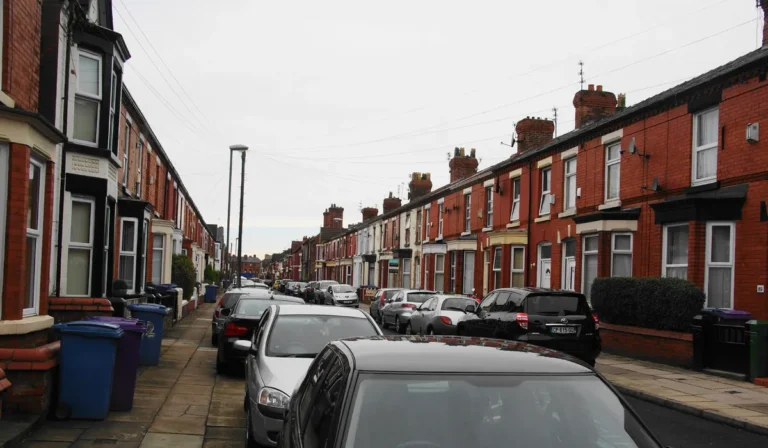
Liverpool has a large social housing sector and a lot of older housing stock, from Victorian terraces with solid brick walls to post war flats and maisonettes with concrete frames. Both bring their own Awaabs Law risks. Solid walls without cavities are prone to cold surfaces and condensation when heating is poor, while older flat roofs, failed gutters and cracked render let rain in. Many blocks share heating and ventilation systems that need regular checks.
The age of the stock also means Awaabs Law Phase 2 will be felt here. Older wiring, worn stairs in blocks, and pest problems linked to old drains and voids are all common across the city. Tenants and landlords who understand the deadlines and keep good records will resolve problems faster.
Our guide to housing disrepair in Liverpool covers the local picture in more detail, and we work across Liverpool, Merseyside, the Wirral and the wider North West.
Awaabs Law FAQs
What is Awaabs Law?
Awaabs Law is a set of legal requirements that make social landlords in England investigate and fix serious hazards within fixed timescales. It is named after Awaab Ishak, who died in 2020 after prolonged exposure to mould in his social rented home, and it has applied to damp, mould and emergency hazards since 27 October 2025.
When does Awaabs Law Phase 2 start?
Awaabs Law Phase 2 starts on 30 November 2026. It extends the same deadlines to a wider range of hazards in the Housing Health and Safety Rating System where they present a significant risk, such as electrical faults, pest infestations and unsafe stairs.
How long does my landlord have to investigate?
For an emergency hazard, the landlord must investigate and make the home safe within 24 hours of becoming aware. For a significant hazard, the landlord must investigate within 10 working days, send you a written summary within 3 working days of the investigation and carry out safety work within 5 working days of the investigation.
Does Awaabs Law apply to private renters?
Not yet. The Renters Rights Act 2025 allows the government to extend Awaabs Law to private rented homes, but separate regulations are needed and 2027 has been described as the earliest realistic start. Private tenants are still protected by the Homes Fitness for Human Habitation Act 2018 and by council enforcement.
Can I claim compensation if my landlord misses an Awaabs Law deadline?
Possibly. Awaabs Law is an implied term of social tenancies, so a breach can support a complaint to the Housing Ombudsman or a housing disrepair claim. Compensation depends on the facts, including how long the problem lasted and how it affected your health and belongings.
Will a survey help my Awaabs Law complaint?
Yes. An independent survey by a chartered surveyor records the hazard, measures damp, identifies the cause and lists the repairs needed. That evidence is useful for a complaint, an ombudsman case or a legal claim.
Get Independent Advice on Damp, Mould and Disrepair
ASG Consulting is regulated by RICS. Our chartered surveyors inspect homes across Liverpool, Merseyside and the North West, identify the cause of damp, mould and other hazards and write clear reports that tenants, landlords and solicitors can rely on. To arrange an inspection, visit our housing disrepair surveys page.
About the Author
Harry is a property content writer with 3 years of experience writing about building surveying, commercial property and property compliance in the UK. He writes the guides at ASG Consulting for buyers, tenants and landlords, turning survey practice into clear, practical advice.
Reviewed by Dave MacMillan MRICS, chartered surveyor at ASG Consulting. Dave checks the technical content of our guides against current RICS practice before they are published.
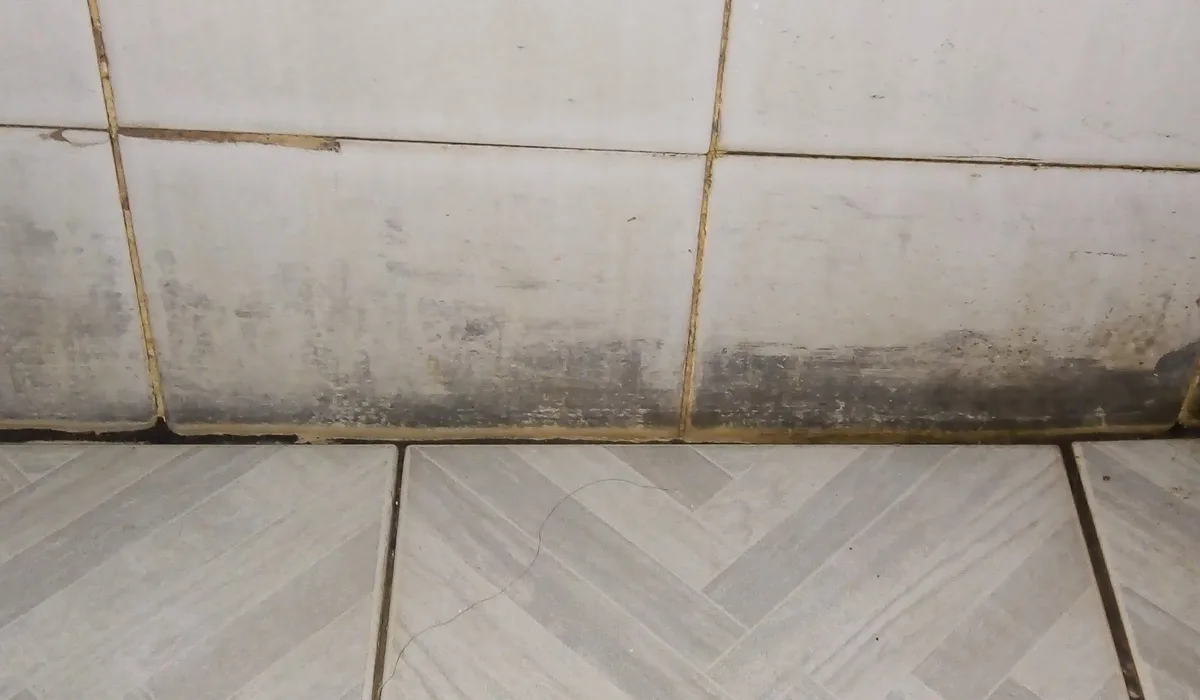
Featured photo of black mould on an indoor wall via Wikimedia Commons, public domain, cropped.