It usually starts small. A patch of damp on the bedroom ceiling that you tell yourself is probably just condensation. A window that won’t shut properly, so you shove a towel along the sill instead. A boiler that cuts out the second it rains, like it’s got a personal grudge against you.
You mention it to your landlord. They say they’ll sort it. Then… nothing. Weeks go by. The damp spreads a bit further up the wall. Your kid’s cough that should clear up on its own doesn’t. And you start wondering if this is just what renting in this city is like now something you’re meant to put up with.
You’re not meant to put up with it. And you’re nowhere near the only one dealing with it. Tenants describe some version of this exact scenario every single week.
Housing disrepair Liverpool tenants report most often follows a familiar pattern, and it’s one of the least talked-about problems in the local rental market. Whether you’re in a converted Victorian terrace in Toxteth or a newer flat near the city centre, the same issue crops up again and again: renters don’t know where they actually stand, and some landlords are quietly banking on that. So let’s fix that. This guide to housing disrepair Liverpool renters can actually rely on covers what disrepair legally means, what your rights are, and what genuinely helps when a landlord’s gone quiet on you.
What Counts as Housing Disrepair? A Liverpool Renter’s Guide
Not everything wrong with a rental counts, to be clear. A scuffed skirting board or a tired old carpet isn’t disrepair in the legal sense annoying, maybe, but not something you can force a landlord to act on.
What does count is anything affecting the structure, safety, or basic liveability of the property, where the landlord is responsible for fixing it and simply hasn’t. In practice, cases of housing disrepair Liverpool landlords get reported for tend to include:
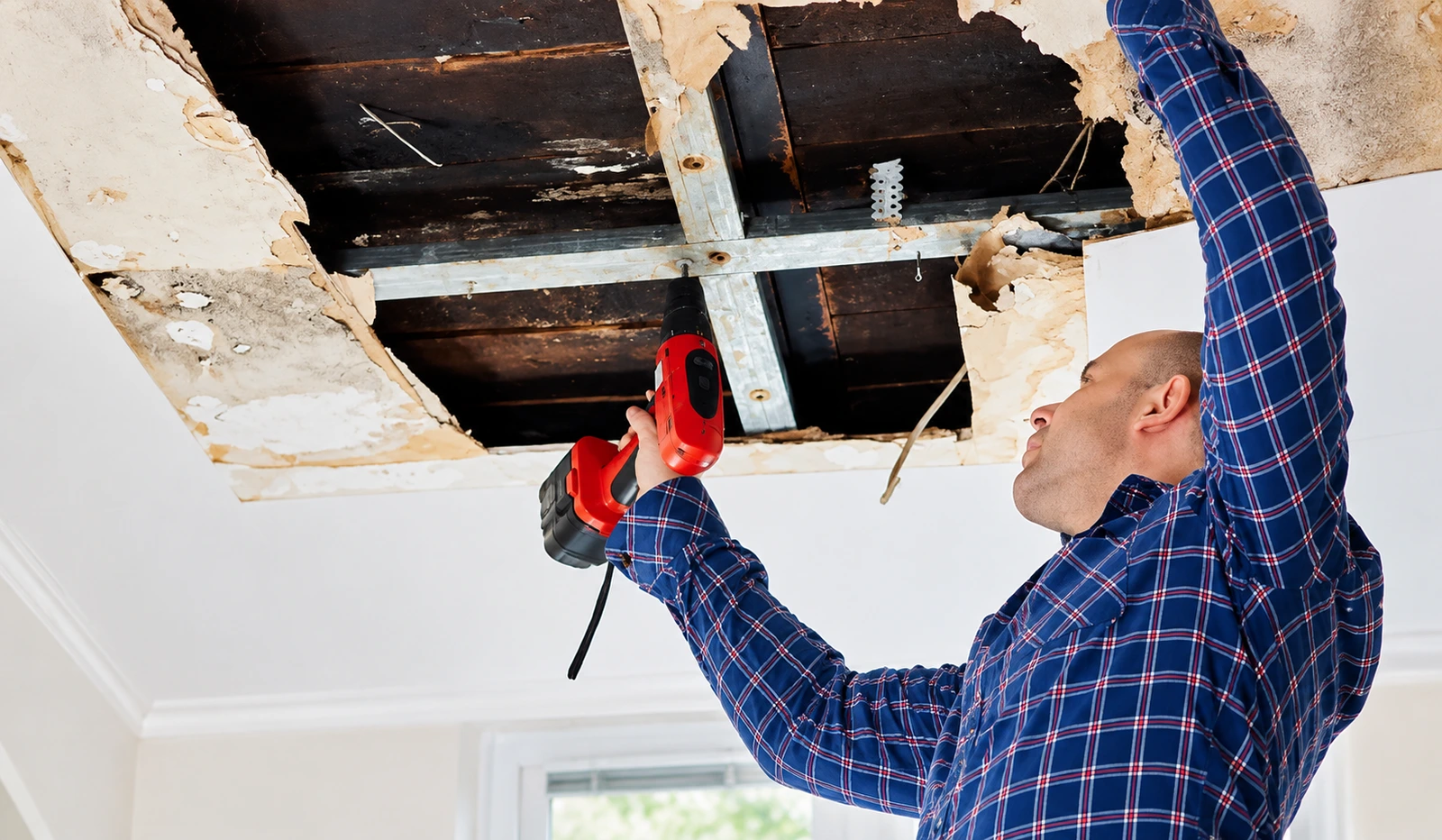
- Damp and mould genuinely common in the city’s older Victorian and Georgian conversions, and it’s not just unsightly, it’s a real health risk
- Heating or hot water that’s packed in, which becomes urgent fast once winter hits
- Faulty wiring, exposed cables, or a fuse box that’s clearly seen better days
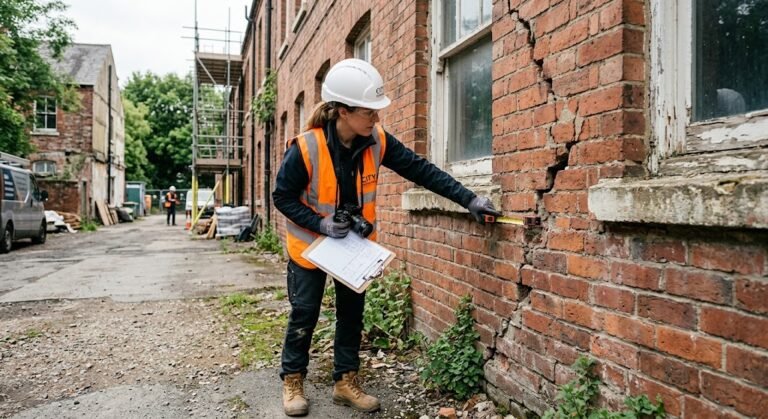
- Structural issues: cracked walls, subsidence, a roof that’s letting water in
- Pest problems that trace back to poor maintenance rather than anything the tenant’s done
- Windows or doors that won’t lock or seal properly, which is both a security issue and a why is it freezing in here issue
If a chunk of that list sounds a bit too familiar, you’re probably dealing with a genuine housing disrepair Liverpool case rather than routine wear and tear, and tenants have proper legal backing here. Most people just aren’t told about it until they’re already knee-deep in the problem. Recognising the pattern early is often the difference between a quick fix and a long, drawn-out housing disrepair Liverpool dispute.
Your Legal Rights as a Liverpool Tenant
Understanding housing disrepair Liverpool law starts with one piece of legislation: the Landlord and Tenant Act 1985. It legally requires landlords to keep the structure and exterior of a property in reasonable repair, along with the water, gas, electrics, heating, and sanitation. It doesn’t matter what your tenancy agreement says on the subject; this isn’t something a landlord can write their way out of. This single piece of legislation is the backbone of housing disrepair Liverpool law, and it’s worth knowing it exists even if you never need to quote it.
The Homes (Fitness for Human Habitation) Act 2018 pushed things further. It gives tenants the ability to take a landlord to court directly if the property is unfit to live in, rather than waiting around for the council to get involved on your behalf.
Councils, meanwhile, use something called the Housing Health and Safety Rating System (HHSRS) to grade hazards. Category 1 covers the serious stuff think severe mould or a staircase that’s an accident waiting to happen and if a council finds one, they’re obliged to make the landlord act.
Put simply: if you’ve told your landlord about the issue, given them a fair amount of time to deal with it, and they still haven’t, you very likely have grounds to escalate a housing disrepair Liverpool complaint, whether that’s through the council or a formal claim.
Why a Proper Survey Matters Before Things Get Worse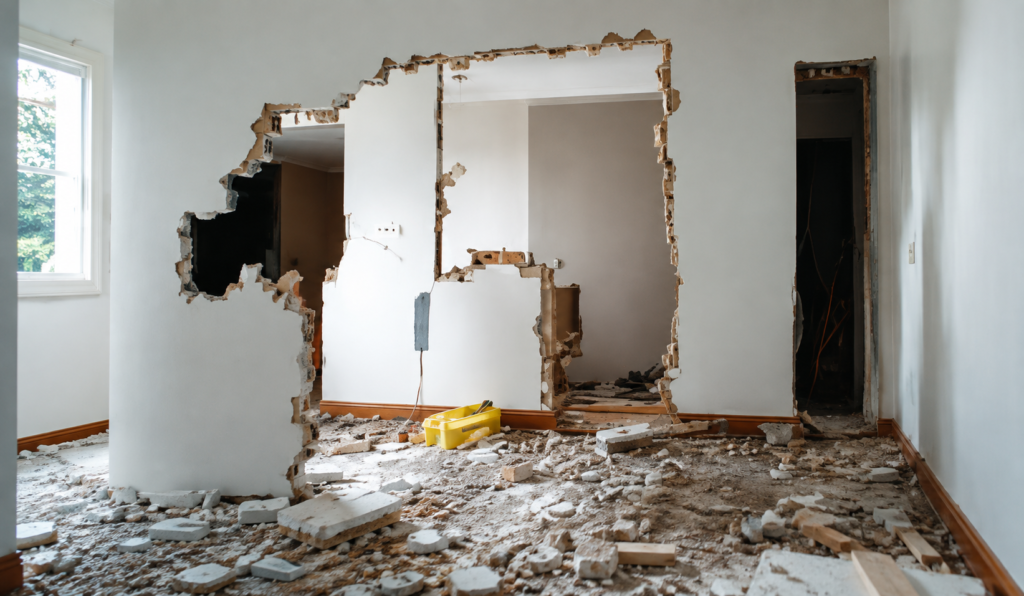
Here’s a bit people don’t think about until it’s already too late: whether you’re renting a place or buying one, a decent survey is often the only thing standing between catching it early and inheriting someone else’s nightmare. This is especially true when it comes to housing disrepair Liverpool buyers only discover after they’ve already moved in.
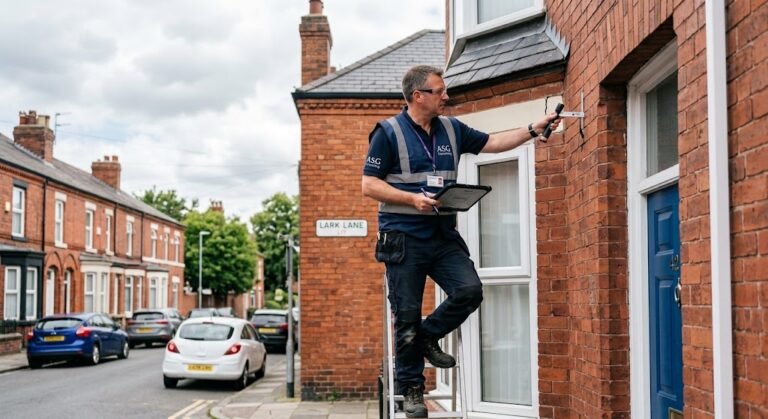
If you’re buying in Liverpool, a RICS homebuyer survey (you’ll also see it called a RICS homebuyers report) is genuinely one of the smarter bits of money you’ll spend before exchanging. A qualified building surveyor in Liverpool will go looking for exactly the kind of structural and damp problems mentioned above the stuff that doesn’t show up when you’re wandering round a viewing being shown the lovely light in the kitchen.
It’s worth being a bit fussy about who does it, too. Liverpool surveyors who actually know the local housing stock tend to catch far more than someone running through a generic checklist. A solid-wall Victorian terrace behaves completely differently to damp than a 2015 new-build does, and a RICS homebuyer survey and valuation from someone who understands that difference will flag things a standard mortgage valuation won’t even look for.
And if you’re already renting and suspect there’s more going on than what’s visible cracked plaster hiding movement in the wall behind it, say an independent survey can double up as solid evidence if you end up needing to make a housing disrepair Liverpool claim further down the line.
What to Actually Do If You’re Living With Housing Disrepair
Right, the practical bit. If this is happening to you right now, here’s what genuinely moves a housing disrepair Liverpool case along:
Put it in writing. Phone calls are easy to forget or deny. A text, email, or letter creates a record, and always follow up any phone conversation with something written, then keep every reply (or every silence).
Photograph everything. Photos and videos, dated if you can manage it, become genuinely useful if this goes further down the line. Note roughly when it started and how it’s changed since.
Give it a reasonable amount of time. Landlords are entitled to some window to sort repairs, though reasonable for a dead boiler in January is a very different clock to reasonable for a wonky cupboard door. This waiting period is part of nearly every housing disrepair Liverpool timeline, so don’t skip it even when you’re frustrated.
Bring in Liverpool City Council if nothing shifts. Their environmental health team can inspect the property under HHSRS and force the landlord’s hand where needed.
Look into a housing disrepair claim. If your landlord keeps ignoring it, you may be owed compensation on top of the repairs themselves. A lot of housing disrepair Liverpool claims in Liverpool run on a no-win-no-fee basis, so finding out where you stand doesn’t cost you anything upfront.
One thing worth saying clearly: don’t just stop paying rent out of frustration. It feels like leverage in the moment, but it can genuinely weaken your legal position later. Talk to a solicitor, or a tenants’ service like Shelter, before going down that road.
Final Thoughts
Housing disrepair Liverpool tenants face is more common than most people realise, and even though there’s a system in place to protect you, it can feel slow and confusing when you’re the one living with the damp or the cold. Whether that’s contacting the council, getting a proper survey done, or pursuing a housing disrepair Liverpool claim, getting the right support early on tends to make the whole thing move a lot faster, which is really the point of this housing disrepair Liverpool guide.
If your home is making you ill, unsafe, or just worn down from constantly chasing someone who won’t answer, that’s not something you’re supposed to just accept. The law’s actually on your side here. It just takes someone using it.
FAQs
How long does a landlord have to fix disrepair issues in Liverpool?
There’s no single fixed timeframe; it comes down to how serious the issue is. Genuine emergencies, like no heating in the middle of winter or a dangerous electrical fault, should really be dealt with within a day or two. Less urgent repairs are usually expected within a few weeks. Timeframes like these sit at the centre of most housing disrepair Liverpool disputes, so it’s worth knowing them before you need them. If your landlord’s dragging their feet well beyond what’s reasonable for the problem, that’s your cue to escalate.
Can I be evicted for reporting housing disrepair?
No, that’s known as revenge eviction, and it’s against the law. A landlord can’t legally serve a valid Section 21 notice within six months of certain council enforcement action taken against them, which exists specifically to stop tenants being punished for speaking up about genuine disrepair.
How common are housing disrepair Liverpool claims?
More common than you’d think, particularly in the city’s older housing stock. Many cases start with a written complaint and council involvement before ever becoming a formal claim, so reporting the issue properly early on matters more than people realise.
Do I need a solicitor to make a housing disrepair claim?
Not right away, no. A lot of cases start with nothing more than a written complaint and getting the council involved. But if your landlord’s still not responding after that, a solicitor who specialises in housing disrepair claims, often working no-win-no-fee, can make a real difference to how quickly things move.
Is a homebuyer survey worth it if the property looks fine on the day?
Yes, honestly. The most expensive problems damp hiding behind plaster, roof timber that’s quietly rotting, subsidence rarely show up on a normal viewing. That’s the whole point of a RICS homebuyer survey: catching what you can’t see before you’re legally committed to buying.
What’s the actual difference between a homebuyer survey and a full building survey?
A homebuyer survey (RICS Level 2) works fine for a fairly standard property in reasonable nick. A full building survey (RICS Level 3) goes into a lot more depth, and it’s the better call for older or more unusual properties, which Liverpool has plenty of, where a closer structural look is worth paying a bit extra for.