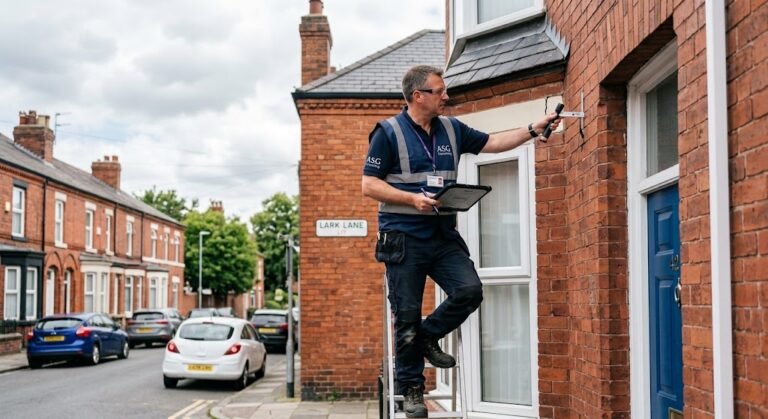
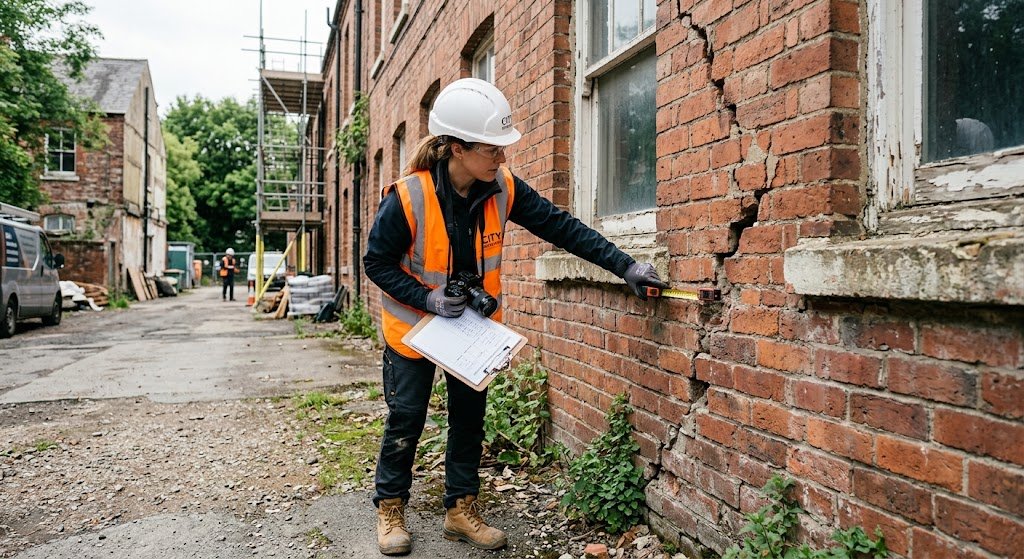
Most people don’t think about defects in buildings until something goes wrong. A door that won’t close properly. A damp patch that keeps coming back no matter how many times you paint over it. A hairline crack that, three years later, isn’t so hairline anymore. And by then, honestly, the fix usually costs a lot more than it would have if someone had caught it early.
I’ve spent years around property inspections and surveys, and if there’s one thing that surprises clients every single time, it’s this: defects in buildings are rarely the dramatic, obvious kind you see on TV. They’re slow. They’re quiet. They creep in through poor drainage, cheap materials, or a builder who cut a corner nobody noticed at the time.
Table of Contents
- Why Defects in Buildings Are the Problem Everyone’s Googling About
- Why Building Pathology Matters More Than People Realise
- How Proper Surveys Solve the Defects Problem
- A Real Scenario Worth Knowing About
- Things to Consider Before You Ignore That Small Crack
- FAQs People Also Ask
- Final Thoughts
Why Defects in Buildings Are the Problem Everyone’s Googling About
Search “defects in buildings” and you’ll find thousands of pages, but here’s what most of them don’t tell you: the problem isn’t just that defects exist. It’s that they go unnoticed for years. Buyers skip proper surveys to save a few hundred pounds. Landlords patch things up instead of investigating root causes. And sellers? Well, some genuinely don’t know their property has issues at all.
The UK housing stock is old. A huge chunk of it was built before modern damp proofing, before cavity wall insulation standards, before anyone thought seriously about thermal bridging. So when we talk about defects in buildings, we’re not talking about rare, unlucky cases. We’re talking about something closer to the norm than the exception.
Think about it this way. Would you buy a car without checking the engine? Probably not. Yet people buy houses worth hundreds of thousands of pounds based on a five-minute walkthrough and a nice kitchen. That’s the gap a proper defect survey is meant to close.
Why Building Pathology Matters More Than People Realise
Building pathology, in plain English, is basically diagnosing what’s wrong with a structure and why. It’s part detective work, part science. And it matters because guessing at the cause of a problem usually leads to fixing the symptom, not the source.
If you’re dealing with recurring dampness and you just repaint the wall, you haven’t solved anything. You’ve delayed the conversation. The team at ASG Consulting approaches this properly through detailed building pathology and defect analysis, tracing issues back to their actual origin rather than treating the paint job as a cure.
Structural Defects vs Cosmetic Issues
Not every crack means the house is falling down (I promise, most don’t). But telling the difference between a cosmetic crack and a genuine structural defect takes trained eyes. Structural movement, subsidence, and foundation settlement all show up differently, and mixing them up can be an expensive mistake in either direction.
Damp, Mould and the Hidden Cost of Ignoring Them
Dampness is probably the most common defect surveyors encounter. Rising damp, penetrating damp, condensation, they all look similar on the surface but need completely different remedies. Get the diagnosis wrong, and you could spend thousands on damp proofing that never actually fixes the underlying ventilation problem.
How Proper Surveys Solve the Defects Problem
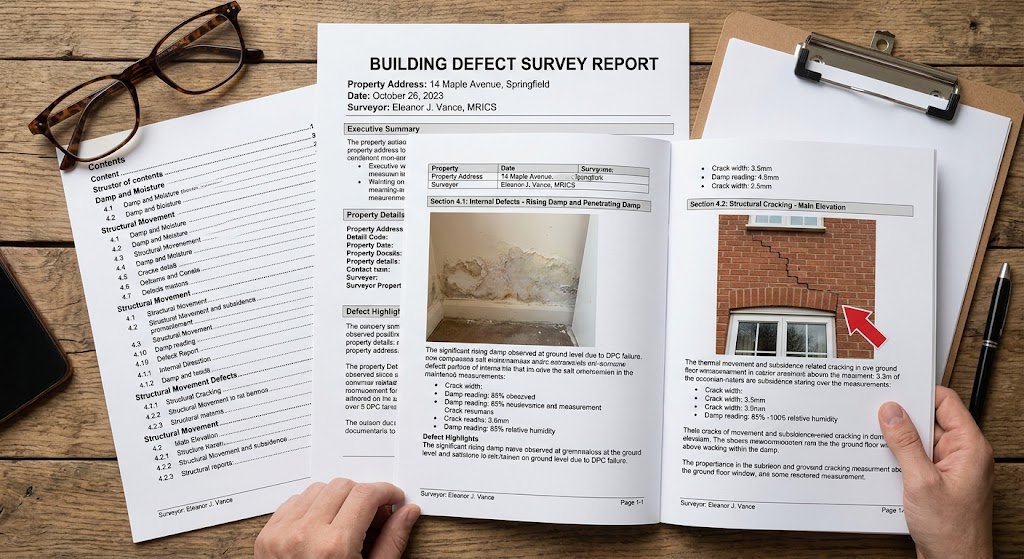
Here’s the honest truth: you can’t fix what you haven’t properly identified. That’s really the whole point of a defect survey. It’s not about ticking boxes for a mortgage lender (though yes, that matters too). It’s about knowing exactly what you’re dealing with before you spend a single penny on repairs.
A good survey typically covers:
- Roof coverings, flashings and guttering
- Wall structures, whether solid, cavity, or timber frame
- Damp readings across multiple points, not just one spot
- Drainage and its relationship to nearby foundations
- Signs of past repairs that might be hiding something worse
This is exactly where a dedicated building defect survey earns its cost back many times over. It gives you a document you can actually negotiate with, whether that’s asking a seller to reduce the price or getting a builder to fix something under warranty instead of you paying for it yourself.
A Real Scenario Worth Knowing About
A colleague once told me about a Victorian terrace in Liverpool where the buyer noticed a small crack above the bay window. Nothing dramatic. The estate agent brushed it off as “just settlement, very normal for a house this age.” Sounds reasonable, right?
Except a proper inspection found the crack was linked to a leaking downpipe that had been saturating the ground beneath one corner of the foundation for years. Not dramatic subsidence, but enough movement to matter, and enough to be genuinely dangerous if left another five or ten years. The fix, once diagnosed correctly, cost a fraction of what a full underpinning job would have. This is precisely the kind of thing covered in this detailed piece on spotting defects before they escalate, which honestly is worth a read if you want to understand how small clues connect to bigger problems.
Things to Consider Before You Ignore That “Small” Crack
Not all defects are equal, and not all of them need panic. But here’s a rough way to think about it:
Cosmetic and low risk: hairline plaster cracks, minor paint flaking, small gaps around skirting boards. Annoying, not urgent.
Moderate concern: recurring damp patches, doors sticking seasonally, cracked render in specific spots. Worth investigating properly, don’t just paint over it.
Serious, needs immediate attention: stepped cracks in brickwork, visible sagging in roof lines, doors and windows that suddenly won’t close at all. These are the ones where you call someone straight away, not next month.
The tricky part? Sometimes a serious defect looks minor at first glance. That’s genuinely the whole reason professional inspections exist.
FAQs People Also Ask
How long does a builder have to fix defects in the UK?
It depends on the contract and the type of defect. Under most standard building contracts, there’s a defects liability period, usually six to twelve months, during which the builder must fix issues at no extra cost. For new builds under NHBC warranty, structural defects can be covered for up to ten years.
What are some examples of defects?
Common ones include rising damp, cracked brickwork, roof leaks, faulty guttering, poor insulation causing condensation, subsidence, and inadequate ventilation leading to mould growth.
What are the top 3 defects?
Based on what surveyors see most often, dampness, structural cracking, and roofing issues (leaks, missing tiles, poor flashing) top the list consistently across UK properties, old and new.
What is considered a building defect?
Broadly, it’s any fault in design, materials, or workmanship that affects a building’s safety, function, or appearance. This ranges from a leaking pipe to a genuine structural weakness.
Final Thoughts
Defects in buildings aren’t something to lose sleep over, but they’re definitely not something to ignore either. The properties that age well aren’t the ones without problems, they’re the ones where problems got caught early and dealt with properly. That’s really the whole point.
If you’re buying, selling, or just worried about that crack you’ve been staring at for months, get someone qualified to look at it before it becomes a bigger, pricier headache. Sometimes peace of mind is worth more than the survey fee itself.
Damp and rot are two of the defects we see most. Our guide to damp and timber surveys explains when you need a specialist inspection.