Searching for a property surveyor near me usually happens at a stressful moment, when an offer has been accepted and the mortgage clock is ticking. The results page is full of local firms, national brands and comparison sites, and they all promise the same thing. Choosing well matters, because the property surveyor you book will shape what you know about the biggest purchase you are likely to make.
This guide is built as a choosing guide for buyers. It compares local firms, national firms and comparison sites side by side, explains which survey level you need and what it costs in 2026, sets out five checks to run before you book, and lists the questions that reveal whether a property surveyor is the right fit. It is written for buyers, homeowners and landlords in Liverpool, Merseyside and the North West.
In this guide
- What a property surveyor does
- Why local matters
- Local firm, national firm or comparison site
- Which survey level you need
- What each level covers
- Five checks before you book
- Questions to ask
- What happens after you book
- How to read your report
- Specialist reports
- Landlords and investors
- Red flags
- Property surveyor near me in Liverpool
- FAQs
What a Property Surveyor Does
A property surveyor inspects a home and reports on its condition, so you know about defects, repairs and risks before you commit to buying. Most residential surveys in England follow the RICS Home Survey Standard, which sets out three levels of survey with different depths of inspection and reporting.
A survey is not the same as a mortgage valuation. The valuation is carried out for your lender, to confirm the property is worth what they are lending. It is usually a short inspection and says very little about condition. A property surveyor working for you looks at the building in far more detail and reports to you, not the bank.
Surveys are still underused. Countrywide Surveying Services reported that only 10.6 per cent of homebuyers instructed a home condition survey in the second quarter of 2024, although the North West had the highest uptake in England and Wales for both Level 2 and Level 3 surveys.
Why a Property Surveyor Near You Matters
When you search for a property surveyor near me, you are not just looking for convenience. Local knowledge changes the quality of the survey.
- House types. A surveyor who inspects Liverpool terraces every week knows where they typically fail, from rear extensions and chimney breasts to solid walls and cement pointing.
- Ground and area risks. Local surveyors know which areas sit on clay, which have a mining history and where flooding or subsidence claims are more common.
- Speed. Less travel means more flexible appointments and faster reports, which matters when your exchange date is close.
- Accountability. A local firm depends on its local reputation and reviews, and is easy to contact after the report.
A local property surveyor can also tell you what typical repairs cost in your area, which is useful if you need to renegotiate after the survey. They will also know the local builders, roofers and damp specialists who can quote for the work, and how long those trades are typically booked up for, which helps you plan repairs before you move in rather than after.
Local Firm, National Firm or Comparison Site
There are three common ways to book a survey. The table below compares them.
| Local independent firm | National firm | Comparison or panel site | |
|---|---|---|---|
| Who inspects | A named local surveyor | A surveyor from the regional team | Whichever member firm wins the quote |
| Local knowledge | Usually strong | Varies by region | Varies by firm |
| Price | Competitive, often fixed | Often standardised | Easy to compare several quotes |
| Talking to the surveyor | Usually easy, direct line | Sometimes via a call centre | Depends on the firm chosen |
| Best for | Older homes, local issues, direct advice | Standard homes, wide coverage | Quick price comparison |
Comparison sites are useful for seeing the range of prices, but always check which firm and which property surveyor will actually carry out the inspection before you pay.
Which Survey Level Do You Need
The RICS Home Survey Standard sets out three levels. Choosing the right one matters more than choosing the cheapest surveyor.
| Survey | Best for | Typical 2026 cost |
|---|---|---|
| Level 1, condition report | Newer homes in good condition | 300 to 450 pounds |
| Level 2, HomeBuyer survey | Conventional homes in reasonable condition | 450 to 650 pounds for homes valued between 100,000 and 250,000 pounds |
| Level 3, building survey | Older, larger, altered or run down homes | 700 to 950 pounds for homes valued between 100,000 and 250,000 pounds |
Costs are indicative ranges from HouseCheckup, compiled from HomeOwners Alliance and reallymoving data in July 2026, and rise with the value of the home. Many Liverpool terraces and interwar semis are old enough to justify a Level 3 survey. Our guides to the full home buyers survey and what a Level 3 survey is explain the differences in more detail.
What Each Survey Level Covers
The three levels differ in how deep the inspection goes and how much advice you receive.
- Level 1. A condition report that rates the main parts of the home using a traffic light system. It is short and suits newer homes where you mainly want reassurance.
- Level 2. A more detailed inspection that adds advice on repairs and ongoing maintenance, and can include a market valuation and insurance reinstatement figure. It suits conventional homes in reasonable condition.
- Level 3. The most detailed survey, with a thorough inspection and fuller explanation of defects, their likely causes, repair options and how urgent they are. It suits older, larger, altered or run down homes, and anyone planning major works.
If you are unsure, describe the property to the surveyor and ask which level they would choose for their own family. The answer is usually telling.
Five Checks Before You Book a Property Surveyor
These five checks take about ten minutes and filter out most poor choices.
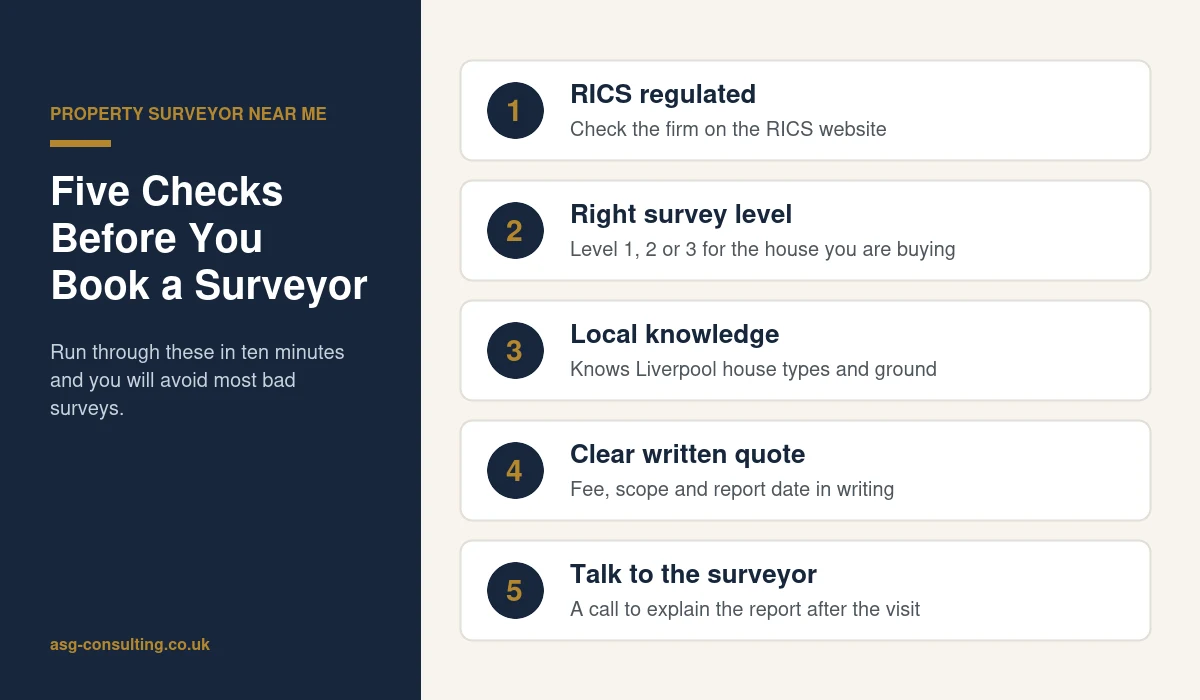
- Check the firm is regulated by RICS. RICS regulated firms must follow professional standards, hold insurance and offer a complaints process. You can check a firm or member on the RICS find a member service, and RICS explains the protections in its consumer guide to RICS regulated protection.
- Book the right survey level. Match the survey to the age, size and condition of the home, not just the price.
- Look for local knowledge. Ask how often the property surveyor inspects homes like yours in your area.
- Get a clear written quote. It should show the fee including VAT, the survey level, what is excluded, the inspection date and when the report will arrive.
- Make sure you can talk to the surveyor. A short call after the report is often more valuable than the report itself, especially if repairs need to be priced.
Questions to Ask a Property Surveyor Before You Book
A good property surveyor will be happy to answer these questions. Vague answers are a warning sign.
- Who will carry out the inspection, and are they an RICS member?
- How many surveys like this have you carried out in this area?
- Which survey level would you recommend for this property, and why?
- Will you inspect the loft, and do you lift any floor coverings or use a moisture meter?
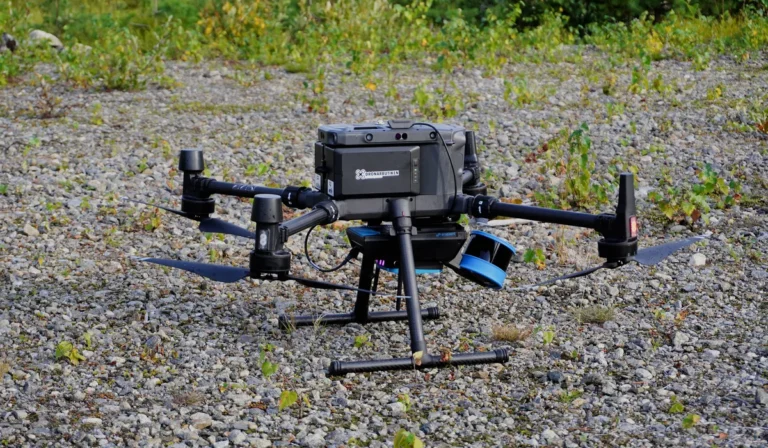
- Do you use a drone or camera pole to look at the roof and chimneys?
- When will I receive the report, and can I call you to discuss it?
- Does the fee include VAT and any travel costs?
- Do you have any connection with the estate agent selling the property?
The last question matters. A surveyor recommended by the selling agent is not necessarily a problem, but you should know about any relationship before you rely on the report.
What Happens After You Book
Knowing the timeline helps you plan around your mortgage offer and exchange date.
- Booking. You confirm the survey level, sign the terms of engagement and pay the fee or deposit.
- Access. The surveyor arranges access with the estate agent or seller. This is often the slowest step, so chase it if needed.
- Inspection. A Level 2 survey on a typical house usually takes a few hours on site, while a Level 3 survey takes longer.
- Report. The written report usually follows within a few working days, depending on the level and the firm.
- Discussion. A call with the property surveyor helps you understand the urgent items, the likely costs and whether you need further investigations.
If the survey finds significant problems, our guide to renegotiating after a survey explains how to use the findings with the seller.
How to Read Your Survey Report
Most RICS home survey reports use condition ratings to show how serious each issue is.
- Condition rating 3 means a defect that is serious or needs to be repaired, replaced or investigated urgently. Read these first and ask for quotes before you exchange.
- Condition rating 2 means a defect that needs repairing or replacing but is not considered serious or urgent. Budget for these over the coming months.
- Condition rating 1 means no repair is currently needed, although normal maintenance should continue.
Reports also include a section of issues for your legal adviser, such as missing building control approvals or guarantees, and a section on risks to the building, the grounds and people. Pass the legal points to your solicitor straight away, because they may need answers from the seller before exchange.
Specialist Reports Your Surveyor May Recommend
A good survey sometimes ends with a recommendation for further investigation. This is not the surveyor avoiding responsibility. It means a specialist needs to look at something the survey cannot fully assess.
- A structural engineer for significant cracks, bulging walls or removed walls with no paperwork. Our guide to residential structural engineers explains the next steps.
- A CCTV drain survey where drains are old, slow or close to cracking.
- An electrician for an electrical installation condition report on older wiring.
- A Gas Safe engineer to check the boiler and gas appliances.
- A damp and timber specialist where there are signs of damp, rot or woodworm.
Book these quickly. They can usually be done within days, and the findings may change the price you are willing to pay.
Surveys for Landlords and Investors
Landlords and investors need slightly different information from a survey. As well as condition, they need to know about future maintenance costs, licensing requirements, fire safety in shared houses and how the property will cope with tenants over many years.
If you are buying a rental property or a small portfolio, tell the surveyor how you plan to use it. A Level 3 survey with a clear list of costed repairs, or a pre acquisition survey for larger purchases, gives you a realistic picture of the return. Our guide to pre acquisition surveys explains how this works for investors.
Red Flags When Choosing a Property Surveyor
Be cautious if you see any of the following when searching for a property surveyor near me.
- A price far below everyone else with no clear explanation of what is included.
- No mention of RICS regulation or professional indemnity insurance.
- No way to speak to the surveyor before or after the inspection.
- A report delivered within hours of the visit with very little detail specific to the property.
- Pressure to book a lower level of survey than the property needs.
- Reviews that mention missed defects, unanswered calls or reports copied from templates.
Reviews are useful, but read the detailed ones. Look for comments about the quality of the report and how well the surveyor explained it, not just speed and price. Google reviews, Trustpilot and RICS complaint records together give a far more rounded picture than any single star rating, especially for a firm you have never used before.
Property Surveyor Near Me in Liverpool and Merseyside
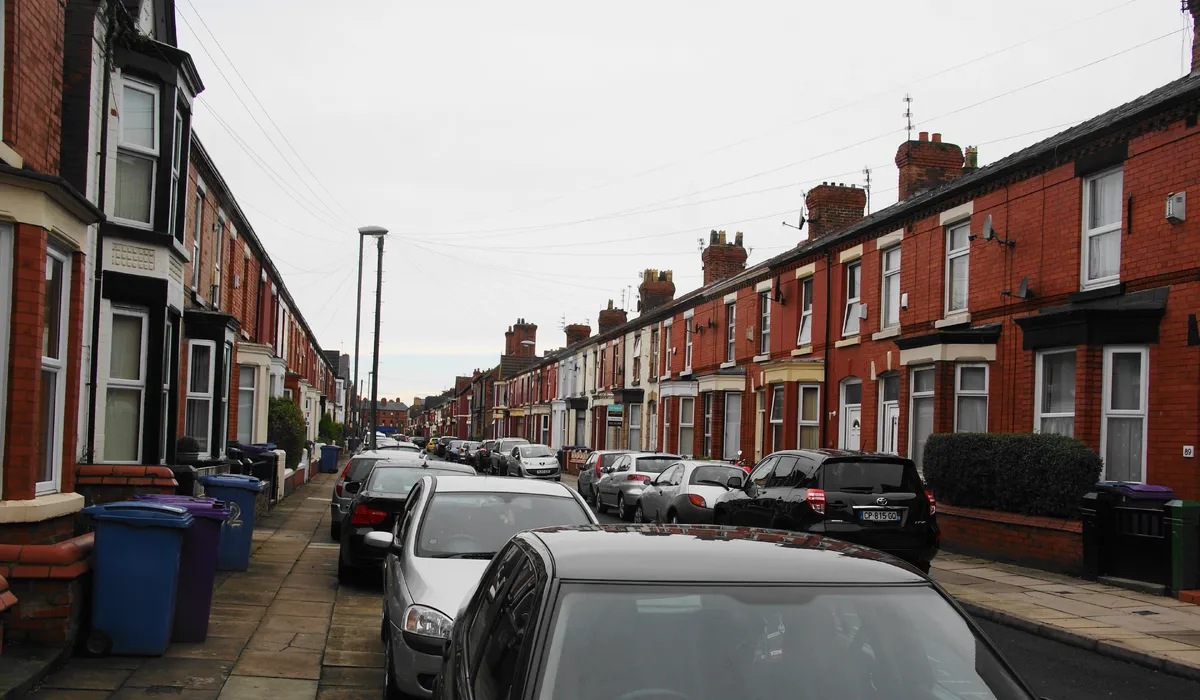
If you are searching for a property surveyor near me in Liverpool, local housing types are the main reason to choose carefully. Victorian and Edwardian terraces in areas such as Anfield, Walton, Kensington and Wavertree often have altered chimney breasts, rear extensions and cement pointing on soft brick. Interwar semis across the suburbs commonly show movement at bay windows and wear on original roofs. Converted flats and new build apartments in the city centre raise questions about fire safety, cladding and leases.
Our surveyors cover Liverpool, Merseyside, the Wirral, Cheshire, Manchester and the wider North West, as set out on our areas we cover page. A property surveyor who knows these streets can give clearer advice on which defects are typical, which are serious and what they are likely to cost to fix.
Property Surveyor Near Me FAQs
How do I find a good property surveyor near me?
Start with RICS regulated firms that cover your area, check the RICS find a member service, compare two or three written quotes and ask who will carry out the inspection. Local experience with your type of property is a strong advantage.
How much does a property surveyor cost?
HouseCheckup puts typical 2026 costs at 300 to 450 pounds for a Level 1 report, 450 to 650 pounds for a Level 2 survey and 700 to 950 pounds for a Level 3 survey on homes valued between 100,000 and 250,000 pounds. Costs rise with the value and size of the home.
Is a mortgage valuation enough?
No. A mortgage valuation is carried out for the lender and says very little about the condition of the property. A survey by your own property surveyor tells you about defects and repairs.
Should I use the surveyor recommended by the estate agent?
You can, but ask whether the agent has any connection with the firm. Many buyers prefer an independent property surveyor with no link to the sale.
How long does a survey take?
The inspection usually takes a few hours for a Level 2 survey and longer for a Level 3 survey. The written report typically follows within a few working days.
Can I attend the survey?
Usually yes, with the agreement of the seller. Many surveyors prefer to inspect alone and then talk you through the findings at the end of the visit or by phone, which gives them time to look at everything carefully.
Do I need a survey on a new build home?
A new build home still benefits from an independent inspection. A snagging inspection before completion picks up unfinished or poor quality work, and the builder warranty does not cover every defect. Ask the surveyor what their new build inspection includes and when it should take place.
Book a Property Surveyor in Liverpool
ASG Consulting is regulated by RICS. Our chartered surveyors carry out Level 2 and Level 3 home surveys across Liverpool, Merseyside and the North West, with a clear written quote and the chance to talk the findings through with the surveyor. To book, visit our residential building surveying page.
About the Author
Harry is a property content writer with 3 years of experience writing about building surveying, commercial property and property compliance in the UK. He writes the guides at ASG Consulting for buyers, tenants and landlords, turning survey practice into clear, practical advice.
Reviewed by Dave MacMillan MRICS, chartered surveyor at ASG Consulting. Dave checks the technical content of our guides against current RICS practice before they are published.
Featured photo of terraced houses in Wavertree, Liverpool by Bill Boaden via Wikimedia Commons, licence CC BY SA 2.0, cropped.