A residential structural engineer is a specialist who assesses and designs the load bearing parts of a home, such as foundations, walls, beams, floors and roofs. Most people only meet one at a stressful moment, usually when a homebuyer survey comes back with a line saying refer to a structural engineer, and the purchase suddenly feels uncertain.
This guide is built around that moment. It explains what a residential structural engineer does, how it differs from your surveyor, the seven steps to take when your survey flags a structural concern, what happens during a structural engineer house survey, what the report will tell you and what it costs in 2026. It also covers the times homeowners need an engineer for their own projects. It is written for buyers, homeowners and landlords across Liverpool, Merseyside and the North West.
In this guide
- What a residential structural engineer does
- Surveyor or structural engineer
- When your survey says refer
- Seven steps after a survey flags a concern
- What happens during the visit
- What the report tells you
- Questions to ask the engineer
- Typical repairs after the report
- Costs in 2026
- Common problems investigated
- When homeowners need one
- How to choose an engineer
- Liverpool and Merseyside homes
- FAQs
What a Residential Structural Engineer Does
A residential structural engineer looks at how a house carries its own weight and the loads placed on it, and whether that structure is sound. The work falls into two broad areas.
- Inspection and diagnosis, which means looking at cracks, distortion, sagging or movement, working out the cause and saying whether it is serious.
- Design, which means producing calculations and drawings for structural changes such as removing a wall, building an extension or converting a loft.
For buyers, the first area matters most. The engineer answers one question that a general survey cannot fully answer, which is whether a defect is historic and stable or active and getting worse, and what it will take to put right.
Surveyor or Residential Structural Engineer
A chartered surveyor and a residential structural engineer often work on the same house, but they do different jobs.
| Chartered surveyor | Residential structural engineer | |
|---|---|---|
| Scope | The whole property, from roof to drains | The load bearing structure only |
| Typical report | RICS Level 2 or Level 3 home survey | Inspection letter or structural report |
| Main question | What condition is the property in overall | Why is this part of the structure moving and how serious is it |
| When you need it | Before buying almost any home | When the survey or your own eyes raise a structural concern |
| Design work | Not normally | Yes, calculations and drawings for alterations |
The two reports work best together. A full home buyers survey gives you the complete picture of the property, and a structural engineer house survey then investigates the specific issues it flags in more depth.
When Your Survey Says Refer to a Structural Engineer
RICS home surveys use condition ratings. Condition rating 3 is the most serious, and it covers defects that are serious or that need to be repaired, replaced or investigated urgently. When a surveyor gives a structural element a condition rating 3 and recommends further investigation, they are telling you the issue needs a specialist opinion before you commit.
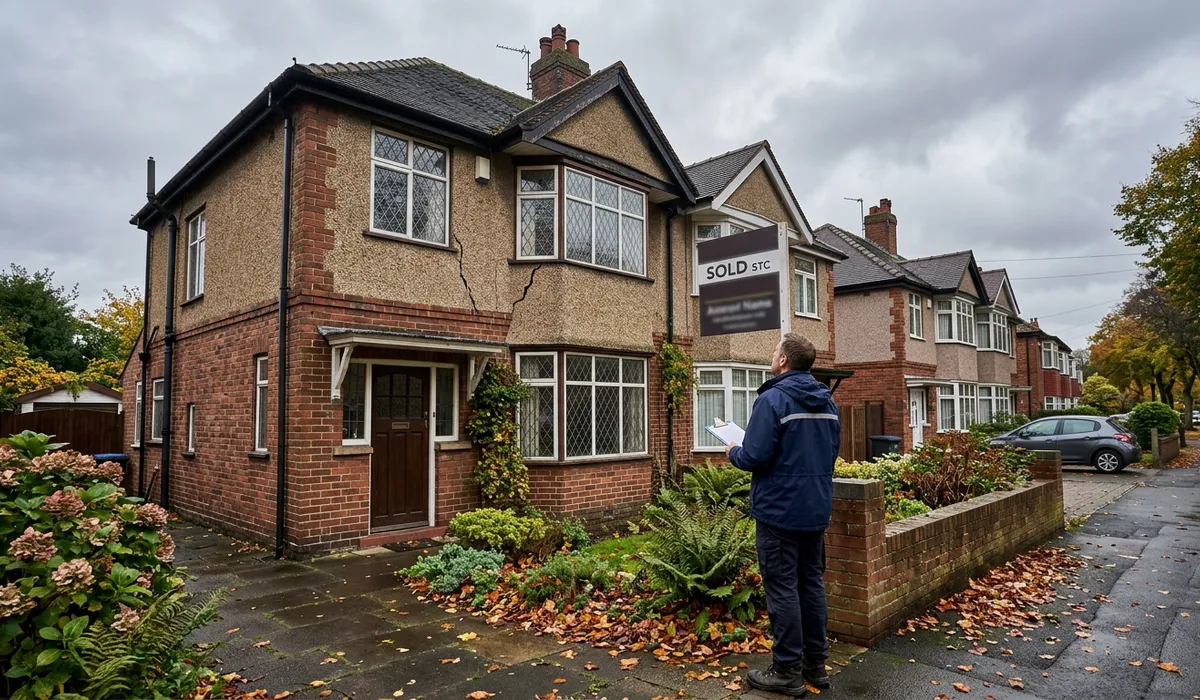
Common reasons for a referral to a residential structural engineer include cracks wider than a few millimetres, cracks that appear inside and outside in the same place, bulging or leaning walls, sloping floors, a sagging roof line, signs of movement around bay windows and alterations such as removed walls or chimney breasts with no paperwork.
A referral is not a verdict. Many cracks turn out to be old, stable and cheap to repair. The point of the referral is to replace uncertainty with facts while you still have the freedom to renegotiate or walk away. Mortgage lenders sometimes reach the same conclusion through their own valuation and hold back part of the loan until a structural report is provided.
Seven Steps After a Survey Flags a Structural Concern
Speed and order matter once a concern is raised, because your purchase timetable keeps moving. These seven steps keep you in control.
- Read the exact wording. Note which element the surveyor flagged, where it is and what they recommend. Ask your surveyor to explain anything that is unclear.
- Tell your solicitor and do not exchange. Exchange of contracts is the point at which you become legally committed, so it should wait for the engineer.
- Book a residential structural engineer quickly. Send them the survey extract, photographs and the address so they can quote accurately and plan the visit.
- Arrange access through the agent. The seller has to agree to the visit. Ask whether any monitoring, previous reports, guarantees or building control certificates exist.
- Attend the visit if you can. Hearing the engineer talk through the cracks on site is often more useful than the written report alone.
- Read the conclusion first. Look for whether movement is historic or active, the likely cause, the repair needed and whether monitoring is recommended.
- Decide and negotiate. Get quotes for the repairs the engineer specifies and use them to agree a price reduction, a repair before completion or a decision to walk away.
Our guide on renegotiating after a house purchase survey explains how to use repair costs to agree a fair price with the seller.
What Happens During a Structural Engineer House Survey
A structural engineer house survey is usually a focused visit lasting an hour or two, aimed at the issues raised in your survey rather than the whole building. A residential structural engineer will normally do the following.
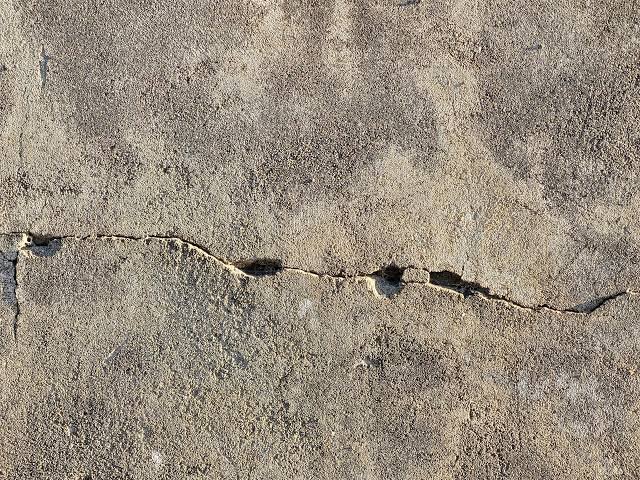
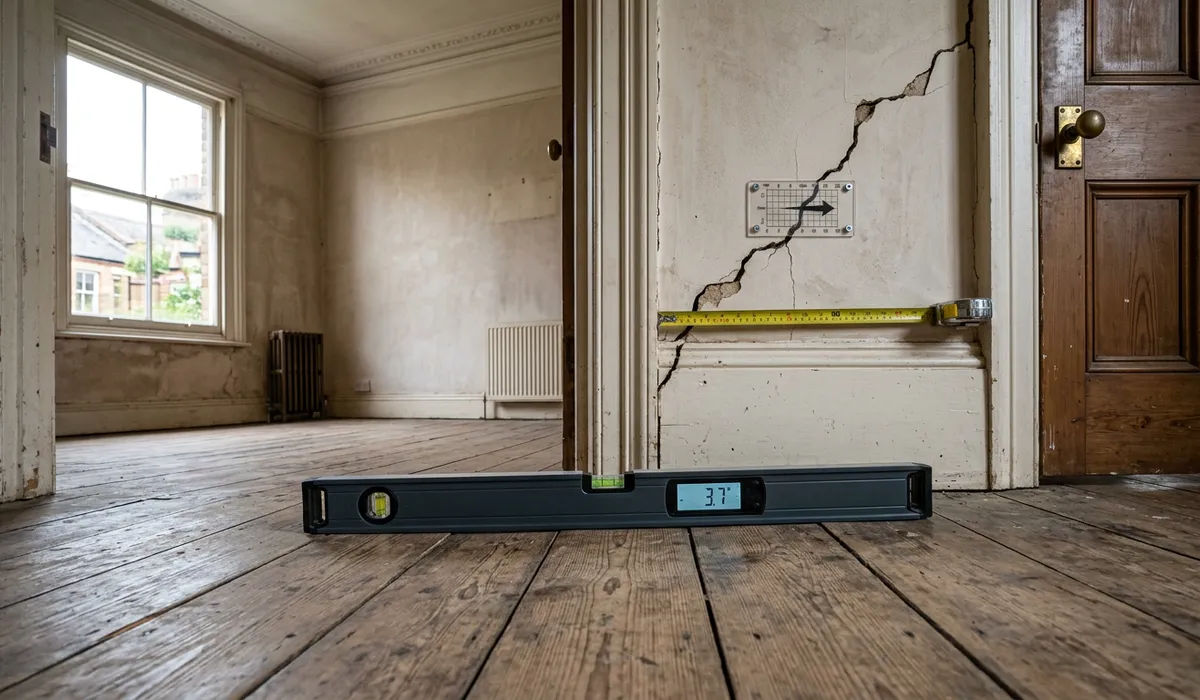
- Map the cracks inside and outside, measuring their width, length and direction.
- Check walls for bulging and leaning with a level or plumb line.
- Measure floor levels to see whether one part of the house has dropped.
- Look at doors and windows that stick, which can show recent movement.
- Inspect the roof structure and loft where sagging or spreading is suspected.
- Note nearby trees, drains, slopes and extensions that could affect the ground.
- Check alterations such as removed walls and chimney breasts for adequate support.
A single visit cannot always prove whether movement is still happening. Where the evidence is unclear, the engineer may recommend crack monitoring over several weeks or months, a CCTV drain survey or trial pits to look at the foundations. If ground movement is the concern, our guide to subsidence surveys explains those further steps in detail.
What the Report Tells You
A good report from a residential structural engineer gives you a clear answer, not just a description of the cracks. It should cover the following points in plain language.
- The cause of the movement or defect, or the most likely causes if more investigation is needed.
- Whether it is historic or active, which is the single most important point for a buyer.
- How serious it is, often using a recognised crack damage category.
- What repairs are needed, such as crack stitching, a new lintel, restraint straps, drain repairs or, rarely, underpinning.
- Whether monitoring is advised before repairs are carried out.
- Any implications for insurance, especially where subsidence is suspected.
Share the report with your solicitor and lender. If the seller has their own report, compare the two conclusions, and ask your engineer to comment if they disagree.
Questions to Ask the Residential Structural Engineer
The visit is your best chance to understand the issue, so go prepared. These questions help you get answers you can act on.
- Is the movement historic, active or impossible to tell without monitoring?
- What is the most likely cause, and how confident are you?
- What repair do you recommend, and is it urgent or can it wait until after completion?
- Roughly what level of repair cost should I expect?
- Would this affect buildings insurance or a future sale?
- Is there anything the seller should provide, such as previous reports, guarantees or certificates?
- When will the written report be ready?
A residential structural engineer cannot give you a contractor quote, but most can tell you whether the repair is a few hundred pounds of crack stitching or a far larger job. That early steer helps you decide whether to keep paying legal fees while the report is written.
Typical Repairs After the Report
Most reports end with a short list of repairs. The common ones fall into a few groups.
- Cosmetic repairs, such as filling and redecorating fine cracks once the engineer confirms the movement is historic.
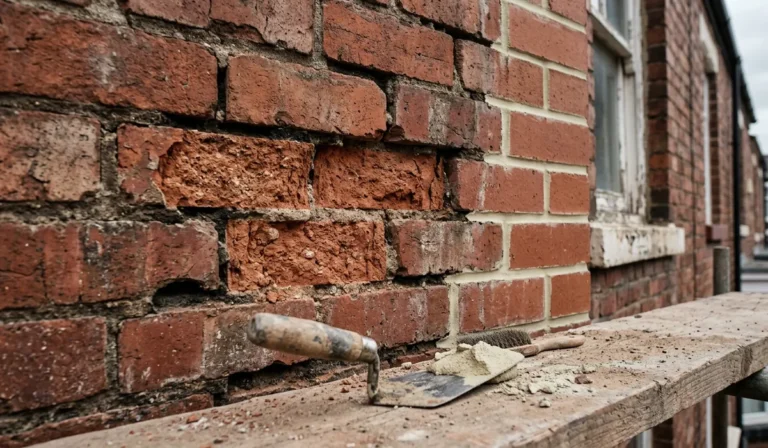
- Masonry repairs, such as crack stitching with stainless steel bars, repointing and replacing damaged bricks.
- Support repairs, such as new lintels, steel beams under removed walls or gallows brackets under chimney breasts.
- Restraint repairs, such as straps or helical ties that reconnect bowing walls to floors and roof timbers.
- Cause repairs, such as fixing leaking drains or managing trees close to the house.
- Foundation repairs, which are the least common and are usually only needed when the cause cannot be removed.
Ask the residential structural engineer to write the repair specification clearly enough for builders to price it. Two or three quotes against the same specification give you solid figures for any price negotiation.
Residential Structural Engineer Costs in 2026
Fees vary with the size of the house, the number of issues and whether you need a short letter or a full report. These are published 2026 UK figures.
| Service | Typical 2026 cost | Source |
|---|---|---|
| Hourly rate | Around 100 pounds an hour | HomeOwners Alliance |
| Structural engineer inspection | 175 to 300 pounds | HomeOwners Alliance |
| Structural engineer report | 500 to 2,000 pounds | HomeOwners Alliance |
| Inspection, wider market range | 200 to 600 pounds | MyJobQuote, March 2026 |
| Report, wider market range | 500 to 1,500 pounds or more | MyJobQuote, March 2026 |
The HomeOwners Alliance structural engineer cost guide notes that extra work such as drawings for building control adds to the bill. For a buyer, the fee for a structural engineer house survey is small next to the cost of an unexpected structural repair, and it often pays for itself through the price you agree with the seller.
Common Problems a Residential Structural Engineer Investigates
These are the structural issues that most often lead to a call.
- Cracking in walls, from hairline plaster cracks to wide stepped cracks in external brickwork.
- Bowing or leaning walls, often where walls have lost their connection to floors and roof timbers.
- Sagging or spreading roofs, sometimes after heavier concrete tiles replaced original slates.
- Removed chimney breasts with the stack left unsupported above.
- Removed internal walls where a beam was never fitted or was undersized.
- Failed lintels over windows and doors, shown by cracks rising from the corners.
- Sloping or bouncy floors from notched joists, rot or settlement.
- Movement at bay windows and extensions, which often have shallower foundations than the main house.
Some of these are inexpensive to fix once identified, while others need careful design. In every case, the residential structural engineer separates the urgent from the cosmetic so you can plan.
When Homeowners Need a Residential Structural Engineer
Engineers are not only for buyers. Homeowners need structural design for most alterations that affect load bearing parts of the house, including the following.
- Removing or altering a load bearing wall. Our guide to load bearing wall removal covers the process and building control.
- Building a single or double storey extension.
- Converting a loft, which adds floor loads and often new steel beams.
- Removing a chimney breast or opening up a fireplace.
- Enlarging window and door openings, including bifold and sliding doors.
- Fixing structural defects found during a survey or after a storm.
For these projects, the residential structural engineer produces calculations and drawings for building control, and may visit at key stages to check the work.
How to Choose a Residential Structural Engineer
Anyone can call themselves a structural engineer in the UK, because the title is not protected by law. Chartered status is the reliable test. Look for MIStructE or FIStructE, which show chartered membership of the Institution of Structural Engineers, or MICE for the Institution of Civil Engineers. The Institution of Structural Engineers runs a find a structural engineer service that lets you search for members.
Also check professional indemnity insurance, ask for a written scope and fee, and ask whether the engineer regularly works on houses like yours. Our guide on how to check a structural engineer explains the credentials in more detail.
Residential Structural Engineer for Liverpool and Merseyside Homes
Local housing types shape the problems a residential structural engineer sees most often in this region.
- Victorian terraces often have chimney breasts removed downstairs without proper support above, and solid walls that have lost restraint at floor level.
- 1930s semi detached houses commonly show movement at bay windows, which sit on shallower foundations than the main walls.
- Older cavity walled houses can show horizontal cracking from corroded wall ties.
- Ground conditions vary from sandstone bedrock to clay rich glacial till and old mine workings in parts of St Helens and the Wirral, which affects how movement is diagnosed.
A local engineer who knows these patterns can usually reach a confident conclusion faster, which matters when you are trying to keep a purchase on track.
Residential Structural Engineer FAQs
Do I need a structural engineer if my survey mentions cracks?
Only if the surveyor recommends further investigation or the cracks are wide, growing or visible inside and out. Fine plaster cracks are common and usually cosmetic.
Who pays for the structural engineer when buying a house?
The buyer usually arranges and pays for the inspection, because the report is for their protection. Some buyers ask the seller to contribute or reduce the price to reflect the cost.
How quickly can a residential structural engineer visit?
Many engineers can visit within a week or two, and sometimes sooner. Tell them your exchange date when you book so they can prioritise the report.
Can I still buy a house with structural movement?
Often, yes. Historic movement that has stopped is very common in older houses. The key is to know the cause, the repair cost and any insurance implications before you exchange.
Is a structural engineer house survey the same as a building survey?
No. A building survey, also called a Level 3 survey, looks at the whole property. A structural engineer house survey looks closely at specific structural concerns and diagnoses their cause.
Do I need a structural engineer to remove a wall?
If the wall is load bearing, yes. Building control will expect calculations for the new beam, its bearings and any padstones, and a residential structural engineer normally visits first to confirm what the wall is carrying before designing the replacement support.
Book a Residential Structural Engineer in Liverpool
ASG Consulting is regulated by RICS. Our structural engineers inspect cracking and movement for buyers, homeowners and landlords across Liverpool, Merseyside and the North West, and our surveyors provide the home surveys that come before them. We give a clear answer on cause, severity and repairs, quickly enough to keep your purchase moving. To book, visit our structural engineering page.
About the Author
Harry is a property content writer with 3 years of experience writing about building surveying, commercial property and property compliance in the UK. He writes the guides at ASG Consulting for buyers, tenants and landlords, turning survey practice into clear, practical advice.