You have had an offer accepted on a house in Liverpool, and now someone has asked if you want a full home buyers survey. It sounds like the obvious choice, but the name causes more confusion than any other part of buying a home. This guide explains what a full home buyers survey actually is, what the surveyor checks, what it typically costs in 2026, and how to tell if your property needs one or if a lighter Level 2 report will do.
It is written for buyers across Liverpool, Merseyside and the North West, where much of the housing is old enough to make this decision matter.
In this guide
- What is a full home buyers survey?
- What a full home buyers survey checks
- Full home buyers survey or Level 2 HomeBuyer survey?
- Why Liverpool homes often need a full survey
- How much does a full home buyers survey cost in 2026?
- When to book and how long it takes
- How to read your survey report and act on it
- Common mistakes buyers make with home surveys
- FAQs
What Is a Full Home Buyers Survey?
A full home buyers survey is the everyday name for the RICS Level 3 Home Survey, the most detailed survey a chartered surveyor carries out on a home. RICS used to call it a Building Survey, and many people still know it as a full structural survey. Search for a full house survey or a full building survey and you will find the same product under yet another name.
The confusion comes from the word homebuyer. The RICS Level 2 Home Survey used to be called the HomeBuyer Report, so plenty of buyers assume a full home buyers survey is simply a longer version of it. It is not. Level 2 is a mid level check for conventional homes in reasonable condition. Level 3 is a separate service, with a longer inspection and a far more detailed report on how the building is put together and what is likely to go wrong with it.
Who carries it out
An RICS Level 3 survey can only be completed by an RICS member with suitable experience, shown by the letters AssocRICS, MRICS or FRICS after their name. Firms regulated by RICS must also hold professional indemnity insurance, which protects you if the survey misses something it should have found. The RICS consumer guide to home surveys sets out what each survey level must include.
Changes to RICS home surveys expected in 2027
RICS is rewriting the Home Survey Standard, the rulebook behind all three survey levels. In its September 2026 update, RICS said it intends to publish the second edition in the first quarter of 2027 and that surveyors should keep working to the current edition until then. The way each level is named and described may change once it lands, so read the scope on any quote you receive after early 2027 rather than relying on the label.
What a Full Home Buyers Survey Checks
A full home buyers survey records how the property is built, what it is made of, what condition each part is in and how those materials are likely to perform in future. It also describes visible defects, the risk of hidden ones, the options for repair, a likely timeline for the work and what happens if you leave it.
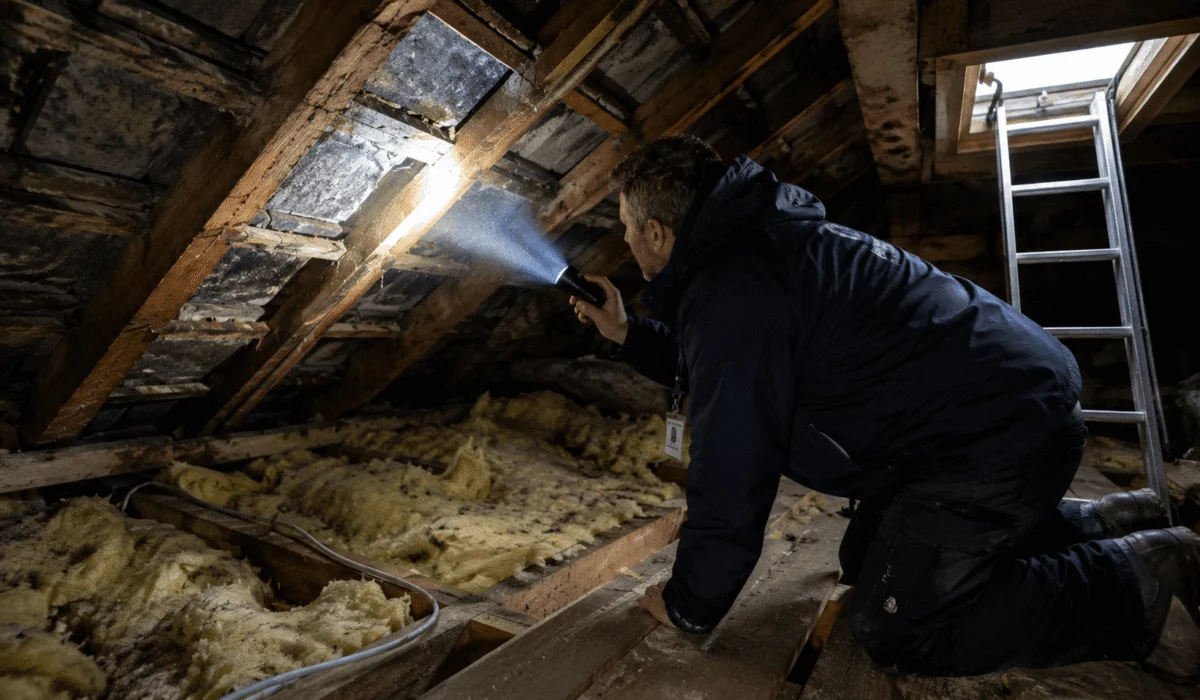
The surveyor spends longer on site than at Level 2 and looks at a wider range of issues, with closer attention to the roof space, floors, grounds and services.
Inside the property
- The roof space, including timbers, insulation, ventilation and any signs of past leaks or woodworm.
- Walls, ceilings and floors, with checks for cracking, movement, sloping floors and damp readings at vulnerable points.
- Cellars and basements, common in older Liverpool terraces, where damp and timber decay often start.
- Windows, doors, staircases and joinery.
- Heating, electrics, plumbing and drainage, which are inspected visually but not tested.
Outside and around the property
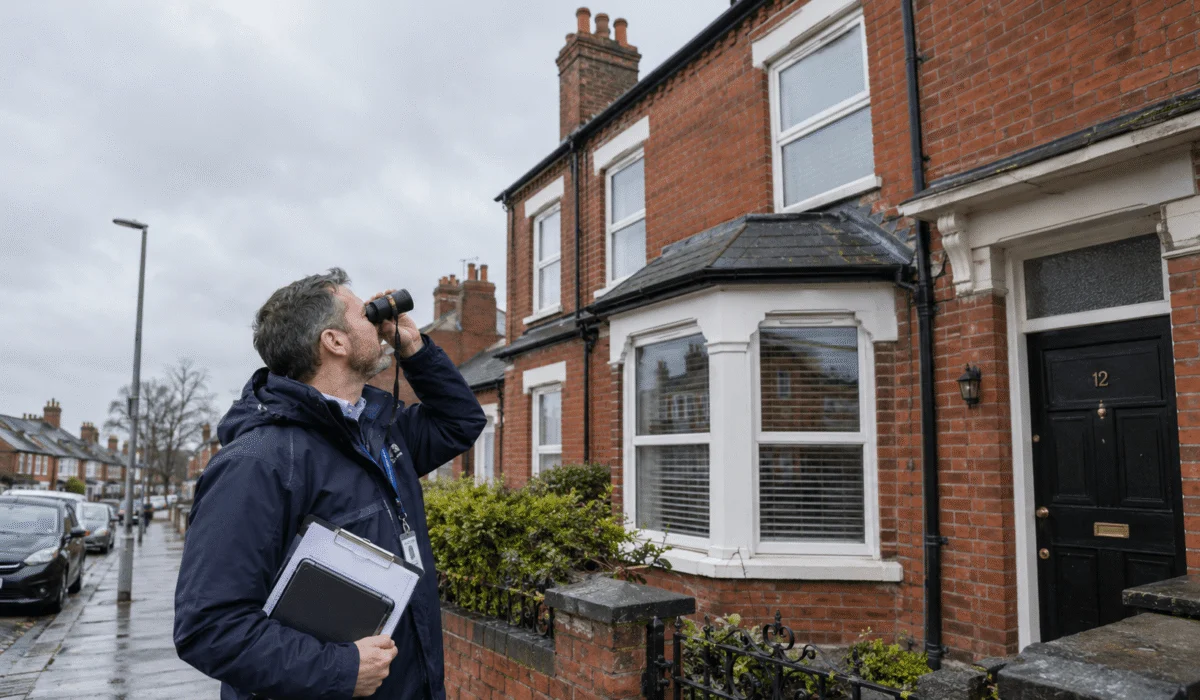
- Roof coverings, chimney stacks, flashings, gutters and downpipes, viewed from the ground and any safe vantage point.
- External walls, pointing, lintels over windows and doors, and bay window structures.
- Rear extensions, outbuildings, garages and conservatories.
- Boundaries, paths, retaining walls, trees close to the building and drainage inspection chambers.
The report also flags points for your conveyancer, the solicitor handling the legal side of the purchase. Typical examples are alterations that may have needed building regulations approval, shared drains and rights of way across the land.
What a full survey does not cover
A full home buyers survey is still a non invasive inspection. The surveyor will not cut into walls or take up fitted carpets and fixed floorboards without the seller agreeing, and will not move heavy furniture or stored belongings. Services are looked at, not tested in the way an electrician or gas engineer would test them.
Where something cannot be seen properly, the report should recommend a further investigation, explain why it is needed, say when it should happen and suggest who should carry it out. Take these recommendations seriously. They show you exactly where the uncertainty sits.
Full Home Buyers Survey or Level 2 HomeBuyer Survey?
Level 2 suits conventional homes in reasonable condition, and a full home buyers survey suits anything older, larger, altered or in poor repair. The table below sets out the practical differences that settle most Level 2 vs Level 3 survey decisions.
| Feature | RICS Level 2 HomeBuyer Survey | Full home buyers survey, RICS Level 3 |
|---|---|---|
| Best suited to | Conventional homes in reasonable condition with few alterations | Older, larger, altered, unusual or run down homes, or where major works are planned |
| Time on site | Usually one to four hours | Usually three to eight hours, sometimes a full day |
| How the building is built | Not analysed in depth | Explains the construction and how its materials will perform |
| Hidden defects | Visible problems plus further investigations | Visible defects plus the risk posed by hidden ones |
| Repair advice | Repairs and future maintenance | Repair options, a timeline and the consequences of leaving work undone |
| Market valuation | Optional add on | Not included as standard |
| Typical 2026 fee on a home worth 100,000 to 249,000 pounds | 400 to 600 pounds | 630 to 800 pounds |
When a Level 2 survey is enough
A Level 2 is often the sensible choice for a modern semi on an estate, a purpose built flat in good order or a 1960s house that has never been extended. If the property is conventional, looks well maintained and you are not planning structural changes, the extra fee for a full survey may not buy you much more information. Our page on a homebuyer survey in Liverpool explains what a Level 2 covers in detail.
When you need a full home buyers survey
- The house was built before about 1919 or has solid brick walls.
- It has a cellar, a rear outrigger or a two storey extension.
- Internal walls have been removed, especially on the ground floor.
- You can see cracking, bowing walls, sloping floors or damp.
- It is listed, in a conservation area or built in an unusual way.
- You plan to extend, convert the loft or knock through after you move in.
- It has stood empty, been poorly maintained or been let to many tenants at once.
If two or more of these apply, the full survey is usually the safer choice.
Why Liverpool Homes Often Need a Full Home Buyers Survey
Liverpool has a large stock of Victorian and Edwardian housing, and age changes what a surveyor needs to look for. Buyers here are often weighing up a terrace that has stood for well over a century, been altered several times and taken decades of wind and rain off the Mersey.
Victorian and Edwardian terraces
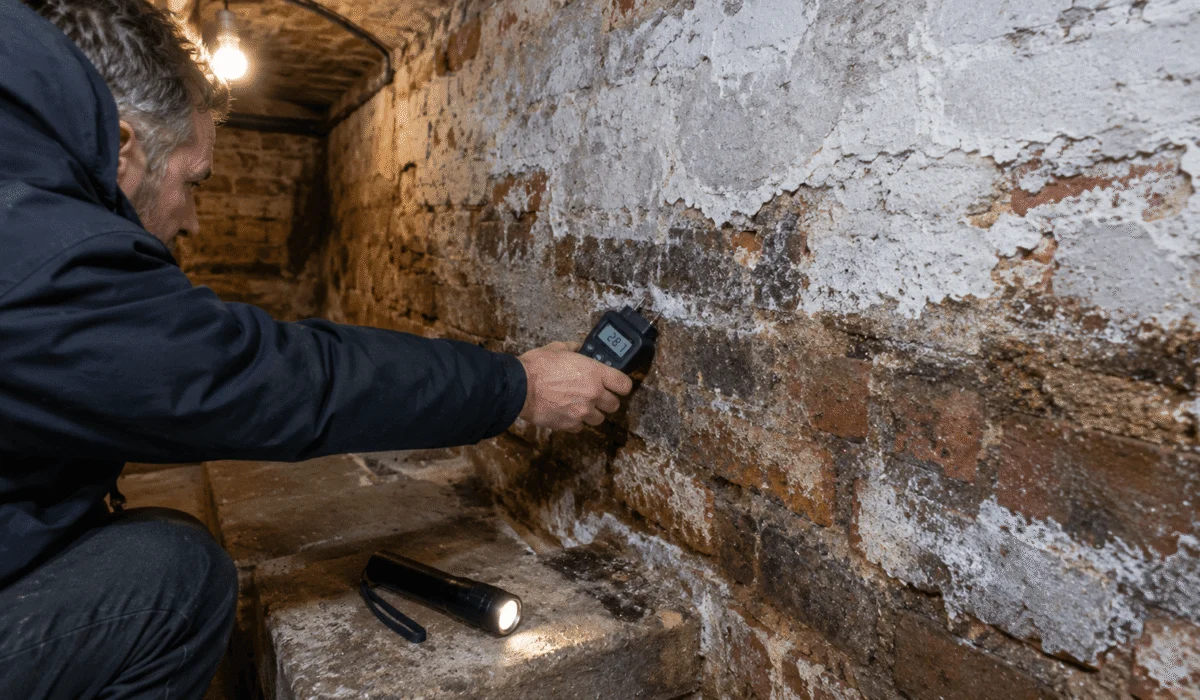
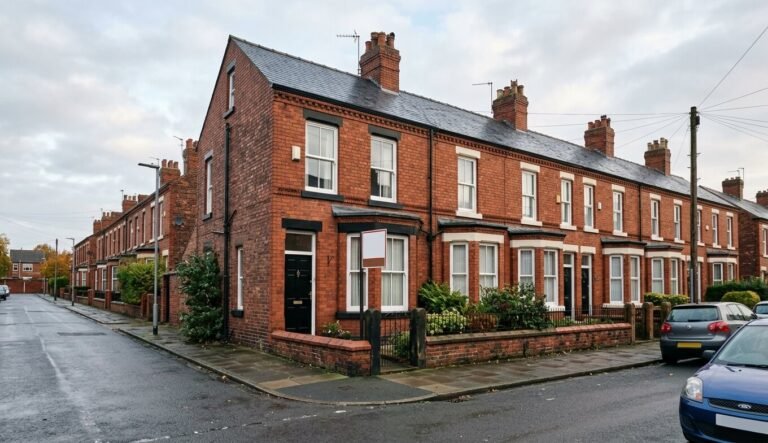
Terraces in areas such as Wavertree, Kensington, Anfield and the Dingle were mostly built with solid brick walls and no cavity. These walls handle moisture differently from modern construction, and they are often harmed by well meant repairs such as cement render, hard cement pointing or injected damp courses that trap water in the brickwork. A full survey looks at why a wall is damp rather than simply recording that it is.
Many of these houses also have cellars, slate roofs with shared chimney stacks and a narrow rear outrigger holding the kitchen and bathroom. That outrigger is a frequent source of movement cracks and roof leaks, because it often sits on shallower foundations than the main house.
1930s semis and interwar homes
The semis found across Allerton, West Derby, Childwall and much of the Wirral usually have cavity walls, but many had insulation pumped into the cavity years later. On exposed walls that insulation can carry damp across to the inner leaf. Bay windows from this period are another weak point, as the timber or steel lintels above them can fail with little warning.
Converted flats and Georgian townhouses
Flats created inside large townhouses around the Georgian Quarter and Princes Park raise questions a Level 2 is not designed to answer. These include the condition of shared roofs and walls, the state of old timber floors under new finishes and whether the original conversion work was done properly. A leasehold flat also carries service charges and shared repair obligations, so read the survey alongside the lease.
Extended, altered and renovated homes
A freshly renovated house can be harder to judge than a tired one, because new plaster and paint hide what is underneath. This is where a full home buyers survey earns its fee. Removed chimney breasts, opened up ground floors and loft conversions all depend on proper structural support. If the survey finds signs that support is missing, the next step is usually a structural engineer in Liverpool who can check the beams and calculations.
How Much Does a Full Home Buyers Survey Cost in 2026?
A full home buyers survey typically costs between 630 and 1,500 pounds in 2026, and more for very large or unusual homes, according to HomeOwners Alliance figures updated in October 2026. The Level 3 survey cost rises with the value and size of the property.
| Property value | Level 2 HomeBuyer Survey | Full home buyers survey, Level 3 |
|---|---|---|
| 100,000 to 249,000 pounds | 400 to 600 pounds | 630 to 800 pounds |
| 250,000 to 349,000 pounds | 600 to 700 pounds | 800 to 900 pounds |
| 350,000 to 499,000 pounds | 700 to 800 pounds | 900 to 1,100 pounds |
| 500,000 pounds to 1 million pounds | 800 to 1,000 pounds | 1,000 to 1,500 pounds |
These are typical market ranges from HomeOwners Alliance as of October 2026. Treat them as a guide and ask for a fixed fee for your property.
What pushes the fee up or down
- Size, because a larger house with more rooms takes longer to inspect and write up.
- Age and condition, as an older or neglected building needs more time on site.
- Access to lofts, cellars and outbuildings the surveyor has to get into.
- Extras such as a market valuation or a rebuild figure for insurance.
Is the extra cost worth it?
On a typical Liverpool terrace, the gap between a Level 2 and a full home buyers survey is usually a few hundred pounds. Set that against a single significant repair, such as relaying part of a slate roof, replacing rotten joists in a cellar or rebuilding a failed bay, and the extra fee looks small. The real value is timing. A defect found before exchange of contracts can still change the price. The same defect found after completion is your bill.
Budget for possible follow up reports too. A full survey may recommend a drain camera survey, an electrical inspection, a timber and damp specialist or a structural engineer, and each is charged separately.
When to Book a Full Home Buyers Survey and How Long It Takes
Book your full home buyers survey as soon as your offer is accepted, and make sure the report is in your hands well before exchange of contracts. Exchange is the point at which the purchase becomes legally binding, and once you pass it most of your bargaining power is gone.
On site, a full survey usually takes several hours, and a large or complicated house can take most of a day. The written report normally follows within one to two weeks of the inspection, depending on the firm and the property. Ask for the timescale in writing when you book, especially if the chain is moving quickly.
The process step by step
- Send the surveyor the address, the agreed price and anything that worries you, such as a crack you noticed at the viewing.
- Explain what you plan to do with the property, from a loft conversion to letting it out.
- Confirm the survey level and a fixed fee in writing before you pay.
- The surveyor arranges access through the estate agent and inspects the property.
- Read the report, then call the surveyor about anything you do not understand.
- Get quotes for any significant repairs and share the findings with your conveyancer before exchange.
How to Read Your Survey Report and Act on It
Like most survey reports, a full home buyers survey ranks each part of the building by urgency, usually with condition ratings from 1 to 3. A rating of 1 means no repair is currently needed, 2 means repairs are needed but are not urgent, and 3 means a serious defect or something that needs urgent repair or investigation. Read the condition 3 items first, then the further investigations, then everything else.
Renegotiate, ask for repairs or walk away
You have three realistic options. You can ask the seller to reduce the price to reflect the cost of repairs, ask them to fix the problem before completion or withdraw from the purchase. A price reduction is usually easier to agree than repairs, because you cannot control the quality of work the seller arranges. Our guide on how to renegotiate after a house purchase survey shows how to frame the request.
Get repair quotes before you exchange
RICS advises getting written quotes from at least two experienced contractors before you commit to buy. A quote turns a vague worry into a figure the seller and their agent can discuss. Without one, a request for money off can look like a negotiating tactic rather than a genuine cost.
Common Mistakes Buyers Make With Home Surveys
- Treating the mortgage valuation as a survey. The valuation your lender arranges protects the lender and is not designed to find defects for you.
- Choosing a Level 2 instead of a full home buyers survey on a century old terrace. You then discover problems that report was never meant to cover.
- Keeping your plans to yourself. If you intend to knock through or convert the loft, the surveyor needs to know before the inspection.
- Booking too late. A report that lands in the week of exchange leaves no time to get quotes or negotiate.
- Reading only the summary. The detail behind each rating is where the useful advice sits.
- Assuming you must use the surveyor the agent suggests. You are free to choose any surveyor regulated by RICS.
FAQs
Is a full home buyers survey the same as a full structural survey?
Yes, in everyday use. Full structural survey is the old name for what RICS now calls a Level 3 Home Survey, and many buyers call the same thing a full home buyers survey. It covers the whole building, including the structure. A report from a structural engineer is different, because it looks only at structural elements and is usually ordered when a survey finds movement.
Does a full home buyers survey include a valuation?
Not as standard. The RICS Level 3 Home Survey focuses on condition, construction and repairs, while a market valuation is offered with the Level 2 survey and valuation option. If you want a valuation alongside a full survey, mention it when you ask for a quote, as many firms can add one for an extra fee.
How long does a full home buyers survey take?
The inspection usually takes several hours and can take a full day on a large or complicated house. RICS says home survey inspections range from about two hours to a full day. The written report normally follows within one to two weeks. Ask for both timescales in writing when you book so you can plan around your exchange date.
Do I need a full survey on a new build home?
Usually not. A new build is built to current regulations and normally comes with a builder warranty, so a full survey adds little. Most buyers get a snagging inspection instead, which lists defects for the developer to put right. A full survey can still make sense if the new build is unusual, very large or shows obvious problems at the viewing.
Will the surveyor lift carpets and floorboards?
Not without permission. A full home buyers survey is non invasive, so the surveyor will not take up fitted carpets or fixed boards unless the seller agrees in advance. They will open access hatches and look under loose coverings where it is safe, and they spend longer on floors than a Level 2 surveyor would. Hidden areas are flagged for further investigation.
Can I pull out of a purchase after a bad survey?
Yes, as long as you have not exchanged contracts. In England and Wales a purchase only becomes legally binding at exchange, so a poor survey leaves you free to renegotiate, ask for repairs or withdraw. You will usually lose the money already spent on the survey, searches and legal work, which is one more reason to book the survey early.
Is a full survey worth it for a 1930s semi in Liverpool?
Often, yes. Many 1930s semis in Liverpool have retrofitted cavity insulation, original bay windows, ageing roof coverings and later extensions, all of which a full survey examines more closely than a Level 2. If the house is unaltered and well maintained, a Level 2 may be enough. A surveyor can advise once they know the address and its history.
Book a Full Home Buyers Survey in Liverpool
A full home buyers survey costs more than a Level 2, but on an older, extended or neglected Liverpool home it is often the only report detailed enough to change your decision before exchange. If you are unsure which level you need, send the address and a few details to a surveyor regulated by RICS and ask for a straight recommendation.
ASG Consulting carries out RICS Level 2 HomeBuyer Reports and RICS Level 3 Building Surveys across Liverpool, Merseyside, the Wirral and the wider North West. Tell us about the property and your timescale and we will confirm the right level of survey and a fixed fee. Visit our page on the RICS Level 3 Building Survey in Liverpool to request a quote.
This guide is general information about home surveys in England and Wales, written in October 2026. It is not legal or financial advice. Speak to your conveyancer about the legal side of your purchase and to a regulated surveyor about your specific property.