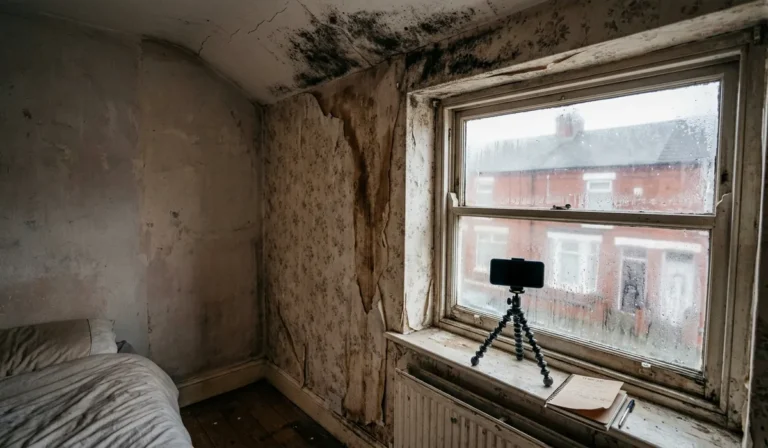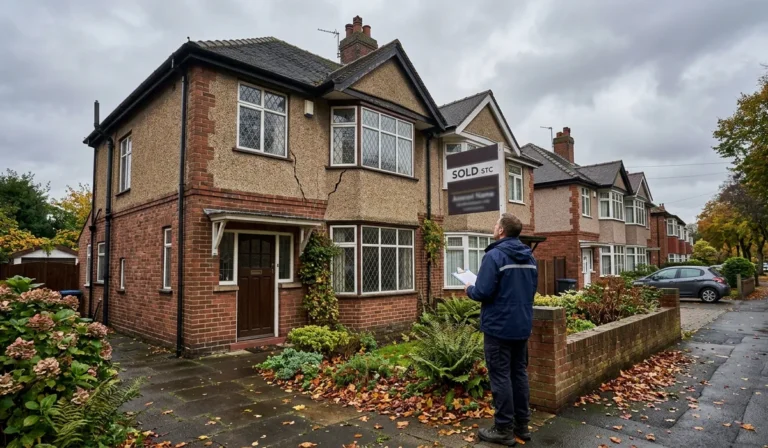
Property maintenance Liverpool homes need is shaped by two things, a wet and windy coastal climate and a large stock of older brick houses. Gutters, roofs, pointing and heating systems work hard here, and small faults that are ignored for one winter can turn into damp, mould and repair bills the next. A simple plan, followed month by month, is the cheapest way to keep a home or a rental in good order.
This guide is built as a calendar you can actually use. It sets out what to check in each month of the year, the legal safety checks landlords must diary, a realistic budget, the problems that become expensive when ignored, and how to keep the records that protect you. It is written for homeowners, landlords and managing agents across Liverpool and Merseyside.
In this guide
- Why Liverpool homes need a plan
- The 12 month calendar
- Priorities by house type
- Legal safety checks for landlords
- Licensing in Liverpool
- Budgeting for maintenance
- Ten problems that grow expensive
- DIY, handyman or professional
- Keeping maintenance records
- Working with tenants
- Planned maintenance surveys
- FAQs
Why Property Maintenance Liverpool Homes Need Is Different
Liverpool sits on the Mersey estuary facing the Irish Sea, and the prevailing westerly and south westerly winds bring frequent rain driven against walls and roofs. Exposed elevations take a battering, gutters fill quickly with leaves in autumn, and long damp spells give mould every chance to grow indoors.
The housing stock adds to the challenge. Large parts of the city are made up of Victorian and Edwardian terraces with solid brick walls, slate roofs, timber sash windows and chimney stacks, alongside interwar semis with early cavity walls. These houses were built to breathe and to be maintained regularly. When maintenance slips, problems tend to arrive together.
There are three good reasons to plan property maintenance rather than react to it.
- Cost. Clearing a gutter costs far less than treating the damp wall behind it.
- Health. Damp and mould affect breathing, especially for children and older people.
- Compliance. Landlords face licensing conditions, safety rules and growing scrutiny of damp and mould.
The 12 Month Property Maintenance Liverpool Calendar
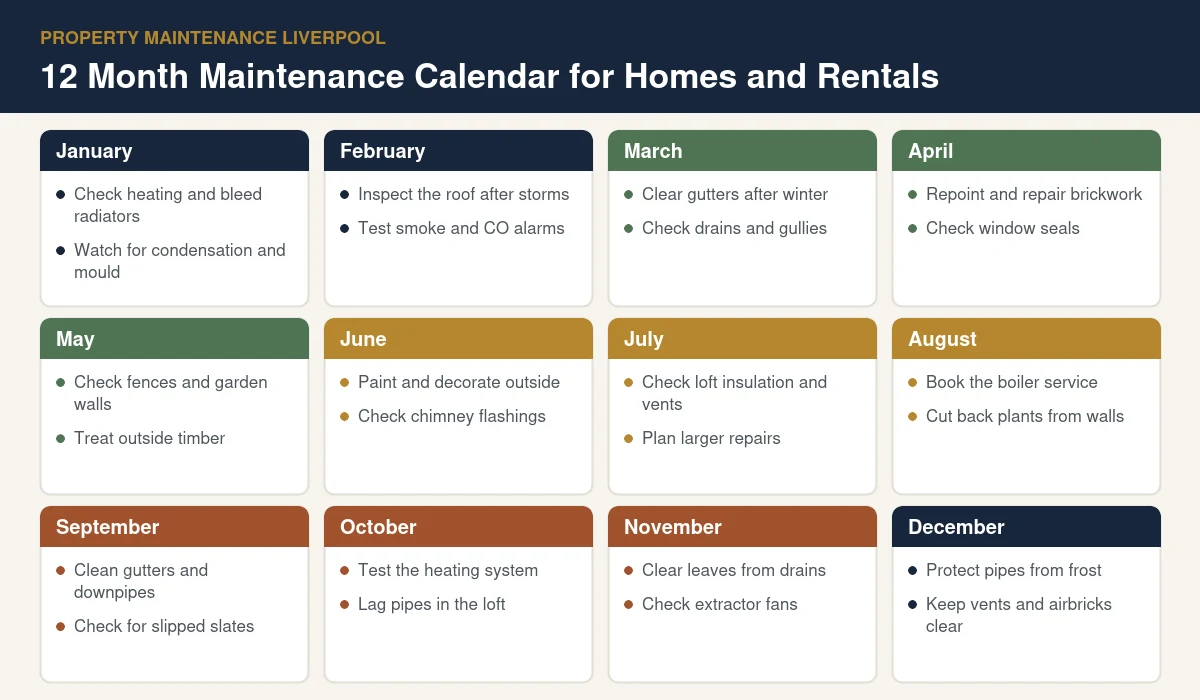
The calendar below spreads the work across the year so nothing is forgotten and no single month is overloaded. Adjust it to your property, but keep the seasonal order, because Liverpool weather decides when some jobs can be done well.
Winter, December to February
- December. Protect pipes from frost by lagging exposed pipework in lofts, garages and outside walls. Keep airbricks, trickle vents and extractor fans clear so moisture can escape.
- January. Check the heating works in every room and bleed radiators. Watch for condensation on windows and the first spots of mould in corners and behind furniture.
- February. Inspect the roof from the ground after winter storms for slipped or missing slates, and check ceilings for new stains. Test every smoke and carbon monoxide alarm.
Spring, March to May
- March. Clear gutters and downpipes of the debris left by winter, and run water through gullies and drains to check they flow freely.
- April. Walk round the outside and look closely at the brickwork. Recessed mortar, flaking brick faces and new cracks are easier to repair in the drier months ahead. Check window seals and sealant around frames.
- May. Check fences, gates and garden walls after the winter winds, and treat or paint outside timber such as fascias, doors and sash windows while the weather is settled.
Summer, June to August
- June. Plan outside decoration and repairs that need dry weather, including repointing, render repairs and painting. Check chimney stacks, pots and flashings, ideally with a drone inspection rather than a ladder.
- July. Look in the loft. Check insulation, roof timbers, signs of daylight through the slates and that ventilation is not blocked. Plan any larger works for early autumn.
- August. Book the annual boiler service and gas safety check before the autumn rush. Cut back climbing plants and shrubs from walls, roofs and gutters.
Autumn, September to November
- September. Clean gutters and downpipes again as leaves start to fall, and check for slipped slates before the first storms.
- October. Test the heating system fully, bleed radiators and check pipe lagging in the loft. Make sure tenants know how to use heating and ventilation to limit condensation.
- November. Clear leaves from drains, gullies and flat roofs. Check extractor fans in kitchens and bathrooms are working and not clogged.
A printed copy of this property maintenance plan on the kitchen wall or in a shared landlord diary makes it far more likely the jobs actually get done.
Property Maintenance Liverpool Priorities by House Type
Different types of house fail in different ways, so property maintenance Liverpool owners carry out should match the building they actually own.
- Victorian and Edwardian terraces. Focus on slate roofs, chimney stacks, rear extensions, solid brick walls and timber sash windows. Avoid hard cement pointing and waterproof coatings, which trap moisture in soft bricks, and keep front and rear airbricks clear.
- Interwar semi detached houses. Watch the bay windows, which often sit on shallower foundations, the roof covering, which may be nearing the end of its life, and early cavity walls, where corroded wall ties can cause horizontal cracking.
- Post war and council built houses. Check flat roofs on extensions and garages, concrete lintels and any non traditional construction, which may need a specialist inspection before sale or refinancing.
- Flats and converted buildings. Shared roofs, gutters, communal stairs and fire doors need a clear maintenance schedule agreed with the freeholder or managing agent, along with fire alarm and emergency lighting tests.
If you are not sure which group your home falls into, or it has been altered over the years, a surveyor can identify the parts most likely to need attention and set out a property maintenance plan that suits it.
Legal Safety Checks for Landlords
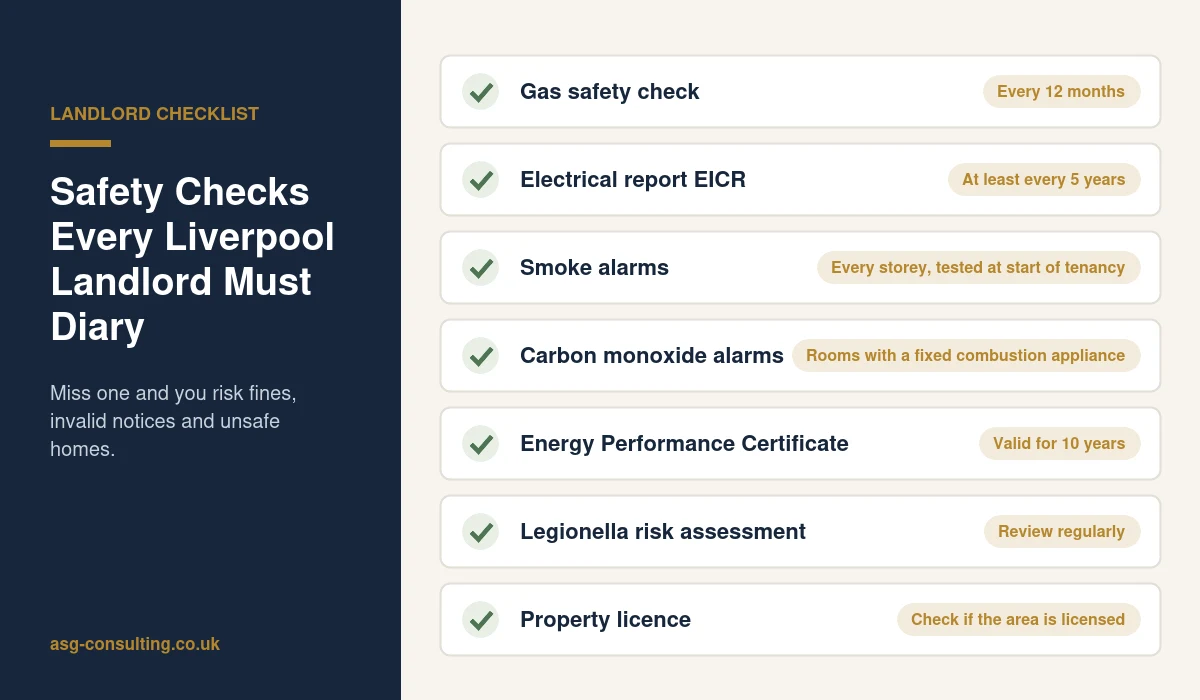
For landlords, property maintenance is not only good practice. Some checks are legal duties with fixed timescales, and missing them can lead to fines and problems with licensing and possession. The main ones are set out below.
| Check | How often | Key rule |
|---|---|---|
| Gas safety check | Every 12 months | Carried out by a Gas Safe registered engineer, with a copy for tenants and records kept for two years |
| Electrical installation condition report | At least every five years | Carried out by a qualified person, with a copy for tenants within 28 days |
| Smoke alarms | Checked at the start of each tenancy | At least one on every storey used as living accommodation |
| Carbon monoxide alarms | Checked at the start of each tenancy | In any room with a fixed combustion appliance, excluding gas cookers |
| Energy Performance Certificate | Valid for ten years | Required before letting, with a minimum rating for most private lets |
| Legionella risk assessment | Reviewed regularly | Landlords must assess and control the risk from water systems |
The HSE explains landlord duties in its guidance on gas safety for landlords, and the government publishes a guide to electrical safety standards for rented homes.
Landlords should also prepare for wider change. The Renters Rights Act will apply a Decent Homes Standard and Awaabs Law on damp and mould to private rented homes, although the dates for those parts had not been confirmed at the time of writing. A steady routine of property maintenance Liverpool landlords keep up all year round is the simplest way to be ready.
Licensing and Property Maintenance in Liverpool
Liverpool City Council runs a selective licensing scheme covering most privately rented homes in 16 wards, including Anfield, Kensington, Picton, Tuebrook and Stoneycroft, Wavertree and Everton. Licence conditions cover issues such as fire and electrical safety, excess cold and damp, so routine property maintenance is part of staying compliant.
The current scheme is due to end in March 2027. The council consulted on options for a new scheme between 27 July and 5 October 2026, including a city wide option and options targeted at deprivation or poor property conditions. Landlords should check the council website for the outcome and keep their records in order whichever option is chosen. Our guide to property management in Liverpool covers the wider rules for landlords in more detail.
Budgeting for Property Maintenance
A common rule of thumb is to set aside around 1 per cent of the value of the property each year for property maintenance, with more for older houses and less for new builds. On a terraced house worth 150,000 pounds, that means about 1,500 pounds a year. Older Victorian houses with original roofs, windows and chimneys can easily need more.
These published 2026 prices give a sense of the routine costs.
| Job | Typical 2026 cost | Source |
|---|---|---|
| Gutter cleaning, terraced house | 60 to 90 pounds | Fantastic Services |
| Gutter cleaning, semi detached house | 80 to 120 pounds | Fantastic Services |
| Electrical report, three bedroom house | 180 to 280 pounds | BestBuilders |
| Electrical report, two bedroom home | 150 to 220 pounds | BestBuilders |
| Repointing brickwork | 50 to 60 pounds per square metre | MyBuilder |
| Chimney repointing | Around 750 pounds | MyBuilder |
The best way to use the budget is to split it into a small routine fund for annual jobs and a reserve for larger items such as a new roof covering, boiler or windows. A condition survey every few years tells you when those larger items are likely to fall due.
Ten Problems That Grow Expensive When Ignored
These are the issues surveyors see most often when property maintenance Liverpool homes need has slipped.
- Blocked gutters and downpipes, which soak walls and lead to penetrating damp and mould inside.
- Slipped and missing slates, which let water into roof timbers and ceilings.
- Failed chimney flashing, a common source of damp patches on chimney breasts.
- Eroded or hard cement pointing, which lets water into soft bricks or traps it inside them.
- Blocked airbricks, which stop timber floors from ventilating and can lead to rot.
- Bridged damp proof courses, where raised paths or soil sit above the original damp course.
- Condensation and mould, made worse by poor heating, drying clothes indoors and broken extractor fans.
- Rotten sash windows and sills, which let in water and draughts.
- Leaking waste pipes and seals in bathrooms and kitchens, which damage floors and ceilings below.
- Corroded wall ties in older cavity walls, shown by horizontal cracks in the brickwork.
Our guide to brickwork repair explains how to diagnose wall problems, and our guide to rising damp in a house covers damp in more depth.
DIY, Handyman or Professional
Not every job needs a specialist, but some definitely do. As a guide, property maintenance work falls into three groups.
- DIY jobs include bleeding radiators, testing alarms, clearing ground floor gutters safely, cleaning extractor fans and keeping airbricks clear.
- Handyman jobs include minor repairs, sealant, small decorating jobs, door and window adjustments and garden walls.
- Professional jobs include anything involving gas or electrics, roofs and chimneys, structural cracks, repointing on older houses and any work at height.
Gas and electrical work must always be done by qualified, registered engineers. Work at height is one of the biggest causes of serious accidents, so roof and chimney checks are best done from the ground, with binoculars or a drone, or by a professional with the right access equipment.
Keeping Property Maintenance Records
Good records are worth almost as much as the work itself. They prove that safety checks were done, support licence applications, help defend disrepair claims and add confidence when you sell.
Keep a simple property maintenance log for each property with the following.
- The date, the job, who did it and what it cost.
- Before and after photographs of repairs.
- Copies of gas safety records, electrical reports, alarm checks and the EPC.
- Tenant repair requests and the date each one was resolved.
- Guarantees and warranties for roofs, boilers, windows and damp treatments.
A shared online folder works well for landlords with several properties, because agents and contractors can add documents as jobs are completed.
Working With Tenants on Maintenance
In rented homes, tenants are often the first to spot a problem. Good property maintenance Liverpool landlords can rely on depends on making it easy for them to report issues early.
- Give every tenant a simple way to report repairs, such as an email address or online form, and acknowledge each report quickly.
- Explain how to use heating, extractor fans and trickle vents to limit condensation, ideally in a short welcome pack.
- Agree access for routine visits, such as gas safety checks and inspections, with proper notice.
- Fix reported problems within a reasonable time and keep a record of each repair.
Prompt responses keep tenants happy, reduce the risk of damp and mould spreading and make disrepair claims far less likely.
Planned Maintenance Surveys and Condition Reports
A planned maintenance survey takes the guesswork out of property maintenance. A chartered surveyor inspects the property, records the condition of each element such as the roof, walls, windows and services, and sets out a prioritised plan of repairs with estimated costs over the next five or ten years.
For landlords, a schedule of condition at the start of each tenancy records the state of the property with photographs, which helps settle deposit and disrepair disputes later. For roofs and chimneys, a drone roof inspection shows the condition of slates, flashings and gutters without scaffolding. Our asset management service brings these surveys together into a long term plan for property portfolios.
Property Maintenance Liverpool FAQs
How often should gutters be cleaned in Liverpool?
At least twice a year, in spring and late autumn. Homes near large trees or on exposed streets may need more frequent cleaning.
Who is responsible for property maintenance in a rented home?
The landlord is responsible for the structure and exterior and for installations such as heating, hot water, gas, electricity and sanitation. Tenants are responsible for minor day to day care and for reporting problems promptly.
How much should a landlord budget for maintenance each year?
Around 1 per cent of the property value is a common starting point, with more for older houses. A condition survey gives a more accurate figure for a specific property.
When is the best time to repoint brickwork?
Late spring and summer, when the weather is mild and dry. Mortar should not be laid in frost or very hot, dry conditions.
Can a survey help plan property maintenance?
Yes. A planned maintenance survey identifies what needs doing now, what can wait and what it is likely to cost, so you can budget properly rather than react to emergencies.
What should be done before winter?
Before the first autumn storms, clear gutters and downpipes, check the roof for slipped slates, service the boiler, bleed radiators, lag pipes in the loft and make sure extractor fans and trickle vents work. These few jobs prevent most of the winter call outs surveyors see in Liverpool homes.
Planned Property Maintenance Liverpool Owners Can Rely On
ASG Consulting is regulated by RICS. Our surveyors carry out condition surveys, planned maintenance reports, schedules of condition and drone roof inspections for homeowners, landlords and portfolio owners across Liverpool and Merseyside. To build a property maintenance plan for your home or portfolio, visit our asset management page.
About the Author
Harry is a property content writer with 3 years of experience writing about building surveying, commercial property and property compliance in the UK. He writes the guides at ASG Consulting for buyers, tenants and landlords, turning survey practice into clear, practical advice.
Reviewed by Dave MacMillan MRICS, chartered surveyor at ASG Consulting. Dave checks the technical content of our guides against current RICS practice before they are published.