A home buying survey is the inspection you arrange after your offer is accepted to find out what condition the property is really in before you commit. Timing is everything. Book it too late and you may have no time to act on the findings. Skip it and you could inherit thousands of pounds of repairs. This guide follows the buying process week by week, showing exactly where the survey fits and what to do at each stage.
It is written as a step by step timeline, from the day your offer is accepted to the day you collect the keys. Along the way it explains the different house buying surveys, how they differ from a mortgage valuation, what they cost in 2026 and how to use the report to protect yourself. It is aimed at buyers in Liverpool, Merseyside and the North West, but the process is the same across England and Wales.
In this guide
- The home buying timeline
- Week by week checklist
- Types of house buying surveys
- Survey or mortgage valuation
- Stage 1, offer accepted
- Stage 2, booking the survey
- Stage 3, inspection day
- Stage 4, reading the report
- Stage 5, acting on findings
- Stage 6, exchange and completion
- What a survey will not tell you
- Questions to ask your surveyor
- Flats and leasehold homes
- Costs in 2026
- Common mistakes
- Buying in Liverpool and Merseyside
- FAQs
The Home Buying Survey Timeline
Buying a home takes longer than most people expect. Rightmove reports that the average time from sale agreed to completion was 167 days, or about five and a half months, as of March 2026. The survey sits near the start of that journey, and the earlier it happens, the more options you have.
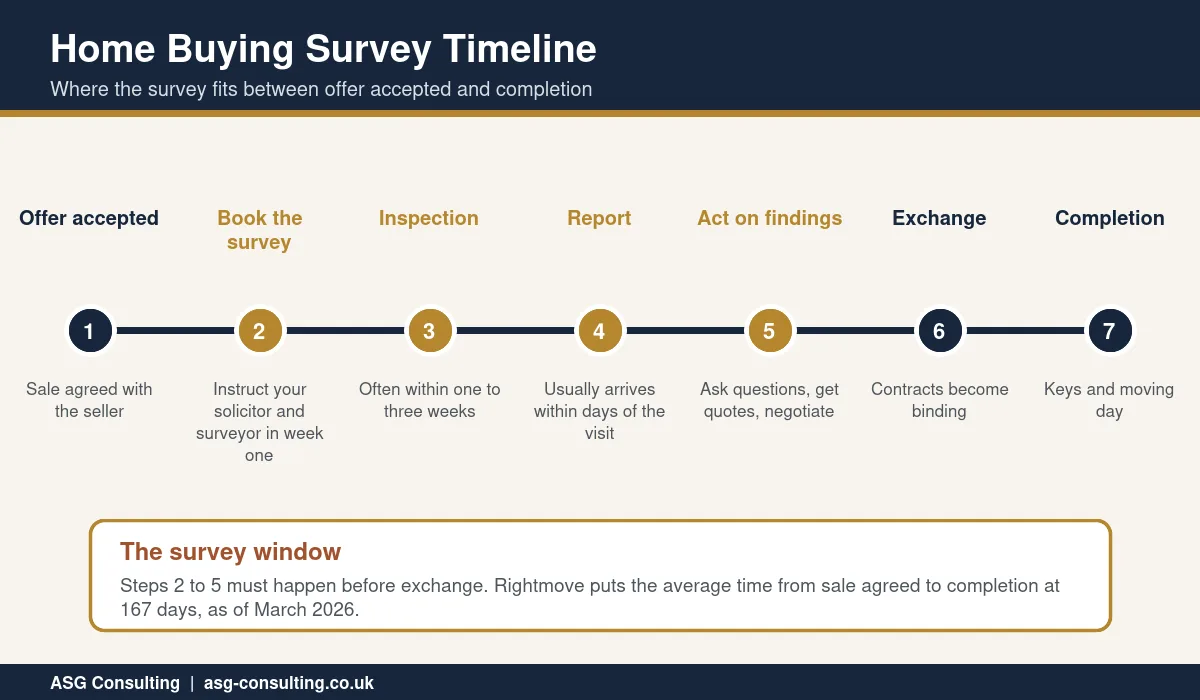
The infographic shows the seven key steps. Steps two to five are the survey window, which needs to close before you exchange contracts. Once you exchange, the purchase is legally binding, so any problems found after that point are your responsibility.
Week by Week Checklist
Every purchase moves at its own pace, but this simple checklist shows where a home buying survey usually fits in a straightforward freehold purchase.
| When | What to do |
|---|---|
| Week 1 | Offer accepted, instruct solicitor, apply for mortgage, request survey quotes and book |
| Weeks 1 to 3 | Survey inspection, lender valuation, searches ordered |
| A few days after inspection | Survey report arrives, call the surveyor, list questions |
| Following weeks | Specialist reports and quotes, negotiate, pass legal points to solicitor |
| Once everything is resolved | Mortgage offer, final checks, exchange contracts |
| Usually one to two weeks after exchange | Completion and moving day |
Chains, leasehold properties and slow searches can stretch these stages, so treat the timings as a guide and keep the survey at the front of the queue.
Types of House Buying Surveys
House buying surveys in England and Wales follow the RICS Home Survey Standard, which sets out three levels.
| Level | What it covers | Best for |
|---|---|---|
| Level 1, condition report | A basic overview with condition ratings and limited advice | Newer, conventional homes in good condition |
| Level 2, HomeBuyer survey | A more detailed inspection with ratings, advice and optional valuation | Most conventional houses and flats in reasonable condition |
| Level 3, building survey | The most thorough inspection, with detailed descriptions and repair advice | Older, altered, unusual or run down properties |
For most buyers the choice is between Level 2 and Level 3. Our guide to the home buyers survey explains each level in more depth, and our full home buyers survey guide covers the Level 3 building survey.
Home Buying Survey or Mortgage Valuation
Many buyers assume the mortgage valuation is a survey. It is not. Rightmove sets out the difference clearly.
| Point | Mortgage valuation | Home buying survey |
|---|---|---|
| Who arranges it | Your lender | You, the buyer |
| Purpose | Confirms the value so the lender can decide whether to lend | Checks the condition so you can make an informed decision |
| How it is done | Often a short visit, sometimes a desktop check using sales data | A professional inspection by a surveyor |
| Who it protects | The lender | You |
A valuation may flag obvious problems, but it is not designed to find defects. Cash buyers do not need a valuation at all, but they still benefit from a home buying survey.
Stage 1, Offer Accepted
The moment your offer is accepted, the clock starts. In the first few days, aim to do the following.
- Instruct a solicitor or licensed conveyancer.
- Submit your full mortgage application, if you are borrowing.
- Ask two or three RICS regulated surveyors for quotes.
- Check the listing, floor plan and photos for clues about age, alterations and extensions.
- Ask the agent whether the seller has completion certificates, guarantees and warranties.
These early steps happen in parallel. Waiting for the mortgage valuation before booking a home buying survey is a common mistake that eats into the time you have later.
Stage 2, Booking the Survey
Choose the survey level based on the property, not the price. Tell the surveyor about the age, construction, any extensions or loft conversions, and anything that worried you on viewings, such as cracks, damp patches or a sloping floor. A good surveyor will plan the inspection around those concerns.
Before you confirm, get the fee, survey level and expected report date in writing, and check the surveyor is RICS regulated. The agent will usually arrange access with the seller. If you are buying in Liverpool or nearby, our guide to finding a home buyers survey near me explains how to choose a local surveyor.
If the property is empty, ask the agent whether the services are switched on and the loft hatch is accessible. Vacant homes can hide problems such as leaks that only show once the heating and water are running, and a surveyor can only report on what they can safely reach. For tenanted homes, allow extra time for the agent to arrange access with the occupiers.
Stage 3, Inspection Day
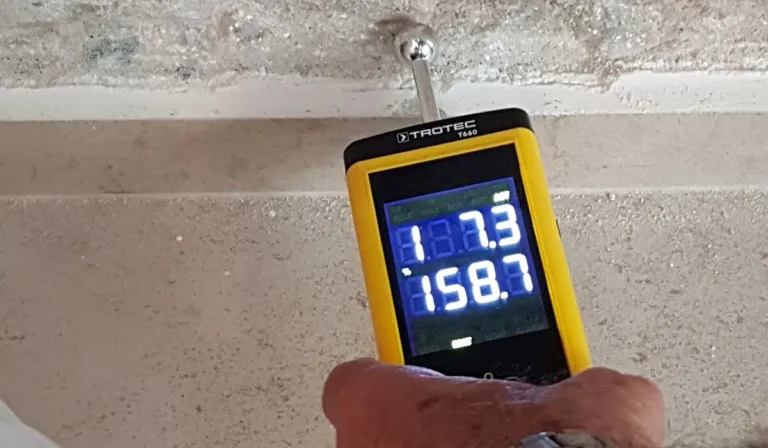
On the day, the surveyor works through the property in a set order, usually outside first, then inside, the roof space where safe, and the grounds. They look at the roof coverings, chimneys, walls, windows, doors, floors, ceilings and the visible parts of services, and use tools such as a moisture meter to check for damp.
Surveyors do not lift fitted floor coverings, move heavy furniture or carry out detailed tests of electrics, gas, heating or drains, so some parts of an occupied home will always be hidden. The report will say what could not be inspected. Our guide to what a home buyer surveyor checks walks through the inspection room by room.
Stage 4, Reading the Report
Your home buying survey report usually arrives within days of the inspection. For Level 2 and Level 1 reports, each element is given a condition rating.
- Rating 3. Serious or urgent defects that need repair, replacement or investigation. Get quotes before you commit.
- Rating 2. Defects that need repair or replacement but are not serious or urgent.
- Rating 1. No repair currently needed. Normal maintenance applies.
- NI. Not inspected, with the reason explained.
Read the summary first, then every section rated 3, then the issues for your legal adviser and the risks section. Our guide to the RICS homebuyers report explains each part of the report in detail. Make a list of questions and call the surveyor. Most are happy to talk through the findings.
Stage 5, Acting on the Findings
This is where the home buying survey earns its fee. Depending on what it finds, you can choose one or more of the following.
- Proceed as planned. If the report shows only routine maintenance, you can move ahead with confidence.
- Get specialist reports. Order a structural engineer, drainage survey, electrical test or damp specialist where the surveyor recommends it.
- Get repair quotes. Ask contractors to price the main repairs so you know the real cost.
- Renegotiate. Use the evidence to ask for a price reduction or for the seller to carry out repairs before exchange.
- Pass your solicitor the legal points. Missing certificates, guarantees and boundary questions need raising during conveyancing.
- Walk away. If the problems are too big, it is better to lose a little money now than buy the wrong home.
Our guide to renegotiating after a survey explains how to approach the seller and agent with the findings.
Stage 6, Exchange and Completion
Once the survey questions are resolved, your mortgage offer is in place and the legal work is done, you can exchange contracts. From that point the sale is binding, and completion usually follows a week or two later. Make sure any agreed repairs have been done, or a price reduction is reflected in the contract, before you exchange.
After completion, keep the survey report. It becomes a useful maintenance plan for your first few years in the home, listing what needs attention and when.
What a Home Buying Survey Will Not Tell You
A home buying survey is a visual, non invasive inspection. It is very good at finding visible defects and pointing to risks, but it has limits you should understand.
- It does not test electrics, gas, heating or drains in detail. Specialist tests are recommended where needed.
- It cannot see under fitted carpets, behind furniture or inside walls.
- It does not check whether work had planning permission or Building Regulations approval, although it will flag alterations your solicitor should ask about.
- It does not include an asbestos survey, though suspected asbestos will be mentioned.
- Level 1 and Level 2 reports do not give detailed repair costs.
Knowing these limits helps you decide when to order extra checks. Our guide to the regularisation certificate explains what to do if the home buying survey finds alterations with no paperwork.
Questions to Ask Your Surveyor After the Report
House buying surveys are most useful when you talk them through. Useful questions include the following.
- Which issues would you deal with first if you were buying this home?
- Are any of the rating 3 items likely to be expensive or affect the mortgage?
- Do you recommend any specialist reports, and how urgent are they?
- Is anything typical for a property of this age that I should budget for?
- Were there any areas you could not inspect, and do they worry you?
Flats and Leasehold Homes
If you are buying a flat, your home buying survey will focus on the flat itself and the shared parts the surveyor can reach. It cannot cover the whole building in detail, so the report will raise questions for your solicitor, such as planned major works, service charges, reserve funds and building safety information. Leasehold purchases also tend to take longer, because management packs and lease checks add time to conveyancing, so booking the survey early matters even more.
Our checklist for a survey for buying a flat explains which parts of the block a surveyor can inspect and what to ask the managing agent.
Home Buying Survey Costs in 2026
Fees vary with the property value, size, age and survey level. The HomeOwners Alliance, updated in October 2026, gives these indicative UK ranges by property value.
| Property value | Level 1 | Level 2 | Level 3 |
|---|---|---|---|
| 100,000 to 249,999 pounds | 300 to 500 pounds | 400 to 600 pounds | 630 to 800 pounds |
| 250,000 to 349,999 pounds | 500 to 600 pounds | 600 to 700 pounds | 800 to 900 pounds |
| 350,000 to 499,999 pounds | 600 to 700 pounds | 700 to 800 pounds | 900 to 1,100 pounds |
| 500,000 to 1,000,000 pounds | 700 to 900 pounds | 800 to 1,000 pounds | 1,000 to 1,500 pounds |
These figures are a guide, not quotes. The HomeOwners Alliance survey cost guide advises checking whether VAT is included and getting a written price for the exact property. Compared with repair bills for roofs, damp or structural problems, house buying surveys are a small part of the total cost of moving.
Our guide to the home buyers survey cost compares fees by property type and includes a worksheet for comparing quotes.
Common Home Buying Survey Mistakes
These are the mistakes we see most often.
- Booking too late. Leaves little time to arrange specialist reports or renegotiate.
- Choosing the wrong level. A Level 1 on a Victorian terrace will not give enough detail.
- Relying on the valuation. It protects the lender, not you.
- Not briefing the surveyor. Concerns from viewings should be shared before the inspection.
- Skimming the report. Rating 3 items and legal points need action, not just a quick read.
- Not calling the surveyor. A short conversation often explains far more than the written report.
Home Buying Surveys in Liverpool and Merseyside
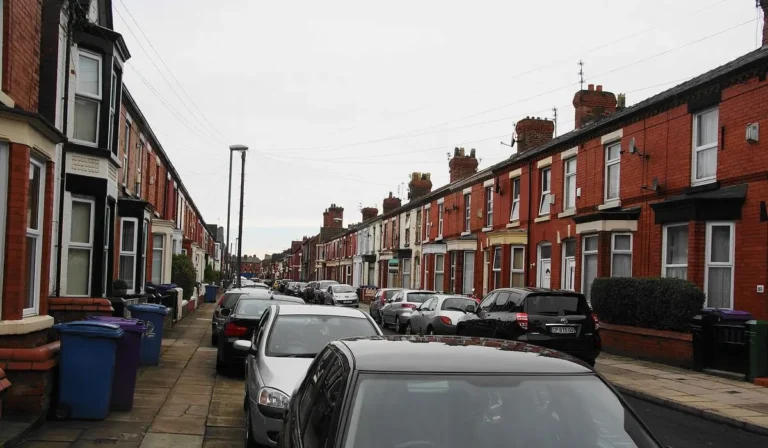
Liverpool and the wider North West have a wide mix of homes, from Victorian terraces and Edwardian villas to interwar semis, post war system built houses and modern apartments. Each brings its own common issues, such as solid wall damp in older terraces, bay window movement in semis, non standard construction on some post war estates and exposure to wind driven rain near the coast.
A local surveyor who inspects these homes every week knows where to look and how to explain what matters. Whether you are buying in Wavertree, Crosby, Wallasey, St Helens or across the Mersey in Cheshire, choosing the right home buying survey early will make the rest of the process smoother.
Home Buying Survey FAQs
When should I book a home buying survey?
As soon as your offer is accepted, alongside instructing your solicitor and applying for your mortgage. Do not wait for the mortgage valuation.
How long does a home buying survey take?
The inspection of a typical family home often takes a few hours, longer for large or older homes. The report usually follows within a few days.
Do I need a survey if I am a cash buyer?
Yes. Cash buyers do not need a lender valuation, but a survey still protects you from expensive surprises.
Which of the house buying surveys should I choose?
Level 2 suits most conventional homes in reasonable condition. Choose Level 3 for older, altered, listed, non standard or run down properties.
Can I use the survey to lower the price?
Yes, if it finds problems that were not reflected in the price. Get repair quotes and share the relevant parts of the report with the agent.
What happens if the survey finds a serious problem?
Talk to the surveyor, get specialist advice and quotes, and then decide whether to proceed, renegotiate or walk away. Do not exchange until you are comfortable with the risk.
Is a home buying survey worth it for a new build?
For a brand new home, a snagging inspection is usually more useful than a standard home buying survey, because it checks the finish against warranty standards. Our snagging survey guide explains the process.
Does the seller see my survey report?
No. The report is prepared for you, the buyer, and it is up to you which parts to share. Many buyers share relevant sections, along with repair quotes, when they renegotiate.
Book a Home Buying Survey in Liverpool
ASG Consulting is regulated by RICS. Our surveyors carry out Level 2 and Level 3 house buying surveys across Liverpool, Merseyside and the North West, and we will help you choose the right level and understand the findings. To get a quote, visit our residential building surveying page.
About the Author
Harry is a property content writer with 3 years of experience writing about building surveying, commercial property and property compliance in the UK. He writes the guides at ASG Consulting for buyers, tenants and landlords, turning survey practice into clear, practical advice.
Reviewed by Dave MacMillan MRICS, chartered surveyor at ASG Consulting. Dave checks the technical content of our guides against current RICS practice before they are published.
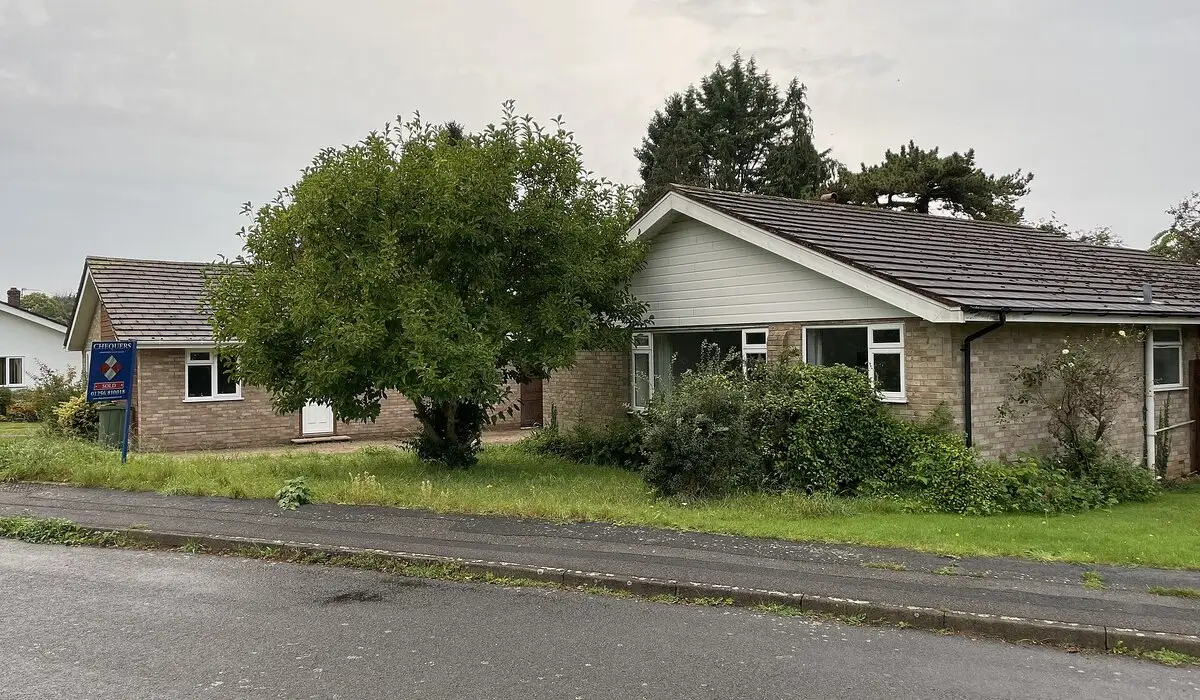
Featured photo of a sold bungalow by Mr Ignavy via Wikimedia Commons, licence CC BY SA 2.0, cropped.