You’ve had your offer accepted. Cue the relief, maybe a small celebration. Then somebody (your solicitor, your broker, your mum) asks the question: are you getting a survey?
A home buyers survey is the step plenty of people skip, and honestly, it’s the one I’d fight hardest to keep. Yes, I’m biased. But hear me out. A typical Level 2 report costs a few hundred pounds, while the home itself costs a few hundred thousand. You’re spending roughly a tenth of one percent to find out what you’re really buying. That’s cheap. Almost suspiciously cheap.
Why Do So Many People Skip a Home Buyers Survey?
Cost, mostly. Then there’s a sneaky assumption that the lender’s valuation has you covered. It doesn’t. A mortgage valuation looks at the property’s value for loan purposes, and it’s for the lender rather than the buyer, so it isn’t designed to show potential problems.
The numbers show how wide the gap is. One industry index put the share of purchases including a condition survey at only 10.6% in the second quarter of 2024. A separate poll found just 45% of UK homeowners have ever instructed an independent building surveyor. Different methods, same message. Plenty of people wing it.
And then there’s plain fear. Some buyers would rather not know. I get that, I really do. But a problem you haven’t found is still a problem. It just turns up after you’ve got the keys.
What Is a Home Buyers Survey?
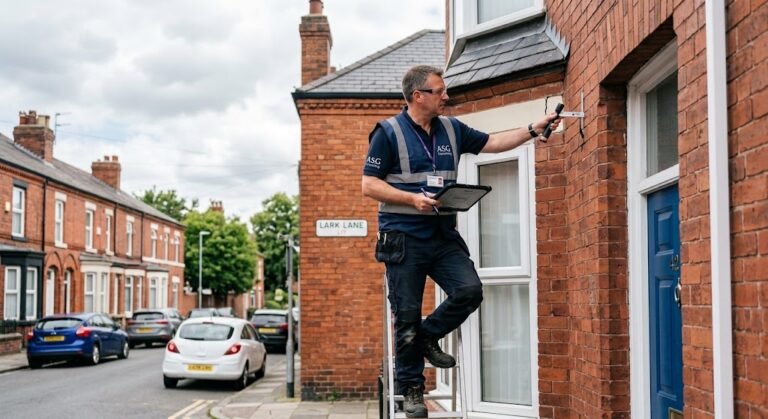
A home buyers survey is the everyday name for the RICS Home Survey Level 2. A qualified surveyor goes through the property, inside and out, and reports on what they can see. It suits conventional houses, flats or bungalows built from common materials and in reasonable condition. You can have the survey on its own, or with a valuation, which helps when you’re negotiating price or arranging a mortgage.
What a Home Buyers Survey Report Actually Checks
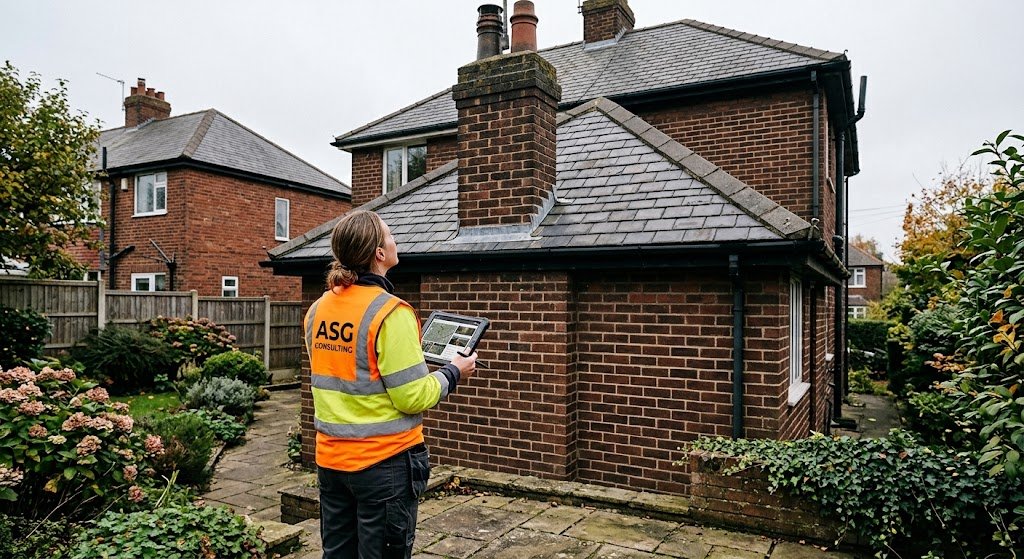
The surveyor looks at the roof, walls, floors, windows, doors and the visible parts of the electrics, gas or oil, water, heating and drainage. Visible is the key word. They don’t test those services. They also don’t lift carpets or floorboards, or move heavy furniture. So it’s a careful visual check, not an X ray.
The Traffic Light Ratings, Decoded
Every part of the building gets a condition rating. Rating 1 means nothing needs doing right now. Rating 2 means something needs repair, but it’s neither serious nor urgent. Rating 3 is the one to sit up for. It flags serious defects that need urgent repair or investigation, and RICS advises getting written quotes before you’re legally committed to buy.
Don’t panic over a few ambers. Older homes collect them like coats on a hook.
How a Home Buyers Survey Protects You From Costly Surprises
This is where the report earns its fee. Once it’s in your hands, you’ve got options, and the research on what buyers do with them is telling. In HomeOwners Alliance research, 30% of buyers who had a house survey took action over the issues it flagged. Ten percent renegotiated the price, nine percent got the seller to fix problems, and four percent pulled out altogether. Meanwhile, 11% of people who skipped a survey found problems after moving in and regretted it.
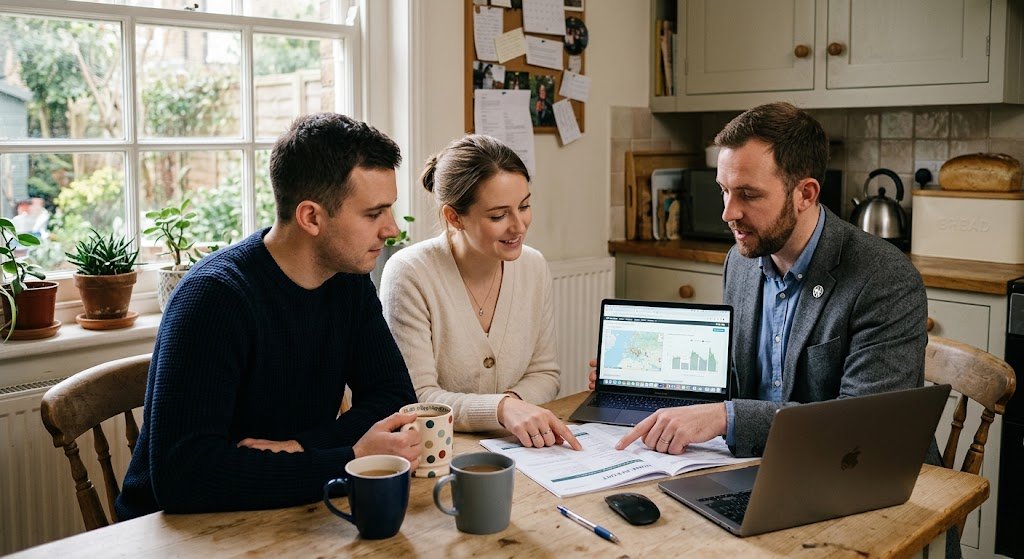
Compare My Move found that a third of buyers who paid for a survey on top of the lender’s valuation said they’d cut an average of £6,400 off the asking price. Think of the report as a bargaining tool with a professional stamp on it. A surveyor’s opinion carries weight with a seller in a way your gut feeling never will.
A Home Buyers Survey in Action: The 1930s Semi With a Damp Patch
Picture this. (It’s an illustration, not a named client, and the figures are invented to show how it works.) A couple offers £325,000 on a 2001s semi. Lovely street, fresh paint, smells faintly of coffee. The report comes back with a rating 3 on the chimney stack and flashing, a damp reading on the rear extension wall, and a rating 2 on ageing wiring.
They get two quotes for the roof and damp work. Combined, around £4,800. Armed with that, they go back to the agent, calmly, no drama. The seller knocks £4,000 off, and the buyers accept the rest as a known cost. Nobody’s thrilled, exactly. But everybody’s informed. And that’s the whole point.
Home Buyers Survey Cost and Other Things to Consider
Price first. Legal and General lists Level 2 surveys from £438.90. One industry commentator puts the end cost at up to £500 for an average priced property. Fees climb with property value, size and location, so get a couple of quotes and check whether a valuation is included. Whatever your home buyers survey ends up costing, ask what’s covered before you pay.
A few other things worth weighing before you book:
- Choose the right level. Level 1 suits modern homes in good condition, while a Level 3 building survey is aimed at older properties needing more detailed attention, and costs more, at around £600 to £1,500.
- Timing matters. Book once your offer’s accepted and well before you exchange contracts. The buyer arranges it, not your solicitor.
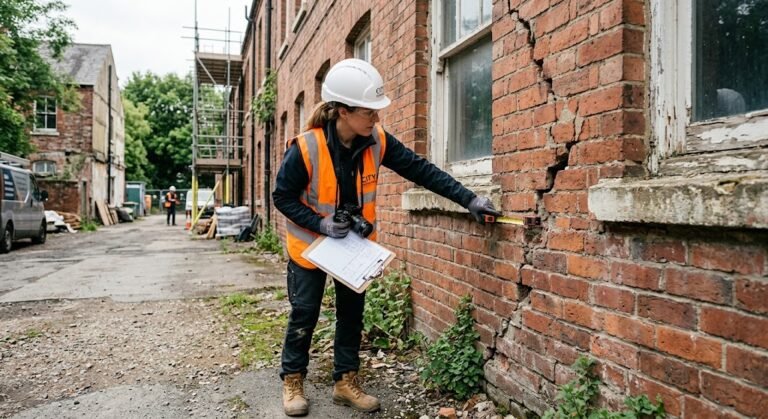
- It’s visual. Where the surveyor can’t reach a confident conclusion, the report should recommend further investigation. Damp, drains and subsidence questions often need a specialist.
- Check the surveyor is RICS regulated.
- Tell them your worries up front, and go along to the inspection if you can.
One more opinion, and it’s a strong one. If the property is old, extended or just plain odd, don’t try to save money by picking a Level 2 home buyers survey when a Level 3 fits better. Cheaper isn’t cheaper if it misses something.
FAQs
Is a Home Buyers Survey a Good Idea?
For most buyers, yes. It’s a low cost check on the biggest purchase you’ll make, and the evidence backs it up: nearly a third of buyers who had a survey acted on what it found. A brand new build is the usual exception, where a snagging inspection is often the better fit.
How Much Should a Home Buyer's Survey Cost?
Expect roughly £350 to £450 and up for a Level 2, with some providers starting nearer £440. The total rises with the property’s value and size. A Level 3 costs more. Compare quotes, and make sure you know whether you’re getting survey only or survey and valuation.
What Are Red Flags on a House Survey?
Rating 3 items top the list. Watch for signs of structural movement or subsidence, persistent damp, roof or chimney defects, dated or unsafe wiring, asbestos and drainage problems. One of those isn’t automatically a deal breaker. But it does mean getting a specialist opinion and a written quote before you commit. A page full of ambers, on the other hand, is normal in an older home. Your home buyers survey report should also tell you which issues need further investigation.
What Percentage of Home Buyers Get a Survey?
It depends who’s counting. One industry index put it at 10.6% of purchases in the second quarter of 2024. The managing director of SDL Surveying reckons it’s closer to 10 to 20% per transaction. Yet HomeOwners Alliance research found almost 60% of recent buyers had a RICS survey or new build snagging inspection, and Compare My Move found 45% of homeowners have ever paid for one. The gap comes from method. Some figures count individual transactions, while others ask people about their whole property history. Either way, a lot of people still buy without one.
Final Thoughts: Don’t Leave Your Biggest Purchase to Luck
I won’t pretend a home buyers survey makes buying stress free. It doesn’t. But it swaps guesswork for information, and that’s worth far more than the fee. If you’d like a second pair of eyes on which survey suits your property, ASG Consulting, a UK real estate and survey company, is happy to talk it through. No hard sell, promise.