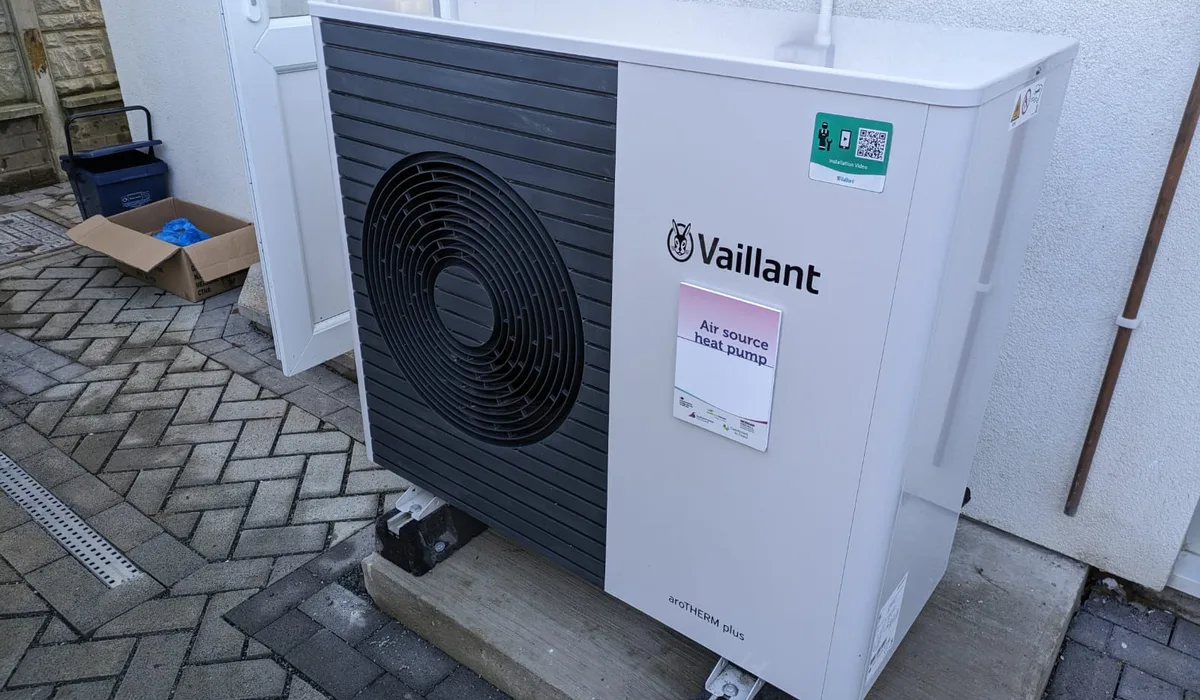
When buying a house with a heat pump, ask for the MCS certificate, the commissioning certificate, warranty and service records, and recent energy bills. Check the outdoor unit, radiators, hot water cylinder and controls, and ask how the owner runs it. A home survey notes the system visually, but a heat pump engineer can test it.
Heat pumps are appearing on more homes across Liverpool and the North West, from new build estates to older houses that have switched from gas. If you have only ever lived with a gas boiler, a heat pump works a little differently, and buying a home with one raises some new questions about paperwork, running costs and how to use it. This guide works as a set of plain answers for buyers moving from gas, with a document checklist and a side by side comparison, so you know what to check before buying a house with a heat pump.
In this guide
- What is a heat pump?
- How is a heat pump different from a gas boiler?
- What documents should you ask for?
- What should you check on a viewing?
- How do you judge running costs?
- Does the house suit a heat pump?
- Does a home survey check the heat pump?
- Did the heat pump need planning permission?
- What about grants and payments?
- What if the heat pump is leased?
- What should you do after you move in?
- What about noise and neighbours?
- What maintenance does a heat pump need?
- What if the house also has solar panels?
- What if the system is not working well?
- What should you ask the seller?
- What mistakes do buyers make?
- Heat pumps in Liverpool homes
- FAQs
What Is a Heat Pump?
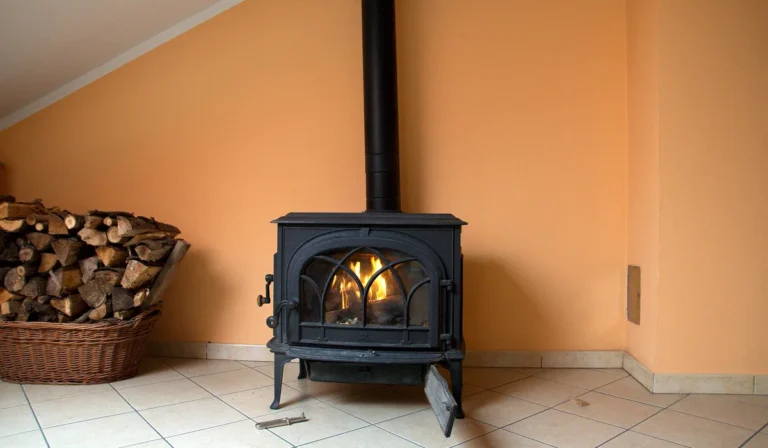
A heat pump is an electric heating system that moves heat from the outside air or the ground into your home. An air source heat pump has an outdoor unit that looks a bit like a large air conditioning unit. A ground source heat pump uses pipes buried in the garden or in a borehole.
Heat pumps usually heat radiators or underfloor heating and a hot water cylinder. They work best when they run for longer at lower temperatures, rather than heating up quickly like a gas boiler. That difference is the main thing new owners need to get used to.
How Is a Heat Pump Different From a Gas Boiler?
This comparison shows what changes for a buyer moving from gas.
| Feature | Gas boiler | Heat pump |
|---|---|---|
| Fuel | Mains gas | Electricity |
| Heating pattern | Short bursts at high temperature | Longer periods at lower temperature |
| Radiators | Standard sizes usually fine | Often larger radiators or underfloor heating |
| Hot water | Often a combi with no cylinder | Usually a hot water cylinder |
| Outdoor equipment | A flue on the wall | An outdoor unit or ground loop |
| Servicing | Annual gas safety service | Annual service, often needed to keep the warranty |
| Energy tariffs | Gas and electricity tariffs | Electricity tariff, sometimes a time of use tariff |
What Documents Should You Ask For?
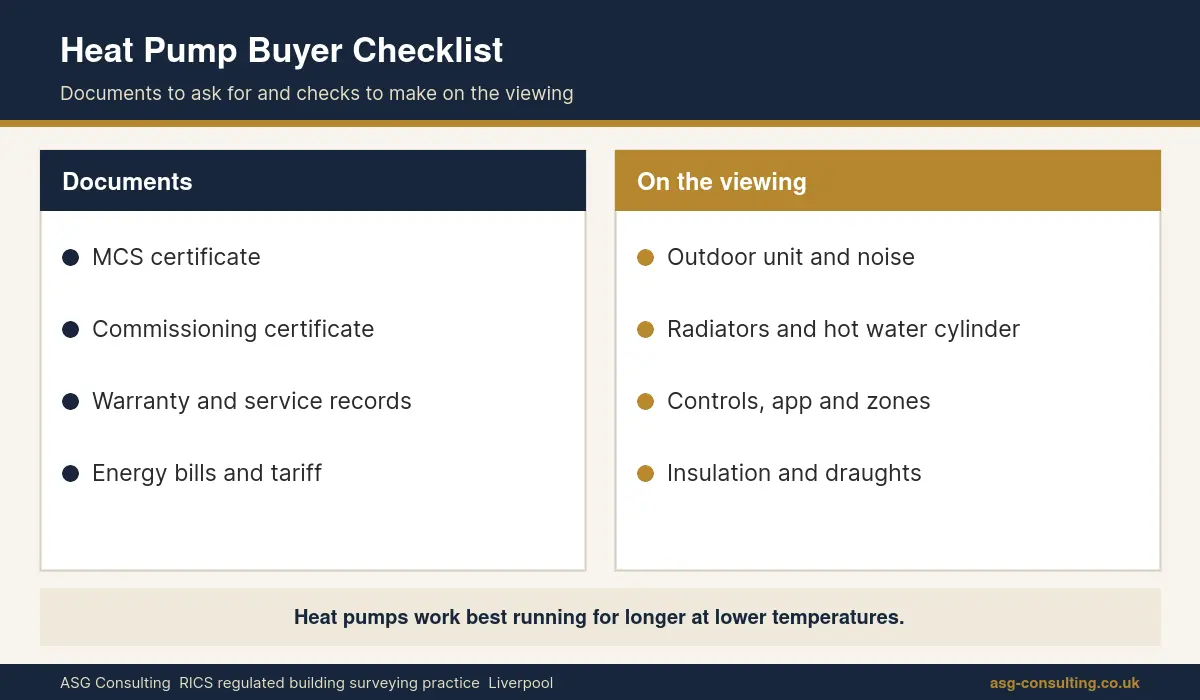
The Energy Saving Trust guide to inheriting a heat pump lists the paperwork buyers should ask for. Use this document checklist.
| Document | Why it matters |
|---|---|
| MCS certificate | Shows the system was installed by an MCS certified installer |
| Installer commissioning certificate | Shows the system was set up and tested, and may be needed for any ongoing payments |
| Warranty documents | Shows what is covered and for how long |
| Service records | Shows whether the system has been serviced, which may be needed for the warranty |
| Instruction manuals | Explains how to run the system and its controls |
| Energy Performance Certificate | Gives a broad picture of the energy efficiency of the home |
| Installer contact details | Useful if aftercare or warranty support still applies |
The Energy Saving Trust also suggests checking that the heat pump is registered with the local electricity network operator, MCS or TrustMark, and Ofgem if any payments are being claimed.
What Should You Check on a Viewing?
Look at
- The outdoor unit. Check it is secure, level, clear of leaves and not boxed in so tightly that air cannot flow.
- Noise. If the system is running, listen to how loud the outdoor unit is near bedrooms and neighbours.
- The hot water cylinder. Check its size, condition and where it is located.
- Radiators. Larger radiators or underfloor heating usually suggest the system was designed for a heat pump.
- Controls. Ask to see the thermostat, app or controller and how heating zones work.
- Pipework. Look for insulated pipes and any signs of leaks.
- Comfort. Notice whether the house feels evenly warm.
How Do You Judge Running Costs?
Ask to see recent energy bills. The Energy Saving Trust points out that bills cover all household energy use, not just the heat pump, so compare them with the size of the home and how many people live there. Ask what tariff the owner uses, because time of use tariffs change how and when heating is best run.
If the owner has an app or controller that shows energy use in kilowatt hours, that can give a more detailed picture. Remember that your habits may differ from theirs, so treat the figures as a guide rather than a promise.
Does the House Suit a Heat Pump?
The gov.uk guide to buying green heating and insulation notes that heat pumps tend to work more efficiently in well insulated homes and need to be designed correctly for the property. When you buy, look at
- loft insulation and whether walls are insulated
- draughts around windows and doors
- radiator sizes in each room
- whether rooms feel warm and evenly heated
- signs of condensation or damp
A heat pump fitted to a poorly insulated older house may struggle to keep it warm or may cost more to run. Our guides to cavity wall insulation problems and condensation in a house explain related issues.
Does a Home Survey Check the Heat Pump?
A RICS home survey includes a visual inspection of the heating system. The surveyor will note the type of system, the visible condition of the outdoor unit, cylinder and radiators, and anything that looks poorly installed or damaged. The report may recommend checks by a heat pump engineer.
A surveyor does not test the heat pump, check its efficiency or confirm that it was designed correctly for the house. A RICS Level 2 HomeBuyer Survey suits many conventional homes, and our RICS HomeBuyer Survey in Liverpool page explains what it covers. For older or altered homes, a Level 3 Building Survey gives more detail, as explained on our residential building surveying page.
Did the Heat Pump Need Planning Permission?
Many air source heat pumps on houses are permitted development, which means they do not need a planning application if they meet set conditions. In England the rules were relaxed in May 2025, including removing the requirement for units to be at least one metre from the property boundary. Conditions still apply, and stricter rules can apply to listed buildings and some locations in conservation areas.
The gov.uk green heating guide suggests checking whether any permissions were needed for the installation. Ask the seller whether planning permission was required, and ask your solicitor to check the planning history if the unit is in a prominent position or the house is listed. Our guide to buying a house in a conservation area explains wider planning controls.
What About Grants and Payments?
The Boiler Upgrade Scheme gives grants towards installing heat pumps. According to gov.uk, the grant for an air source or ground source heat pump is 7,500 pounds, with one grant per property. The guidance on what you can get also says a grant cannot be used to replace an existing low carbon heating system, so you could not normally claim it to replace a heat pump you inherit.
Some older systems were registered for payments under the Domestic Renewable Heat Incentive. The Energy Saving Trust explains that where payments are being claimed, the previous owner must tell Ofgem about the change of ownership, and the new owner must confirm with Ofgem within 12 months of the date of sale. Ask the seller whether any payments are being received.
What If the Heat Pump Is Leased?
Most heat pumps are owned outright, but some heating systems are leased or financed. The gov.uk green heating guide advises checking whether a leased system will affect your ability to mortgage or sell the property.
If the heat pump is leased or financed, ask your solicitor to review the agreement and confirm whether it transfers to you, whether payments are due and what happens at the end of the term. Our guide to buying a house with solar panels covers similar issues with leased solar panels.
What Should You Do After You Move In?
The Energy Saving Trust suggests that new owners
- ask the previous owner to demonstrate how the system works
- check the anti legionella setting on the hot water cylinder
- adjust heating habits, as heat pumps work best running longer at lower temperatures
- review the energy tariff to find one that suits how you use the system
- book an annual service, as recommended by the installer
It can take a few weeks to find the most comfortable and cost effective settings, especially if you are used to a gas boiler.
What About Noise and Neighbours?
Outdoor units make a low hum and fan noise when running, which can be more noticeable on cold days when the system works harder. Most well sited units are not intrusive, but placement matters.
On a viewing, check where the outdoor unit sits in relation to bedroom windows, patios and the house next door. Ask the seller whether neighbours have ever raised concerns. A unit squeezed into a narrow yard between buildings can reflect sound more than one in an open position.
What Maintenance Does a Heat Pump Need?
The Energy Saving Trust says heat pumps should be serviced once a year, or as recommended by the installer. Between services, simple checks help the system run well.
- keep the outdoor unit clear of leaves, snow and plants
- check the system pressure if the manual tells you how
- bleed radiators if they have cold spots at the top
- keep the area around the cylinder clear for access
- note any error codes and contact an engineer if they recur
Ask the seller for the name of the engineer who services the system. Continuing with the same company can help, because they will know how the system was set up.
What If the House Also Has Solar Panels?
Some homes combine a heat pump with solar panels and sometimes a battery. This can reduce running costs, as some of the electricity used by the heat pump may come from the panels. However, it also adds more equipment and paperwork to check.
Ask for certificates for each part of the system, and check whether the panels are owned or leased. Our guide to buying a house with solar panels explains the checks for owned and leased panels.
What If the System Is Not Working Well?
If rooms feel cold, bills seem high or the system shows error codes, do not assume the heat pump itself is faulty. Common causes include settings that suit a gas boiler rather than a heat pump, radiators that are too small, poor insulation, air in the system or a missed service.
Before you exchange contracts, consider asking a heat pump engineer to check the system and its settings. If you have concerns after moving in, contact the original installer first, as aftercare or warranty support may still apply. Keep a note of what you notice, such as cold rooms or error codes, so the engineer can diagnose the problem more easily.
What Should You Ask the Seller?
Ask these questions early and share the answers with your solicitor and surveyor.
- When was the heat pump installed, and by whom?
- Is there an MCS certificate and commissioning certificate?
- When was it last serviced?
- What warranty applies, and is it transferable?
- What are your typical energy bills, and what tariff do you use?
- What temperatures and heating pattern do you use?
- Were radiators, pipework or insulation upgraded at the same time?
- Is the system owned, leased or financed?
Our house viewing checklist covers other things to ask on a viewing.
What Mistakes Do Buyers Make With Heat Pumps?
Common mistakes include
- Judging it like a gas boiler. A heat pump that runs for long periods is usually working as designed.
- Not asking for bills. Real bills give a better picture than general estimates.
- Ignoring servicing. Missing services can affect the warranty.
- Overlooking insulation. A draughty house can make any heating system expensive to run.
- Missing payment transfers. Any ongoing payments may need to be transferred within a deadline.
Heat Pumps in Liverpool Homes
Heat pumps are becoming more common on new build estates around Liverpool and across Merseyside, and some owners of older homes have switched from gas. Victorian and Edwardian terraces in areas such as Wavertree, Anfield and Toxteth often have solid walls and limited outside space, which can affect how well a heat pump performs and where the outdoor unit can go. Flats and converted houses may have communal systems or no space for an outdoor unit at all.
Issues to look out for in Liverpool homes include
- heat pumps fitted to older solid walled homes without insulation upgrades
- outdoor units squeezed into small yards close to neighbours
- small radiators left from the old gas system
- missing commissioning or service records
- new builds where the handover pack was never passed on
Our guides to new build vs old house and a Victorian house survey cover related issues.
Buying a House With a Heat Pump FAQs
Is it a good idea to buy a house with a heat pump?
It can be, especially in a well insulated home with a properly designed system. Check the paperwork, bills and service history before you buy.
What paperwork comes with a heat pump?
Ask for the MCS certificate, commissioning certificate, warranty, service records, manuals and installer contact details.
Does a homebuyer survey check a heat pump?
A survey notes the system visually but does not test it. A heat pump engineer can check performance and settings.
Are heat pumps expensive to run?
It depends on the house, insulation, system design and tariff. Ask to see recent energy bills.
Can I get a grant to replace a heat pump I inherit?
The Boiler Upgrade Scheme grant cannot normally be used to replace an existing low carbon heating system.
How often should a heat pump be serviced?
Usually once a year, or as the installer recommends. Servicing may be needed to keep the warranty valid.
Book a Survey With ASG Consulting
ASG Consulting is an RICS regulated building surveying practice in Liverpool. We carry out RICS Level 2 HomeBuyer Surveys and Level 3 Building Surveys on new and older homes across Liverpool, Merseyside, the Wirral and the wider North West, with reports usually delivered within 3 to 5 working days of the inspection. We give a fixed fee on request, usually confirmed within one working day. To request a quote, call 0151 315 0626 or visit our contact page.
About the Author
Dave MacMillan is the lead surveyor at ASG Consulting, an RICS regulated building surveying practice at 54 St James Street, Liverpool. He has 8 years of experience in building surveying and inspects homes for buyers across Liverpool, Merseyside and the North West.
Last updated 21 November 2026
Featured photo of an air source heat pump on a terraced house by Southend on Sea Borough Council via Wikimedia Commons, public domain CC0, cropped.