A damp proof course is a barrier built into the base of a wall to stop ground moisture rising into the masonry. When a home has damp patches low on the walls, a failed damp proof course is often the first thing blamed, and DPC injection is often the first fix offered. Yet many walls with damp at skirting level do not need a new damp proof course at all. The real cause is frequently a leak, high ground levels, blocked drainage, condensation or salts in old plaster.
This guide is written as a myth busting decision guide. It explains what a damp proof course does, the five most common myths about rising damp, a simple flowchart to decide whether you really need DPC injection, the alternatives that often work better and what buyers should do when a survey mentions damp. It is written for homeowners, landlords and buyers in Liverpool, Merseyside and the North West.
In this guide
- What a damp proof course does
- Types of damp proof course
- Five damp proof course myths
- Do you need a new DPC, the flowchart
- Damp that is not rising damp
- How DPC injection works
- Alternatives to DPC injection
- Plaster, render and salts
- What a damp report should tell you
- What affects the cost
- Buying a house with damp
- Damp in Liverpool homes
- FAQs
What a Damp Proof Course Does
Masonry walls stand on the ground, and the ground is often wet. Bricks, stone and mortar are porous, so without a barrier some moisture can be drawn upwards by capillary action. A damp proof course is a horizontal layer of material that water cannot easily pass through, laid in a bed joint near the base of the wall, usually about 150 mm above outside ground level.
Damp proof courses became common in British houses from the late Victorian period onwards, after building byelaws began to require them. Most homes built since then have some form of DPC, and modern building regulations require one in new walls. Many earlier cottages and some solid walled houses were built without one and rely on breathable materials, good drainage and ventilation to stay dry.
A damp proof course only works as part of a system. It must sit above outside ground level, be continuous through the wall and link with the floor. If soil, paving, render or debris in a cavity bridge it, moisture can bypass it completely even when the DPC itself is in perfect condition.
Types of Damp Proof Course
The type of damp proof course in a wall depends mainly on when the house was built.
| Type | Common in | Typical issues |
|---|---|---|
| Slate laid in mortar | Victorian and Edwardian homes | Cracked slates from settlement, bridging by ground levels |
| Engineering brick courses | Victorian and later homes | Mortar joints can still let moisture through |
| Bitumen felt | Interwar and post war homes | Usually durable, often bridged by render or patios |
| Polythene sheet | Homes from the 1960s onwards | Durable, but can be pierced or bridged |
| Injected chemical DPC | Retrofitted to older walls | Results vary with wall type and workmanship |
Physical damp proof courses such as slate, felt and polythene rarely fail completely. Problems usually come from what happens around them, such as rising ground levels, new paths and patios, cement render or cavity debris.
Five Damp Proof Course Myths
Rising damp is widely misdiagnosed. A detailed article by building pathologist Tim Hutton on rising damp in historic buildings sets out why visual signs and meter readings are so often misread. These are the myths we see most often in Liverpool homes.
Myth 1. A tide mark means the DPC has failed
A tide mark of staining and salts at the base of a wall can be caused by many things, including leaking pipes, failed gutters, high ground levels, spilt water or condensation. Salt deposits can also stay in plaster long after the original source of water has gone. A tide mark alone does not prove rising damp.
Myth 2. A damp meter reading proves rising damp
Most handheld moisture meters are designed for timber. On plaster and masonry they react to salts and conductive materials as well as water, so they can show high readings on a dry wall. Meter readings are a useful guide, but they need to be interpreted by someone who understands their limits and checked with other evidence.
Myth 3. DPC injection fixes every damp wall
DPC injection is only useful where there is genuine rising damp through a wall that the product can treat. It will not fix leaks, penetrating damp, condensation or bridging. It is also less reliable in stone and in walls with mixed materials, where the fluid follows the easiest path rather than forming a continuous barrier.
Myth 4. Old walls without a DPC are always damp
Many older solid walls were built to manage moisture rather than block it. With lime mortar, breathable plaster, sound drainage and good ventilation, they can stay reasonably dry for centuries. Problems often start when modern impermeable materials are added.
Myth 5. Cement render and waterproof plaster are the cure
Hard cement renders and waterproof plasters can trap moisture inside a wall, pushing it higher or sideways and making the problem worse over time. Once they crack, water gets in but cannot dry out. Breathable lime based finishes are usually a better choice for older walls.
Do You Need a New Damp Proof Course, The Flowchart
Before paying for chemical injection, work through the questions in the flowchart below. Each one rules out a common cause that a new DPC would not fix.
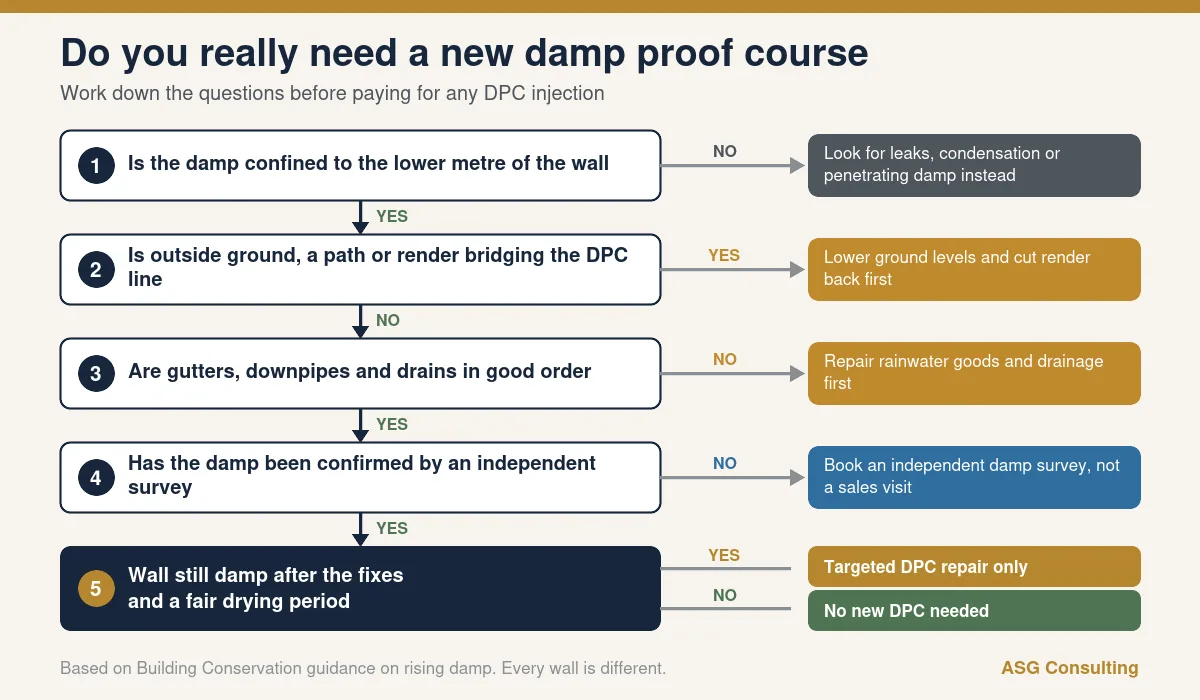
1. Is the damp confined to the lower metre of the wall?
Rising damp rarely climbs more than about a metre. Damp that is higher up, patchy, around windows or in ceilings points to leaks, penetrating damp or condensation instead.
2. Is the DPC bridged?
Check outside. If soil, a path, a patio or render sits at or above the damp proof course, moisture can bypass it. Lowering the ground or cutting the render back is cheaper and more effective than chemical injection.
3. Are gutters, downpipes and drains in good order?
Overflowing gutters, leaking downpipes and blocked gullies soak the base of walls. Repairing them is often the single most effective damp treatment.
4. Has the damp been confirmed by an independent survey?
A proper damp survey uses more than a meter. It looks at the pattern of damp, the construction, the ground outside and the history of the building. A free survey from a company selling damp proofing is not the same as independent advice.
5. Is the wall still damp after the fixes and a drying period?
Walls take time to dry, often months. If damp persists after the other causes have been dealt with, a targeted DPC repair may be justified, using a method suited to the wall type, with breathable plaster.
Damp That Is Not Rising Damp
These are the causes most often mistaken for a failed damp proof course.
| Cause | Typical clue | Usual fix |
|---|---|---|
| Bridged DPC | Ground or render at or above the DPC line | Lower ground, cut back render |
| Leaking pipes | Localised damp near radiators, kitchens or bathrooms | Repair the leak and let the wall dry |
| Failed rainwater goods | Damp below gutters and downpipes | Repair and clear gutters and gullies |
| Condensation | Worse in winter, on cold corners, with mould | Heating, ventilation and humidity control |
| Hygroscopic salts | Plaster damp in humid weather, salt bloom | Remove contaminated plaster, use breathable finish |
| Penetrating damp | Damp after rain, often higher up the wall | Repoint, repair brickwork and render |
Our guide to the warning signs of rising damp explains how to tell these apart in more detail, and our article on condensation in a house covers moisture from everyday living.
How DPC Injection Works
DPC injection is a way of adding a DPC to an existing wall without rebuilding it. Holes are drilled along a mortar course near the base of the wall, then a water repellent cream or fluid is injected. The product spreads through the mortar and surrounding masonry and forms a water repellent zone.
Chemical injection can work in suitable walls where the cause has been confirmed as rising damp. It tends to perform best in regular brickwork with consistent mortar joints. It is less reliable in random stone, rubble filled walls and walls built from mixed materials. Some products also need the wall to be fairly dry to form an effective barrier.
After chemical injection, the internal plaster is usually removed to about a metre high and replaced with a salt resistant plaster. That replastering is often a large part of the cost and the disruption, and it can hide continuing problems rather than solve them.
Alternatives to DPC Injection
Before considering DPC injection, look at these options. They are often cheaper and work with the building rather than against it.
- Lower external ground levels so they sit at least 150 mm below the damp proof course.
- Remove or cut back cement render that bridges the DPC.
- Repair gutters, downpipes, gullies and drains.
- Clear and add airbricks to ventilate suspended timber floors.
- Replace hard cement plaster with breathable lime plaster where salts are present.
- Improve heating and ventilation to control condensation.
- In rare cases, insert a new physical damp proof course by cutting into the wall in short sections.
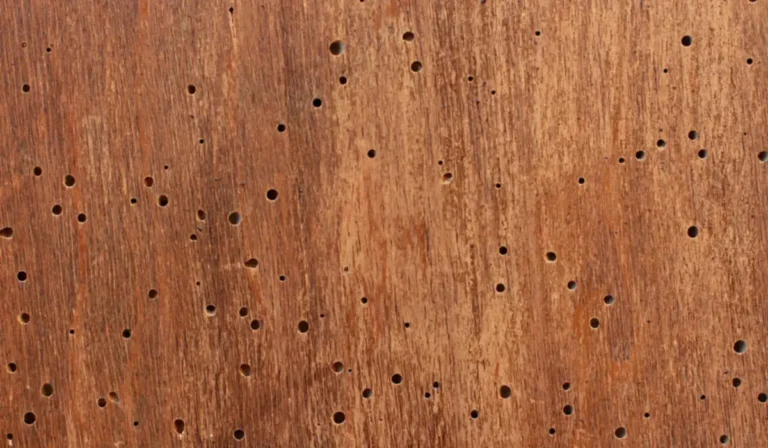
Where timber floors and skirtings have been affected by long term damp, it is worth checking them for decay or insect attack. Our guides on dry rot and wet rot and woodworm treatment explain what to look for.
Plaster, Render and Salts
Groundwater carries dissolved salts. When water evaporates from a wall, the salts stay behind in the plaster. Some of these salts draw moisture from the air, so the plaster can feel damp in humid weather even when no water is rising from the ground. This is why some walls stay damp after a successful repair.
The answer is often to remove salt contaminated plaster and replace it with a breathable finish that suits the wall. Gypsum plaster and hard cement plaster are poor choices on damp, salty walls. Lime plaster allows moisture to evaporate and is more tolerant of small amounts of salt.
Outside, hard cement render at the foot of a wall can trap moisture and bridge the DPC. Cutting it back to a clean line above the damp proof course, or replacing it with lime render, often brings quick improvement.
What a Good Damp Report Should Tell You
Whether you are a homeowner or a buyer, the written report is what you will rely on when deciding whether to spend money. A useful damp report should do more than list meter readings. It should explain the pattern of damp, the likely source and the evidence behind that conclusion.
Look for a report that covers these points.
- Where the damp is, how high it reaches and how it changes from room to room.
- The wall construction and whether a DPC is present and visible outside.
- External ground levels, paths, render and any bridging found.
- The condition of gutters, downpipes, gullies and drains.
- Whether condensation or salts could explain the readings.
- Clear recommendations in order of priority, starting with the simplest fixes.
If a report goes straight from a few meter readings to a quote for chemical injection and replastering, without looking at these causes, it is worth getting a second opinion before agreeing to any work.
What Affects the Cost of a Damp Proof Course
The cost of DPC work varies a lot, and the cheapest quote is not always the best value. These are the main factors.
- Whether a new damp proof course is needed at all, or simpler repairs will do.
- The length of wall to treat and the wall type.
- The amount of plaster to remove and replace.
- Access, including furniture, fitted kitchens and floor coverings.
- Any external work such as lowering ground levels or drainage repairs.
- The type and terms of any guarantee offered.
An independent damp survey often costs less than a few metres of chemical injection and replastering, so it pays to confirm the cause before agreeing to work.
Buying a House with Damp
Damp is one of the most common findings on a home buyer survey, especially in older terraces. If your report mentions damp or a possible DPC problem, ask your surveyor what the likely cause is and whether a further investigation is recommended.
Some lenders ask for a specialist damp report before releasing funds. Be careful if that report comes from a firm that also sells the treatment. An independent view helps you understand whether you are facing a simple gutter repair or a larger job, and gives you evidence to negotiate on price. A full home buyers survey or building survey will look at the likely causes rather than just the symptoms.
If the seller provides a damp proof course guarantee, check what it covers, whether it transfers to you and whether the company that issued it is still trading.
Damp in Liverpool Homes
Liverpool and Merseyside have thousands of Victorian and Edwardian terraces with slate damp proof courses, solid walls and suspended timber floors. Over the decades, many have had paths and yards raised, cement render added and airbricks blocked, all of which can lead to damp at the base of walls.
The wet North West climate makes gutters, downpipes and drainage especially important. In our experience, a large share of the damp reported as rising damp in local homes turns out to be bridging, drainage or condensation. For older properties, a Victorian house survey is a good way to understand how the building handles moisture before any DPC work is agreed.
Damp Proof Course FAQs
How long does a damp proof course last?
Physical damp proof courses such as slate, felt and polythene can last for the life of the building if they are not bridged or damaged. Injected treatments vary and usually come with a guarantee period.
How do I find my DPC?
Look outside for a thin line of slate, black felt or plastic in a mortar joint near the base of the wall, or a row of filled drill holes from a previous chemical injection.
Can a patio bridge the DPC?
Yes. If a patio, path or flower bed sits at or above the damp proof course, moisture can bypass it. Ground should ideally be at least 150 mm below the DPC.
Does DPC injection work in stone walls?
It is less reliable in stone and mixed masonry because the fluid follows the easiest path. Other methods are usually better for stone walls.
How long should I wait before replastering?
Walls can take many months to dry. Follow the specification for your wall and treatment, and avoid sealing the wall with impermeable finishes too soon.
Is rising damp covered by home insurance?
Gradual damp is usually excluded from home insurance, but cover varies, so check your policy.
Who should I call about damp?
Start with an independent surveyor who can identify the cause, then use a contractor to carry out the agreed specification.
Get Independent Damp Advice in Liverpool
ASG Consulting is regulated by RICS. Our surveyors investigate damp across Liverpool, Merseyside and the North West, find the real cause and tell you honestly whether a new damp proof course or DPC injection is needed. To find out more, visit our damp and timber surveys page.
About the Author
Harry is a property content writer with 3 years of experience writing about building surveying, commercial property and property compliance in the UK. He writes the guides at ASG Consulting for buyers, tenants and landlords, turning survey practice into clear, practical advice.
Reviewed by Dave MacMillan MRICS, chartered surveyor at ASG Consulting. Dave checks the technical content of our guides against current RICS practice before they are published.
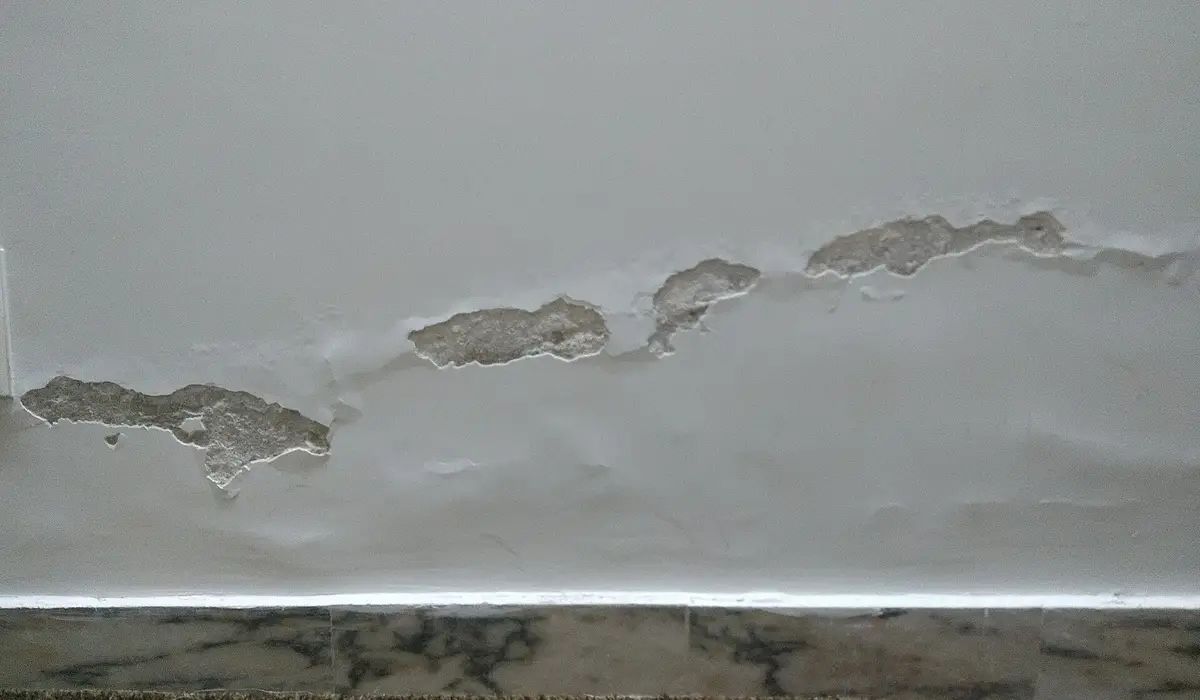
Featured photo of damp damaged plaster above a skirting by Kebabknight via Wikimedia Commons, licence CC BY SA 4.0, cropped.