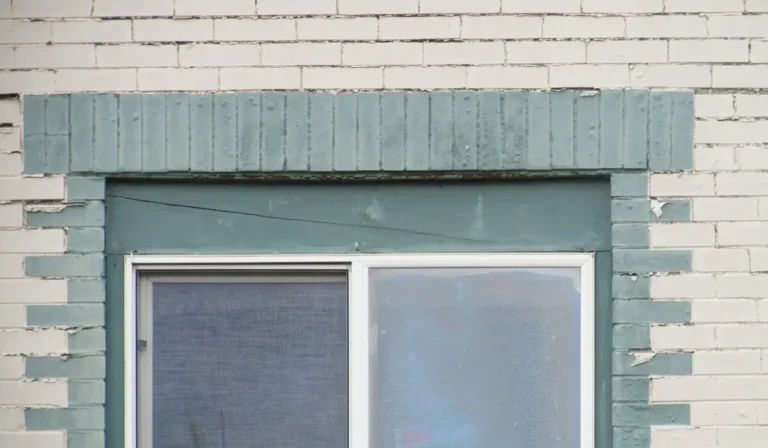
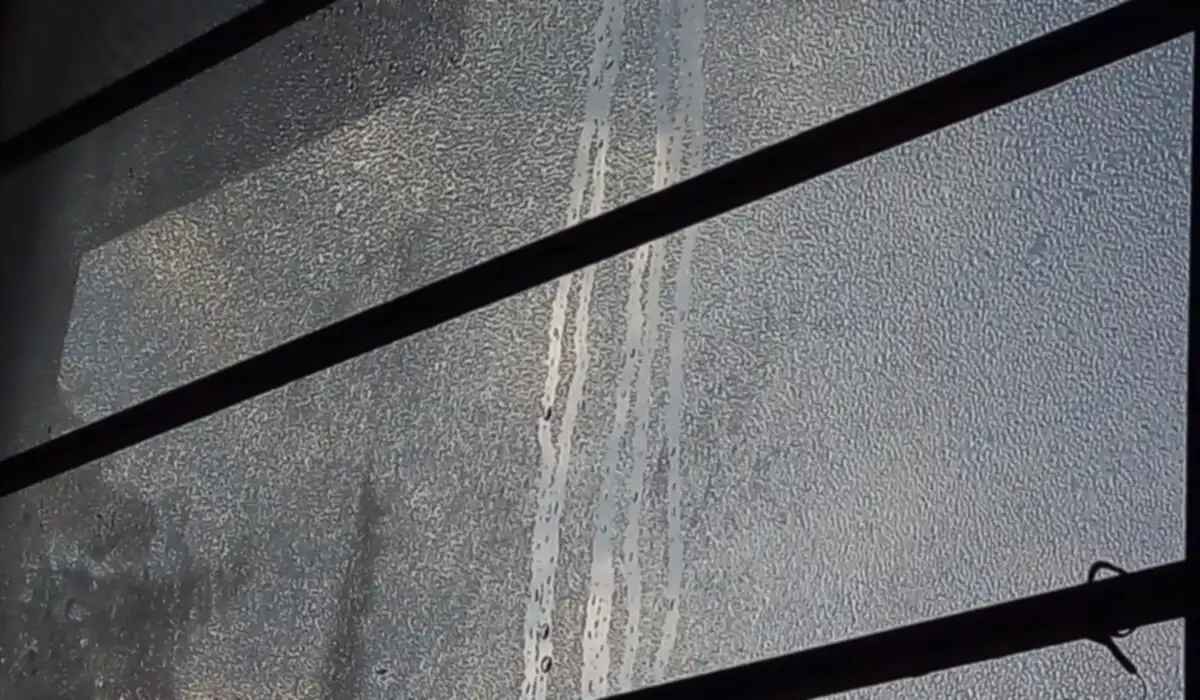
Condensation in house rooms is the most common cause of damp and black mould in UK homes, especially in autumn and winter. It forms when warm, moist air inside the home meets a cold surface, such as a window, an outside wall or the corner of a ceiling, and the water vapour turns back into liquid. A little condensation on a window on a cold morning is normal. Streaming windows, wet walls and spreading mould are signs that the balance between moisture, heating and ventilation in the home is wrong.
This guide is written as a room by room action plan. It explains how condensation forms, how to tell condensation vs damp from other sources, what to do in the kitchen, bathroom, bedrooms and living areas, how building defects can make the problem worse and when to call a surveyor. It is written for homeowners, tenants and landlords in Liverpool, Merseyside and the North West.
In this guide
- How condensation forms
- Signs of condensation
- Condensation vs damp
- Room by room action plan
- Humidity, heating and ventilation
- Cleaning mould safely
- When the building is the problem
- Condensation in house types
- A worked example
- Tenants and landlords
- Common myths
- When to call a surveyor
- Condensation in Liverpool homes
- FAQs
How Condensation in House Rooms Forms
Air always holds some water vapour. Warm air can hold more than cold air. When warm, moist air touches a surface that is colder than its dew point, it can no longer hold all of that moisture, and the excess condenses as droplets. That is why condensation in house rooms shows up first on single glazed windows, metal frames, cold outside walls, corners, behind furniture and on ceilings below cold roofs.
Everyday life produces a lot of moisture. Cooking, kettles, showers, baths, drying clothes indoors, breathing and even pets and plants all add water vapour to the air. In a modern home with sealed windows and limited ventilation, that moisture has fewer ways to escape. If the home is also cold, or heated unevenly, the surfaces where water condenses become more common.
Three things control condensation, and fixing it usually means working on all three.
- Moisture. How much water vapour is produced inside the home.
- Ventilation. How quickly moist air is removed and replaced.
- Temperature. How warm the air and surfaces are, which depends on heating and insulation.
Signs of Condensation
Condensation in house rooms has a typical pattern that helps tell it apart from other damp problems.
- Water droplets or streams on windows, especially in the morning.
- Black spot mould on window reveals, ceilings, corners and the backs of wardrobes.
- Damp patches high on outside walls, in corners or on ceilings, rather than low down.
- A musty smell, particularly in bedrooms and cupboards.
- Peeling wallpaper or paint on cold walls.
- Mould on clothes, shoes or bags stored against outside walls.
- Problems that are worse in winter and ease in summer.
Condensation vs Damp From Other Causes
People often use the word damp for any moisture problem, but the cause matters because the fix is different. The table below compares condensation vs damp from rain penetration and rising damp.
| Feature | Condensation | Penetrating damp | Rising damp |
|---|---|---|---|
| Where it appears | Cold surfaces, corners, windows, behind furniture | Usually one area of wall or ceiling near a defect | Low on walls, up to about a metre |
| When it is worse | Winter, mornings, after showers and cooking | After heavy or wind driven rain | Fairly constant |
| Typical signs | Black spot mould, wet windows | Stains, tide marks, damaged plaster | Tide mark, salts, crumbling plaster |
| Main fix | Reduce moisture, improve ventilation and heating | Repair the roof, gutter, wall or window | Find the cause, often bridging or ground levels |
Getting the condensation vs damp question right first saves money, because treatments for one rarely fix the other. Several causes can exist together. A leaking gutter can make a wall colder and wetter, which then attracts condensation. Our guide to rising damp in a house explains how true rising damp is identified, and our cavity wall insulation problems guide covers damp caused by filled cavities.
Condensation in House Rooms, an Action Plan
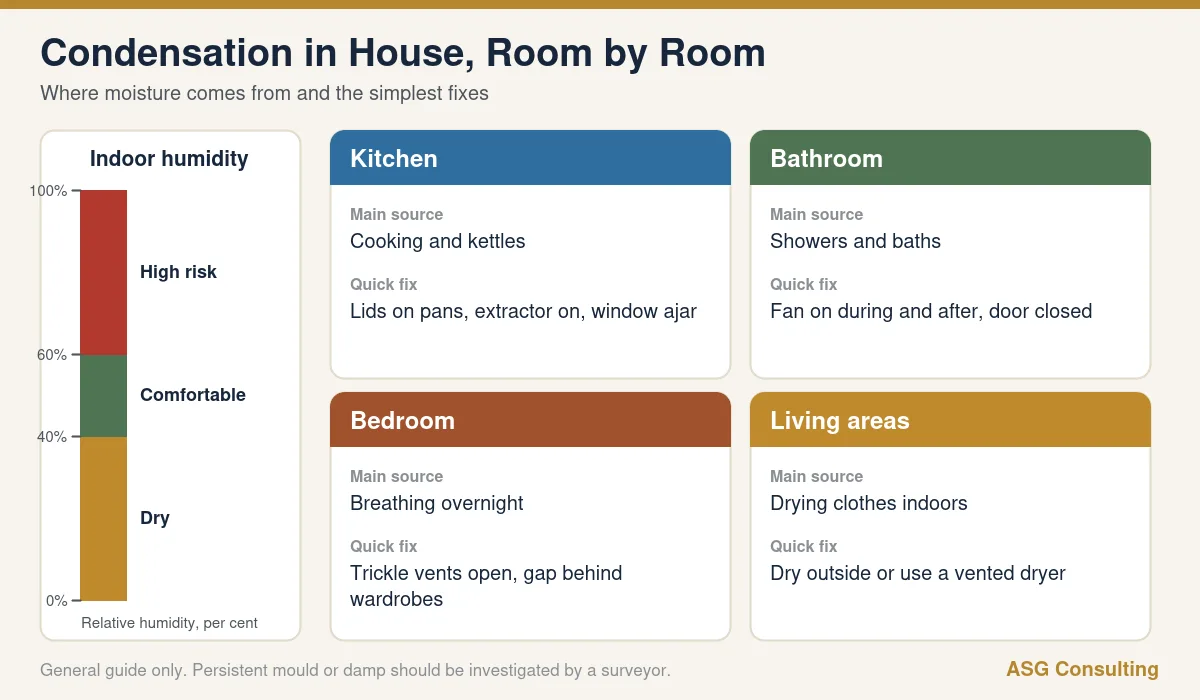
The guide below shows where moisture usually comes from in each room and the simplest fixes, along with the humidity range many councils and housing providers recommend.
Kitchen
Cooking and boiling kettles release a lot of steam in a short time.
- Use lids on pans and switch on the cooker hood or extractor fan every time you cook.
- Keep the kitchen door closed while cooking so steam does not spread to colder rooms.
- Open a window slightly after cooking to clear the steam.
- Make sure tumble dryers are vented to the outside or are condenser models.
Bathroom
Showers and baths are one of the biggest sources of moisture.
- Run the extractor fan during and for at least a few minutes after a shower or bath.
- Keep the door closed so steam does not drift into bedrooms.
- Wipe down tiles, screens and windows after use.
- Check the fan actually works and is not blocked with dust.
Bedrooms
People breathe out moisture all night, and bedrooms are often kept cooler than living rooms.
- Open trickle vents on windows, and leave them open.
- Keep a small gap between wardrobes or beds and outside walls.
- Avoid overfilling wardrobes and cupboards on cold walls.
- Keep bedrooms at a steady low heat rather than letting them get very cold.
Living areas
Drying clothes indoors is one of the most common causes of condensation in house living spaces.
- Dry washing outside when you can, or use a vented or condenser dryer.
- If you must dry indoors, do it in one room with the door closed and a window open or a dehumidifier running.
- Avoid drying clothes on radiators.
- Do not block air vents or air bricks.
Humidity, Heating and Ventilation
Many councils and housing providers suggest keeping indoor relative humidity roughly between 40 and 60 per cent. A simple digital hygrometer costs little and shows when the air is getting too moist. If readings stay well above that range, condensation is likely on the coldest surfaces.
Heating and ventilation work together. Opening windows while the heating is on can feel wasteful, but short bursts of ventilation remove moist air quickly, and warm dry air is easier to heat than cold damp air. Keeping all rooms at a low background temperature, rather than heating some rooms hard and leaving others cold, reduces the number of cold surfaces where condensation in house rooms can form.
Dehumidifiers can help in problem rooms, especially where clothes have to be dried indoors, but they treat the symptom. The long term answer is a balance of lower moisture, good ventilation and adequate heating. The government guidance on understanding and addressing the health risks of damp and mould sets out why these problems matter for health and how housing providers should respond.
Cleaning Mould Safely
Mould caused by condensation in house rooms can usually be cleaned from hard surfaces, but it will come back if the cause is not dealt with.
- Wear gloves and, ideally, a mask and eye protection.
- Use a suitable mould remover following the instructions, and keep the room ventilated.
- Wipe rather than brush, to avoid spreading spores.
- Throw away cloths after use, and wash affected fabrics.
- Do not paint over mould without treating it first.
If mould keeps returning, covers large areas or affects someone who is vulnerable, get advice rather than repeatedly cleaning it.
When the Building Is the Problem
Not all condensation in house rooms is about lifestyle. Some homes are much more prone to it because of how they are built or maintained.
- Cold bridges. Concrete lintels, steel beams and uninsulated corners create cold spots where condensation forms.
- Poor insulation. Thin loft insulation, solid walls and single glazing make surfaces colder.
- Missing or broken fans. Kitchens and bathrooms without working extraction trap steam.
- Blocked ventilation. Sealed trickle vents, blocked air bricks and closed chimneys reduce air movement.
- Cold roofs. Flat roofs and room in roof spaces without proper insulation and vapour control can suffer condensation within the structure. Our guide to flat roof problems explains this.
- Penetrating damp. Wet walls are colder walls, which attracts condensation.
Long term condensation can also wet timber in window frames, floors and roofs, which can lead to rot. Our guide to dry rot vs wet rot explains how timber decay develops.
Condensation in House Types
Some types of home are more prone to condensation than others, and the best fixes differ.
- Victorian and Edwardian terraces. Solid walls are colder than cavity walls, and rear outriggers with bathrooms and kitchens often suffer. Condensation in house rooms of this age tends to gather on outside walls in bedrooms and behind furniture. Our Victorian house survey guide covers these homes in more detail.
- Interwar and post war semis. Cold bay windows, concrete lintels and older windows create cold spots at reveals and ceilings.
- Flats. Smaller rooms, fewer outside walls to open windows in and shared roofs can all concentrate moisture. Top floor flats below cold roofs and ground floor flats with cold floors are often affected.
- Newly insulated or sealed homes. New windows, blocked chimneys and draught proofing can reduce air movement, so ventilation needs to be planned alongside improvements.
A Worked Example
This example is illustrative, but it reflects cases we see often. A family in a two bedroom flat in Wavertree reported black mould in both bedrooms and on the kitchen ceiling every winter. The bathroom fan had stopped working, trickle vents had been taped shut to stop draughts, and washing was dried on radiators in the living room most days.
Moisture readings showed the outside walls were dry inside the masonry, with high readings only at the surface, which pointed to condensation rather than penetrating damp. The fix was simple. The fan was replaced with a humidity controlled unit, trickle vents were reopened, a vented dryer was installed and the heating was set to a steady low background temperature. Within a few weeks the condensation in house rooms had reduced sharply, and the mould did not return after cleaning.
Tenants and Landlords
Condensation in house rooms is often a source of disagreement between tenants and landlords, because it can be caused by how a home is used, how it is built, or both. Landlords are expected to make sure homes are free from serious hazards, including damp and mould, and to provide adequate heating, insulation and ventilation. Tenants are expected to use the home reasonably, including heating and ventilating it.
For social housing, Awaabs Law sets strict timescales for investigating and fixing damp and mould. Our Awaabs Law guide explains the rules, and our housing disrepair surveys page explains how an independent survey can establish the cause. Landlords of shared houses can use our HMO survey checklist, as higher occupancy usually means more moisture.
Common Condensation Myths
- Myth, a damp proof course will fix it. Damp proofing does nothing for condensation, which forms on surfaces, not from the ground.
- Myth, opening windows wastes heat so should be avoided. Short ventilation is one of the most effective ways to reduce moisture.
- Myth, new windows will solve it. Better windows reduce condensation on the glass, but moisture may then condense on walls instead if ventilation is poor.
- Myth, mould means the house is falling apart. Condensation mould is common and usually fixable, although it should be taken seriously.
- Myth, it is always the occupant. Building defects often play a part, and a fair assessment looks at both.
When to Call a Surveyor
Many cases of condensation in house rooms improve with the steps above. Call a surveyor if the problem continues despite changes, if you are not sure whether it is condensation vs damp from another source, or if there is a dispute about the cause.
A damp investigation will look at moisture readings, the pattern of damp and mould, ventilation, heating, insulation and any building defects. It can distinguish surface condensation from penetrating or rising damp and recommend proportionate fixes. Our damp and timber surveys page explains how we approach these investigations. If you are buying a home with signs of mould, ask the surveyor about it during your home survey.
Condensation in Liverpool Homes
Liverpool and Merseyside have a mild but wet climate, and many homes are older properties with solid walls or post war homes with cold concrete details. Victorian terraces, interwar semis with cold bay windows and flats in older blocks are all prone to condensation in winter, especially where windows have been sealed or extract fans are missing.
When we investigate condensation in house rooms across the region, the most common causes are drying clothes indoors, broken or absent extract fans, closed trickle vents, cold corners and window reveals, and penetrating damp from defects such as leaking gutters. Most cases can be improved with a combination of simple changes and targeted repairs.
Condensation in House FAQs
Is condensation on windows normal?
A small amount on cold mornings is normal, especially on single glazing. Heavy, streaming condensation every day is a sign that moisture levels are too high or ventilation is too low.
How do I tell condensation vs damp?
Condensation usually appears on cold surfaces, in corners and behind furniture, and is worse in winter and after showers or cooking. Damp from rain or the ground tends to be in one area linked to a defect, or low on walls.
What humidity level should my home be?
Many councils and housing providers suggest roughly 40 to 60 per cent relative humidity. A cheap hygrometer will show you where your home sits.
Will a dehumidifier stop condensation?
It can help, especially in rooms where clothes are dried, but it treats the symptom. Reducing moisture, improving ventilation and heating steadily are the long term fixes.
Can condensation cause structural damage?
Over time, persistent condensation can wet timber and plaster, leading to decay and damage. It can also affect health, so it should be dealt with.
Who is responsible for condensation in a rented home?
It depends on the cause. Landlords must provide a home free from serious hazards with adequate heating and ventilation, while tenants should use the home reasonably. An independent survey can help where there is a dispute.
Does double glazing cause condensation?
No, but sealing a home without improving ventilation can move condensation from the windows to the walls. Trickle vents and extract fans are important.
Can condensation in house rooms affect health?
Yes. Damp and mould are linked to breathing problems and can be particularly harmful for children, older people and anyone with a respiratory condition or weakened immune system. Persistent mould should be dealt with promptly.
Why is condensation worse in my bedroom?
Bedrooms are often cooler and closed overnight, while people breathe out moisture for many hours. Open trickle vents and keep a steady low heat.
Book a Damp and Condensation Survey in Liverpool
ASG Consulting is regulated by RICS. Our surveyors investigate condensation, damp and mould in homes and rented properties across Liverpool, Merseyside and the North West, with clear advice on the cause and practical solutions. To get a quote, visit our residential building surveying page.
About the Author
Harry is a property content writer with 3 years of experience writing about building surveying, commercial property and property compliance in the UK. He writes the guides at ASG Consulting for buyers, tenants and landlords, turning survey practice into clear, practical advice.
Reviewed by Dave MacMillan MRICS, chartered surveyor at ASG Consulting. Dave checks the technical content of our guides against current RICS practice before they are published.
Featured photo of window condensation by Doggo19292 via Wikimedia Commons, released into the public domain, cropped.