A survey for buying a flat works differently from a survey on a house. You are buying your own flat plus a share in a larger building, usually on a lease, and many of the biggest risks sit in the parts you do not own outright, such as the roof, the outside walls, the shared stairs and the way the block is managed. A good flat survey looks closely at your flat, checks what can safely be seen of the wider building and flags the questions your solicitor needs to ask before you commit.
This guide is laid out as a flat buyer checklist. It explains what a survey for buying a flat covers and what it leaves out, which survey level to choose, the checks to make on the building and the lease, how cladding and building safety are handled in 2026, and how the advice changes for converted flats, warehouse apartments, purpose built blocks and new builds. It is written for buyers in Liverpool, Merseyside and the North West.
In this guide
- Why flats need a different approach
- What a flat survey covers
- Which survey level to choose
- Checklist inside the flat
- Checklist for the building
- Lease and management checks
- Cladding and building safety in 2026
- Advice by type of flat
- Common problems in flats
- Flat survey costs
- After the survey
- Buying a flat in Liverpool
- FAQs
Why a Survey for Buying a Flat Needs a Different Approach
When you buy a house, you usually own the whole building and the land it stands on. When you buy a flat in England and Wales, you usually buy a long lease. The freeholder or a management company looks after the structure and shared areas, and you contribute to the cost through a service charge. That means the condition of the whole block, the quality of its management and the terms of the lease matter as much as the condition of the rooms you will live in.
A survey for buying a flat therefore has two jobs. It reports on the flat itself in the same way as any home survey, and it gives you an informed view of the wider building so that you and your solicitor can ask the right questions. It cannot inspect every part of a large block, but it can tell you where the risks are likely to be.
What a Flat Survey Covers
The infographic below sums up what a Level 2 flat survey usually covers, what it leaves out and what to raise with your solicitor.
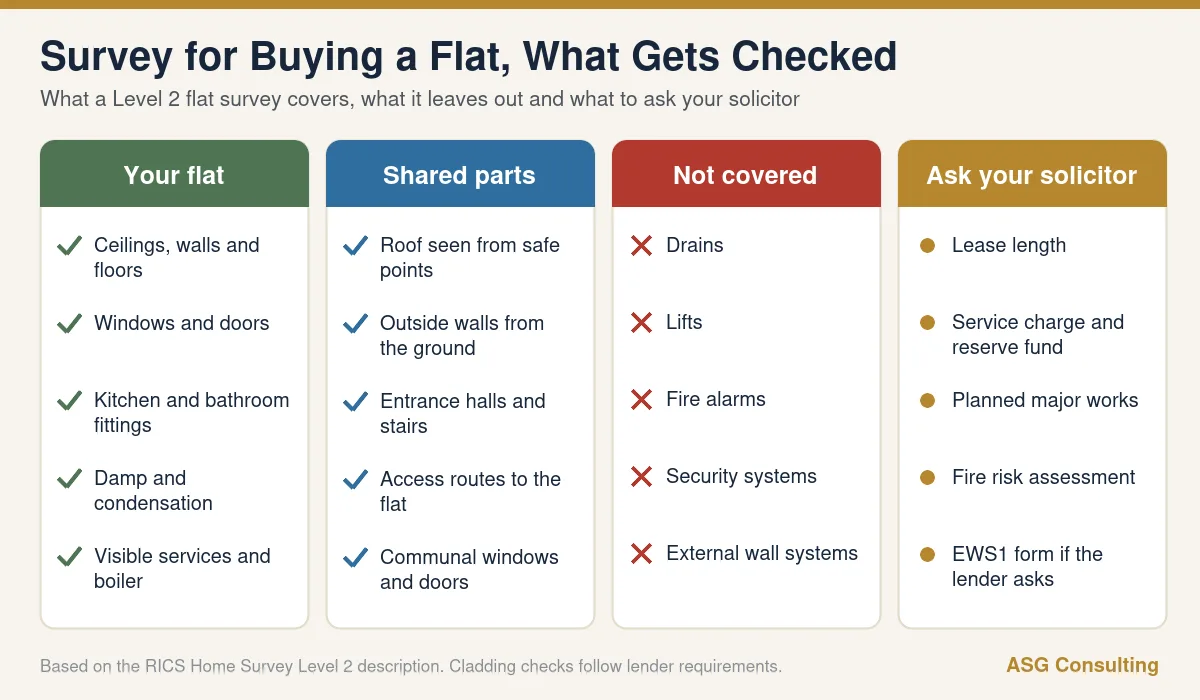
Under the RICS Home Survey Level 2, the surveyor inspects the inside of the flat and the parts of the building needed to understand its condition, such as the shared areas that give access to the flat and the roof and outside walls as far as they can be seen safely from the ground and from within the building. For flats, the RICS description of the Home Survey Level 2 explains that drains, lifts, fire alarms, security systems and external wall systems are not inspected.
Those limits are not a weakness of the surveyor. They reflect the fact that shared systems in a block are maintained under contracts and records held by the managing agent or freeholder, and that information belongs in the legal enquiries.
Which Survey Level to Choose for a Flat
For most flats, the choice is between a Level 2 survey and a Level 3 building survey.
| Type of flat | Usual choice | Why |
|---|---|---|
| Modern purpose built flat in good condition | Level 2 | Conventional construction and fewer unknowns |
| Flat in an older purpose built block | Level 2, or Level 3 if worn | Age of roofs, windows and services may need more detail |
| Flat in a converted Victorian or Edwardian house | Level 3 often advised | Conversions vary in quality, and fire separation and sound insulation matter |
| Warehouse or mill conversion | Level 3 often advised | Large, unusual structures with complex histories |
| Brand new flat | Snagging inspection | Checks the finish and defects against warranty standards |
If you are unsure, describe the flat and the building to the surveyor before you book. Our guide to the home buyers survey explains the levels in more depth.
Flat Survey Checklist Inside the Flat
Inside your flat, the surveyor will look at the same elements as in a house. Use this checklist to make sure your survey for buying a flat covers what matters to you, and mention any concerns when you book.
- Ceilings, walls and floors. Cracks, sagging, uneven floors and signs of past movement.
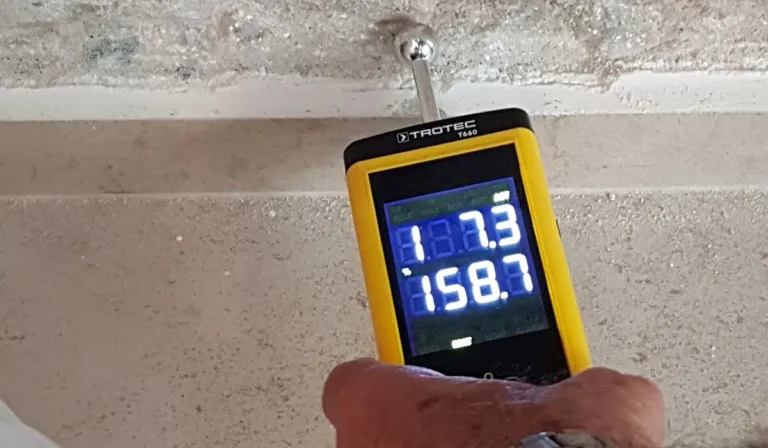
- Damp and condensation. Especially in top floor flats below flat roofs, basement flats and rooms with poor ventilation.
- Windows and doors. Condition, operation, seals and whether the front door looks like a fire door.
- Kitchen and bathroom. Fittings, signs of leaks and extractor fans.
- Heating and hot water. Visible condition of the boiler or electric heating, and any signs of age.
- Electrics. Visible condition of the consumer unit and wiring, with advice on testing where needed.
- Alterations. Removed walls, new bathrooms or changes to layout that may need consent under the lease.
Alterations are a particular issue for flats. Many leases require the landlord to approve structural changes, so the surveyor will often flag them for your solicitor to check.
Flat Survey Checklist for the Building
This is where a survey for buying a flat differs most from a house survey. The surveyor will look at the wider building as far as they can safely see it, and note anything that may lead to future costs.
- Roof. Condition of coverings and gutters seen from the ground or accessible points. Flat roofs and ageing slate roofs are common sources of future bills.
- Outside walls. Brickwork, pointing, render and any visible cracking or staining.
- Windows in the block. Whether windows are the responsibility of the flat owner or the freeholder varies by lease.
- Shared entrance, halls and stairs. General condition, lighting, cleanliness and signs of neglect.
- Grounds, bin stores and parking. Condition and how well they appear to be looked after.
- Signs of management. A tidy, well maintained block often points to active management. Neglect can mean future catch up costs.
Your surveyor will usually comment on whether the building appears to be well maintained and suggest questions about planned works. Those observations are valuable, because the cost of repairs to the block will be shared between the flat owners through the service charge.
Lease and Management Checks for Your Solicitor
A flat survey does not review your lease, but the surveyor will often point you towards the legal checks that matter. Pass these to your solicitor or conveyancer.
| Check | Why it matters |
|---|---|
| Lease length | Short leases can affect mortgages and resale, and are more expensive to extend |
| Ground rent and review terms | Rising ground rents can affect value and lending |
| Service charge and accounts | Shows the running cost and whether bills are rising |
| Reserve or sinking fund | A healthy fund helps pay for major works without large one off bills |
| Planned major works | Roofs, windows, lifts and external works can lead to big contributions |
| Fire risk assessment | Shows how fire safety in the shared parts is managed |
| Repair responsibilities | Confirms who repairs windows, roofs, structure and services |
| Consent for alterations | Unapproved changes can cause legal problems later |
On lease length, leases under 80 years have traditionally been more expensive to extend because of a charge known as marriage value. The Leasehold and Freehold Reform Act 2024 includes changes to how lease extensions are valued, but the main valuation changes were not yet in force at the time of writing, so take legal advice on the position for your flat.
Cladding and Building Safety in 2026
For flats in taller blocks, cladding and external wall safety are still important questions. Two points are especially useful for buyers in 2026.
EWS1 forms and lenders. RICS has published the second edition of its standard on valuing flats in multi storey buildings with cladding, effective from 1 November 2026. Under the updated standard, a valuer should only ask for an EWS1 form where there is a clear reason, based on factors such as building height and visible cladding. In some cases, a summary of a PAS 9980 fire risk appraisal of the external walls can be used instead. RICS also stresses that an EWS1 is for valuation and lending only and is not a fire safety certificate. The RICS announcement sets out the changes.
Leaseholder protections. Under the Building Safety Act 2022, qualifying leaseholders in buildings above 11 metres, or 5 storeys, are protected from the cost of removing unsafe cladding, and other historic safety costs are capped. The protections depend on conditions such as whether the flat was the main home of the owner on 14 February 2022, and they can pass to later buyers. The government guidance on leaseholder protections explains who qualifies.
Your survey for buying a flat will not assess external wall systems, but your surveyor will usually point out visible cladding, balconies or other features and recommend that your solicitor checks the position before exchange.
Survey for Buying a Flat, Advice by Type
Different types of flat bring different risks. These notes help you brief your surveyor and focus your questions.
Converted house flats
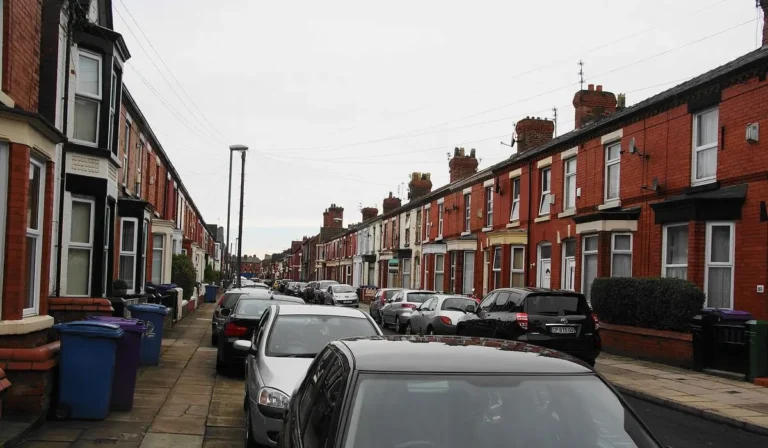
Many flats in Liverpool are in converted Victorian and Edwardian houses in areas such as the Georgian Quarter, Toxteth, Wavertree and Aigburth. Conversion quality varies. Fire separation between flats, sound insulation, shared roofs and chimneys, and whether the conversion had the right approvals are common questions. A Level 3 survey is often worthwhile.
Warehouse and mill conversions
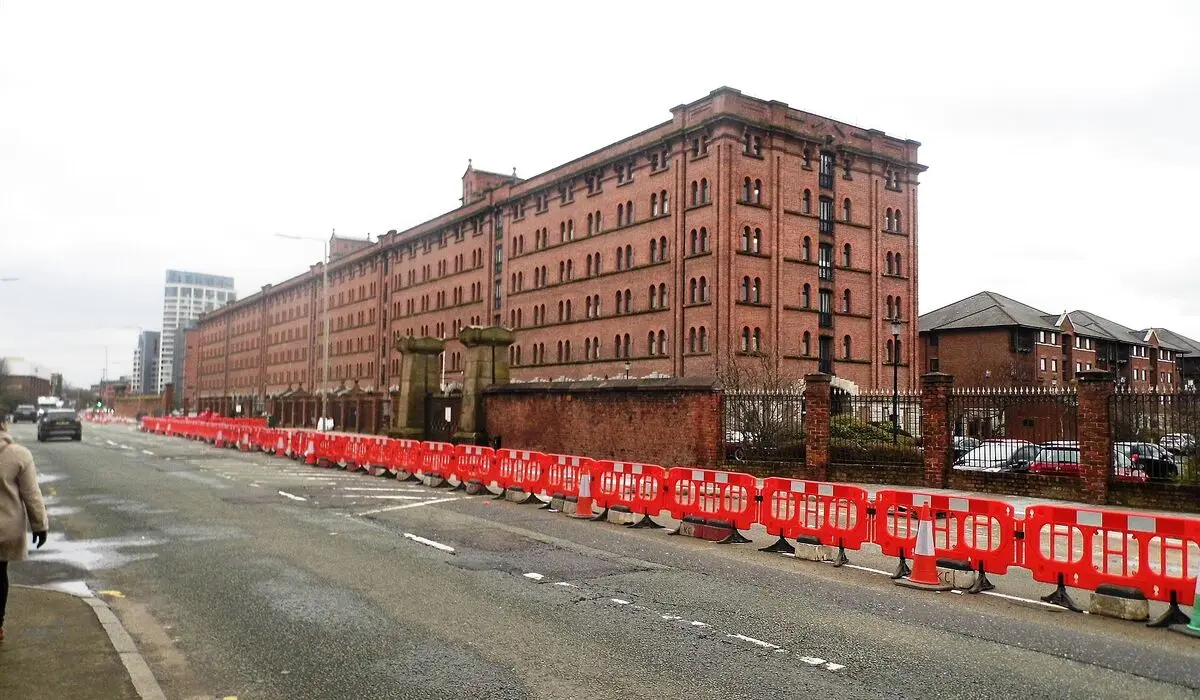
Converted warehouses along the docks offer character and space, but the structures are large and complex. Roofs, windows, brickwork and drainage can be costly to maintain, so the service charge history and planned works are especially important.
Purpose built blocks
Post war and modern purpose built blocks usually have simpler layouts, but flat roofs, ageing windows, lifts and communal heating systems can lead to large shared bills. Ask about the age of key components and any planned replacement.
City centre apartments
Newer city centre blocks may be taller, with cladding, balconies and complex services. Building safety information, service charges and management quality matter as much as the flat itself.
New build flats
For a brand new flat, a snagging inspection usually makes more sense than a standard flat survey. Our snagging survey guide explains how it works and how to report defects to the developer.
Common Problems Found in Flats
Every building is different, but some findings come up often in a survey for buying a flat.
- Condensation and mould. Especially in smaller flats with limited ventilation.
- Leaks from above. Stains on ceilings from bathrooms or roofs above.
- Flat roof wear. Ageing roofs on top floor flats and extensions.
- Window condition. Ageing frames and failed seals, with responsibility depending on the lease.
- Fire separation questions. Particularly in conversions, where doors and ceilings may not meet current expectations.
- Unapproved alterations. Changes made without landlord consent or building approvals.
- Neglected shared areas. A sign that major works may be overdue.
If the surveyor mentions cracking, our guide to cracks in walls explains what different types of crack can mean.
Flat Survey Costs
The price of a flat survey depends on the value, size and complexity of the flat and on the survey level. Flats can be quicker to inspect than houses, which may be reflected in the fee, but converted and unusual buildings take longer. Our guide to the home buyers survey cost sets out indicative fee ranges by property value and survey level for 2026, along with the extras to check.
Remember to budget for any further checks the survey or your solicitor recommends, such as an electrical test or a specialist report on a roof or damp issue.
After the Survey
When your flat survey report arrives, read the summary first, then any serious or urgent items and the issues for your legal adviser. Send the legal points to your solicitor straight away, because answers from the managing agent can take time. Our guide to the RICS homebuyers report explains how to read each section.
If the survey for buying a flat finds problems inside the flat, get quotes and decide whether to renegotiate. If it points to issues with the wider building, the key questions are who pays, when the work is planned and whether the reserve fund can cover it. A low service charge can look attractive, but if the building needs major work and there is no reserve fund, a large bill may be on the way.
Buying a Flat in Liverpool
Liverpool has a wide mix of flats, from converted Georgian and Victorian houses near the universities and the city centre, to warehouse conversions along the waterfront, post war blocks in the suburbs and modern high rise apartments. Each brings its own pattern of issues, and a local surveyor who regularly inspects these buildings will know what to look for.
When you book a survey for buying a flat in Liverpool, tell the surveyor the type of building, how many storeys it has, whether there is cladding or balconies and anything you noticed on your viewings. If you are still choosing a firm, our guide to finding a home buyers survey near me explains what to check before you book.
Survey for Buying a Flat FAQs
Do I need a survey for buying a flat?
It is not a legal requirement, but it is strongly recommended. A flat survey tells you about the condition of the flat and points out building and lease issues that could lead to costs later.
Does a flat survey cover the whole building?
No. The surveyor inspects the flat and the parts of the building that can safely be seen, such as shared areas that give access to the flat and the outside from the ground. Shared systems such as lifts, fire alarms and drains are not inspected.
Will the surveyor check for cladding?
A Level 2 survey does not assess external wall systems. The surveyor may note visible cladding and recommend checks, and your lender and solicitor will deal with any EWS1 or fire risk appraisal requirements.
Which survey is best for a flat in a converted house?
A Level 3 building survey is often advised, because conversions vary in quality and raise questions about fire separation, sound insulation and approvals.
Is a flat survey cheaper than a house survey?
Sometimes, as there can be less to inspect, but the fee still depends on value, size and complexity. Get a written quote for the specific flat.
What should I ask the managing agent?
Ask about service charges, the reserve fund, planned major works, the fire risk assessment, building insurance and any building safety information. Your solicitor will usually raise these through standard leasehold enquiries.
Can I survey a new build flat?
Yes, but a snagging inspection is usually more useful, as it checks the finish and defects against the developer warranty standards.
How long does a survey for buying a flat take?
The inspection of a typical flat is often shorter than for a house, and the report usually follows within a few days.
Book a Survey for Buying a Flat in Liverpool
ASG Consulting is regulated by RICS. Our surveyors carry out Level 2 and Level 3 surveys on flats across Liverpool, Merseyside and the North West, from converted townhouses to waterfront apartments, and we will help you choose the right level for the building. To get a quote, visit our residential building surveying page.
About the Author
Harry is a property content writer with 3 years of experience writing about building surveying, commercial property and property compliance in the UK. He writes the guides at ASG Consulting for buyers, tenants and landlords, turning survey practice into clear, practical advice.
Reviewed by Dave MacMillan MRICS, chartered surveyor at ASG Consulting. Dave checks the technical content of our guides against current RICS practice before they are published.
Featured photo of Waterloo Warehouse apartments in Liverpool by Anthony Parkes via Wikimedia Commons, licence CC BY SA 2.0, cropped.