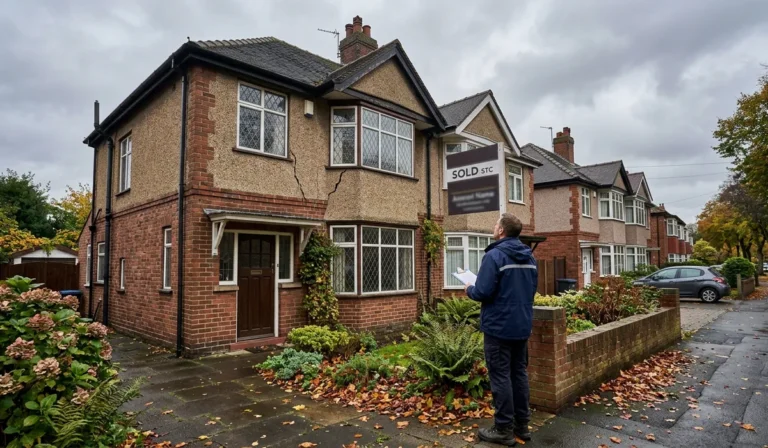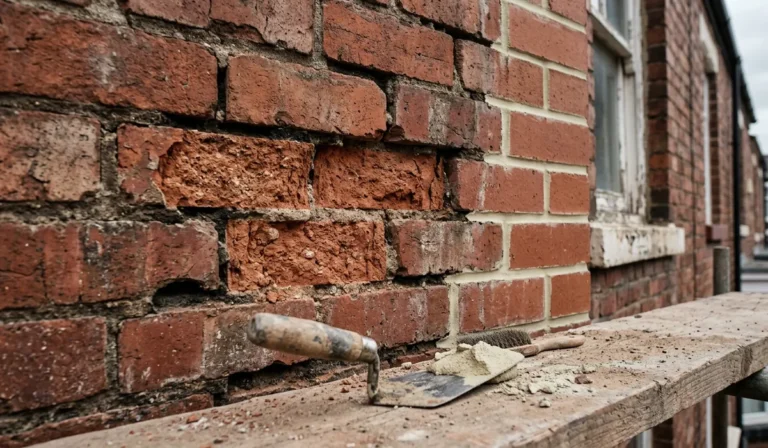
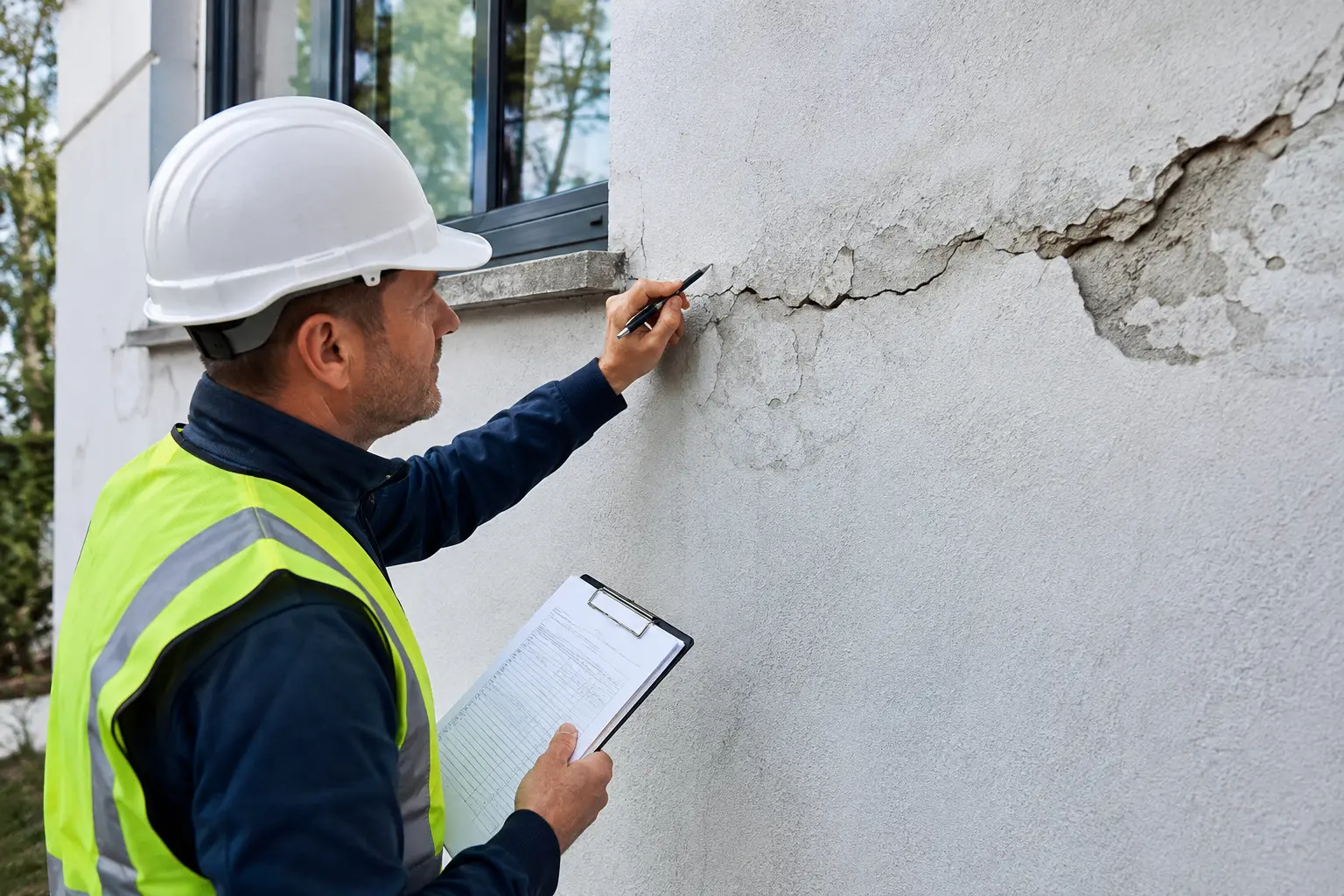
There’s a particular kind of dread that settles in when you notice a crack creeping across your ceiling that wasn’t there last spring. Is it just the house settling? Or is something more serious happening behind the plaster? I’ve stood in enough living rooms with worried homeowners staring at hairline fractures to know that most people don’t need a lecture on soil mechanics, they need someone who can look at their walls and tell them the truth. That’s exactly what building defect surveys do.
Building pathology is the branch of construction science dedicated to diagnosing why buildings fail, not just patching the symptoms, but tracing a defect back to its root cause. Think of it as medicine for structures. A doctor doesn’t just prescribe painkillers for a headache without asking what’s causing it; a good building pathologist doesn’t just recommend a repaint over a damp patch without asking why the damp is there in the first place. This article walks through what building pathology actually involves, why it matters more than most homeowners realize, and how to know when it’s time to call in a professional rather than a general contractor.
What Building Pathology Really Means
At its core, building defect surveys is the systematic study of building defect surveys, their causes, their symptoms, and the most effective ways to fix them permanently rather than temporarily. It borrows its name deliberately from medical pathology, and the comparison holds up surprisingly well. Cracks, damp, movement, and decay are symptoms. A trained building pathologist reads those symptoms the way a physician reads a patient’s chart, working backward to find the actual disease rather than just treating the fever.
This distinction matters enormously. A general contractor might see a crack and fill it. A building pathologist asks what’s moving, why it’s moving, whether it’s ongoing or historic, and what will happen if nothing changes. That difference in approach is the entire value proposition of building defect surveys as a discipline.
Why Building Defect Surveys Matter More Than People Think
Most people only think about structural defects once they’re already staring one in the face: a bulging wall, a sticking door, a stain spreading across a ceiling. But building defect surveys exist precisely to catch these issues before they become expensive emergencies.
A proper building defect surveys isn’t a quick walk-through with a flashlight. It’s a methodical investigation: moisture readings, crack monitoring, an assessment of the building’s age and construction type, and often a look at historical weather and ground conditions in the area. Older housing stock, in particular, tends to hide problems well. A building that looks solid from the street can have decades of unresolved movement, poor previous repairs, or drainage issues quietly working against its foundations.
This is where the value of building defect surveys becomes obvious. It’s not about scaring people into unnecessary work, it’s about giving them an honest, evidence-based picture of what’s actually happening to their property, so they can make decisions with real information instead of guesswork.
Common Structural Defects a Pathologist Looks For
Not every crack means disaster, and not every stain means rot. Part of what makes building defect surveys valuable is its ability to separate cosmetic issues from structural ones. Some of the most common defects a building pathologist investigates include:
- Subsidence and heavy ground movement caused by clay soil shrinkage, tree roots, or drainage failures, often the culprit behind diagonal cracking near windows and doors.
- Rising and penetrating damp moisture entering through failed damp-proof courses, cracked render, or poor ventilation, frequently misdiagnosed and mistreated.
- Timber decay and infestation wet rot, dry rot, and woodworm, which can silently compromise roof structures and floor joists for years.
- Cladding and render failures surface materials that trap moisture rather than shed it, leading to hidden decay behind an intact-looking exterior.
- Foundation movement differential settlement between older and newer sections of a building, common in extensions that weren’t tied in correctly.
A specific defect survey one focused on a single reported issue rather than the whole building defect surveys is often the right first step when a homeowner already has a fair idea of where the problem is. It’s faster, more affordable, and gives targeted answers without the cost of a full structural review.
When You Need a Full Structural Survey vs. a Targeted One
This is one of the most common questions I hear: do I need a full building structural survey, or just someone to look at this one crack? The honest answer depends on the building’s age, history, and how confident you are about the source of the problem.
If you’re buying an older property, or if you’re seeing multiple unexplained issues cracking in more than one area, doors that no longer close properly, damp appearing in unrelated rooms, a comprehensive survey is worth the investment. In the UK, this level of investigation is often referred to as a Level 3 survey, and firms offering a level 3 survey Liverpool clients frequently choose it for period properties, given how much of the city’s housing stock predates modern building regulations. Liverpool’s terraced housing and Victorian-era buildings, in particular, benefit from this kind of detailed defect analysis, since decades of underground work, subsidence-prone soil, and inconsistent past renovations can all be hiding in plain sight.
For a single, well-defined problem, though, a specific defect survey usually does the job. There’s no need to pay for a full building report when what you actually need is one qualified opinion on one wall.
The Human Side of Defect surveys
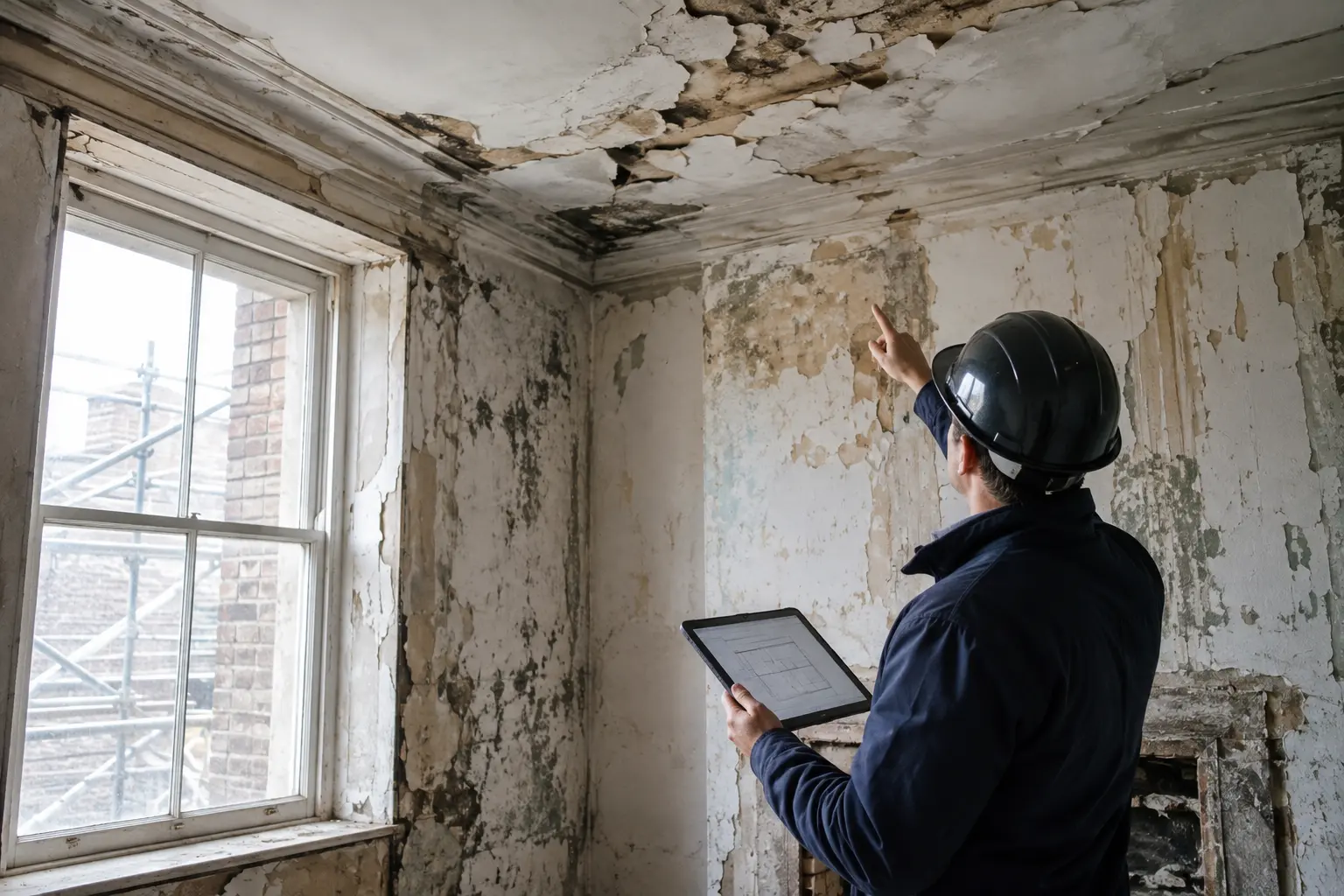
Here’s something that doesn’t get said enough: building defect surveys isn’t just about concrete and cracks, it’s about peace of mind. Homes carry memory. They’re where people raise families, host holidays, and build equity that represents years of hard work. When something feels wrong with a home’s structure, it’s not just a technical problem; it’s an emotional one too.
A good building pathologist understands that. Part of the job isn’t just producing a building report full of technical jargon, it’s translating findings into something a homeowner can actually understand and act on, without either downplaying real risk or exaggerating it for the sake of drama. Trustworthy defect analysis Liverpool residents and property owners elsewhere rely on should always come with clear explanations, not just measurements and diagrams.
Choosing the Right Professional
Not everyone who inspects buildings is trained in pathology building principles. Look for a surveyor or engineer with recognised qualifications, a track record of detailed written reports (not just verbal opinions), and ideally indemnity insurance that reflects the seriousness of their assessments. Ask whether they specialise in building defect surveys specifically, rather than general property inspections, especially if you already suspect a structural issue.
A well-executed building defect surveys should leave you with three things: a clear explanation of what’s wrong, an honest assessment of urgency, and a realistic path toward repair. Anything less isn’t really pathology, it’s guesswork with a nicer vocabulary.
Final Thoughts
Cracks, damp, and movement can be frightening, especially when you don’t know what they mean. But fear usually comes from uncertainty, not from the problem itself. Building defect surveys exist to remove that uncertainty to replace anxious guessing with clear, evidence-based answers. Whether you’re dealing with a single stubborn stain or considering a full structural review before a purchase, understanding the discipline behind building pathology puts you in a far stronger position to protect the place you call home.
FAQs
What is building pathology in simple terms?
Building pathology is the investigation of why a building is failing,identifying the root cause of defects like cracking, damp, or movement, rather than just treating the visible symptoms.
How is building pathology different from a standard home inspection?
A standard inspection typically lists visible issues. Building pathology goes further, diagnosing the underlying cause of each defect and predicting how it may develop if left unaddressed.
When should I book a building defect surveys?
Ideally before buying an older property, when you notice new or worsening cracks, after experiencing damp that keeps returning, or when a previous repair doesn’t seem to have solved the actual problem.
Do I need a full structural survey or just a specific defect surveys?
If you have one clearly localised issue, a specific defect survey is usually sufficient. If you’re seeing multiple unrelated symptoms or buying an older home, a full structural survey gives a more complete picture.
Is building pathology only relevant for old buildings?
No. While older properties are more prone to hidden historic issues, newer buildings can suffer from poor construction practices, inadequate drainage, or material failures that also require proper diagnosis.