
A hairline crack creeping across the drywall. A door that suddenly won’t close right. A floor that feels just slightly off-level when you’re carrying a laundry basket across it. None of it screams emergency. All of it is your house trying to tell you something. And the person who actually knows how to listen, really listen, not just patch and paint over it, is a structural engineer.
I’ve spent over a decade walking into homes and job sites where someone waited a little too long to make that call. So let’s talk about what a structural engineer actually does, why near me searches matter more than people realize, and how to find someone you can genuinely trust with the bones of your home.
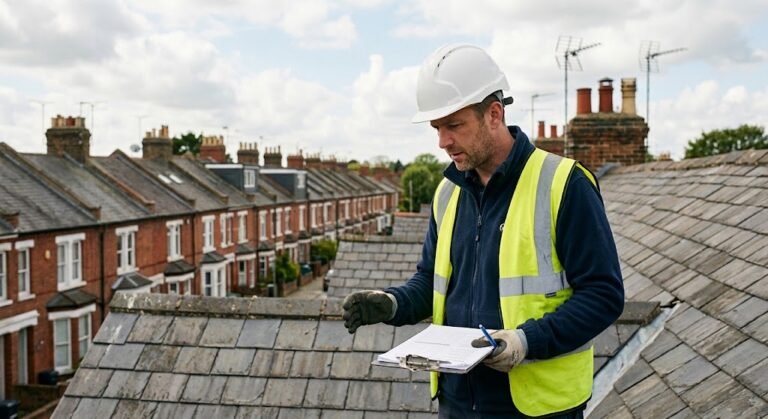
Across the country, structural engineers quietly do this same work every day, catching problems early, signing off on renovations, and giving homeowners the kind of certainty that only comes from real expertise.
Not sure whether the engineer you have been quoted is properly qualified? Our guide on how to check if someone is a structural engineer walks through the membership checks, insurance and questions to ask.
What Does a Structural Engineer Actually Do?
Here’s the simplest way to put it: an architect designs how your building looks and flows. A structural engineer makes sure it doesn’t fall down.
Every wall, beam, footing, and joint carries weight, from the roof snow load in winter to the vibration of a delivery truck rattling past your driveway. A qualified structural engineer calculates all of that. They translate physics into steel, concrete, and lumber, and they sign off on it with their professional license on the line.
When people search for a structural engineer or a building structural engineer, they’re usually dealing with one of three situations:
- New construction or an addition, where the design needs to be engineered from scratch
- A visible problem, like cracking, sagging, or settling
- A real estate transaction, where a lender or buyer wants proof the structure is sound
Each of these calls for a different kind of expertise, which is exactly why picking the right structural engineer services matters as much as picking one at all.
Why Near Me Actually Matters in This Field
I get why people default to searching for a cheap structural engineer near me. Nobody wants to overpay for someone to walk through their basement with a flashlight. But in structural engineering, local knowledge isn’t a nice-to-have; it’s part of the job.
A local structural engineer understands your region’s soil composition, frost lines, seismic activity, and building codes because they’ve worked with them for years, not looked them up the night before your appointment. Clay-heavy soil in one county can behave completely differently from sandy soil twenty miles away, and that difference changes how a foundation is engineered. Someone unfamiliar with your area is essentially guessing with your house.
So when you’re comparing structural engineers near me, don’t just look at price. Look at how long they’ve worked in your specific market, and ask directly.
Signs You Actually Need One
Most people don’t wake up thinking, Today I’ll call a structural engineer. Usually something nudges them into it. Watch for:
- Diagonal cracks near windows or doors, especially if they’re widening
- Bowing or leaning basement walls
- Sagging rooflines you can see from the street
- Uneven or bouncy floors
- Sticking doors and windows that used to work fine
- Visible brickwork repair needs, spalling, crumbling mortar joints, or cracked brick veneer
That last one trips people up. A lot of homeowners assume brickwork repair is purely a mason’s job, and sometimes it is. But if the cracking follows a pattern- stair-step cracks through mortar joints, for instance- that’s often a structural issue wearing a cosmetic disguise. A good engineer can tell you which one you’re actually dealing with before you spend money fixing the wrong problem.
The Home Inspection Nobody Talks About Enough
When people buy a home, they usually get a general home inspection. What a lot of buyers don’t realize is that a general inspector isn’t trained to diagnose structural issues in depth; they’ll flag a concern, but they won’t tell you why it’s happening or how to fix it.

That’s where a structural engineer house survey earns its cost back many times over. It’s a focused, technical evaluation of load-bearing elements, foundation integrity, and long-term risk. If you’re buying a century-old home, or one with visible cracking, this single step can save you from a five- or six-figure surprise a year down the road.
What Separates a Great Structural Engineering Company From an Average One
Not all firms operate the same way, and the difference shows up when things get complicated. A strong structural engineering company will:
- Explain findings in plain English, not just hand you a report full of jargon and walk away
- Have a licensed Professional Engineer (PE) stamp the work, which is legally required for most structural documents in the U.S.
- Collaborate with related fields, including building services engineering and engineering building services teams, when a project touches HVAC, plumbing, or electrical load paths
- Show their work, meaning calculations, site photos, and clear recommendations, not vague reassurance
I always tell homeowners: if an engineer can’t explain why a wall is cracking in terms you understand, ask more questions before you sign anything. The best structural engineers see this as part of the job, not an inconvenience.
Structural Engineer for Homes vs. Commercial Projects
There’s a meaningful difference between a structural engineer for homes and one who typically works on commercial buildings. Both are qualified engineers, but residential work tends to focus on foundations, additions, load-bearing wall removals, and older-home renovations- the kind of quiet, detail-heavy work that keeps a family safe without anyone noticing it happened.
If you’re renovating an older property or knocking down a wall to open up your kitchen, look specifically for someone with residential experience. It’s a different rhythm of work than a five-story commercial build, and the right specialist will catch details a generalist might miss.
How to Choose Someone You Can Actually Trust
Trust, in this line of work, isn’t a soft word; it’s the entire point. Here’s what I’d tell a friend or family member:
- Confirm they’re a licensed PE in your state
- Ask for references from similar projects, not just a portfolio
- Get a written scope before any work begins
- Avoid anyone who diagnoses serious structural damage over the phone without ever seeing the property
- Trust your gut if something feels rushed; a real evaluation takes time
A foundation is not the place to gamble on the lowest bid or the fastest turnaround.
FAQs
How much does it cost to hire a structural engineer?
It depends heavily on scope. A straightforward home inspection or consultation typically costs far less than a full structural design for an addition or renovation. Get a written quote up front, and be wary of anyone who quotes a firm price without seeing the property first.
How do I know if a crack in my wall is serious?
Small, hairline vertical cracks are often just normal settling and rarely cause for alarm. Diagonal cracks, especially near windows and doors, or cracks wider than a quarter-inch, are worth having a professional look at. When in doubt, get it checked; a quick evaluation is cheap compared to a missed problem.
What’s the difference between a structural engineer and a home inspector?
A general home inspector does a broad visual check of the entire property, roof, electrical, plumbing, and structure included. A structural engineer specializes specifically in load-bearing elements and foundation integrity, and can diagnose the cause of a problem, not just flag that one exists.
Can a structural engineer stop a wall from cracking further?
An engineer can diagnose why the movement is happening and recommend a fix- underpinning, reinforcement, drainage correction, and so on- but the repair itself is usually carried out by a licensed contractor following the engineer’s plan.
Do I need a structural engineer before removing a wall in my home?
If there’s any chance the wall is load-bearing, yes. Removing the wrong wall without an engineered plan can compromise the entire structure above it. This is one of the most common and most avoidable mistakes homeowners make during renovations.
How long does a structural engineer house survey take?
A typical residential evaluation takes a few hours on-site, with a full written report following within several business days. Larger or older properties with multiple areas of concern may take longer.
Final Thoughts
At the end of the day, hiring a structural engineer isn’t about chasing a worst-case scenario; it’s about knowing, with real confidence, that the place you come home to every day is standing on solid ground. Cracks, uneven floors, and stubborn doors aren’t just cosmetic annoyances; they’re your house’s way of asking for a second opinion.
You don’t need to panic over every hairline crack, but you also shouldn’t wait until a small issue becomes an expensive one. Whether you’re buying a home, renovating an older property, or just trying to make sense of something you noticed last week, a conversation with a trusted, licensed structural engineer is one of the most valuable calls you can make for your home and your peace of mind.
That’s really what trusted structural engineers offer at the end of the day: not just calculations and reports, but the quiet confidence that your home is built to last.
About the Author:
Daniel Marsh is a licensed Professional Engineer (PE) specializing in residential and light commercial structural assessments across the U.S. He has authored technical guidance for regional homeowner associations and regularly consults on pre-purchase structural surveys.