You’re standing in a house you’ve just fallen for. In your head, the sofa’s already against that far wall, and you can picture Sunday mornings in the kitchen. Then a small, nagging thought creeps in: what’s actually going on behind that plaster? That mix of excitement and doubt is something almost every buyer feels, and it’s exactly why Building Surveyors have a job at all. Get the inspection right before you commit, and you save yourself from a very expensive surprise later.
If you’re buying, selling, or just keeping on top of a property in the North West, it’s worth understanding what a proper survey actually covers. This piece runs through why Building Surveyors matter, what they’re really looking for, and how to pick the right person for the job.
Why Skipping a Survey Is a Gamble
A property can look completely sound and still be hiding real problems. Fresh paint covers damp patches. New carpet sits over floors that have started to sag. Even a good estate agent isn’t trained to spot early foundation movement or a roof that’s on borrowed time.
That’s the gap Building Surveyors fill. Their role isn’t to make you feel good about a sale; it’s to tell you, plainly, what you’re actually buying. A qualified surveyor works through the property from roof to foundations, flagging anything that could turn into a five-figure repair bill if it’s left alone. For most buyers, the report ends up paying for itself several times over, whether it uncovers a serious issue or simply confirms the place is as solid as it looks.
Liverpool complicates things a little further. The city’s housing stock is a genuine mix of Victorian terraces, Georgian townhouses, post-war builds, and a lot of these properties carry construction quirks that only someone with local experience will catch. That’s really where working with a chartered surveying team makes the difference, since a house survey Liverpool buyers commission needs to account for period features, older materials, and however many rounds of alterations the place has been through. A generic checklist won’t cut it here.
.
What a Building Surveyor Is Actually Doing On Site
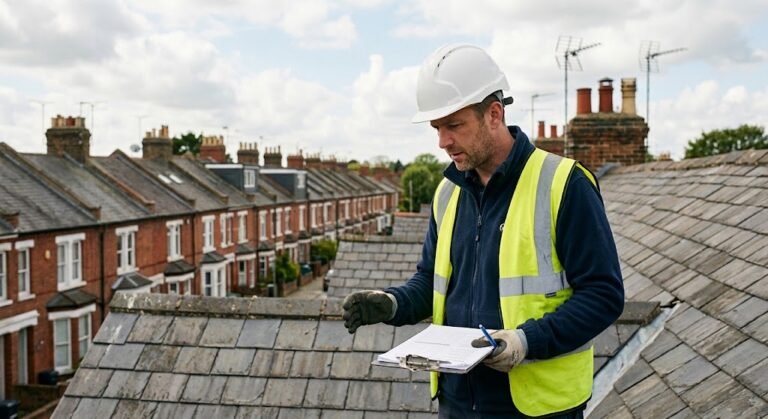
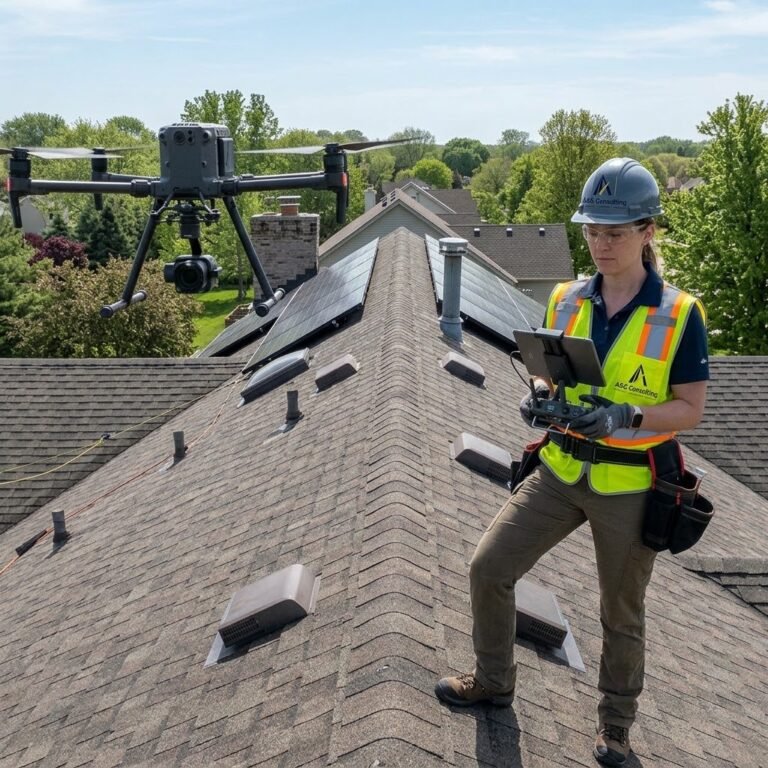
There’s a common assumption that a survey is basically a quick walk-round with a clipboard. It isn’t. A proper Building Surveyors Liverpool homeowners request takes time, and typically covers:
- Structural integrity: walls, foundations, roof structure, and anything load-bearing
- Damp and timber problems: rising damp, condensation, rot, and signs of infestation
- Services: a visual check on electrics, plumbing, and heating
- Defects and future risk: cracking, settlement, and anything likely to get worse if it’s ignored
From there, a good surveyor turns all of that into a report you can actually read no jargon dump. It should tell you what each issue actually means in practice: what needs sorting now, and what can realistically wait. That distinction matters a lot when you’re negotiating price or working out a renovation budget.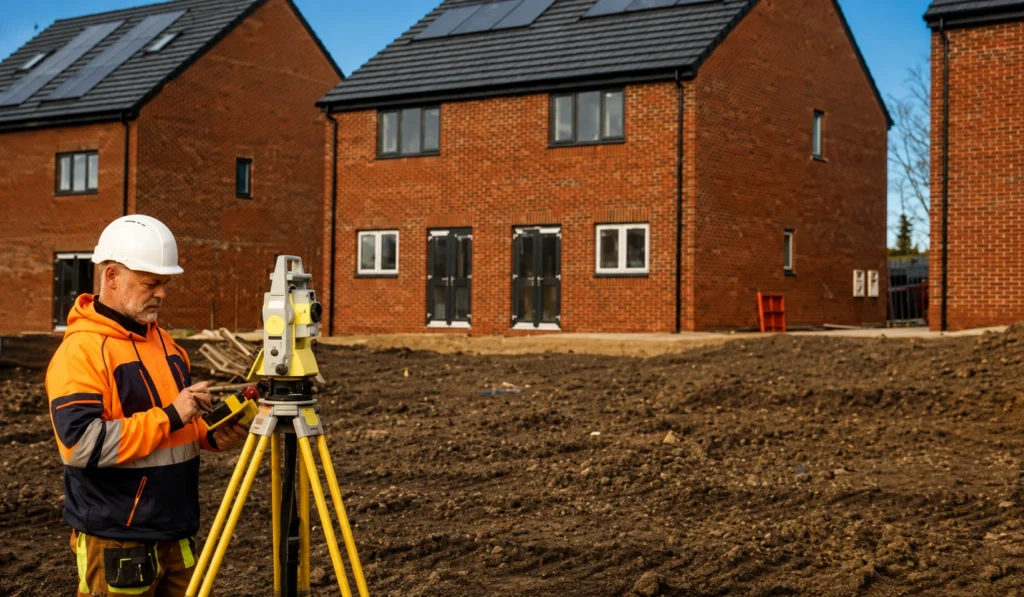
It’s Not Just a Financial Decision
Buying property gets treated like a spreadsheet exercise, but anyone who’s actually done it knows that’s not the whole story. There’s stress in it, some sleepless nights, and usually a fair bit of worry about getting it wrong. A decent surveyor takes some of that weight off your shoulders.
There’s a specific kind of relief that comes from knowing someone qualified has physically gone through the property and put their name to a written assessment of it. No amount of scrolling forums or reading listings replaces that. It’s what turns a leap of faith into something closer to an informed decision, which, at the end of the day, is the whole point of surveying services.
Picking the Right Surveyor in Liverpool
Here’s where a lot of buyers trip up: choosing on price alone. It usually means a rushed visit and a templated report that skips over the details that actually matter for your specific property.
A few things worth checking when you’re looking at Liverpool surveyors:
- RICS accreditation. Building Surveyors regulated by the Royal Institution of Building Surveyors work to set professional standards, so you’ve got somewhere to go if things go wrong.
- Local knowledge. Building surveyors Liverpool professionals understand regional construction methods, the defects that crop up again and again in older properties, and local planning quirks that an outside firm might just miss entirely.
- Clear communication. The good ones don’t just email you a PDF and vanish. They’ll talk you through what they found and answer the questions you didn’t know to ask.
- Relevant track record. Ask what kind of properties they’ve surveyed recently. A Victorian terrace and a new-build flat are not the same job.
A consultancy that actually knows what it’s doing will be upfront about its process, timeline, and what’s in the report, not vague about it.
It Doesn’t Stop at Purchase
Building Surveyors aren’t only relevant when you’re buying. Plenty of homeowners call in surveying services Liverpool professionals years after moving in, usually before an extension, a renovation, or when getting a property ready to sell. A pre-sale survey can flag problems early enough for the seller to address them, rather than a buyer’s survey blowing up the negotiation later.
Landlords and investors rely on the same expertise for ongoing inspections, catching maintenance issues before they become expensive problems. Looked at that way, a survey isn’t really a one-off cost. It’s more of a running safeguard for anyone with money tied up in a property.
A Case From the Field
On a recent inspection of a mid-Victorian terrace in Wavertree, some hairline cracking that looked purely cosmetic turned out to trace back to an old drainage fault undermining the foundation. Without a proper structural look, that would probably have gone unnoticed until the damage got a lot more expensive to fix. It’s the kind of pattern you only really learn to spot after years of doing this on-site, not something you pick up from a textbook.
FAQ’s
How long does a Building Surveyors take?
Most residential surveys run two to four hours on-site, depending on the size and age of the property. The full written report usually lands within five to ten working days.
My mortgage lender already did a valuation, do I still need a survey?
Yes. A lender’s valuation only checks the property’s worth enough to justify the loan. It’s not a structural inspection, and it won’t pick up on the kind of defects a full survey is designed to find.
What’s the difference between a house survey and a Building Surveyors?
“House survey” tends to be used loosely for any residential inspection, while “Building Surveyors” refers specifically to the most detailed level of inspection, the one usually recommended for older or unusual properties.
Can survey findings actually help with negotiating price?
Yes, and it happens often. If a survey turns up defects, buyers regularly use that to renegotiate the price, or to ask the seller to fix the issue before completion.
Final Thoughts
For most people, property is the single biggest financial decision they’ll ever make not something to leave to guesswork. That’s really the whole case for Building Surveyors: they replace uncertainty with a clear picture, and turn what might otherwise be a leap of faith into a decision you can actually stand behind. Whether you’re buying your first home, growing a rental portfolio, or just planning a renovation, a proper survey now is usually far cheaper than the alternative later.
About the Author
Written by Sarah Whitfield MRICS, a chartered building surveyors with over twelve years’ experience assessing residential and commercial properties across Merseyside. Sarah specialises in period property inspections and structural defect analysis, and regularly contributes insight on property condition and buyer protection for regional publications.
References
- Royal Institution of Chartered Surveyors (RICS) Home Survey Standards
- Liverpool City Council Historic Building Conservation Guidance
- RICS Consumer Guides Understanding Your Home Survey