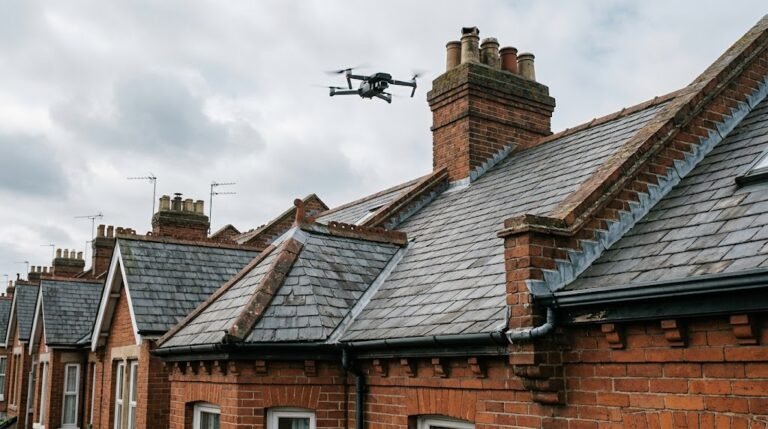

What Is a Building Condition Survey?
A building condition survey is basically a health check for a property. A qualified surveyor walks the site, room by room, and writes up what’s wrong, what’s fine, and what needs watching. Nothing gets torn open or tested destructively, it’s a visual inspection, which is exactly why it’s often the first step before anyone spends real money on repairs or renovations.
Honestly, most people only think about this once they’re already mid transaction, buying a building, taking on a lease, or managing an ageing property. By then it’s a bit late to be asking basic questions. So let’s get through them properly.
Residential vs Commercial Building Condition Surveys
Which One Do You Need?
A residential survey looks at a single home. Roof, walls, damp, electrics, that sort of thing, scaled to a domestic property. A commercial survey covers a much wider brief: multiple units possibly, car parks, fire compartmentation, M&E systems that are genuinely industrial in scale.
If you’re buying a house, you want a residential survey. If you’re acquiring or managing office space, retail units, or an industrial site, you need the commercial version, and it’ll usually be scoped around a schedule of condition rather than a standard homebuyer format. Landlords taking on a new commercial lease should ask for one before signing, not after.
RICS Survey Levels Compared: Level 1 vs Level 2 vs Level 3
Condition Report vs HomeBuyer Report vs Building Survey
RICS has three tiers and the naming trips people up constantly.
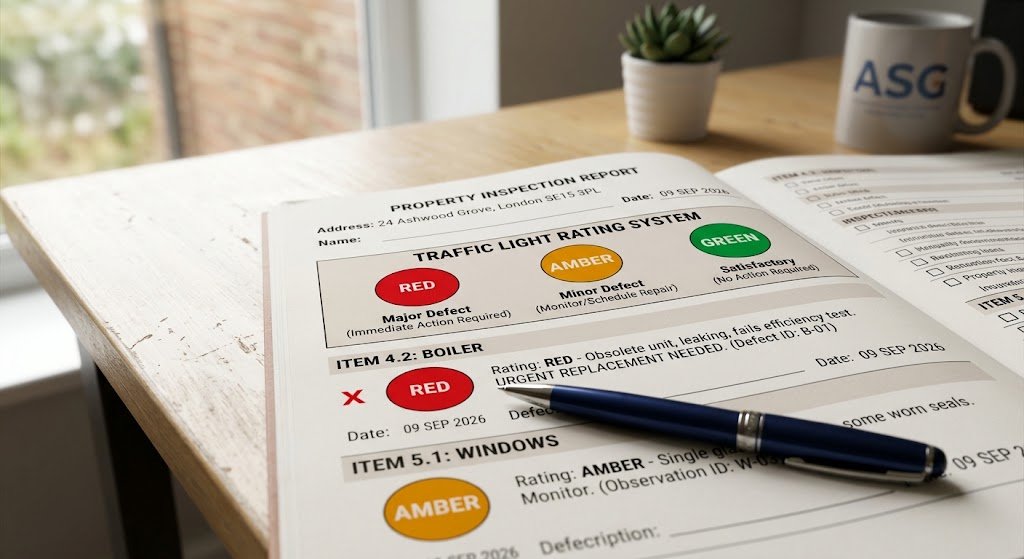
- Level 1 (Condition Report): a basic traffic light overview. Cheapest, fastest, least detail.
- Level 2 (HomeBuyer Report): adds valuation commentary and more narrative on defects. This is the one most buyers actually get.
- Level 3 (Building Survey): the full deep dive. Used for older, larger, or structurally unusual properties.
Which Level Suits Your Property?
New build or conventional property under 50 years old, in reasonable condition? Level 1 or 2 will do. Period property, previous extensions, visible cracking, or anything built before 1900? Go straight to Level 3. Trying to save money by skipping it on an older building is, in my experience, where people regret it most.
Building Condition Survey Cost UK (2026 Price Guide)
Cost by Property Size
- One to two bed flat: roughly £250 to £450
- Three bed semi: roughly £400 to £700
- Four plus bed detached or larger commercial unit: £700 upward, often well beyond £1,500 for large commercial sites
Cost by Survey Level
- Level 1: from around £250
- Level 2: around £400 to £700
- Level 3: £600 to £1,500 plus, depending on size and complexity
Factors That Affect Price
Location matters (London and the South East run higher). Property age adds cost too, older buildings take longer to assess properly. And access, if a surveyor needs scaffolding or specialist equipment to reach a roof or basement, that gets reflected in the quote.
Red Flags in a Building Condition Survey
Structural Red Flags
Diagonal cracking above door and window frames. Bowing or leaning walls. Uneven floors that slope noticeably when you drop a ball on them (try it, it’s a genuinely useful trick before you even book a surveyor).
Damp, Roof & Electrical Red Flags
Damp patches at skirting level usually mean rising damp or a failed damp proof course. Missing or slipped roof tiles let water in slowly, sometimes for years before anyone notices the ceiling stain. Old fuse boxes, rewireable fuses rather than modern circuit breakers, are a common electrical flag on anything pre 1980s.
Minor Issues vs Dealbreakers
Not every crack is a dealbreaker. Hairline cracks in plaster are usually cosmetic. But structural movement, active damp, or a roof needing full replacement? Those change your offer, or should.
What Does a Survey Report Look Like?
Sample Report Breakdown
A typical report opens with a summary page (often colour coded, red for serious, amber for monitor, green for fine), then works through the property section by section: roof, exterior, interior, services, grounds.
Annotated Defect Photos
Good surveyors include photos with each flagged issue, sometimes with arrows or notes pointing at the exact crack or stain in question. If a report you’re sent has no photos at all, that’s worth questioning.
Can You Refuse a Stock Condition Survey?
Tenant Rights
Tenants generally can’t outright refuse access for a stock condition survey if it’s written into the tenancy agreement, most social housing agreements include this. But you can, and should, ask for reasonable notice.
Landlord Obligations
Landlords typically need to give proper notice (usually 24 to 48 hours) before entry. It’s not a free for all, tenant privacy still applies even during scheduled inspections.
From Survey to Maintenance: Using Your Report for PPM Planning
A survey report isn’t just a one time document, or well, it shouldn’t be treated as one. The real value is turning those findings into a Planned Preventative Maintenance schedule, budgeting for the roof repair in year two, the rewiring in year four, rather than waiting for things to fail. If you’re managing a property portfolio, a schedule of condition done properly at the outset makes this whole process far less painful down the line.
Building Condition Surveys Near You
Local Costs & Regulations
Costs vary regionally, and so do local planning quirks, conservation areas in particular can add extra requirements to what a surveyor checks. Worth flagging early with whoever you hire.
Finding a Trusted RICS Surveyor
Always confirm RICS accreditation before booking. If you’re weighing up a full property inspection schedule of conditionfor a UK property, it’s worth speaking to a specialist rather than going with whoever’s cheapest on a comparison site.
FAQs
How much does a building condition survey cost?
Typically £250 to over £1,500 depending on property size, survey level, and location.
Can I refuse a stock condition survey?
Not usually if it’s part of your tenancy agreement, but you’re entitled to reasonable notice.
What are red flags on a house survey?
Structural cracking, rising damp, roof defects, and outdated electrical systems top the list.
What does a building survey look for?
Structural integrity, the building envelope, mechanical and electrical systems, and external grounds.
Do surveyors check every room?
Yes, a proper survey covers every accessible room and area, though lofts and cellars depend on safe access.
What would fail a house survey?
Nothing technically “fails” a survey, it’s not pass or fail. But severe structural movement or extensive damp will heavily influence a buyer’s decision or lender’s valuation.
Final Thought
A building condition survey isn’t the most exciting part of buying or managing a property. But skip it, and you’re gambling on things you literally cannot see. Get the right level for your property’s age, ask questions about anything flagged amber or red, and use the report for more than just the transaction, let it shape your maintenance plan too.
Got a property you’re not sure about? Get in touch and we can talk through which survey level actually fits your situation.