A house survey in Liverpool costs around £445 for a RICS Level 2 report and £595 for a Level 3 Building Survey on average, and it is one of the best-value checks you can make before you buy. Liverpool’s housing stock ranges from 1880s red-brick terraces in Anfield and Kensington to large Victorian villas in Mossley Hill and new-build flats in the L1 waterfront. Each comes with its own risks, and a mortgage valuation will not tell you about any of them.
With the average Liverpool home selling for about £181,790 (HM Land Registry, March 2026), even a modest repair bill for damp, a failing roof or old wiring can wipe out your deposit savings. A survey shows you those problems before you exchange contracts, while you can still renegotiate or walk away.
This guide explains which survey to choose, what it costs in Liverpool in 2026, the defects local surveyors find most often and how to book the right chartered surveyor.
What is a House Survey Liverpool?
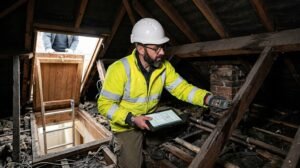
A house survey is an independent inspection of a property’s condition, carried out by a RICS-regulated surveyor working for you, the buyer. The surveyor walks through the home, checks the structure, roof, walls, damp levels, joinery and services, then writes a report rating each element and flagging defects.
House survey vs mortgage valuation
Many Liverpool buyers assume the lender’s valuation covers them. It does not. The table below shows the difference.
| Mortgage valuation | House survey (RICS Level 1–3) | |
|---|---|---|
| Who it is for | Your lender | You |
| Main question | Is the home worth the loan? | What condition is the home in? |
| Time on site | Often under 30 minutes, sometimes desktop only | 1 hour to most of a day |
| Reports defects | Only if they affect value | Yes, with urgency ratings |
| Repair advice | No | Yes (Level 2 and 3) |
| Can you rely on it legally | Limited | Yes, you are the client |
In short, the valuation protects the bank. A house survey protects you.
Types of house survey in Liverpool: RICS Level 1, 2 and 3
All RICS surveys in Liverpool follow the RICS Home Survey Standard, which sets three levels. The right one depends on the age, size and condition of the property, not just your budget.
RICS Level 1 – Condition Report
The most basic survey. It uses traffic-light ratings (green, amber, red) to show the condition of each part of the home, but gives no repair advice or costs. It suits new-builds and modern flats, such as recent developments in the Baltic Triangle or Liverpool city centre, that have had no major alterations.
RICS Level 2 – HomeBuyer Survey
The most popular homebuyer survey in Liverpool. It covers everything in Level 1 plus visible defects, likely causes, repair advice and maintenance tips. You can add a market valuation and insurance rebuild cost. It suits conventional houses in reasonable condition, typically built after around 1930: inter-war semis in Childwall, Woolton or Allerton, and post-war homes across the suburbs.
RICS Level 3 – Building Survey
The most detailed building survey in Liverpool. The surveyor spends longer on site, lifts accessible floor coverings where allowed, inspects the roof space thoroughly and explains defects, causes, repair options and often indicative costs. Choose Level 3 for:
- Victorian and Edwardian terraces (Anfield, Walton, Kensington, Wavertree, Toxteth)
- Large period villas and Georgian townhouses (Mossley Hill, Sefton Park, the Georgian Quarter)
- Listed buildings or homes in conservation areas
- Properties that are extended, converted, run-down or of unusual construction
- Homes you plan to renovate
Which survey do I need?
| Liverpool property type | Recommended survey |
|---|---|
| New-build or modern city-centre flat | Level 1 or Level 2 |
| 1930s–1990s semi or detached house, good condition | Level 2 |
| Victorian or Edwardian terrace | Level 3 |
| Period villa, Georgian townhouse or listed building | Level 3 |
| Extended, converted or renovation project | Level 3 |
If in doubt, go up a level. The difference in fee is usually around £150 in Liverpool, far less than one missed repair.
Common problems a Liverpool house survey uncovers
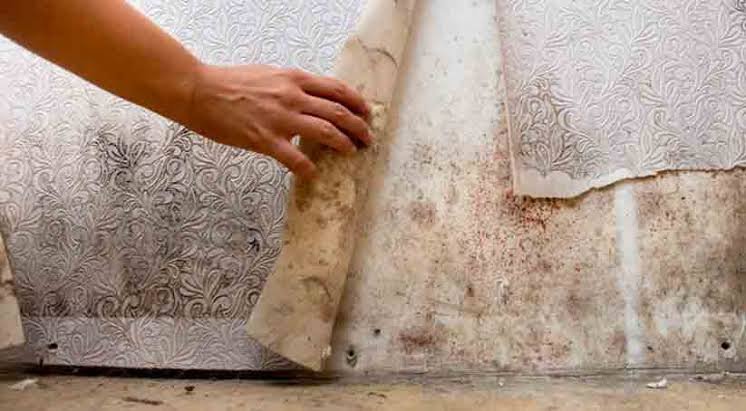
Damp is the defect Liverpool surveyors report most, because so many local homes are solid-walled Victorian terraces facing wet weather off the Irish Sea. Local damp specialists group it into rising damp, penetrating damp and condensation, and note that older homes built before modern damp-proofing are most exposed (Timberwise Liverpool). These are the issues a chartered surveyor in Liverpool will look for:
- Damp and condensation. Failed or missing damp-proof courses, raised ground levels against walls, and black mould in poorly ventilated rooms.
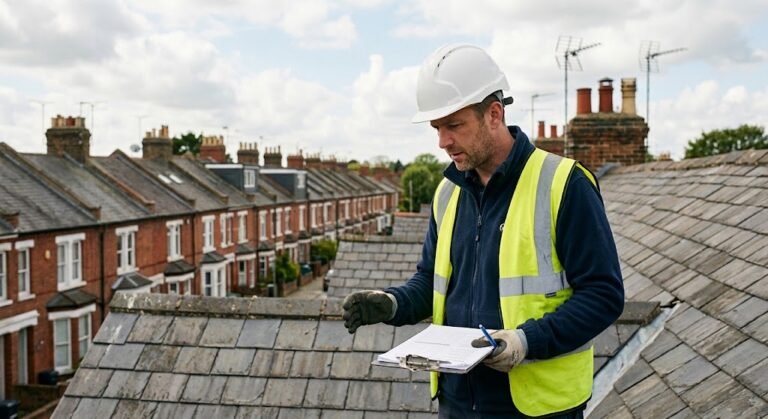
- Roofs and chimneys. Slipped or delaminating Welsh slate, worn flashing, leaning or unused chimney stacks, and missing roof felt in pre-war terraces.
- Structural movement. Cracking around bay windows and lintels, bowing front walls, and movement from leaking drains or nearby trees.
- Timber defects. Woodworm, wet rot and dry rot in suspended timber floors and cellars, which are common under Liverpool terraces.
- Wall-tie failure and cavity insulation. Corroded ties in older cavity walls, and badly installed retrofit cavity-wall insulation that can carry rain across to the inner wall.
- Outdated services. Old wiring, lead or galvanised water pipes and ageing boilers. Surveyors flag these and advise specialist testing.
- Non-standard construction. Some post-war council-built homes use concrete or steel systems that certain lenders treat differently.
- Ground and mining risk. Liverpool has historic quarrying, and parts of wider Merseyside sit on former coalfield. Your solicitor’s searches should cover this; a Level 3 survey will flag visible signs of movement.
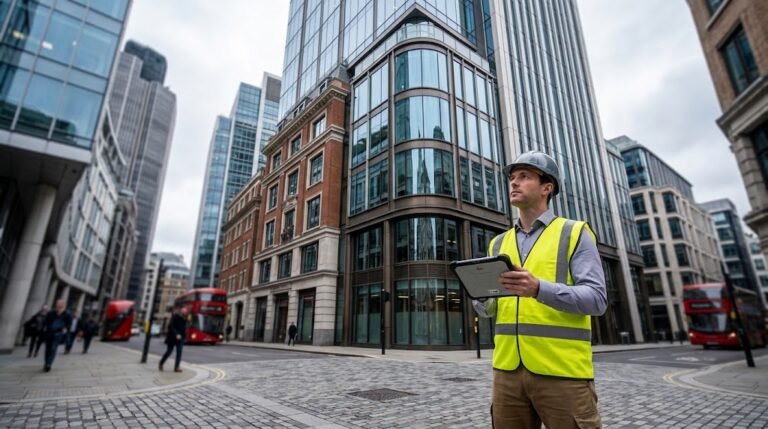
- City-centre flats. Cladding and fire-safety paperwork (such as an EWS1 form where a lender asks for one), lease length and service charges.
- Alterations without approval. Knocked-through walls, loft conversions and extensions that may lack Building Regulations sign-off.
A survey turns each of these into a clear rating and next step, so you know which issues are cosmetic and which need a builder’s quote before exchange.
How much does a house survey cost in Liverpool?
The average house survey cost in Liverpool is about £445 for a RICS Level 2 and £595 for a Level 3, according to quotes compared on reallymoving. That is below many UK averages, because Liverpool property values are lower than the national figure.
| Survey type | Liverpool average | Typical UK range (2026) | Time on site |
|---|---|---|---|
| RICS Level 1 – Condition Report | £300–£700 | £300–£900 | 1–2 hours |
| RICS Level 2 – HomeBuyer Survey | about £445 | £400–£1,000 | 2–4 hours |
| RICS Level 3 – Building Survey | about £595 | £630–£1,500+ | Up to a full day |
Liverpool figures: UK ranges: HomeOwners Alliance market data as of July 2026, via . Prices include VAT where charged; always get a written quote.
What affects the price of a house survey in Liverpool?
- Property value. A £400,000 detached house in Allerton costs more to survey than a £130,000 terrace in L4, because the surveyor’s liability is higher.
- Size and number of rooms. More bedrooms, outbuildings and storeys mean more inspection time.
- Age and condition. Period and run-down homes take longer to inspect and report on.
- Extras. Adding a market valuation, rebuild cost or a specialist damp, drainage or electrical report increases the fee.
- Turnaround. Some firms charge more for an urgent inspection or report.
Is a house survey worth the money?
Usually, yes. A 2026 analysis by Konnect You found that 35% of buyers who commissioned a survey went on to renegotiate the price, saving £6,390 on average (HouseCheckup). That is more than ten times the cost of a typical Liverpool Level 3 survey.
For more on how a survey protects buyers, read this guide to house surveys.
How to choose a surveyor in Liverpool
Pick a RICS-regulated firm with local experience of Liverpool’s period housing, and compare at least three written quotes. Check these points before you book:
- RICS regulation. Confirm the firm and surveyor on the RICS register. This gives you a formal complaints route if something goes wrong.
- Local knowledge. A surveyor who regularly inspects terraces in Walton or villas around Sefton Park knows what to look for.
- Independence. Choose a surveyor working only for you, not one linked to the estate agent selling the home.
- Clear scope. Ask exactly what is included: roof space, cellar, drains, outbuildings, valuation.
- Sample report. A good firm will show you an example so you know what you are paying for.
- Turnaround. Ask when they can inspect and when the report will arrive.
What happens on survey day
- Book after your offer is accepted. Instruct the surveyor as soon as the seller agrees your price, and give them the agent’s details to arrange access.
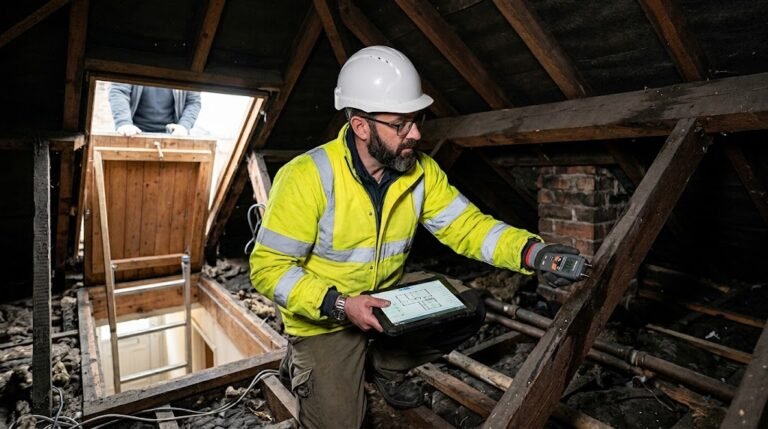
- The inspection. The surveyor checks the outside from ground level and with binoculars, then each room, the roof space and any accessible cellar. They use a damp meter and note visible defects.
- The report. Most Liverpool firms send the report within 2 to 7 working days .Each element gets a condition rating.
- Follow-up call. Ring the surveyor to talk through anything rated red or 3. This call is often included and is the most useful part of the service.
What to do after the survey
- Get quotes for repairs. Ask builders or specialists (damp, electrics, roofing) to price any serious defects.
- Renegotiate. Use the report and quotes to ask for a price reduction, or for the seller to fix the problem before completion.
- Ask your solicitor. Raise questions about missing certificates, building regulations sign-off or guarantees.
- Walk away if needed. Until you exchange contracts, you can still withdraw if the risks are too high.
House survey Liverpool: frequently asked questions
How much is a house survey in Liverpool?
Around £445 on average for a RICS Level 2 HomeBuyer Survey and £595 for a Level 3 Building Survey. A Level 1 Condition Report typically costs £300–£700.
Do I need a house survey if I have a mortgage valuation?
Yes. A mortgage valuation is for your lender and only checks the home is worth the loan. It does not report defects or repair costs to you.
Which survey is best for a Victorian terrace in Liverpool?
A RICS Level 3 Building Survey. Victorian terraces often have damp, roof, timber and movement issues that need the deeper inspection and repair advice Level 3 provides.
How long does a house survey take in Liverpool?
The inspection takes 1–2 hours for Level 1 and up to a full day for Level 3. The report usually arrives 2 to 7 working days later.
Can I renegotiate the price after a survey?
Yes. If the survey finds problems that were not reflected in the asking price, get repair quotes and use them to ask for a reduction before you exchange contracts.
Who pays for the house survey?
The buyer pays. It is your survey, carried out for your benefit, and the surveyor owes you a duty of care.
Is a house survey a legal requirement?
No, but it is strongly recommended, especially for older Liverpool homes where repair costs can run into thousands of pounds.
Can a surveyor find Japanese knotweed?
Surveyors report knotweed if they see it in the garden or along boundaries. If it is suspected, they will advise a specialist survey.
Book your house survey in Liverpool
A house survey in Liverpool costs a few hundred pounds and can save you thousands. Choose Level 2 for modern homes in good condition and Level 3 for Victorian terraces, period villas and anything altered or tired. Book as soon as your offer is accepted, read the report carefully and use it to negotiate.
Ready to buy with confidence?
Book a house survey in Liverpool with our RICS-regulated surveyors today for a fixed-price quote and a clear, plain-English report.