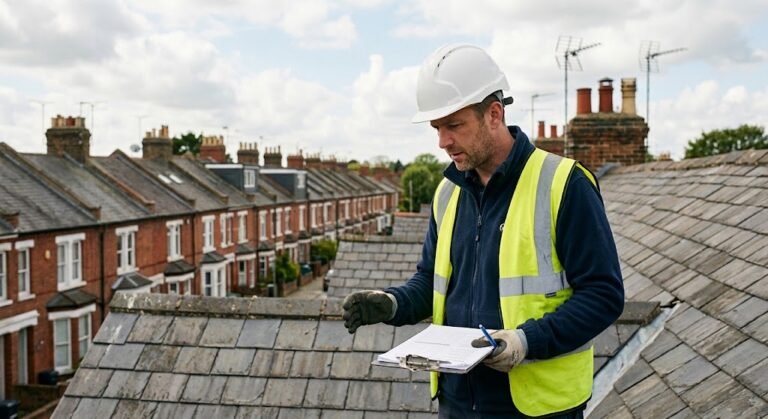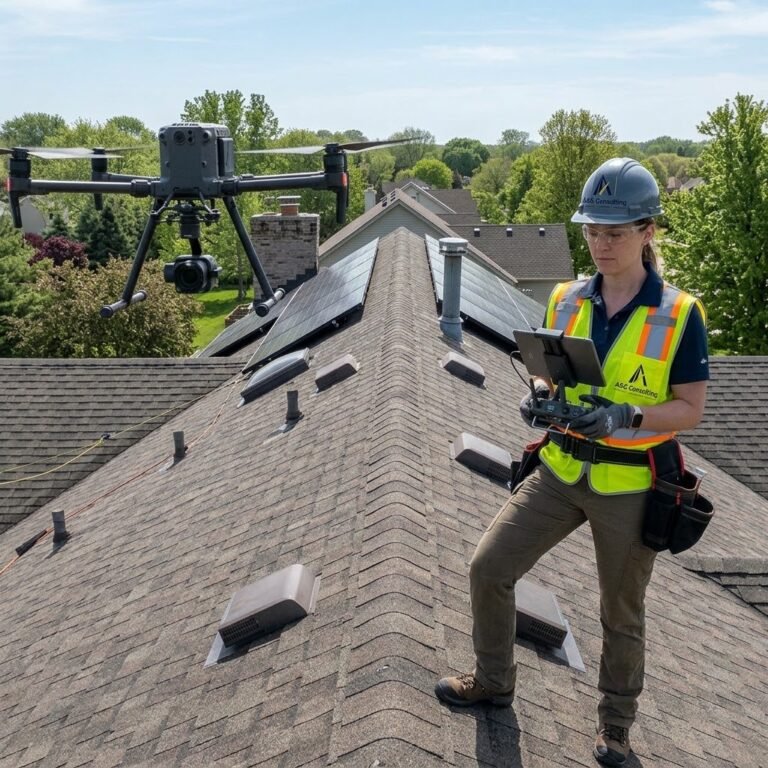
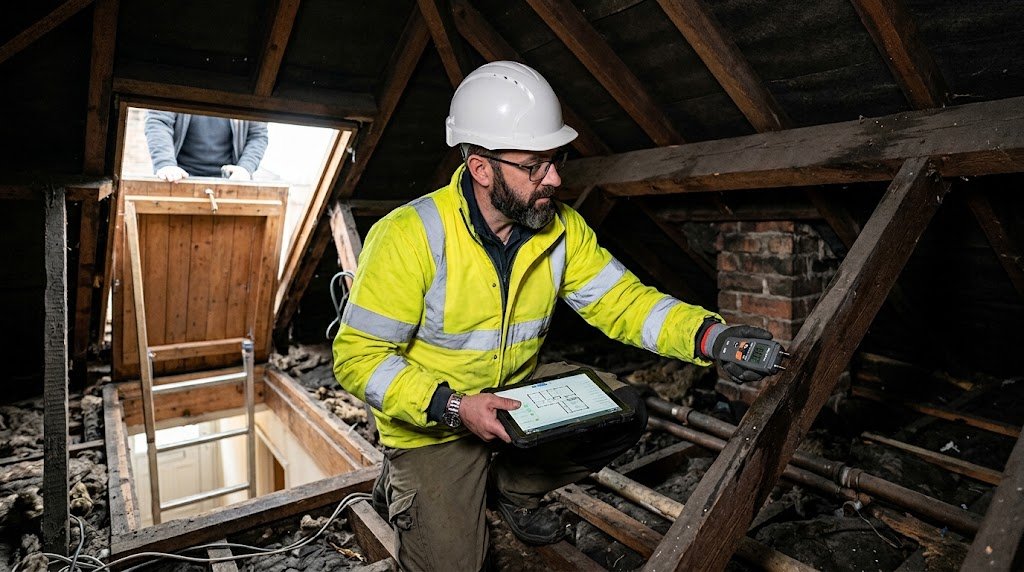
Buying a home is probably the biggest cheque you’ll ever write. A house purchase survey is the one step that tells you what you’re really buying, before it’s too late to change your mind. It costs a few hundred pounds. Missing a problem can cost tens of thousands.
This guide covers every survey level, real costs, red flags and what to do once the report lands.
Which Survey Do You Need?
Short version. Newer, standard home in decent shape? Level 2. Old, big, altered or oddly built? Level 3. Brand new and barely lived in? Level 1 might do.
Which survey do I need? A quick flowchart
Ask yourself three things, in this order.
- Was it built before 1900, or is it listed? Go straight to Level 3.
- Has it been extended, converted or does it look like it needs major work? Level 3 again.
- Is it a conventional house or flat in reasonable condition? Level 2 is your answer.
Survey type by property age and condition
| Property | Best fit |
|---|---|
| Built in the last 10 years, good condition | Level 1 or Level 2 |
| 1930s semi, reasonable condition | Level 2 |
| Victorian terrace or older | Level 3 |
| Listed or very large | Level 3 |
| Extended, converted or needing work | Level 3 |
What Is a House Purchase Survey?
A house purchase survey is an independent inspection of a property’s physical condition by a qualified surveyor, done before you exchange contracts. It flags things like damp, roof defects, movement in walls and dodgy DIY, so you can fix problems, renegotiate or walk away.
Survey vs mortgage valuation: what’s the difference?
A mortgage valuation is for the lender. It only confirms the property is worth the loan. It won’t tell you the roof is tired or the chimney’s leaning. Think of it as the bank checking its own homework, not yours.
Do I need my own survey if the lender has valued it?
Yes. The valuation protects the lender, and you get nothing from it except a green light on the loan. Your own survey is the only report written for you.
Is a survey worth it?
Honestly, I’d never skip one. A £450 report that spots £12,000 of roof work pays for itself several times over, and the same goes for a flagged damp problem. If you’d like to hear how it feels from the buyer’s side, here’s what one buyer said about their survey experience.
Types of House Purchase Survey Explained
There are three RICS levels, plus specialist reports. They’re not interchangeable, so match the level to the property.
RICS Level 1 (Condition Report)
A basic health check using a traffic light rating system. It’s best for modern, standard built homes. Costs typically start around £300. It won’t give advice on repairs or cover the roof space in depth.
RICS Level 2 (HomeBuyer Report)
The most popular choice. It covers visible defects, roof spaces and drainage, and you can add a market valuation. It suits conventional properties in reasonable condition. Expect roughly £350 to £450 or more, depending on price and location.
RICS Level 3 (Building Survey)
The deep one. It’s ideal for older, larger, listed or heavily altered homes. The surveyor looks at construction, likely causes of defects and possible repair options. Costs run from about £500 to £2,000 or more.
Specific defect reports
Sometimes a general report raises one worry, like cracks or damp. A targeted report digs into that single issue. More on these below.
How Much Does a House Purchase Survey Cost in 2026?
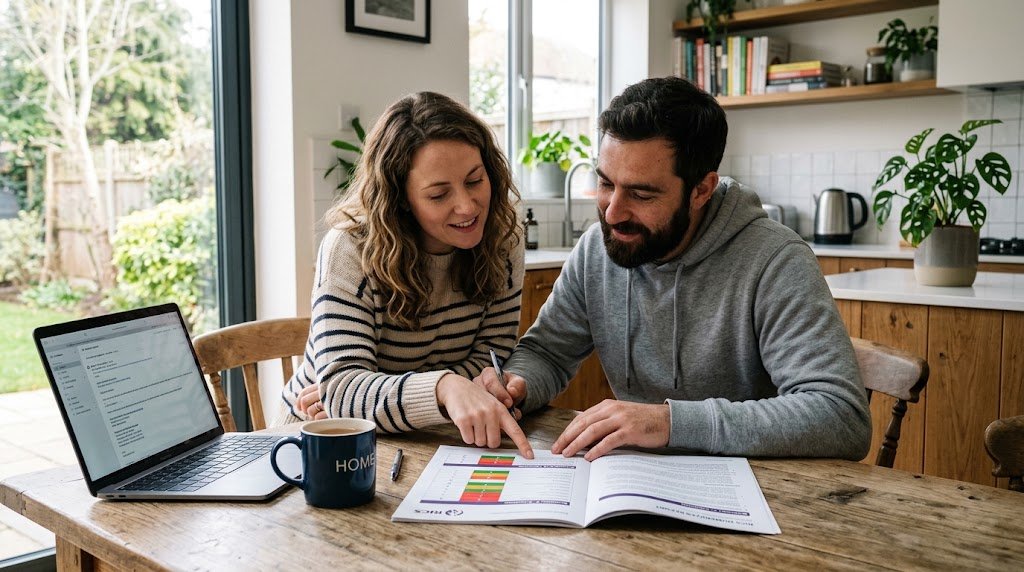
Prices move with property value, size, age and region. Treat every figure here as a guide, and always get a written quote.
Cost by survey level
| Survey | Typical cost |
|---|---|
| Level 1 | From about £300 |
| Level 2 | About £350 to £450+ |
| Level 3 | About £500 to £2,000+ |
Cost by property value
Higher value homes cost more to survey because there’s more to inspect and more at stake. A £150,000 terrace might sit at the lower end of Level 2. A £600,000 detached house can easily push past the top of it.
Cost by property size and type
Bedrooms, floors and outbuildings all add time. A two bed flat is quicker than a five bed house with a converted loft and a garage.
Cost by region
London and the South East usually cost more. In Liverpool, Merseyside, the Wirral, Cheshire and Manchester, prices are often a touch lower, though a large older property still pushes you into Level 3 money.
Survey cost calculator
Add a simple tool here: pick the property value, age, type and postcode, and show a likely range. It’s the kind of thing people bookmark and share.
What affects the price?
Age, size, condition, extensions, location and whether you add a valuation. Complicated properties cost more. Simple as that.
When to Book Your House Purchase Survey
Timing matters more than people think. Book too early and you risk paying before the deal is solid. Book too late and you’re squeezed.
Survey timeline: offer to exchange
The usual order is offer accepted, mortgage application, survey, searches, then exchange. Most buyers book 1 to 3 weeks after the offer is accepted.
Should you wait for draft contracts?
Many buyers wait until the solicitor has draft contracts. But if the chain looks steady and the seller’s keen, booking a little earlier can save a week.
How long does a survey take, and when do you get the report?
The visit takes around 1 to 4 hours depending on the property. Reports usually arrive within a few working days. Ask your surveyor for their turnaround before you book.
How to Choose a Surveyor
Anyone can call themselves a “surveyor”. That’s the problem. Check the letters after the name.
RICS vs RPSA accreditation
Both are recognised bodies. RICS is the best known, and its Home Survey standards are what most lenders and solicitors expect. RPSA surveyors also work to a professional code. Either way, the surveyor should be properly accredited and insured.
How to check a surveyor’s credentials
Use the RICS Find a Surveyor tool, ask for their registration number and confirm professional indemnity insurance. It takes five minutes.
Questions to ask before booking
- Are you RICS regulated, and can you show me?
- Which survey level suits this property?
- How long until I get the report?
- Do you cover this area regularly?
- Can I phone you afterwards to talk through the findings?
What’s included in the scope?
Ask what’s checked and what isn’t. Surveyors don’t lift carpets or move heavy furniture, and they can’t see inside walls. Knowing the limits avoids nasty surprises.
Warning signs of a poor surveyor
A price far below everyone else. No credentials. A vague or templated report. And (this one bugs me) a surveyor who won’t answer questions after the visit.
Surveys by Property Type
Victorian and older homes built before 1900
Expect solid walls, old timber, lime mortar and quirks. Go Level 3. Damp, movement and past repairs are common talking points.
Ex council houses
Some are non traditional construction, which can affect mortgage lending. A thorough survey checks the build type and any past repairs.
Flats and leasehold properties
The surveyor inspects your flat and the visible communal areas, but the lease itself is for your solicitor. Look at lease length, service charges and ground rent alongside the report.
Listed buildings
Repairs often need consent and specialist skills. Level 3 is the sensible choice, and budget for materials that cost more than standard ones.
Timber framed and non standard construction
These can be perfectly sound, but lenders and insurers sometimes ask extra questions. A detailed report helps you answer them.
Extended or converted homes
Was the loft conversion signed off? Is the extension built properly? Your surveyor can spot obvious problems, and your solicitor should check building regulations paperwork.
New builds
Don’t assume perfect. Snagging issues are very common, so a snagging inspection is often more useful than a standard survey.
Surveys by Buyer Situation
First time buyers
You don’t know what you don’t know. A home buyers survey gives you a calm, written explanation of the property, which is worth a lot when you’re nervous.
Cash buyers
No lender means no mortgage valuation at all. Your survey becomes your only independent check.
Auction purchases
Survey before you bid, not after. At most auctions you’re bound to buy once the hammer falls, so the report has to come first.
Chain break situations
If a chain collapses, you might need a fresh survey on a new property. Some surveyors will look at reuse or discounts, so ask.
Buying a property you already know has problems
Go in with eyes open. A full home buyers survey puts rough costs on each issue, which gives you firm ground when negotiating.
Specialist Reports and Add Ons
Damp and timber survey
If damp is flagged, get a specialist to confirm the cause. Some damp is cheap to fix. Some isn’t.
Drainage CCTV survey
A camera run through the drains can reveal cracks, blockages and root damage that nobody sees from above ground.
Electrical inspection (EICR)
Worth it for older wiring or anything that looks dated. It shows whether the installation is safe.
Subsidence and structural engineer report
Wide diagonal cracks or sticking doors might need an engineer. Don’t guess on structure.
Roof condition report
Useful when the surveyor can’t fully assess the roof, or when slipped tiles and sagging lines are visible.
Japanese knotweed survey
It can make mortgages harder to get. A specialist confirms whether it’s present and what a treatment plan would involve.
Asbestos survey
Homes built before 2000 may contain asbestos materials. Leave it alone if it’s undisturbed, and get advice before any building work.
When is each worth paying for?
Pay for a specialist report when your main survey names a specific concern, or when the repair could run into thousands. Otherwise, skip it.
Red Flags on a House Purchase Survey
Not every issue is a deal breaker. Some are just maintenance. Here’s how to tell the difference.
Serious structural red flags
Large or widening cracks, bowing walls, sagging roofs and signs of movement. These need an engineer’s view before you commit.
Damp, timber and roof red flags
Rising damp, rot in floors or joists, woodworm and failing roof coverings. Costs can climb quickly.
Electrical, heating and drainage red flags
Outdated fuse boards, old boilers and defective drains. Usually fixable, but priced properly they add up.
Legal and environmental red flags
Short leases, unapproved alterations, flood risk and contamination concerns. The survey raises them, and your solicitor follows through.
Typical repair costs
| Issue | Rough cost |
|---|---|
| Re pointing brickwork | £1,500 to £5,000 |
| New boiler | £2,000 to £4,000 |
| Full rewire | £4,000 to £8,000 |
| Re roofing | £5,000 to £15,000+ |
| Damp treatment | £500 to £5,000 |
Add photos beside each row. Real images beat stock ones every time.
Red flags by property age
Older homes tend to show damp, timber and movement issues. Newer ones lean towards poor workmanship and snagging. Post war builds can bring non traditional construction.
How to Read Your Survey Report
Understanding traffic light ratings (1, 2, 3)
Level 1 and Level 2 reports use them. A 1 means no repair needed. A 2 means defects that should be dealt with but aren’t urgent. A 3 means serious or urgent. Level 3 reports are more narrative, with less colour coding and more explanation.
Key sections explained
You’ll see a summary, the condition of the roof, walls, windows, services and grounds, then risks and legal matters. Read the summary first, then go straight to anything rated 3.
Jargon buster
“Spalling” is crumbling brick. “Efflorescence” is white salt marks. “Cold bridging” is where heat escapes through a weak spot. Ask your surveyor to explain anything unclear.
Annotated sample Level 2 report
Offer a download with notes beside each section, so readers see what a real report looks like.
Annotated sample Level 3 report
Same idea for the building survey. It builds trust, and people love a real example.
What to Do After Your House Purchase Survey
Don’t panic. Most reports list plenty of issues, and most buyers still go ahead. The skill is knowing which ones matter.
Should you proceed, renegotiate or walk away?
If the problems are small, proceed. If they’re costly but fixable, renegotiate. If they’re structural, unclear or unaffordable, walking away is a sensible choice.
How to negotiate the price
Get quotes first. Say the report flags £8,000 of roof work. Show the seller two quotes and ask for a price reduction that reflects it. Sellers respond far better to numbers than feelings.
Getting quotes for repairs
Get at least two from local trades, ideally in writing. Keep them with your report.
Asking the seller to fix issues
It’s possible, but a price reduction is usually cleaner, because you control the work and the quality.
What if the mortgage valuation comes in low?
Challenge it. Send the lender comparable sales and your survey findings, and talk to your broker. Or renegotiate the price down to match.
When to walk away
If the structure’s compromised, the seller won’t move or the repair bill wrecks your budget. And yes, walking away can feel awful. But it beats owning a money pit.
Survey negotiation email template
Hi [Agent], our survey found [issue]. Two quotes put the repair at £[amount]. We’d like to proceed, but we’d need the price reduced to £[figure]. Can you take this to the seller? Thanks, [Name]
Common House Survey Mistakes to Avoid
Choosing on price alone. Picking the wrong level. Skipping the summary. Ignoring the limits of the report. And booking before the offer’s really agreed. Every one of these is avoidable, and a good house purchase survey only helps if you act on what it says.
House Survey FAQs
How much should a HomeBuyer survey cost?
Usually around £350 to £450 or more, depending on the property’s value and location.
At what stage do you have a survey when buying a house?
After your offer’s accepted, typically 1 to 3 weeks in, around when draft contracts arrive.
Can a survey make me lose my house purchase?
The survey doesn’t, but what it finds might lead you to renegotiate or withdraw. That’s the point of it.
Can I get a survey on a property I haven't offered on?
Sometimes, but agents often won’t allow access until an offer’s accepted. You’d also be paying before you’re committed.
Who pays for the survey?
You do. The buyer chooses and pays the surveyor.
Can I attend the survey?
Often yes, or at least ask to call the surveyor afterwards. Some prefer to work undisturbed.
Is a survey valid if I'm buying at auction?
Yes, and it’s even more important. Do it before you bid, because you’re usually committed once the hammer falls.
Next Steps: Get a Survey Quote
Ready to book a house purchase survey? Tell us about the property and we’ll recommend the right level. For a no pressure chat about a home buying survey, get in touch today.
Find a RICS surveyor near you
Use the RICS Find a Surveyor tool, or speak to a local chartered firm that knows the area.
Local survey pages
Buying in Merseyside? See our page on house buying surveys in Liverpool, with local pricing and case studies.
Areas covered: Liverpool · Merseyside · Wirral · Cheshire · Manchester · North West