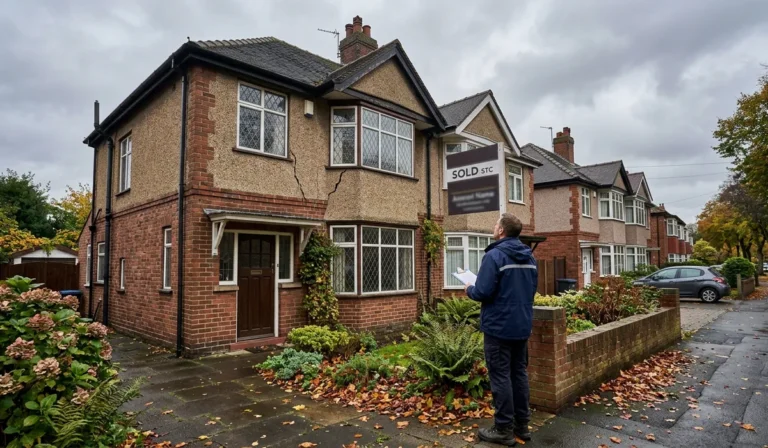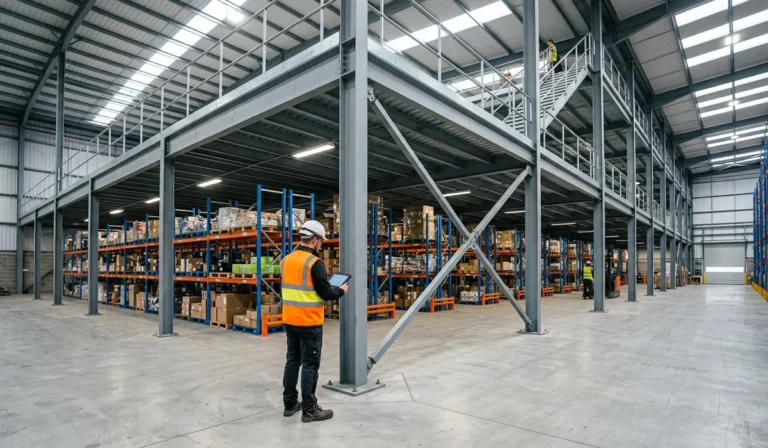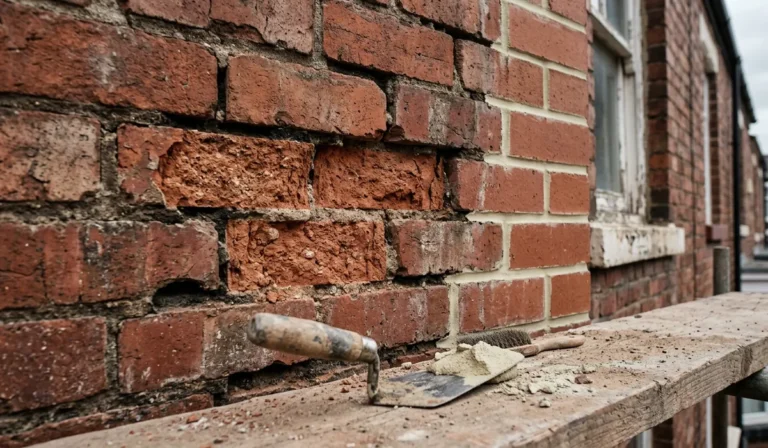

A commercial unit can look immaculate on viewing day and still be hiding real problems underneath the paintwork. A roof void quietly failing. A hairline crack that’s actually the start of something structural. Wiring that was fine in 1985 and hasn’t been touched since. None of this shows up in a walk-through, and that’s precisely the gap where buyers, investors, landlords, and tenants lose money.
That gap is what a commercial building surveyor is there to close. Working to RICS standards, a chartered surveyor doesn’t just look at a building; they interrogate it: the structure, the fabric, the services, the compliance position. Below, we’ll go through how surveyors actually find hidden defects, the problems that come up again and again in UK commercial property, the different survey types you might need, what a decent report looks like, what drives the cost, and how to pick someone good for the job.
What Does a Commercial Building Surveyor Actually Do?
Put simply, a commercial building surveyor is a RICS-regulated professional who assesses the condition of non-residential buildings, offices, retail units, warehouses, and industrial space. Their job is to find defects, flag compliance risk, and hand the client an honest, evidence-backed picture of what they’re actually buying, leasing, or occupying.
Surveyor vs Valuer: Why the Difference Matters
People mix these two up constantly, and it’s an expensive mistake. A mortgage valuation is there to protect the lender; it confirms the property’s worth is roughly what’s being borrowed against it, nothing more. A building survey is a different animal entirely, commissioned by the buyer or occupier, and its whole purpose is assessing physical condition, the exact thing a valuation was never designed to catch.
How Commercial Building Surveyors Identify Hidden Defects
This is really the heart of what makes a survey worth having. A proper inspection isn’t a quick lap of the building; it combines close visual assessment with diagnostic tools: moisture meters for damp, thermal imaging to pick up things like poor insulation or water tracking behind a wall, non-invasive testing where it’s warranted. Commercial Building Surveyor gets into the roof void, the service risers, the bits everyone else walks past. And because they know how buildings of a given age and construction type tend to fail, they know roughly where to look before they even start.
Structural and Fabric Defects
Cracking and movement get read in context; not every crack means trouble, but telling ordinary settlement apart from something worth investigating further is exactly the kind of judgement call a trained surveyor makes and an untrained eye doesn’t.
Damp, Water Ingress and Roofing Issues
Roofs and rainwater goods are a classic source of hidden deterioration, partly because water doesn’t stay where it enters ,it travels, sometimes a fair distance, before it shows up as a stain somewhere else entirely. Tracing it back to source is half the job.
Electrical, Mechanical and Services Risks
Older commercial stock in particular tends to be running on M&E systems that have been patched rather than properly maintained. A Commercial Building Surveyor will flag what looks off and, where it needs a closer look, point you toward a specialist engineer.
Non-Compliance and Fire Safety Issues
Fire compartmentation failures are a good example of a defect with zero visual warning signs but very real liability attached, which is exactly why they need a targeted inspection to catch, not a casual look-around.

Across all four of these, the pattern’s the same: these are the problems that get missed because they don’t announce themselves, and the longer they sit undetected, the more expensive they get.
Common Hidden Defects in UK Commercial Properties
Commercial buildings fail differently to houses, so a survey needs to reflect that. The usual suspects across UK commercial stock:
- Roof deterioration and failing waterproofing
- Damp and timber decay
- Asbestos-containing materials, especially in anything built before 2000
- Subsidence and structural movement
- Outdated M&E systems
- Alterations done without building control sign-off
- Fire compartmentation failures
Which of these matter most depends heavily on what kind of building you’re looking at ,a warehouse fails in different ways to a retail unit, which fails differently again to an office block. That’s part of why sector experience matters when you’re choosing who to instruct.
Types of Commercial Building Surveys in the UK
Different situations call for different surveys, and it’s worth knowing which one you actually need before you pick up the phone.
Building Survey
The full, detailed inspection, the commercial equivalent of a RICS Level 3 survey on the residential side. This is what most buyers commission before acquisition, and it’s the most thorough option going.
Schedule of Condition
A factual snapshot of a property’s state at a given moment, usually done before a lease starts or works begin. For tenants, this is protective; it draws a clear line at the start of a lease so you’re not later blamed for damage that was already there.
Schedule of Dilapidations
The end-of-lease counterpart, assessing repair liability as a tenancy winds down. This work often takes the form of a Schedule of Dilapidations, and it sits within the legal framework of the Landlord and Tenant Act 1927, section 18 in particular, which caps what a landlord can actually claim in damages.
Planned Preventative Maintenance (PPM) Survey
Less about a single point in time, more about the long game, landlords and asset managers use PPM surveys to plan maintenance and budget ahead, rather than firefighting problems as they surface.
Measured Building Survey / Technical Due Diligence
Common in acquisition and development work, giving accurate building data plus a technical risk read to support the decision-making around it.
What’s Included in a Commercial Building Survey Report
A well-put-together report will usually give you an executive summary, defects rated by severity, photos as evidence, repair recommendations, and any relevant legal or compliance notes. Some Commercial Building Surveyors will also add indicative cost guidance for repairs, though that’s not universal; worth asking upfront if it matters to you.
How to Read and Interpret a Survey Report
Start with the executive summary and anything flagged as high priority; that’s what’s actually going to affect your decision or your negotiating position. The photos give you a real sense of scale rather than just a written description, and the recommendations tell you what needs to happen next, if anything. And if something in the report doesn’t make sense, ask; a good Commercial Building Surveyor will happily talk you through it.
Benefits of Hiring a Commercial Building Surveyor
- Leverage to negotiate if defects turn up before you complete
- A properly evidenced picture to base an investment decision on
- Documentation that protects you in a dilapidations dispute
- A sensible starting point for long-term maintenance budgeting
- Cover for whatever your insurer or lender might require
Commercial Building Survey Costs in the UK
Fees are generally quoted per instruction rather than billed by the hour, and they move around a lot depending on the job. Get an itemised quote before you instruct anyone, and specifically ask whether anything like negotiation support gets billed separately, because that catches people out.
Factors That Affect Survey Cost
- Size and type of the property
- Age and how it was built
- Listed status, if that applies
- Location, London and the South East typically cost more
- How urgent it is and how hard the property is to access
Prices shift by region, property type, and who you instruct, so it’s genuinely not worth going off a generic figure you’ve found online; ask for a current quote instead.
When Should You Hire a Commercial Building Surveyor?
- Before you buy or acquire a commercial property
- Before signing a new lease
- Before any major refurbishment
- At lease renewal or expiry, for dilapidations
- As part of ongoing asset management, alongside a PPM survey
Commercial Building Surveyor VS Structural Engineer
Worth being clear on this one too. A commercial building surveyor covers the whole building, structure, fabric, services, compliance, all of it. If something specific turns up, say significant movement or suspected subsidence, that’s when a commercial building surveyor will bring in a structural engineer for the detailed calculations and specialist digging. They’re not competing roles; one typically leads to the other when it’s needed.
FAQs
What is the difference between a commercial building survey and a schedule of condition?
A building survey assesses the full condition of the property. A schedule of condition simply records the state of the property at a fixed point, typically before a lease or works begin.
How long does a commercial building survey take?
It depends on the size and complexity of the building; your surveyor should be able to give you a realistic estimate as part of the quote.
Do I need a survey before signing a commercial lease?
It’s strongly worth having, not least because a schedule of condition can protect you from being held liable for damage that already existed.
What happens if a surveyor finds a serious defect?
It goes into the report along with the likely cause and severity, and if it needs specialist eyes, a structural engineer, say , that’s usually flagged too.
Can I use a survey report to negotiate the purchase price?
Yes, this is a common and legitimate use of a survey report where defects come up.
Is a commercial building survey a legal requirement?
No, it’s not mandatory, but it’s widely considered essential due diligence before purchase or lease.
What’s the difference between a commercial building surveyor and a structural engineer?
A Commercial Building Surveyor looks at the building’s overall condition; a structural engineer is brought in for specialist analysis when a structural issue is identified.
How often should a commercial property be surveyed?
It varies with the building’s age, condition, and use, often built into a PPM survey and ongoing asset management rather than a fixed schedule.
What qualifications should a commercial building surveyor have?
RICS chartered status as a baseline, plus relevant experience in commercial property and ideally your specific sector.
How much does a commercial building survey cost in the UK?
It depends on property size, type, location, and scope; best to ask a surveyor directly for a quote tailored to your building.
Conclusion
Commercial property doesn’t usually give up its problems on a first look. Hidden defects, a failing roof, a compliance gap nobody’s noticed yet, can turn into real financial and legal headaches if they’re missed. A RICS-chartered commercial building surveyor gives you an honest, evidence-based read on what you’re actually dealing with, whatever stage of ownership or occupation you’re at.
If you’re weighing up a purchase, a lease, or a refurbishment, it’s worth talking to a chartered commercial building surveyor early, before decisions get made that are hard to walk back.