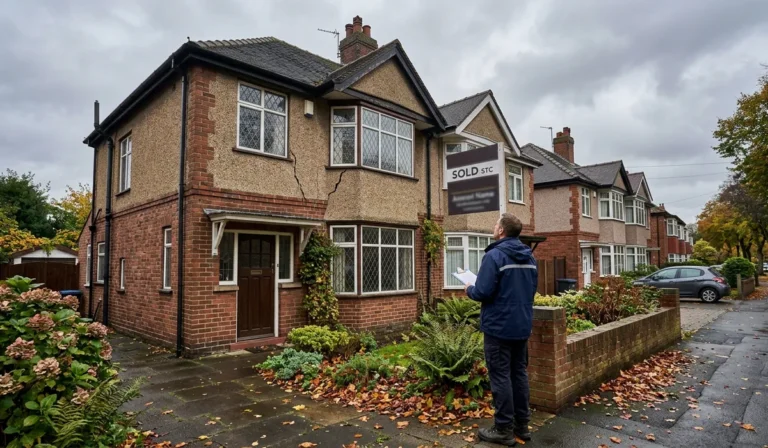

I once took a call on a Tuesday morning from a couple who’d just lost £4,000 on a Georgian terrace off Faulkner Street. They’d skipped the home buyer survey Liverpool solicitors had actually recommended, just to save time and a bit of money. Three weeks after completion, a crack the previous owner had quietly plastered over reopened right above the bay window. That’s not a horror story lifted from somewhere online. That was my phone ringing.
If you’re buying in Liverpool right now, this is exactly the kind of thing a proper home buyer survey Liverpool buyers arrange is meant to catch before it becomes your problem instead of the seller’s. Search around, and you’ll find dozens of firms all promising more or less the same thing. What actually separates them isn’t the marketing; it’s how thoroughly the person on site does their job.
This isn’t a generic why surveys matter checklist copied from a national template. It comes from years spent walking around Liverpool’s housing, the bay-fronted 1900s terraces of Aigburth, sandstone semis in Woolton, converted dockside flats near the Baltic Triangle, and everything in between. Each of those brings its own quirks, and getting a home buyer survey Liverpool buyers can actually rely on means understanding those quirks, not just ticking generic boxes.
Below, I’ll walk through what a proper survey covers, how to pick the right level, what tends to turn up, and how to use the findings to your advantage before contracts get exchanged.
Why Liverpool’s Housing Makes a Home Buyer Survey Non-Negotiable
This isn’t a city built on identikit new-builds. Most of the housing stock went up between 1880 and 1930, meaning solid brick walls, foundations that are shallow by today’s standards, slate roofs approaching the end of their working life, and, in pockets like Toxteth, Wavertree, and parts of Anfield, cellars that were never designed with today’s water table in mind.
Throw in the clay-heavy soil across much of Merseyside, which moves noticeably during dry spells, and you end up with a city where a home buyer survey Liverpool properties genuinely need isn’t a box-ticking formality. It’s arguably the single most useful document you’ll receive before exchanging contracts. Solicitors and mortgage brokers in this city recommend it for good reason.
Worth being clear on one thing: A mortgage valuation is not the same thing. That figure simply tells your lender the house is worth lending against. It says nothing about whether the roof needs replacing in eighteen months, or whether that crack near the chimney breast is cosmetic settlement or genuine subsidence. Confusing the two is exactly how buyers end up blindsided.
Home Buyer Survey Liverpool RICS Level 2 vs Level 3
Once RICS standardised survey terminology, most residential surveys fell into one of two buckets, and picking the right one matters more than most people assume. This is usually the first real decision you’ll face once you start comparing quotes for a home buyer survey Liverpool-wide.
A Level 2 survey is what most people picture when they hear the word survey. It suits conventional, reasonably modern homes in fair condition- think 1950s-onward semis around Childwall or Gateacre. It’s a visual, non-invasive inspection covering the roof, walls, damp, windows, and services, using a traffic-light system so you can see at a glance what needs urgent attention versus what’s just worth keeping an eye on.
Level 3 is the one you want for anything pre-1900, listed, structurally altered, or already showing visible problems, which realistically describes a huge chunk of Liverpool’s terraced and period stock. Most people still call this a full building survey. It goes further than Level 2 by explaining why a problem exists, not just flagging that it does, and gives you a realistic sense of cost and timeframe for fixing it.
On current market rates, Level 2 surveys generally run somewhere between £400 and £900 depending on the size of the property, while Level 3 building surveys typically start higher given the extra site time and depth of reporting. Either way, that’s a rounding error compared to discovering structural movement after you’ve already exchanged.
If you’re not sure which one applies to your purchase, ask your surveyor directly: given this property’s age and condition, would you recommend Level 2 or Level 3? A good chartered surveyor will answer that honestly, even when the honest answer costs you more upfront, because their professional reputation depends on getting it right, not on upselling.
What a Home Buyer Survey in Liverpool Actually Covers
A home buyer survey Liverpool buyers commission through a RICS-regulated firm will typically cover:
- A full internal and external visual inspection of the main building
- Assessment of the roof structure, chimneys, and guttering
- Damp readings across ground-floor walls
- Condition of windows, doors, and external joinery
- Visible signs of structural movement, subsidence, or settlement
- Drainage and services observations (though not a full technical test)
A home buyer survey: Liverpool buyers’ commission through a RICS-regulated firm will typically include damp readings across ground-floor walls, alongside checks on the roof, structure, and services.
What it won’t do is lift floorboards, move furniture, or test electrics and gas to a technical standard. That’s not the surveyor cutting corners; it’s simply outside the scope of a non-invasive visual inspection, and any honest professional will say so upfront rather than let you assume otherwise. It’s also part of why it’s worth insisting on a RICS-regulated firm rather than a cheaper unregulated alternative advertising the same thing.
The Problems a Home Buyer Survey Keeps Finding in Liverpool
After enough years of these inspections across the city, patterns start to repeat themselves. In Liverpool specifically, the usual suspects are:
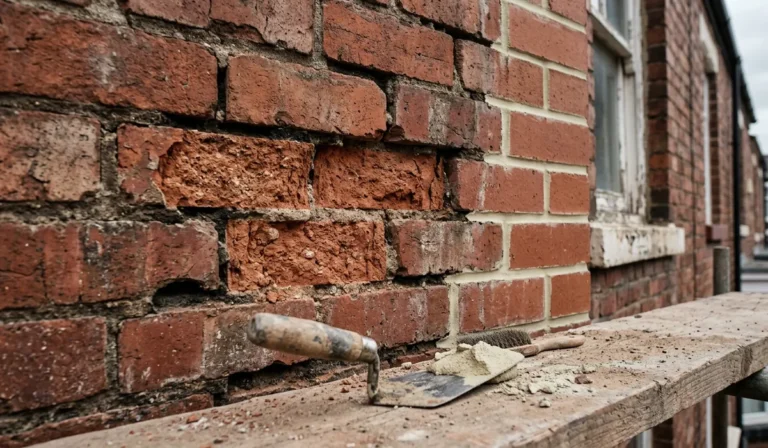
Rising and penetrating damp in older terraces, often traced back to damp-proof courses now well over 80 years old, never designed to last this long in the first place.
Roof coverings nearing the end of their life, particularly on Victorian slate roofs where the slate itself is often still sound, but the fixings holding it in place have corroded.
Cellar and basement dampness, common in older housing closer to the city centre and the docks, where groundwater sits higher than most buyers expect.
Cracking around bay windows, which can genuinely be structural, or just cosmetic settlement, and telling the two apart is exactly the judgement call that separates a proper survey from a rushed one. Get that call wrong in either direction, and it costs you, either through unnecessary panic or a nasty surprise later.
Across wider Merseyside, Wirral, Sefton, Knowsley, St Helens, similar themes turn up again and again, though coastal spots like Crosby and Formby bring their own added considerations around salt exposure and render condition. Whatever you call the report, the underlying job is the same: catch the expensive problems before they become yours.
How a Home Buyer Survey Becomes Leverage, Not Just a Warning
Here’s what buyers tend to underestimate: a home buyer survey Liverpool report isn’t purely defensive. It’s a negotiating tool.
If your report flags a £6,000 roof repair, that’s not simply information to worry about; it’s a legitimate reason to renegotiate the price, or ask the seller to sort it before exchange. Estate agents aren’t going to volunteer this leverage; it isn’t in their interest to. Your surveyor, on the other hand, has no stake in whether the sale completes at any particular price, which is exactly why an independent, RICS-regulated report carries real weight.
I’ve seen buyers knock five figures off an asking price purely because the survey gave them the confidence and the ammunition to actually have that conversation. It’s one of the quieter reasons the report so often pays for itself before you’ve even collected the keys.
Choosing the Right Surveyor for Your Home Buyer Survey in Liverpool
Not everyone advertising a cheap survey around Liverpool is RICS-regulated, and that distinction genuinely matters. RICS membership means the surveyor operates under a professional code of conduct, carries proper indemnity insurance, and follows a consistent inspection standard you can hold them to if something gets missed.
When you’re picking someone for a home buyer survey Liverpool properties require, it’s worth asking a few direct questions: are you RICS regulated, and can I see your membership number? Have you surveyed properties of this age and construction locally before? What’s your typical turnaround from inspection to report landing in my inbox? And can I actually call you afterwards to talk through what you found?
That last one matters more than people expect. A dense written report full of technical language is far less useful than five minutes on the phone with the person who actually walked the property, explaining plainly what needs attention this year versus what can realistically wait. In the end, the real value comes as much from that conversation as from the paperwork itself.
FAQs
Do I still need a home buyer survey in Liverpool if my mortgage lender is already doing a valuation?
Yes. A lender’s valuation only confirms the property’s worth lending against; it isn’t a condition report and won’t flag damp, roofing issues, or structural movement. They’re two separate documents doing two separate jobs, which is exactly why a proper home buyer survey Liverpool buyers arrange separately still matters even after the valuation’s booked.
How long does the whole process take, from booking to getting the report?
A Level 2 survey usually takes two to three hours on site, with the report landing within two to five working days. A Level 3 building survey takes longer on site, often four hours or more for older or larger properties, and the report typically takes five to seven working days given the extra detail involved.
What’s the real difference between Level 2 and Level 3, in plain English?
Level 2 is a straightforward what condition is it in today overview, suited to modern, standard homes. Level 3 goes further, explaining why problems exist and what they’ll cost to fix, and is the right call for older, altered, or non-standard properties.
Can I actually use my home buyer survey to renegotiate the price?
Yes, and it’s one of the most underused tools buyers have. If defects turn up, you can reasonably ask the seller to drop the price, fix things before completion, or contribute toward the cost.
Is a full building survey worth it for a Victorian terrace in Liverpool?
In most cases, yes. Given the age and construction methods common across Liverpool’s terraced housing, a Level 3 survey usually pays for itself many times over by catching issues a standard valuation would never uncover.
How much does a Home Buyer Survey Liverpool typically cost in Liverpool?
Prices vary with property size and survey level, but as a rough guide, Level 2 tends to sit around £400–£900, while Level 3 building surveys usually start higher given the extra time and detail. Always get a fixed quote in writing before booking.
What happens if the surveyor finds something serious?
You’re under no obligation to proceed. You can walk away, renegotiate, or get repair quotes and factor those into your offer. A serious finding isn’t the end of the purchase; it’s information that puts you back in control of it.
Final Thoughts
For most people, a Liverpool property is the single biggest purchase they’ll ever make, which is exactly why a proper home buyer survey for Liverpool buyers from a qualified, locally experienced chartered surveyor matters so much. Skipping it to save a few hundred pounds, or simply trusting the estate agent’s word that everything’s solid, is a gamble with money most buyers spent years saving. It doesn’t just protect your finances. It protects your peace of mind on the day you finally get the keys.
If there’s one thing worth taking from all this, don’t treat the survey as optional just because a seller suggests it isn’t necessary. It’s the one document in the entire buying process that’s working purely for you.