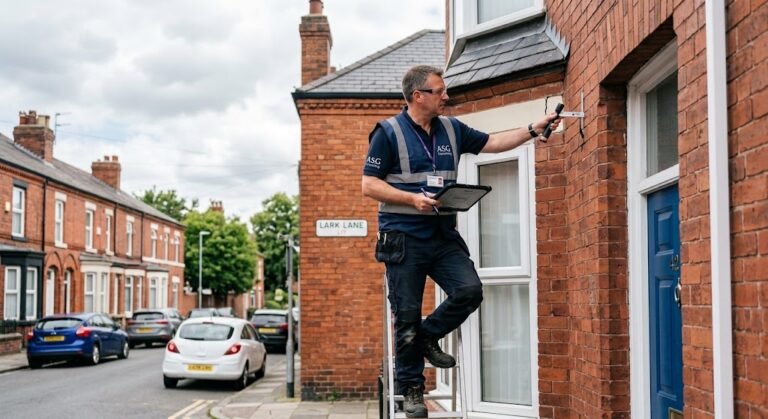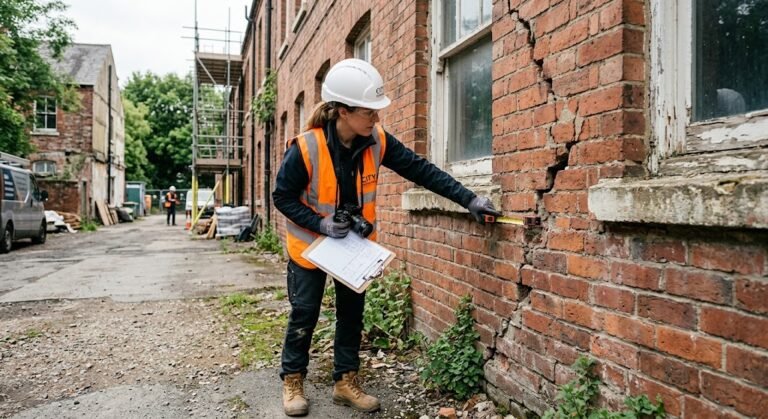
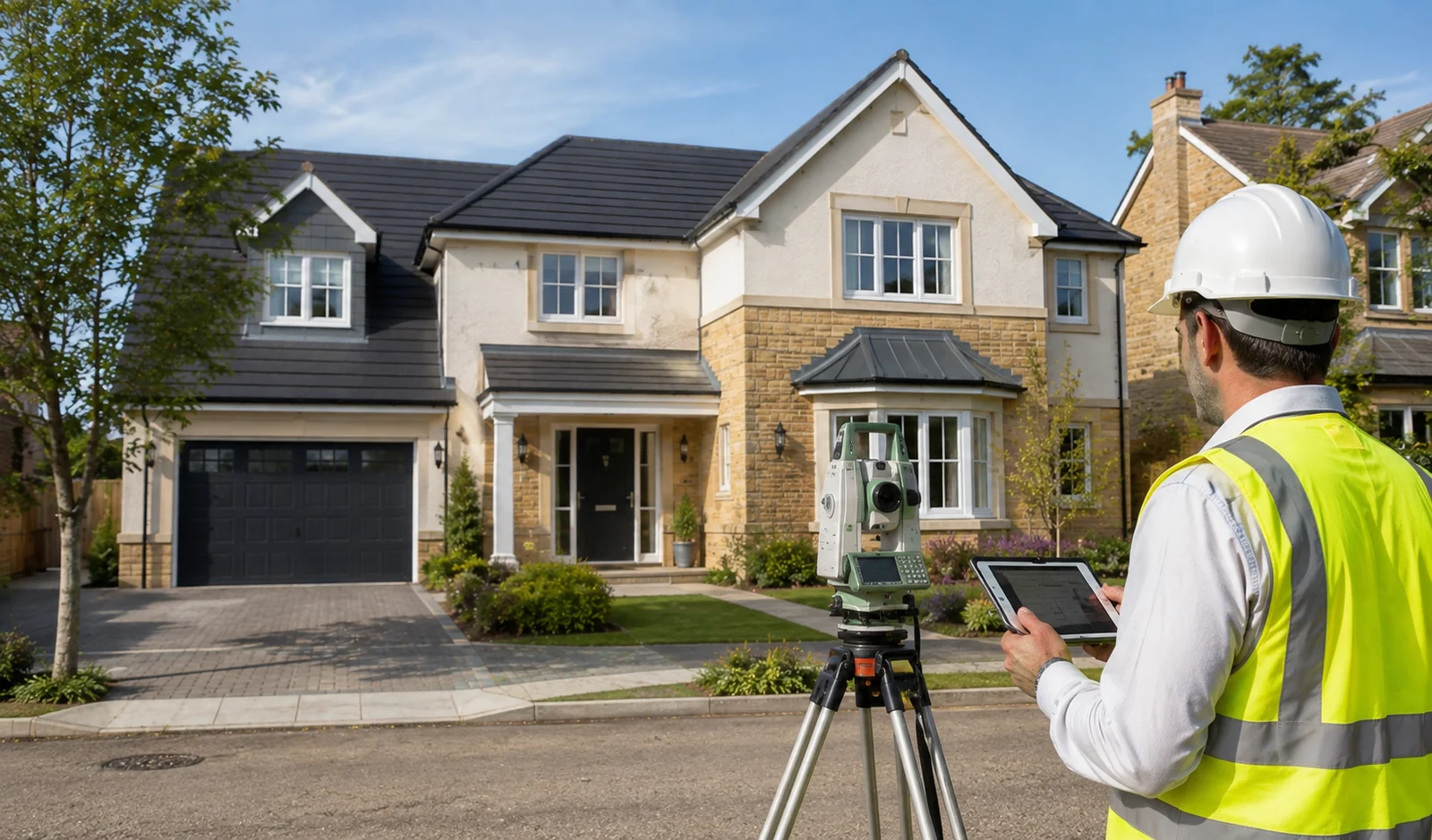
Buying a house is supposed to feel exciting. And it does right up until the inspection report lands in your inbox and you’re staring at a list of findings you don’t fully understand, wondering which items are minor and which ones should make you walk away. I’ve watched that exact moment play out with more buyers than I can count: the excitement of finding the one colliding head-on with the anxiety of not knowing what’s actually going on behind the drywall.
That collision is exactly where residential building surveying earns its keep. Not as a box to tick before closing, but as the difference between buying a home with your eyes open and buying one on hope.
What a Residential Survey Actually Tells You
A residential building surveying is a professional, hands-on assessment of a property’s physical condition structure, roof, foundation, systems, and any signs of damage or defect carried out before you commit to buying, or sometimes before a major renovation. Unlike a real estate agent’s walk-through or a casual look around during an open house, a proper home survey is conducted by someone trained specifically to spot the problems an untrained eye walks right past.
I remember a house survey years ago on a property that looked immaculate: fresh paint, staged furniture, not a crack in sight. It wasn’t until we got into the crawl space that we found moisture damage working its way through the floor joists, invisible from anywhere a normal viewing would take you. The buyer renegotiated the price on the spot. That’s the entire value of a survey on house purchases in one story: what you can’t see is exactly what can hurt you most.
Why Home Surveys Aren’t All the Same Depth
Here’s something a lot of first-time buyers don’t realise: not every inspection goes equally deep. In residential building surveying A basic visual walk-through catches obvious issues, visible leaks, obvious cracking, and outdated wiring you can see. A more thorough assessment digs into the structural elements themselves: foundation movement, roof framing, load-bearing walls, and drainage around the property.
In some markets, this deeper level of inspection is formally categorised. In the UK, for instance, it’s often referred to as a Level 3 survey, the most comprehensive tier available. While that exact terminology isn’t standard in the US, the underlying idea translates directly: the more a property’s age, condition, or your own plans call for scrutiny, the more thorough the inspection should be. A hundred-year-old home with visible settling deserves a different level of attention than a five-year-old build with a clean maintenance history.
This is why, when people search for residential building surveying, the smartest first question isn’t how much it cost; it’s how deep this particular inspection actually goes, and does that match what my property needs?
What a Thorough Residential building Surveying Actually Covers
A comprehensive residential building surveying typically walks through:
Structural elements: foundation condition, load-bearing walls, roof structure, and any visible signs of movement or settlement.
Roof and exterior: covering material condition, flashing, gutters, and drainage that directs water away from the foundation.
Interior systems: plumbing, electrical, and HVAC, checked for age, safety issues, and whether they’re functioning as they should.
Moisture and damp issues: a major cause of long-term structural damage that’s often invisible until it’s already extensive.
Environmental hazards: mold and in older properties, materials like asbestos that require specific handling.
While residential building surveying, a good surveyor doesn’t just list what they find; they explain what it means in practical terms. There’s minor settling cracking consistent with a home this age reads very differently from there’s active structural movement that needs engineering assessment before closing, and a report worth paying for makes that distinction clearly.
Reading Home Surveying Reviews the Right Way
If you’re comparing providers by searching home surveying reviews, pay attention to more than just star ratings. Look specifically for mentions of thoroughness, clear communication, and whether the surveyor was willing to walk the property with the buyer and explain findings in person rather than just emailing a PDF and disappearing.
The reviews that matter most usually aren’t the five-star great service ones; they’re the detailed accounts from buyers who had a specific issue caught, or a deal that fell through for good reason after an honest report. That’s the residential building surveying doing their actual job: protecting you from a decision you’d regret.
Why This Step Gets Skipped And Why It Shouldn’t
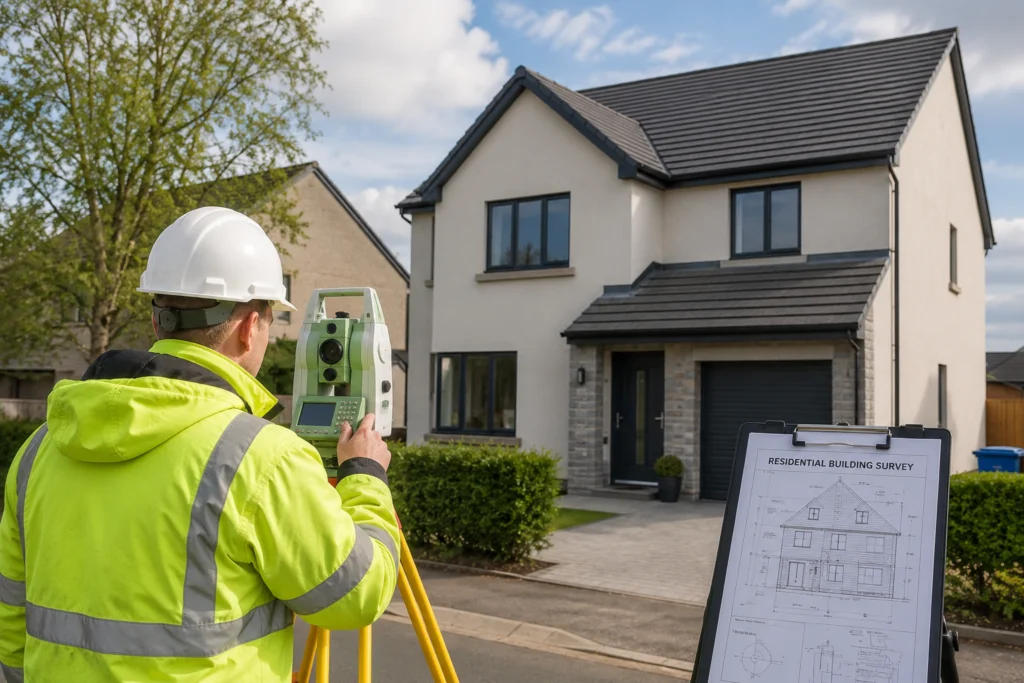
In a competitive housing market, buyers sometimes waive or rush the survey to make their offer more attractive. I understand the pressure completely. But I’ve also sat with buyers six months after closing, looking at a repair bill that would have been a simple negotiating point before the sale closed, and is now entirely their problem to solve alone.
A residential building surveying costs a fraction of what a single major undiscovered issue- foundation repair, roof replacement, extensive moisture remediation will run you after the fact. It’s not an expense you’re adding to the transaction. It’s information that protects the biggest financial decision most people ever make.
The Real Point of All This
At the end of the day, a residential survey isn’t really about the report itself. It’s about walking into home-ownership or a major renovation with clear eyes instead of crossed fingers. Whether the findings are reassuring or give you real leverage to negotiate, either outcome is better than not knowing at all.
That’s what peace of mind actually looks like in this process: not the absence of problems, but the presence of clarity about exactly what you’re taking on.
References
- American Society of Home Inspectors (ASHI) Standards of Practice for residential home inspections.
- International Association of Certified Home Inspectors (Inter-NACHI) residential inspection standards and education.
- U.S. Department of Housing and Urban Development (HUD) home-buyer property condition resources.
FAQs
What’s the difference between a home survey and a home inspection?
In the US, these terms are often used interchangeably to describe a professional assessment of a property’s condition before purchase. The key thing to check isn’t the label, but the depth whether it’s a basic visual walk-through or a more thorough structural assessment.
How much does a residential building surveying typically cost?
Costs vary based on the size, age, and location of the property, but it’s almost always far less than the cost of an undiscovered issue like foundation damage or a failing roof surfacing after you’ve already closed.
Can I skip the residential building surveying if the house looks fine?
It’s risky. Many serious issues- moisture damage, foundation movement, aging wiring aren’t visible during a normal walk-through and only show up once someone specifically inspects them.
What should I do if the survey finds a problem?
In residential building surveying most findings aren’t deal-breakers. A good surveyor will explain whether an issue is cosmetic, needs monitoring, or requires further assessment from a specialist, giving you either peace of mind or real leverage to renegotiate.
How do I choose a good surveyor?
Look for relevant certification (ASHI or Inter NACHI in the US), read detailed reviews rather than just star ratings, and ask whether they’ll walk the property with you and explain findings in person.
Does a residential building surveying cover the roof and foundation, or just the interior?
A thorough residential survey covers both structural elements, roofing, drainage, and interior systems like plumbing, electrical, and HVAC, not just a surface-level walk through the rooms.