Picture two landlords who each own a small block of flats in Manchester. Both bought at the same price five years ago. One is still doing everything reactively chasing rent arrears, calling a plumber when a boiler dies, renewing leases whenever a tenant happens to ask. The other has someone quietly running the numbers behind the scenes: benchmarking rents against the local market twice a year, timing refurbishments to catch the best resale window, and rebalancing which units get capital spend based on actual yield data.
It’s the difference between simply managing a property and asset property management. And if you’ve ever wondered why two seemingly identical buildings can produce wildly different returns, this is the reason hiding in plain sight.
What Asset Property Management Actually Means
There’s a lot of confusion between “property management” and “asset property management” and honestly, the terms get used interchangeably far too often even by people in the industry.
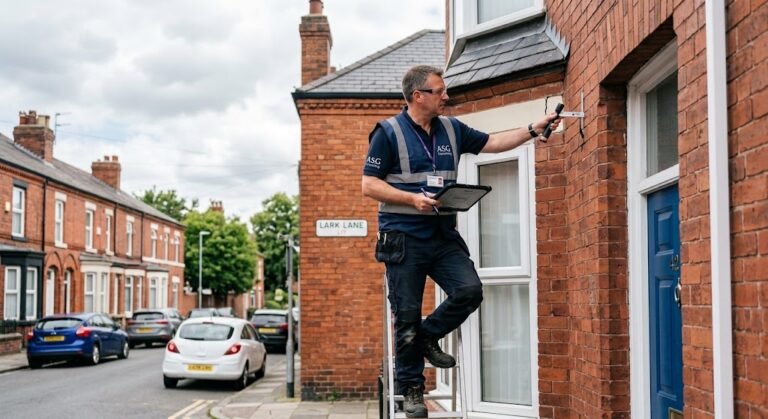
Property management is operational. It’s the day-to-day: collecting rent, arranging repairs, handling tenant queries, keeping the building compliant with health and safety rules. Necessary, yes. But it’s tactical, not strategic.
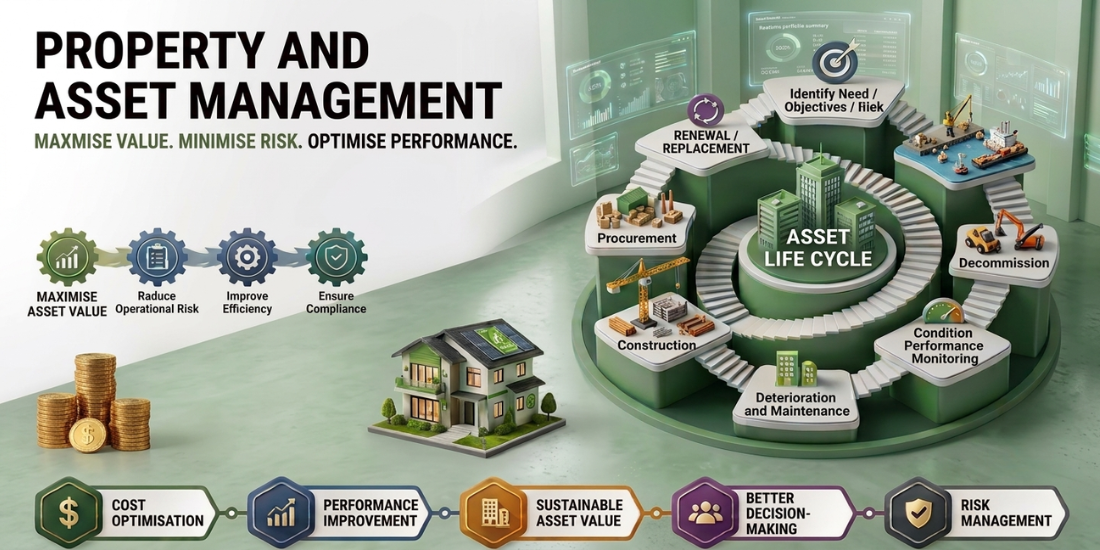
Asset management sits a level above that. It treats the property not as a building to be maintained, but as a financial instrument to be optimised. It asks bigger questions: Is this property still delivering the best possible return relative to its market value? Should capital be reinvested here, or would it work harder elsewhere? Is the current tenant mix maximising rental income, or just filling space?
In short, real estate asset management is about decisions, not maintenance. It’s the layer of strategic oversight that connects a single building or an entire portfolio to your actual financial goals.
Why So Many Property Owners Leave Money on the Table
Here’s an uncomfortable truth: most UK landlords and investors underperform the market not because they picked bad properties, but because they never revisit their decisions once the purchase is done.
Rents drift below market rate because nobody’s checking comparables. Refurbishment budgets get spent reactively instead of strategically. Vacant periods stretch on because there’s no proactive leasing strategy. Insurance, service charges, and maintenance contracts get renewed on autopilot rather than renegotiated.
None of these are dramatic failures. They’re small leaks, the kind that don’t show up on a single month’s statement but quietly erode returns year after year. Asset management exists precisely to plug those leaks before they become a pattern.
The Core Levers of Maximising Property ROI
If you strip it back, effective asset management for real estate really comes down to a handful of consistent disciplines. None of them are flashy, but together they compound.
1. Continuous Performance Benchmarking
A property that “feels fine” isn’t the same as a property performing at its potential. Serious asset managers track net yield, void periods, arrears trends, and operating costs against both the property’s own history and the wider local market not once at purchase, but on an ongoing basis. This is what turns gut instinct into evidence-based decisions.
2. Strategic Capital Planning
Not every pound spent on a property adds equal value. A well-run asset management process prioritises capital expenditure, a kitchen upgrade, energy efficiency improvements, communal area refurbishment based on projected return, not just “it looks tired.” With EPC regulations tightening across the UK rental sector, this kind of forward planning is quickly becoming non-negotiable rather than optional.
3. Active Rent and Lease Optimisation
Rent reviews shouldn’t be an afterthought triggered by a lease renewal letter. Proactive good asset management means tracking local rental growth and adjusting terms, incentives, or lease structures ahead of the curve while still protecting tenant relationships and minimising costly turnover.
4. Risk and Compliance Oversight
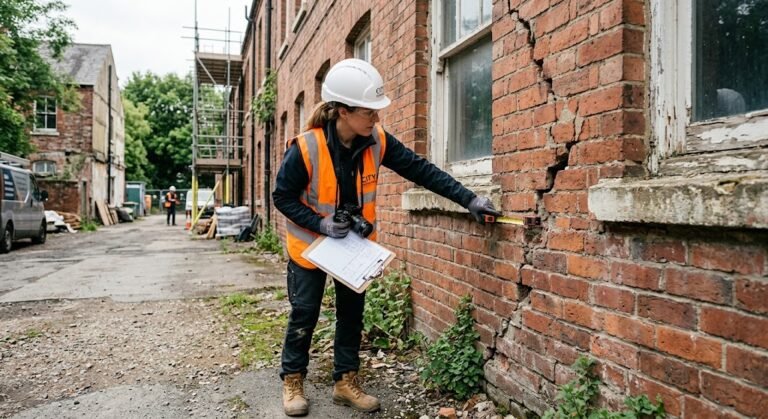
Fines, insurance gaps, and unplanned void periods caused by non-compliance are entirely preventable, yet they remain one of the most common ways UK property owners quietly lose money. A good asset manager treats regulatory compliance as part of financial performance, not a separate box-ticking exercise.
5. Portfolio-Level Thinking
This is where things get genuinely interesting. Real estate portfolio management isn’t just about managing several properties well individually, it’s about understanding how they perform relative to each other. Maybe one property is quietly subsidising the underperformance of another. Maybe your capital would generate a better return if redirected from a stagnant asset to a growing one. You can’t see any of this by looking at buildings in isolation, you only see it when you step back and view the portfolio as a single financial system.
What This Looks Like in Practice
Take a mixed-use portfolio in Leeds retail units on the ground floor, residential above. Left unmanaged strategically, the retail units might sit at below-market rent simply because renewing “the way it’s always been done” feels easier than renegotiating. An asset manager reviewing the numbers might spot that repositioning those units even with a modest fit-out investment could lift yield by a meaningful margin within eighteen months.
That’s not a hypothetical exercise for spreadsheets. It’s the everyday reality of treating property as a working financial asset rather than a static possession.
Why This Matters More Than Ever in the UK Market
Between rising interest rates, tightening EPC requirements, and increasingly cautious lenders, the margin for error in UK property investment has narrowed considerably. Owners who simply “hold and hope” are more exposed than they’ve been in years. Those who actively manage their assets reviewing performance, adapting strategy, and reinvesting with intention are the ones better positioned to protect and grow returns through this environment, not just survive it.
Final Thoughts
Owning property is only step one. What actually determines your long-term return is what you do with it afterwards, how closely you watch performance, how deliberately you allocate capital, and how willing you are to make changes when the numbers say it’s time.
That’s the real difference between a landlord and an asset manager. One reacts. The other plans, measures, and adjusts consistently, deliberately, and with the numbers to back every decision.
If your properties haven’t had a genuine strategic review in the last twelve months, that’s usually the first sign there’s ROI sitting on the table, waiting to be picked up.
FAQs
What is asset property management?
It is the strategic process of improving a property’s financial performance by optimising rental income, controlling costs, planning capital investments, and increasing long-term return on investment.
How is asset property management different from property management?
Property management focuses on day-to-day operations such as rent collection, maintenance, and tenant communication. It takes a broader view, concentrating on investment performance, portfolio growth, and maximising property ROI.
How does asset management maximise property ROI?
It improves ROI by reviewing rental income, reducing operating costs, planning value-adding improvements, minimising vacancy periods, and making data-driven investment decisions.
Is asset management suitable for small landlords?
Yes. Even landlords with one or two properties can benefit from strategic rent reviews, proactive maintenance planning, and performance monitoring to increase long-term returns.
Why is real estate portfolio management important?
Real estate portfolio management helps investors compare property performance, allocate capital more effectively, reduce investment risk, and improve overall portfolio returns.