You’ve found it. The listing photos look right, the neighborhood feels right, and your gut is already three steps ahead, mentally arranging furniture in a living room you don’t own yet.
Suddenly the excitement stalls. What survey? Isn’t that what the mortgage lender already handles?Not quite and that gap in understanding is exactly where good buyers get burned. A home buyer is the difference between falling in love with a house and actually knowing what you’re falling in love with: the wiring behind the walls, the roof that “looks fine” from the curb, the foundation that might be quietly settling. This guide breaks down what a home buyers survey explained in plain English actually looks like, when you need one, what it costs, and how to read the report without a degree in construction.
What Is a Home Buyers Survey ?
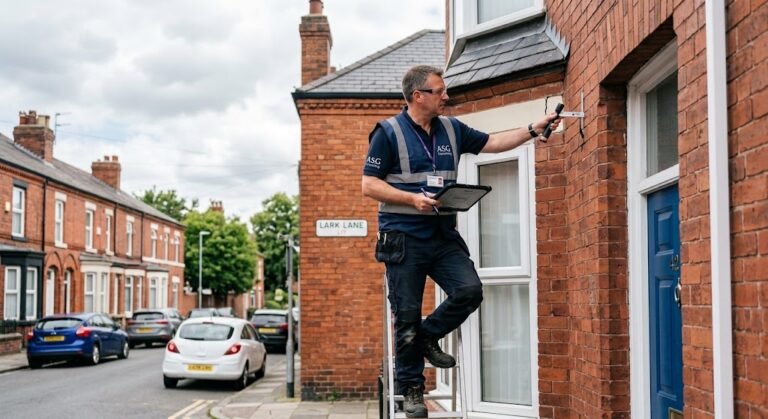
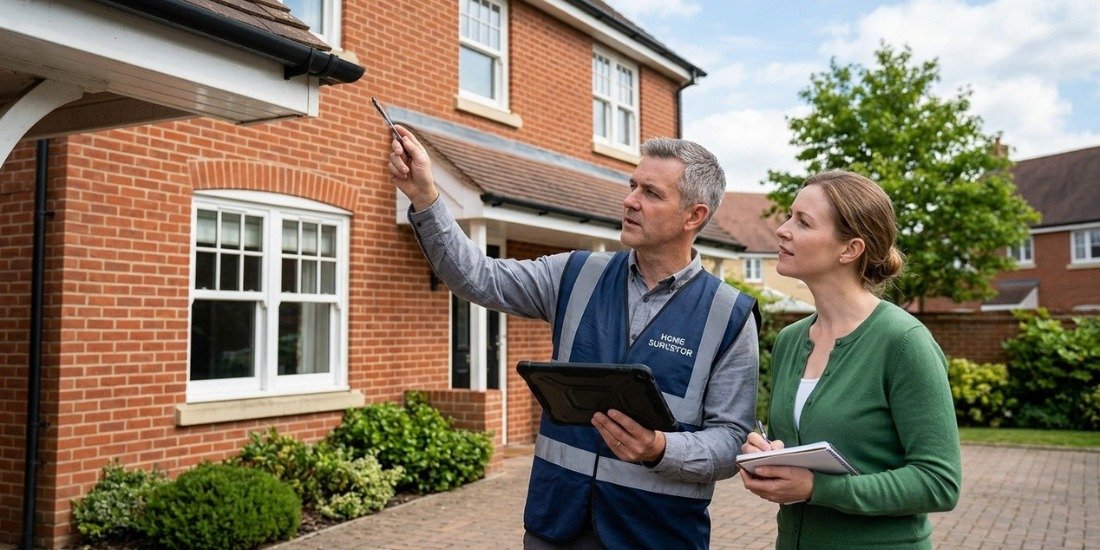
At its core, a home buyers survey is an independent inspection of a property’s condition, carried out before you finalize a purchase. It’s not a valuation, and it’s not the same as your lender’s mortgage appraisal, which only confirms the home is worth what you’re paying, not that it’s structurally sound.Think of it as a second, more honest opinion. A qualified surveyor or inspector walks the property, checks the systems that matter, and puts findings in writing so you’re negotiating and closing with facts instead of assumptions.
When Do You Need a Home Survey?
The short answer: before you’re legally committed to buying. The best window is after your offer has been accepted but before contracts are finalized, giving you room to renegotiate or walk away if something serious turns up.
You especially need one if:
- The home is older than 30–40 years
- It’s been extended, converted, or renovated without clear records
- You noticed anything questionable during your own walkthrough cracks, damp smells, uneven floors
- You’re buying a property built from non-standard materials
- It’s simply the biggest purchase you’ll make this decade, and you’d rather know now than after closing
Home Survey vs. Building Survey: What’s the Difference?
This is where a lot of buyers get confused, so let’s untangle it.
A standard home buyer’s cost(often called a Level 2 home survey under the RICS framework used across the UK, and functionally similar to a standard home inspection in the U.S.) covers visible, accessible condition issues: roofing, damp, insulation, drainage, and obvious structural red flags.
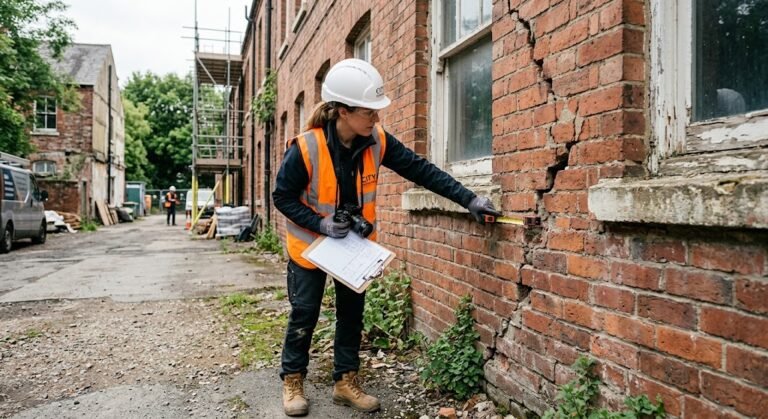
A building survey sometimes called a structural survey goes deeper. It’s a full-scale, no-stone-unturned assessment recommended for older homes, listed or heritage properties, homes with visible structural concerns, or anything you’re planning major renovation work on. If a property survey for home buyers is a thorough check-up, a structural survey is closer to full diagnostic imaging.Choosing between them isn’t about spending more for the sake of it, it’s about matching the level of scrutiny to the property’s age, history, and your gut instinct.
RICS Home Survey and the Level 2 Standard
Surveys conducted under RICS (Royal Institution of Chartered Surveyors) guidelines follow a standardized structure, so buyers get consistent, comparable reports regardless of who performs the inspection. In the U.S., the closest equivalent is a certified home inspection performed under InterNACHI or ASHI standards. The principle is identical either way: a credentialed, independent professional not the seller’s agent, not your excitement tells you what’s really going on with the property.
A Level 2 home survey typically includes:
- Roof, chimneys, and guttering
- Walls, floors, and ceilings for cracking or movement
- Damp and moisture readings
- Electrical, plumbing, and heating systems (visual condition, not full testing)
- Drainage and external structures like garages or fences
Home Survey Cost and Price: What to Expect
Cost is usually the first question and the most variable answer. Home survey price depends on the property’s size, age, location, and the depth of inspection you choose. As a general range:
- Basic condition reports tend to sit at the lower end, ideal for newer, straightforward homes
- Standard Level 2 surveys or full home inspections fall in the mid-range and are the most commonly booked option
- Full building or structural surveys cost more, reflecting the extra time, testing, and expertise involved
It feels like an unnecessary expense right up until it saves you from a $20,000 roof replacement you didn’t see coming. Treat it as insurance against your own excitement, not an optional add-on.
Reading the Home Survey Report
The report itself can feel dense the first time you open it, but it’s built around a simple traffic-light system in most standardized formats:
- Green — no immediate concern
- Amber — needs monitoring or repair, not urgent
- Red — significant issue, needs attention now or before purchase
This property condition report becomes your negotiating leverage. Red flags aren’t automatically deal-breakers; they’re often starting points for a price reduction, a seller-funded repair, or simply a clearer picture of what you’re signing up for.
Home Survey Checklist: What to Do With Your Results
- Read the full report, not just the summary page.
- Highlight every “significant” or “urgent” item.
- Get repair estimates for major flagged issues before renegotiating.
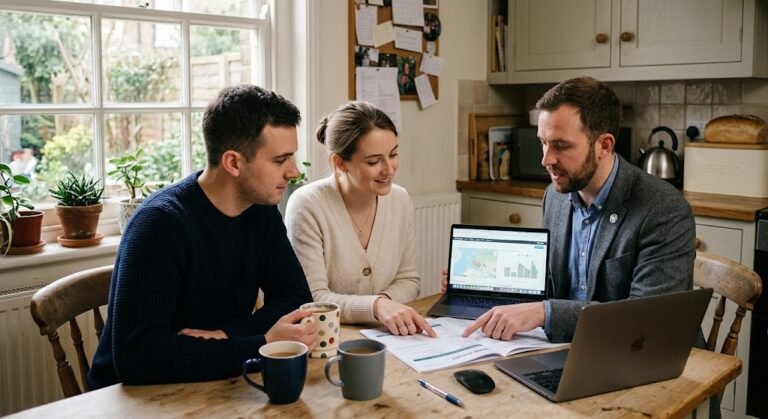
- Ask the surveyor directly about anything unclear; a five-minute call beats a misread paragraph.
- Decide your walk-away point before emotions take over again.
- Keep the report on file; it’s useful for insurance, resale, and future renovation planning.
Property Survey for Home Buyers: Is It Really Worth It?
Skipping a house survey before buying feels like saving money at the moment. In practice, it’s one of the highest-return decisions in the entire home-buying process. A residential property survey costs a fraction of what an unexpected structural repair does, and it hands you something no listing photo ever will: certainty.
Frequently Asked Questions
What is a home buyers survey, in one sentence?
It’s an independent, professional inspection of a property’s condition separate from your mortgage appraisal that tells you what state the home is really in before you commit to buying it.
Is a home buyers survey the same as a home inspection?
Functionally, yes. “Home buyers survey” is the term used in the UK and under RICS standards; “home inspection” is the equivalent term used across the U.S. Both involve a qualified professional assessing the property and issuing a written report.
How much does a Home buyers’ cost survey?
Home buyers’ cost survey varies by property size, age, and location, plus the depth of inspection you choose. A basic condition report sits at the lower end, a standard Level 2 survey or full inspection is mid-range, and a full structural or building survey costs the most due to the added time and expertise involved.
Do I need a structural survey or just a standard survey?
If the home is older, has visible cracks or damp, has been extensively altered, or you’re planning major renovations, a structural survey (building survey) is worth the extra cost. For a newer, well-maintained property, a standard Level 2 home survey is usually sufficient.
Can I negotiate the price after a bad survey report?
Yes. A red flag in your report is leverage, not necessarily a dealbreaker. Buyers commonly use survey findings to negotiate a lower price, request repairs before closing, or ask the seller to cover the cost of fixing the issue.
How long does a home survey take?
Most standard surveys or inspections take two to four hours on-site, with the full written report typically delivered within three to seven business days.
Is it ever safe to skip the survey?
Technically yes, legally there’s no requirement to get one but skipping it means buying based on guesswork. Given how much money is on the line, most real estate professionals strongly discourage waiving this step, even on homes that look move-in ready.
Final Thaughts
Buying a home survey is equal parts emotional and financial and that’s exactly why an independent, professional home inspection before buying matters so much. It doesn’t dull the excitement of finding the right place. It protects it, by making sure the home you fall for on the surface holds up just as well underneath.