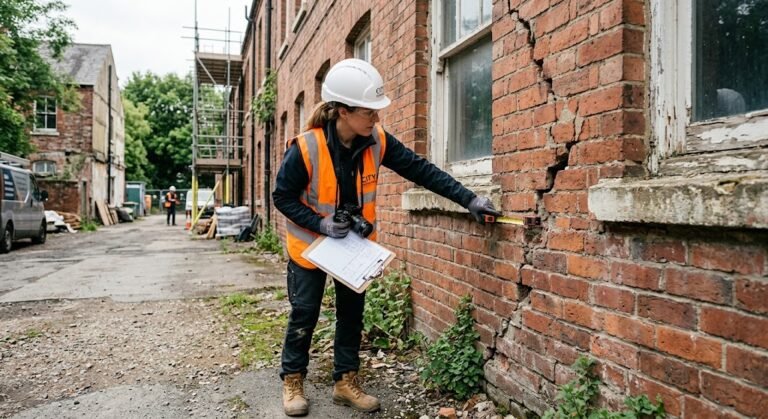

There’s a particular kind of dread that hits a commercial tenant about three months before their lease ends. It usually starts with a letter. Sometimes it’s a phone call from a landlord’s agent; sometimes it’s a solicitor’s email with a document attached that nobody asked for, but everyone now has to read. That document is a schedule of dilapidations, and if you’ve never seen one before, it can feel like being handed a bill for a house you thought you’d already paid for.
I’ve sat across the table from tenants staring at six-figure Dilapidations Protocol claims, wondering how a lease they signed years ago, half-read and mostly forgotten, could end up costing them this much on the way out. And in almost every one of those conversations, the answer is the same: nobody looked at this properly until it was already a problem.
This is the gap the Dilapidations Protocol exists to close. It’s not exciting reading, I’ll admit that upfront. But it is one of the few pieces of property law that can genuinely make or break the final chapter of a commercial lease, and understanding it, even loosely, puts you in a completely different negotiating position than the tenant or landlord who’s hearing these terms for the first time from the other side’s solicitor.
What Exactly Are Dilapidations?
Dilapidations protocol is breaches of a tenant’s repairing, decorating, or reinstatement obligations under a lease. When a commercial lease ends, whether through expiry, break clause, or forfeiture, the landlord is entitled to expect the property back in the condition the lease says it should be in. Anything short of that, and the landlord can pursue the tenant for the cost of putting things right.
You’ll see the word spelled a couple of ways online: dilapidation and the older delapidation both turn up in searches, though the correct modern spelling in UK property and legal circles is dilapidations. It sounds like a niche technicality, but the financial exposure is very real. Property dilapidations claims routinely run into tens of thousands of pounds for a modest retail unit, and commercial dilapidations disputes on larger office or industrial premises can escalate well beyond six figures once reinstatement works, loss of rent, and legal costs are factored in.
The Protocol A Rulebook Both Sides Are Meant to Follow
The Dilapidations Protocol, formally the Property Litigation Association’s Pre-Action Protocol for Claims for Damages in Relation to the Physical State of Commercial Property at Termination of a Tenancy, was introduced to stop these disputes turning into unnecessary court battles. It sets out a structured, staged process both landlord and tenant are expected to follow before anyone even thinks about litigation.
The Protocol asks landlords to serve a formal schedule of dilapidations and a quantified demand, giving the tenant a genuine opportunity to respond, propose their own scope of works, or challenge the claim’s costings before matters escalate. Courts take a dim view of parties who skip this process and head straight for a claim form. It’s not just etiquette; cost penalties can follow if a party is found to have ignored the Protocol in bad faith.
For anyone unfamiliar with the process, that’s the headline point worth remembering: this isn’t a one-sided demand you’re obligated to simply accept. There’s a mechanism for pushing back, and it’s built into the rules.
Why a Dilapidations Survey Matters More Than Most Tenants Realise
This is where I’ll be blunt: I’ve watched too many tenants try to negotiate a dilapidations protocol claim using nothing but their own instinct and a landlord’s schedule as the only evidence in the room. It rarely ends well.
A proper dilapidations survey, carried out by an independent surveyor, gives you an evidence-based picture of the actual condition of the property against the lease’s repairing covenants, not the landlord’s interpretation of it. Chartered surveyors working in this field assess wear and tear, identify what genuinely falls within the tenant’s repairing liability versus fair usage, and flag where a landlord’s schedule has overstated the scope or cost of works.
This matters because dilapidation protocol reports prepared by the landlord’s own surveyor are, understandably, drafted in the landlord’s interest. That’s not a criticism; it’s simply how the incentives work. Engaging your own dilapidation surveyors early means you walk into any negotiation with your own professional opinion on the table, not just a reaction to someone else’s.
Section 18 The Cap Most Tenants Don’t Know Exists
One of the most underused protections in dilapidations claims is Section 18 of the Landlord and Tenant Act 1927. It caps a landlord’s damages at the diminution in the value of their reversionary interest caused by the breaches, meaning if the landlord intends to demolish or substantially redevelop the property regardless of its condition, they may not be entitled to the full cost of the repair works claimed.
This is technical territory, and it’s exactly where experienced dilapidation services earn their fee many times over. A surveyor who understands both the physical condition of a building and the legal cap under Section 18 can sometimes reduce a claim dramatically, not through argument alone, but through evidence.
Building a Response What Good Practice Looks Like
If you’ve received a schedule of dilapidations, here’s the sequence that tends to serve tenants best:
First, don’t respond emotionally or immediately. Read the lease itself, not just the schedule; the repairing covenant’s exact wording matters enormously.
Second, instruct your own chartered surveyor to carry out an independent dilapidations protocol survey and, where appropriate, prepare a counter-schedule.
Third, respond within the Protocol’s timescales, even if only to acknowledge receipt and signal that a formal response is coming.
Fourth, keep every conversation and offer in writing. Dilapidations disputes are won and lost on paper trails as much as on brickwork.
Landlords, for their part, benefit just as much from getting this right at the start of a tenancy. A well-documented schedule of condition at lease commencement, cross-referenced against a clear repairing covenant, removes ambiguity that otherwise favours whoever argues loudest at the end.
Final Thoughts
I’ve seen tenants pay claims they didn’t legally owe simply because they didn’t know they could challenge them. I’ve also seen landlords under-recover on genuine dilapidation claims because their schedules weren’t robust enough to withstand scrutiny. Both outcomes are avoidable, and both come down to the same root cause: treating dilapidations as a paperwork formality instead of what it actually is, a genuine financial and legal exposure that deserves proper professional input.
Whether you’re a tenant approaching a lease break, or a landlord planning for a unit coming back to you, the smartest move is the same one: bring in an independent dilapidations surveyor early, understand where the Protocol protects you, and don’t let a schedule sit in your inbox unanswered.
FAQs
What is a Dilapidations Protocol schedule?
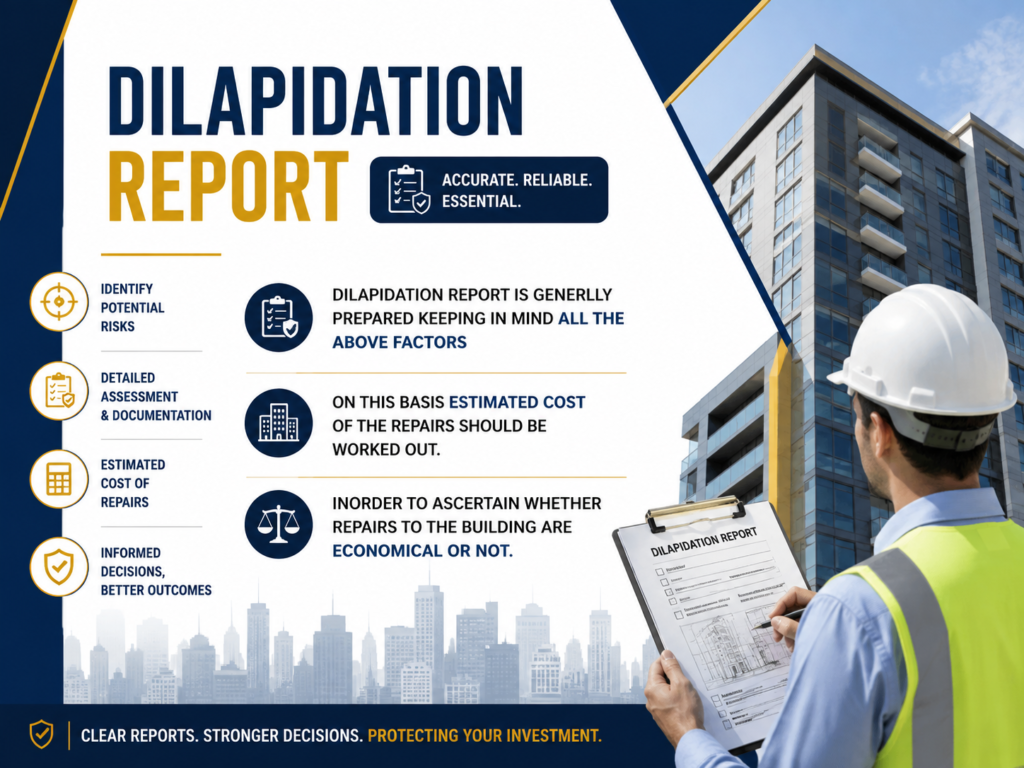
It’s a formal document, usually prepared by a landlord’s surveyor, listing the breaches of a tenant’s repairing, decorating, and reinstatement obligations under a lease, along with the estimated cost of remedying them.
Do I have to accept the figures in a dilapidations claim?
No. A landlord’s schedule reflects their surveyor’s assessment, and tenants are entitled to instruct their own independent survey and challenge costings, scope of works, and legal liability before agreeing anything.
How long does a dilapidations protocol claim usually take to resolve?
It varies, but under the Pre-Action Protocol, most disputes are expected to progress through a structured stages schedule, response, negotiation over a matter of months rather than years, provided both sides engage properly.
What’s the difference between dilapidation and delapidation?
They refer to the same thing. Dilapidations protocol is the correct and widely used spelling in UK property law and surveying; delapidation is a common misspelling.
Can a landlord claim for dilapidations if they plan to demolish the building?
Not necessarily in full. Section 18 of the Landlord and Tenant Act 1927 limits recoverable damages to the actual diminution in value of the landlord’s interest, which can significantly reduce or eliminate a claim if redevelopment is planned regardless of the property’s condition.
When should I get a dilapidations protocol survey done?
Ideally, well before lease expiry or a break date, early enough to carry out any agreed remedial works yourself rather than facing a cash settlement claim after handing back the keys