Buying a home is an emotional process as much as a financial one. A Home Buyer Survey in Liverpool gives you a clearer understanding of the property’s condition before you commit to the purchase. You picture your life there before you’ve even got the keys. A survey doesn’t take that excitement away; it protects it by making sure the house you’re falling in love with is as sound as it looks.
That’s the moment I remind every client of when they ask, Do I really need a home buyer survey?
Yes. You do. And here’s exactly why plus everything you need to know before you book one.
Why a Home Buyer Survey in Liverpool Is Essential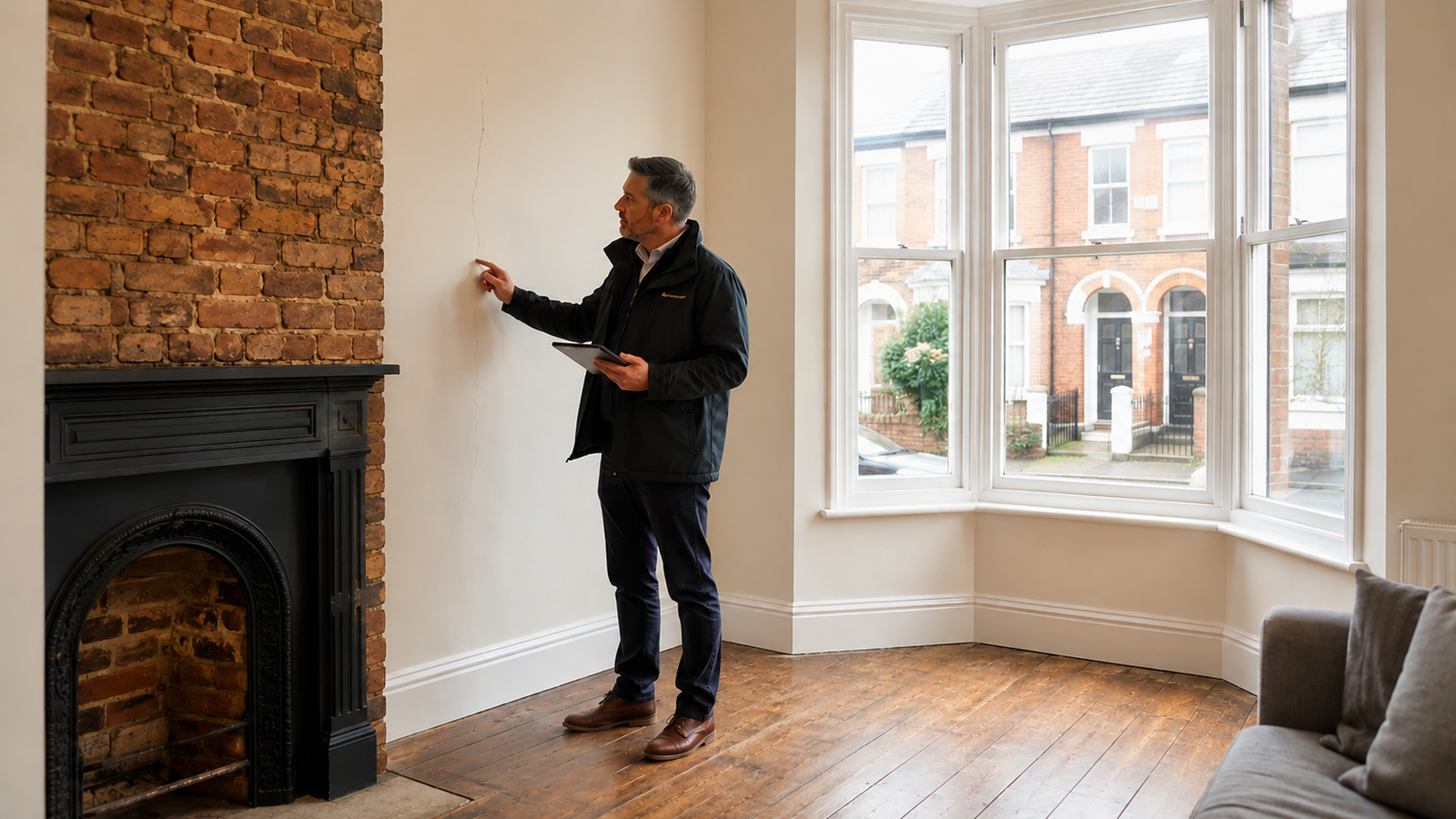
Buying a house is probably the single biggest financial decision most people will ever make. Yet so many buyers rely on a 20-minute viewing and a lender’s basic valuation to make that call. A mortgage valuation isn’t a survey; it exists to protect the bank’s investment, not yours.
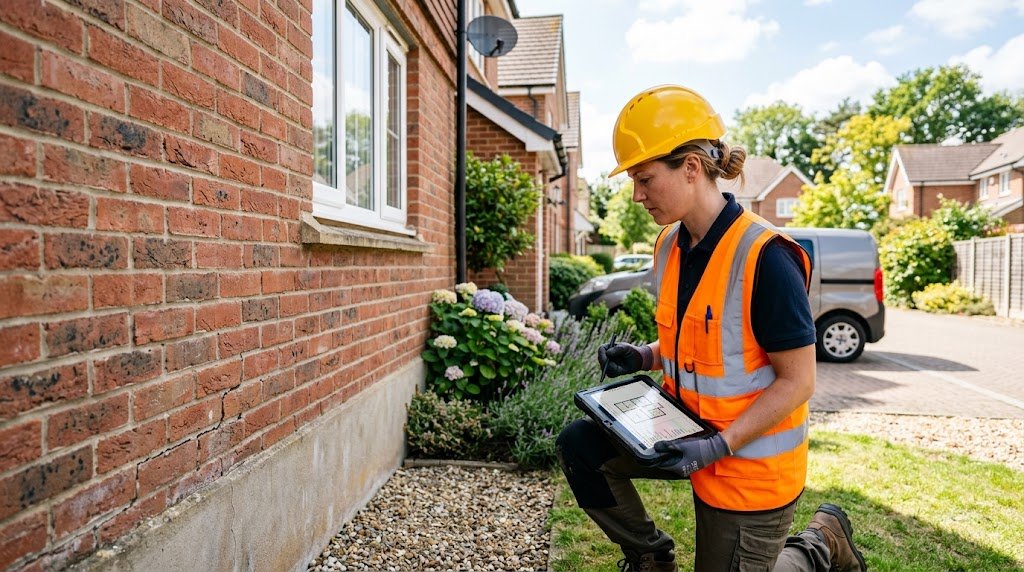
A proper homebuyer survey in Liverpool goes far deeper. It’s a structured, professional inspection carried out by a qualified surveyor who physically checks the roof, walls, damp levels, windows, drainage, and structural integrity of the property, then hands you a plain-English report you can actually understand and act on.
Think of it less as paperwork and more as an insurance policy for your peace of mind.
RICS Surveys Explained Level 2 vs Level 3
Not every property needs the same depth of inspection, which is why the Royal Institution of Chartered Surveyors (RICS) offers different survey levels.
RICS Level 2 Survey Liverpool (Homebuyer Report)
This is the most popular option for conventional homes built from common materials, in reasonable condition, and under roughly 100 years old. It flags visible defects, damp issues, and gives you a condition rating for each element of the property traffic-light style, so it’s easy to digest.
RICS Level 3 Survey Liverpool (Full Building Survey)
If you’re buying a period property, something that’s been extended, has visible structural movement, or you’re planning major renovation work, a full building survey in Liverpool is the far safer route. It’s a much more forensic inspection, with detailed commentary on construction methods, likely causes of defects, and repair recommendations.
As a rule of thumb I give every client the older or more unusual the house, the more you need the deeper inspection. Liverpool’s housing stock with its Victorian terraces, Georgian townhouses, and converted warehouse apartments leans heavily toward unusual.
Why Local Knowledge Matters So Much in Liverpool and Merseyside
A house survey in Liverpool isn’t the same job as a house survey in, say, a modern Surrey estate. This city has its own architectural fingerprint, and that fingerprint comes with its own set of risks.
When arranging a Home Buyer Survey in Liverpool, local experience can make a significant difference. A surveyor familiar with Liverpool and Merseyside is more likely to recognise common issues associated with older terraces, period properties, extensions, and local construction styles.
Streets like those in Wavertree, Toxteth, and the Georgian Quarter are packed with 19th-century brick terraces that were never designed with cavity walls or damp-proof courses in mind. Coastal-influenced weather across Merseyside adds another layer driving rain, salt exposure, and freeze-thaw cycles all accelerate wear on older brickwork and roofing.
A residential surveyor in Liverpool who inspects these properties week in, week out develops an instinct for where problems hide. I know, for instance, that a slight bow in a party wall on a mid-Victorian terrace in Anfield often points to historic movement rather than an active issue but I also know the postcodes where that same bow is a genuine red flag. That’s not something you get from a national call-centre valuation service. It comes from experience on the ground.
This is exactly why choosing a RICS chartered surveyor in Liverpool, rather than a generic online booking platform, makes such a difference. You’re not just paying for a report; you’re paying for judgement built on years of walking through the exact kind of homes you’re about to buy.
What Actually Happens During the Survey
Most property surveys in Liverpool follow a similar structure, though the depth varies by level
- External inspection roof covering, chimneys, guttering, brickwork, pointing, and any visible movement or subsidence.
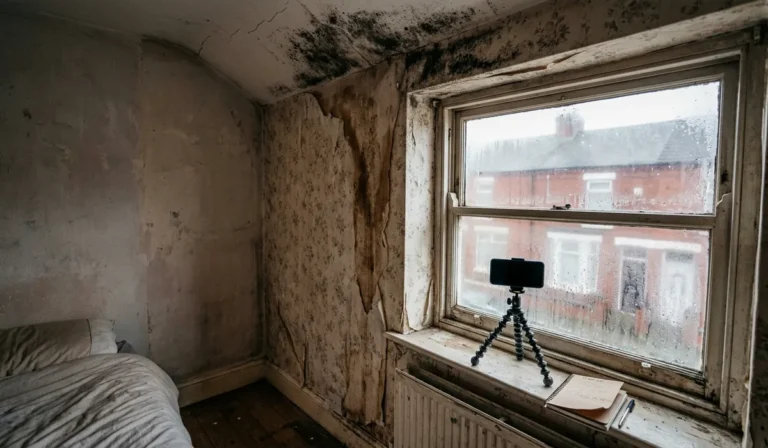
- Internal inspection walls, ceilings, floors, windows, doors, and signs of damp or timber decay.
- Services check a visual (non-invasive) look at electrics, plumbing, heating, and drainage.
- Loft and accessible sub-floor areas insulation levels, structural timbers, ventilation.
- Damp and moisture readings taken with a calibrated meter across multiple rooms.
You’ll typically receive your report within 3–5 working days, colour-coded so you can immediately see what’s urgent, what’s worth monitoring, and what’s simply cosmetic.
The Real Cost of Skipping a Home Buyer Survey in Liverpool
I’ve lost count of the buyers who’ve called me after completion, not before, because something felt off once they moved in. By then, it’s often too late to renegotiate the price or ask the seller to fix anything.
The cost of a Home Buyer Survey in Liverpool typically starts at a few hundred pounds, depending on the property’s size, age, condition, and the level of inspection required. Compare that to the average cost of underpinning a subsiding wall, replacing a failed roof structure, or treating a serious damp problem often running into thousands. The survey isn’t an added expense on top of buying a house. It’s what stops a good decision from quietly becoming a bad one.
Choosing the Right Home Buyer Surveyor in Liverpool
When you’re comparing quotes for a homebuyer survey in Liverpool, don’t just look at price. Ask
- Are they RICS-registered, with a verifiable membership number?
- Do they have professional indemnity insurance?
- Have they surveyed similar properties in your specific area before?
- Will they talk you through the findings by phone, not just email a PDF and disappear?
A good surveyor should welcome questions. If they’re rushing you off the phone, that’s often a sign they’re volume-driven rather than detail-driven and detail is exactly what you’re paying for.
FAQs About Home Buyer Survey in Liverpool
1. Can a Home Buyer Survey in Liverpool identify damp and structural issues?
Yes. A Home Buyer Survey in Liverpool can identify visible signs of damp, structural movement, cracks, roof defects, timber decay, and other significant property issues. The survey can help buyers understand the condition of the property and identify areas that may require further investigation or costly repairs before completing the purchase.
2. Do I need a home survey when buying a property in Liverpool?
A home survey is not legally compulsory when buying a property in England, but it is strongly recommended. A mortgage valuation is primarily designed to assess whether the property provides suitable security for the lender and is not a detailed inspection for the buyer.
A Home Buyer Survey in Liverpool can give you a clearer understanding of the property’s condition and highlight defects that could affect your budget, purchase decision, or future repair costs.
3. What is the difference between a mortgage valuation and a homebuyer survey?
A mortgage valuation assesses whether the property provides sufficient security for the lender. It does not normally provide a detailed assessment of defects such as damp, roofing problems, timber decay, structural movement, or future maintenance requirements.
A homebuyer survey is carried out for the buyer. It assesses the visible condition of the property and highlights potential risks that may influence your purchase decision, budget, or negotiations with the seller.
4. How much does a Home Buyer Survey in Liverpool cost?
The cost of a depends on factors such as the property’s size, age, construction, location, condition, and the level of inspection required.
An RICS Level 2 survey typically costs a few hundred pounds, while an RICS Level 3 Building Survey generally costs more and may exceed £1,000 for larger or more complex properties.
As an indicative local figure, some Liverpool survey comparison services report average prices of approximately £445 for a Level 2 survey and £595 for a Level 3 survey. Actual quotations can vary between surveyors and properties.
5. What does an RICS Level 2 Home Survey include?
An RICS Level 2 Home Survey is a detailed visual inspection designed for many conventional properties that appear to be in reasonable condition. It can help identify visible defects and potential risks before you complete your purchase.
A typical Level 2 survey may cover:
Roof coverings, chimneys, gutters, and visible brickwork.
Walls, ceilings, floors, windows, doors, and internal finishes.
Visible signs of damp, timber defects, and structural movement.
Accessible roof spaces and other accessible areas.
Permanently installed services through visual observation.
Condition ratings and recommendations for further investigation.
For buyers purchasing a conventional property in Liverpool, an RICS Level 2 survey can provide useful information about the property’s visible condition and potential maintenance requirements.
Conclusion
Buying a home is an emotional process as much as a financial one. You picture your life there before you’ve even got the keys. A survey doesn’t take that excitement away, it protects it, by making sure the house you’re falling in love with is as sound as it looks.
If there’s one piece of advice I give every client, new build or centuries-old, it’s this: don’t let a fresh coat of paint make the decision for you. Get it checked by someone who knows exactly what to look for.
About the Author
Sarah Whitfield MRICS is a chartered residential surveyor based in Merseyside, with over 14 years’ experience conducting Homebuyer Reports and Building Surveys across Liverpool’s period and modern housing stock. She is a member of the Royal Institution of Chartered Surveyors (RICS) and regularly contributes to industry discussions on residential property risk.