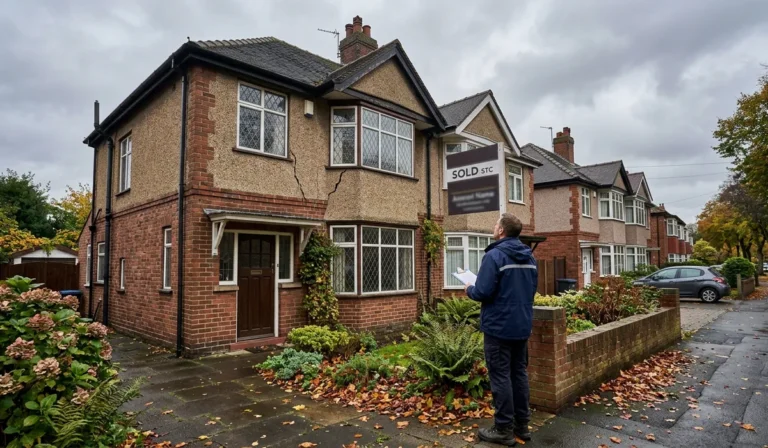

Here’s a scenario that comes up more often than people expect. A tenant signs a ten-year lease on a warehouse in Liverpool, fits it out exactly how they need it, and then a decade later gets a schedule of dilapidations demanding £80,000 in “repairs.” Some of that figure probably is fair. A fair chunk of it isn’t. The real issue? Nobody recorded the building’s condition properly on day one.
That’s precisely what a dilapidation survey is designed to prevent. It won’t win you any design awards. But it’s arguably the single most cost-effective step a landlord or tenant can take across the life of a commercial lease
What Is a Dilapidations Survey?
A dilapidation survey is a detailed inspection of a commercial property’s physical condition, carried out either during a lease, at the end of one, or (if you’re smart about it) right at the start. It records everything structural issues, damp, cracked render, worn flooring, dodgy wiring, the lot.
Why does this matter so much in the UK specifically? Because most commercial leases here are “full repairing and insuring” (FRI) leases. That means the tenant is contractually on the hook to hand the building back in a specific condition, usually the condition it was in when they moved in, sometimes better. Without a proper survey at the outset, proving what that original condition actually was becomes a guessing game. And guessing games in a legal dispute rarely go well for the person without the paperwork.
We’ve worked with landlords who assumed their tenant would “just know” what good conditions looked like. We’ve also worked with tenants who got landed with a dilapidations bill for damage that existed years before they even moved in. Neither situation needed to happen.
Our Approach to Commercial Dilapidations Surveys
At ASG Consulting, we treat every dilapidation survey as evidence-gathering, not box-ticking. A rushed 20-minute walkthrough with a phone camera doesn’t hold up when there’s £50,000 at stake. So we don’t do that.
Schedule of Condition vs Schedule of Dilapidations
These two get mixed up constantly, and honestly, it’s an easy mistake to make. A schedule of condition is a snapshottaken at lease startrecording exactly what state the property is in, photograph by photograph, defect by defect. It protects the tenant from being blamed later for damage that was already there.
A schedule of dilapidations, on the other hand, is produced near or at lease end. It lists breaches of the tenant’s repairing covenant and puts a cost against putting things right. One document protects you going in. The other one lands on your desk going out. You want the first one in your file before you ever need the second.
Interim & Terminal Dilapidations Assessments
Dilapidations aren’t only an end-of-lease headache. An interim assessmentcarried out mid-leaselets a landlord flag disrepair early, while there’s still time (and lease term left) for the tenant to fix things gradually rather than facing one enormous bill at the exit. We generally recommend these every 3–5 years on a longer lease. It’s a small effort that saves a much bigger argument later.
Dilapidations Surveys for Landlords & Tenants
Landlords use a dilapidation survey to protect the asset’s value and to build a defensible claim if the tenant hands the property back in poor shape. Tenants use one to challenge unreasonable claims, budget accurately for reinstatement, and in some cases negotiate a cash settlement (a “dilapidations payment”) instead of doing the physical works themselves.
Both sides, really, want the same underlying thing: certainty. Nobody enjoys a dispute that drags on for eight months and racks up legal fees bigger than the repair costs ever were.
How We Carry Out a Dilapidation Survey
Initial Property Inspection
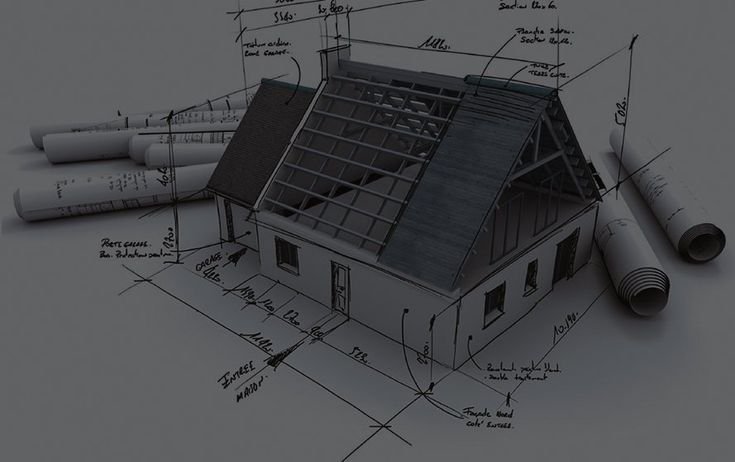
We walk the whole property inside, outside, roof void if accessible, plant rooms, the works. Nothing gets skipped because it’s inconvenient to reach.
Recording Defects & Wear and Tear
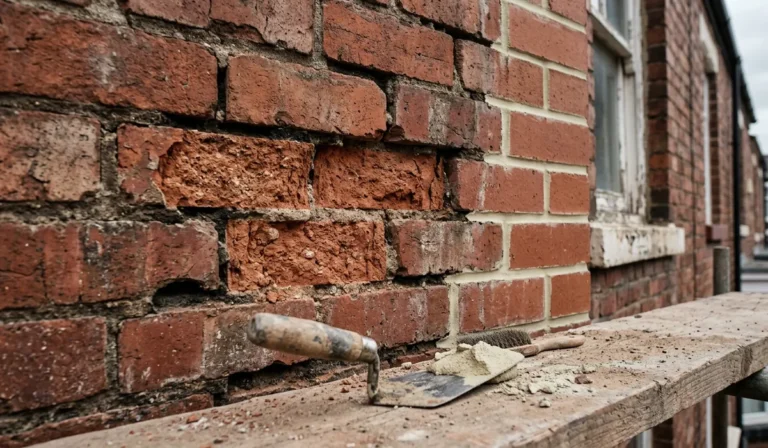
Every defect is photographed, measured where relevant, and cross-referenced against the lease’s repairing obligations. Not every mark on a wall is a breach. Fair wear and tear is a real legal concept, and a good surveyor knows where that line sits (it’s a judgement call more often than people expect).
Preparing the Dilapidations Schedule
We then draft the schedule itself: item, defect, remedy, and cost. Clear enough that a solicitor can use it, and honest enough that it survives scrutiny from the other side’s surveyor.
RICS-Compliant Dilapidations Reporting
Every survey we produce follows the RICS Dilapidations Protocol and the RICS guidance note on dilapidations in England and Wales. This isn’t a nice-to-have. Courts and mediators expect it, and a report that ignores the Protocol can genuinely weaken your position in a dispute even if the underlying facts are on your side.
What’s Included in Our Dilapidations Report
- Structural Condition
Foundations, walls, roof structure, anything load-bearing or safety-critical gets flagged with priority. - Building Services & Systems
HVAC, electrics, plumbing, fire systems. These often account for the biggest repair costs, so we don’t gloss over them. - Lease Repairing Obligations
We read the lease. Sounds obvious, but you’d be surprised how many disputes stem from someone assuming a clause says something it doesn’t.
Why Choose Our Chartered Building Surveyors
We’re RICS-regulated, we’ve handled dilapidations across offices, retail units, and industrial units throughout the UK, and this bit matters we write reports that a non-surveyor can actually understand. A schedule full of jargon doesn’t help anyone negotiate. Ours are built to be read, argued over sensibly, and settled without a courtroom.
Dilapidation Survey Services Across the UK
ASG Consulting supports landlords, tenants, and managing agents right across England and Liverpool from single-unit retail leases in market towns to multi-let industrial estates on the edge of major cities. Property doesn’t stay in one place, and neither do we. Whether it’s an office block in Liverpool, a warehouse in the North West, or a small parade of shops further afield, the fundamentals of a dilapidations survey stay the same: clear evidence, fair assessment, and a report that actually stands up if things end up in dispute.
We’ve built particular depth in commercial and industrial dilapidations, sectors where the numbers involved tend to be larger and the lease terms more complex, think plant and machinery clauses, reinstatement obligations, or multiple tenants sharing common areas. Honestly, that’s where a generic surveyor can miss the details that matter most. Based in Liverpool, we bring the same level of scrutiny to every dilapidation survey we carry out, wherever your property sits in the UK.
Client Reviews & Case Studies
We could list our qualifications all day, but a dilapidations survey is really judged by the outcome it produces for real clients. One retail tenant we worked with faced an initial dilapidation claim of £42,000 our survey and negotiation brought that down to £11,000, backed by evidence the landlord’s own surveyor couldn’t argue with. That’s the kind of result we’d rather show you than tell you about. Get in touch and we’ll share references and case studies relevant to your sector.
FAQs
What is the purpose of a dilapidation survey?
A dilapidation survey exists to record a commercial property’s exact condition at a fixed point in time usually before works start nearby, at lease commencement, or before a lease ends. The goal is simple: create clear, dated evidence so nobody’s left arguing over who caused what damage, or when.
Who pays for a dilapidation survey?
It depends on why the survey’s happening. For a schedule of conditions at lease start, it’s usually negotiated between landlord and tenant (sometimes split). For construction-related surveys say, a neighbour doing groundworks the party carrying out the works typically covers the cost. Worth confirming this in writing before the surveyor turns up, honestly, rather than after.
What are dilapidations in real estate?
Dilapidations are breaches of a tenant’s repairing, maintenance, or reinstatement obligations under a commercial lease, think unrepaired damage, poor decoration, or alterations that were never reversed. When a lease ends, the landlord can issue a schedule of dilapidations claiming the cost of putting things right.
How long does a dilapidation survey take?
For a typical commercial unit, most surveys are completed within a few hours to a full day, depending on the building’s size and complexity. Larger industrial sites or multi-floor offices can take longer. We’ll give you a realistic timeframe once we know the property.
Can a tenant challenge a dilapidation claim?
Yes and it happens more often than people assume. If a schedule includes items that reflect fair wear and tear, pre-existing damage, or work beyond what the lease actually requires, a tenant can dispute it with their own surveyor’s evidence. This is exactly why having a schedule of conditions from day one makes such a difference later.
Final Thought
A dilapidation dispute rarely comes out of nowhere. It builds up over years of small, undocumented moments: a crack nobody photographed, a repair nobody logged, an assumption nobody wrote down. By the time the lease ends, both sides are left arguing over memory instead of evidence. That’s the bit we’d genuinely like to save you from.
Whether you’re a landlord protecting an asset or a tenant trying to avoid an inflated bill, the fix isn’t complicated. Get a proper survey done early. Keep the paperwork. And if a dispute does land on your desk, bring in someone who can read a lease as carefully as they read a crack in the plaster. That’s really all a dilapidation survey isa bit of foresight, on paper, before you need it.
About the Author
This article was written by the building surveying team at ASG Consulting, based in Liverpool. We’re RICS-regulated surveyors specialising in commercial and industrial dilapidations, schedules of condition, and lease-related disputes across the UK. If you’ve got a dilapidated question that isn’t answered here, get in touch. We’re generally happy to talk it through before it turns into a formal instruction.