Buying a house with asbestos is common and often manageable. Any home built or refurbished before 2000 may contain it, usually in textured ceilings, floor tiles, boiler flues, soffits and garage roofs. Asbestos in good condition is generally best left alone. The risk comes from damage or disturbance, so check its location and condition before you buy or renovate.
Many buyers panic when a survey report mentions asbestos, and some walk away from good homes as a result. Others ignore the warning, then disturb it during a kitchen refit or loft conversion. This guide takes a room by room approach to buying a house with asbestos, showing where it is usually found, what a building survey will and will not tell you, when a specialist asbestos survey is worth paying for, and how to plan safely if you buy.
In this guide
- What is asbestos and why does it matter?
- Which homes may contain asbestos?
- Where is asbestos found, room by room?
- Where is asbestos found outside the house?
- Is asbestos in good condition dangerous?
- Will a house survey find asbestos?
- When do you need a specialist asbestos survey?
- What about asbestos in flats?
- Will asbestos affect your mortgage or insurance?
- Can you negotiate the price?
- What if you plan to renovate?
- What affects the cost of dealing with asbestos?
- What questions should you ask the seller?
- Asbestos in Liverpool homes
- FAQs
What Is Asbestos and Why Does It Matter?
Asbestos is a natural mineral made of tiny fibres. It was widely used in British buildings for much of the twentieth century because it was cheap, strong, fire resistant and a good insulator. It was mixed into cement sheets, ceiling coatings, floor tiles, boards, pipe lagging and many other products.
The danger comes when asbestos materials are damaged or disturbed, releasing fibres that can be breathed in. The Health and Safety Executive explains in its guide on why asbestos is dangerous and where it can be found that asbestos related diseases can take many years to develop, and that the use of asbestos in building construction and refurbishment has been banned since 1999. That is why the focus when buying a house with asbestos is on location, condition and future work, rather than simply whether it is there.
Which Homes May Contain Asbestos?
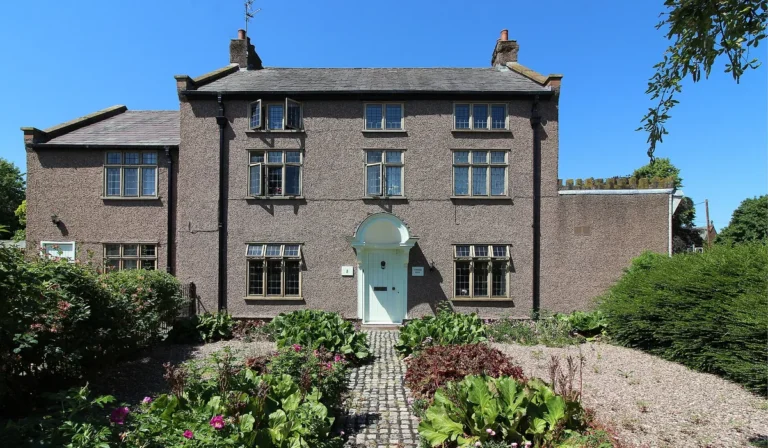
The HSE says any building built or refurbished before 2000 may contain asbestos. In practice, that covers most homes in the UK. The likely types depend on age.
| Age of home | Typical asbestos risk |
|---|---|
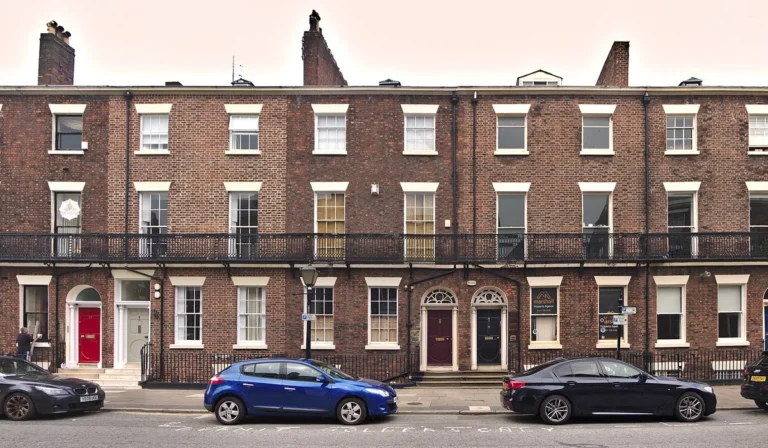
| Before 1914, such as Victorian and Edwardian houses | Usually only in later additions, such as old boiler flues, pipe lagging, textured ceilings, floor tiles and outbuildings |
| 1920s and 1930s houses | Later heating systems, textured coatings, garage roofs, soffits and rainwater goods added over the years |
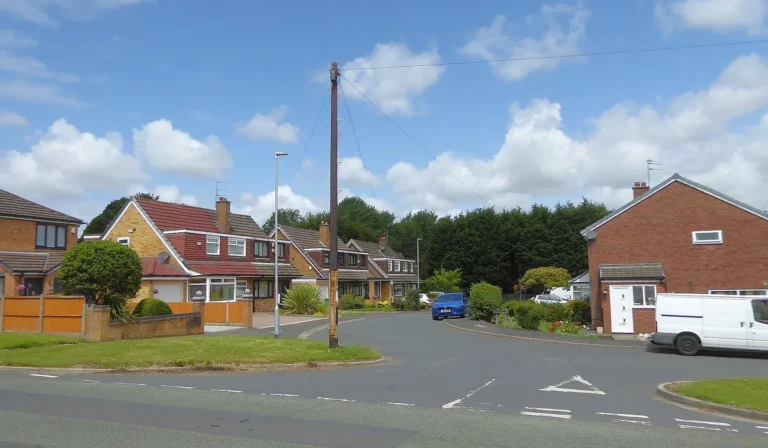
| 1950s to 1980s houses, flats and bungalows | The highest risk period, with asbestos cement, insulating board, textured coatings, floor tiles and flue pipes all common |
| 1990s homes | Lower risk, but still possible in some products used before the 1999 ban |
| Built from 2000 onwards | Unlikely, unless older materials were reused |
Age is only a starting point. A Victorian terrace that was refurbished in the 1970s may contain more asbestos than an untouched 1930s semi.
Where Is Asbestos Found, Room by Room?
Local authority guidance, such as Exeter City Council advice on asbestos in the home, lists the most common places asbestos turns up in houses. Use this room by room guide when you view a property.
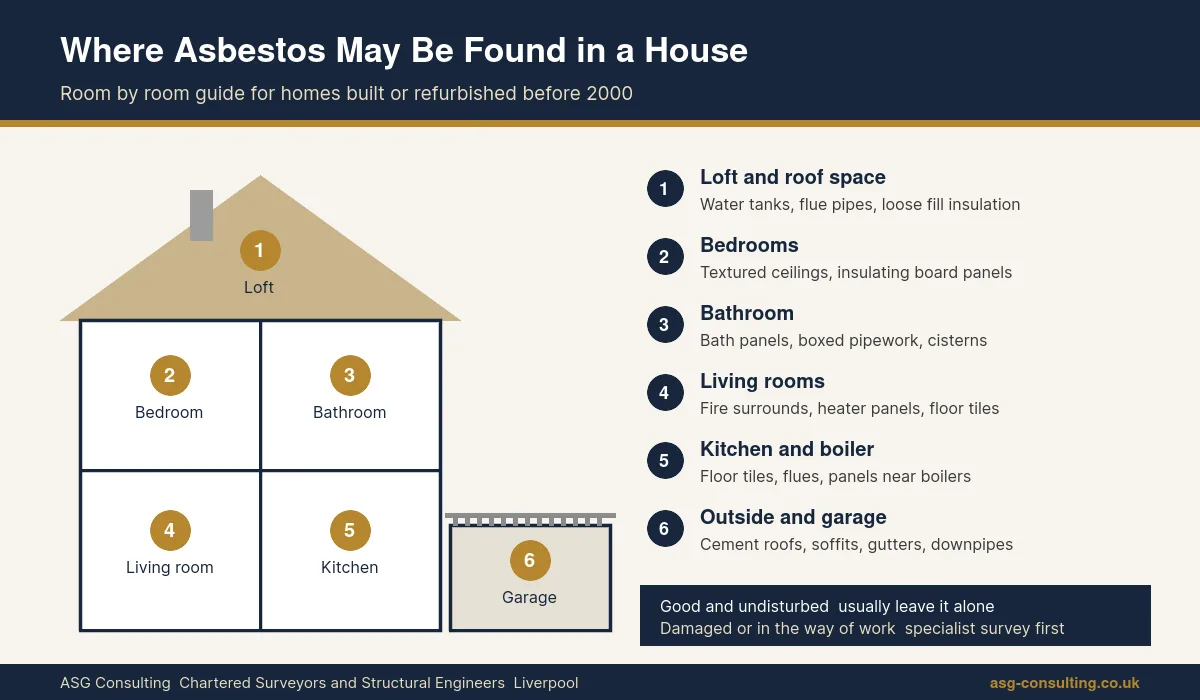
Loft and roof space
- loose fill or sprayed insulation, which is rare but high risk
- asbestos cement water tanks and flue pipes
- old roofing felt and soffit boards seen from inside
Living rooms and bedrooms
- textured ceiling and wall coatings, often called by the brand name of one product
- fire surrounds, fire backs and panels behind heaters
- old storage heaters and warm air heating systems
- insulating board in partitions, ceiling panels and door linings
Kitchen
- vinyl floor tiles and the black adhesive beneath them
- panels behind or around cookers and boilers
- sink pads and old cupboard linings
Bathroom
- bath panels and boxed in pipework
- toilet cisterns and seats in some older suites
- floor tiles and textured ceilings
Boiler cupboard and heating
- boiler flues, especially older grey cement flues
- pipe lagging and insulation around old boilers
- ropes, gaskets and panels inside older appliances
Under floors
- insulation and debris beneath suspended timber floors
- floor tiles hidden under carpets or newer flooring
Where Is Asbestos Found Outside the House?
Outside the home, the most common asbestos products are made of asbestos cement, a mix of cement and fibres. It tends to be lower risk when left alone, but it weathers and becomes brittle over time.
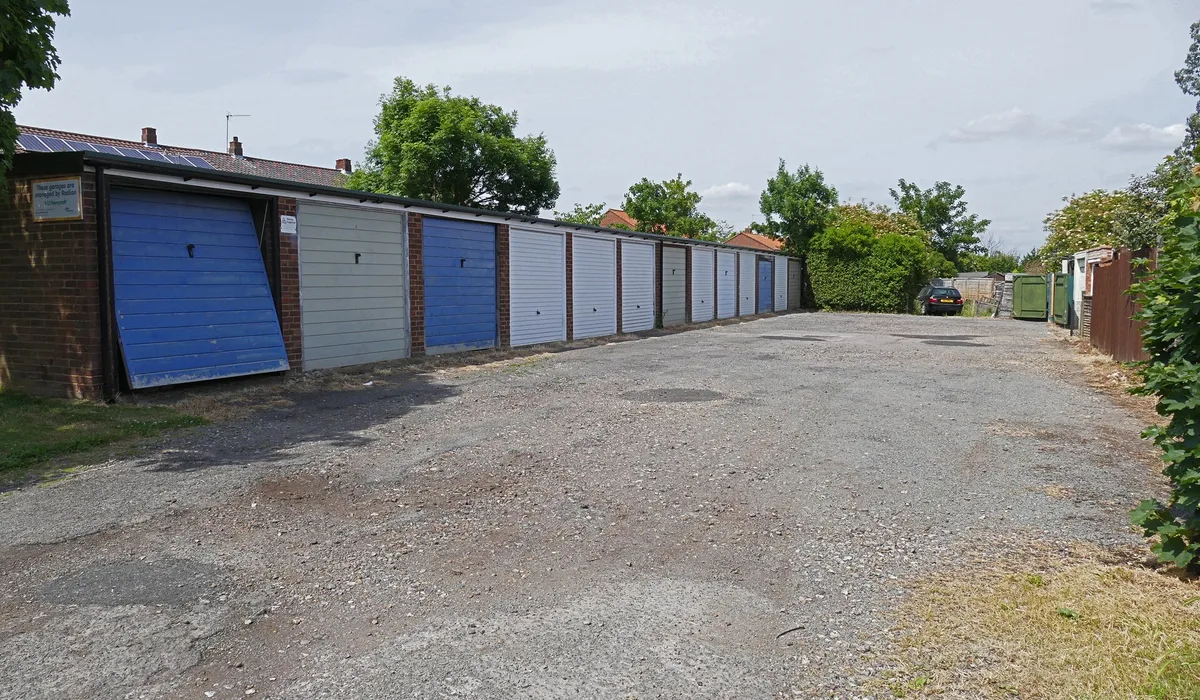
- Garage and shed roofs. Corrugated cement sheets on garages, carports and outbuildings.
- Soffits and fascias. Flat boards under the eaves, common on homes from the 1950s to the 1980s.
- Gutters and downpipes. Grey cement rainwater goods, often painted.
- Wall cladding. Cement panels on bay windows, extensions and some non traditional houses.
- Flue pipes. Cement flues projecting through roofs or walls.
- Roof coverings. Some artificial slates and old roofing felts.
Never break, cut, drill, sand or jet wash these materials. If a garage roof is cracked or crumbling, get specialist advice before any repair or removal.
Is Asbestos in Good Condition Dangerous?
Asbestos that is in good condition, sealed and unlikely to be disturbed is generally considered best left alone. Exeter City Council advice says it is unlikely to release fibres when it is in good condition and undisturbed.
Use this table as a rough guide to what to do.
| Condition | What it looks like | Usual action |
|---|---|---|
| Good and sealed | Intact, painted or covered, no damage | Leave it alone, record where it is and monitor it |
| Minor wear | Small scratches or worn edges, still intact | Seal or encapsulate with specialist advice |
| Damaged | Cracked, broken, crumbling or flaking | Stop disturbing it and get a specialist inspection |
| In the way of planned work | Any condition, but needs to be drilled, cut or removed | Specialist asbestos survey and licensed or competent removal before work starts |
The type of material matters too. Sprayed coatings, pipe lagging and insulating board release fibres more easily than asbestos cement or floor tiles, which bind the fibres more tightly.
Will a House Survey Find Asbestos?
A RICS home survey can flag materials that may contain asbestos, but it is not an asbestos survey. The RICS description of the RICS Home Survey Level 2 makes clear that the surveyor does not carry out an asbestos inspection and does not test materials, but should properly emphasise in the report where asbestos containing materials are suspected.
In practice, that means a good surveyor will
- note visible materials that look like they may contain asbestos, such as textured ceilings, cement soffits, garage roofs and flues
- comment on their condition, where visible
- recommend further investigation by a specialist where needed
- warn you not to disturb suspected materials during future work
A surveyor cannot see inside walls, under fixed floors or behind boxing, so a survey will never identify every asbestos material in a house. Our guide to survey condition ratings explains how issues like this are reported in a RICS survey.
For older or altered homes, a RICS Level 3 Building Survey gives more detail on construction and condition. Our residential building surveying page explains the Level 3 survey, and our RICS HomeBuyer Survey in Liverpool page covers the Level 2 option.
When Do You Need a Specialist Asbestos Survey?
A specialist asbestos survey is carried out by a trained asbestos surveyor, who can take samples for laboratory testing. There are two main types.
| Survey type | What it does | When it is used |
|---|---|---|
| Management survey | Locates and assesses asbestos that could be disturbed in normal use, with limited intrusion | Understanding risk in a home you occupy or let |
| Refurbishment and demolition survey | Fully intrusive inspection of the areas where work will happen | Before renovation, rewiring, kitchen or bathroom refits, extensions or demolition |
A specialist asbestos survey is worth considering before you buy if
- the building survey flags suspected asbestos that is damaged
- you plan major works soon after moving in
- the house was built or heavily refurbished between the 1950s and 1980s
- there are large areas of textured coating, insulating board or cement cladding
- you are buying a property to let or develop
Look for a surveyor whose company is accredited by UKAS for asbestos surveying, and for laboratory analysis of samples by an accredited lab.
What About Asbestos in Flats?
In a block of flats, asbestos may be found in your flat and in the common parts, such as stairwells, plant rooms, roofs, service risers and bin stores. The HSE explains in its guide on who has the duty to manage asbestos that the duty covers the common parts of purpose built flats, such as entrance halls, passageways, lifts and staircases, but not individual flats.
When buying a flat, ask your solicitor to request
- the asbestos register and management plan for the common parts
- details of any asbestos found, removed or encapsulated
- any planned works that could disturb asbestos and be charged through the service charge
The RICS Level 2 description says the surveyor will assume that an asbestos register and management plan exist for the common parts, so it is important that your solicitor checks. Our guide to a survey for buying a flat covers other checks for flats.
Will Asbestos Affect Your Mortgage or Insurance?
Usually not, where asbestos is in good condition and typical for the age of the property. Lenders are used to seeing asbestos in older homes. Problems are more likely where
- the house is of non traditional construction with asbestos cement panels
- asbestos is extensive or visibly damaged
- the valuer recommends a specialist report before lending
If the house is non traditional, our guide to non standard construction explains how lenders and insurers treat these homes. If in doubt, ask your mortgage broker or insurer early.
Can You Negotiate the Price?
Sometimes. If a survey and specialist report show asbestos that needs removal or encapsulation, or that will add cost to work you need to do, you can ask the seller to
- reduce the price to reflect the cost of specialist work
- arrange specialist removal before completion
- provide records of any previous asbestos surveys or removal
Get written quotes from specialist contractors to support your request. Our guide to renegotiating after a house purchase survey explains how to approach this with the seller.
What If You Plan to Renovate?
Renovation is when asbestos becomes a real risk, because drilling, cutting, sanding and stripping can release fibres. Before any significant work
- arrange a refurbishment and demolition survey for the areas being worked on
- share the results with your builders and trades
- use competent or licensed contractors for any removal, depending on the material
- keep records of what was found and what was removed
Common jobs that can disturb asbestos include removing textured ceilings, lifting old floor tiles, replacing boilers and flues, rewiring through boards, removing fire surrounds, replacing soffits and demolishing old garages. Never sand or scrape a textured coating that may contain asbestos.
What Affects the Cost of Dealing With Asbestos?
When buying a house with asbestos, the cost of dealing with it depends on the type of material, how much there is, where it is, its condition and whether a licensed contractor is needed. Leaving sound material in place and recording it usually costs very little, while removing large areas of damaged insulating board or lagging can be a significant job.
Before you commit, get the specialist survey results and written quotes from more than one contractor. Factor in any knock on costs, such as replacing a garage roof, renewing soffits or making good ceilings after removal. That gives you a realistic picture of the true cost of buying a house with asbestos, and a firm basis for any discussion with the seller.
What Questions Should You Ask the Seller?
Ask these questions early and pass the answers to your surveyor and solicitor.
- Has an asbestos survey ever been carried out, and can you see a copy?
- Has any asbestos been removed or encapsulated, and is there a certificate or record?
- When were the boiler, flue and heating last replaced?
- Have the textured ceilings been skimmed, covered or removed?
- What is the garage or outbuilding roof made of?
- Were any works carried out in the 1960s, 1970s or 1980s, such as extensions or new kitchens?
Asbestos in Liverpool Homes
Liverpool and Merseyside have a large stock of homes built or refurbished in the decades when asbestos use was at its height. These include interwar and post war council estates in areas such as Norris Green, Speke, Kirkby and Croxteth, 1960s and 1970s flats and maisonettes, and large numbers of Victorian terraces and 1930s semis that were modernised in the same period.
Common findings on surveys in the area include
- cement garage roofs on 1930s semis and post war houses in suburbs such as Walton, Aintree, Huyton and Wallasey
- textured ceilings in Victorian terraces modernised in the 1970s in Anfield, Kensington, Wavertree and Toxteth
- cement soffits, gutters and flues on ex council houses
- cement panels on some non traditional houses on older estates
- asbestos in common parts of older blocks of flats
If you are buying a former council property, our guide to an ex council house survey covers other common issues.
Buying a House With Asbestos FAQs
Should I buy a house with asbestos?
Often yes. Asbestos is common in homes built or refurbished before 2000. If it is in good condition and you do not plan to disturb it, it can usually be left alone. Damaged asbestos or planned renovation needs specialist advice first.
Is it safe to live in a house with asbestos?
Asbestos in good condition that is not disturbed is generally considered low risk. The danger comes from damage, drilling, sanding or removal that releases fibres.
Does a homebuyer survey check for asbestos?
A RICS survey flags suspected asbestos it can see, but it is not an asbestos survey and does not test materials. A specialist asbestos survey is needed to confirm whether asbestos is present.
How do I know if my textured ceiling has asbestos?
You cannot tell by looking. Older textured coatings may contain asbestos, and only laboratory testing of a sample can confirm it. Do not scrape or sand it before testing.
Can I remove asbestos myself?
Some low risk work may be possible with the right precautions, but many asbestos materials must be removed by licensed contractors. Always get specialist advice before attempting any removal.
Does asbestos reduce house value?
It can, where asbestos is extensive, damaged or needs removal before planned work. In many homes, asbestos in good condition has little effect on value.
Book a Survey With ASG Consulting
ASG Consulting is an RICS regulated building surveying practice in Liverpool. We carry out RICS Level 2 HomeBuyer Surveys and Level 3 Building Surveys across Liverpool, Merseyside, the Wirral and the wider North West, and we flag suspected asbestos where we see it, with reports usually delivered within 3 to 5 working days of the inspection. We give a fixed fee on request, usually confirmed within one working day. To request a quote, call 0151 315 0626 or visit our contact page.
About the Author
Dave MacMillan is the lead surveyor at ASG Consulting, an RICS regulated building surveying practice at 54 St James Street, Liverpool. He has 8 years of experience in building surveying and inspects homes for buyers across Liverpool, Merseyside and the North West.
Last updated 13 November 2026
Featured photo of a garage block at Clewer Green by Alan Hunt via Wikimedia Commons, licence CC BY SA 2.0, cropped.