A mortgage valuation is a quick check for your lender that the property is worth enough to lend against. A survey is an inspection for you that reports on the condition of the building, its defects and the repairs it needs. The valuation protects the bank. The survey protects you, so most buyers need both.
That is the short answer to the mortgage valuation vs survey question, and the rest of this guide explains it in more detail. It is one of the most common points of confusion for first time buyers in Liverpool. Many people assume that because a surveyor has visited for the lender, the house has been checked. It usually has not. This guide explains exactly what each one does, who it is for, what it will and will not tell you, and how to decide which survey you need on top of the valuation.
In this guide
- What is a mortgage valuation?
- What types of mortgage valuation are there?
- What is a house survey?
- Mortgage valuation vs survey side by side
- What does a mortgage valuation not tell you?
- What happens if the valuation comes in low?
- Do I still need a survey if I have a valuation?
- Can you get a survey and a valuation together?
- What mistakes do buyers make?
- Why it matters for Liverpool homes
- FAQs
What Is a Mortgage Valuation?
A mortgage valuation is a check carried out for your mortgage lender to confirm that the property is suitable security for the loan and that it is worth roughly what you have agreed to pay. If you stopped paying the mortgage, the lender would need to sell the property to recover its money, so it wants to know the property is worth enough.
Which? explains in its guide to mortgage valuations that the check is limited in scope. Key points to understand about a mortgage valuation
- It is for the lender, not for you. Which? describes it as being for the benefit of the lender, with a limited scope.
- You may never see it. Many lenders only tell you whether the mortgage can go ahead, not what the valuer found.
- It is often very brief. Where a valuer does visit, Which? says the visit typically takes about 15 to 30 minutes.
- It may not involve a visit at all. Many lenders now use desktop or automated valuations based on sales data, or a drive by valuation that only looks at the outside.
- It is often free. Many lenders include the valuation in the mortgage package. Where there is a fee, Which? says it should not normally cost more than a few hundred pounds.
A valuer will compare the property with recent sales of similar homes nearby and may note obvious issues that affect value, such as visible subsidence or a property type the lender will not lend on. But a valuation is not designed to find defects, and you should not rely on it to tell you about the condition of the house.
What Types of Mortgage Valuation Are There?
Lenders use different kinds of valuation depending on the property, the loan and how much local data is available. Knowing which one your lender has used helps you understand how little it may have looked at.
| Type | What happens | When lenders tend to use it |
|---|---|---|
| Automated or desktop valuation | No one visits. The value is estimated from sales data and property records | Conventional homes in areas with plenty of recent comparable sales, and many remortgages |
| Drive by valuation | The valuer looks at the outside of the property only | Lower risk loans where the lender wants to confirm the property exists and looks typical |
| Physical inspection | The valuer visits inside, usually briefly, and compares recent local sales | Higher loan to value mortgages, unusual or non standard homes, or where data is limited |
Even the most thorough of these is still a valuation, not a survey. Which? notes that lenders may send a surveyor inside if the property is non standard, if the lender has little local lending experience or if information online is scarce. In every case the focus is on value and saleability, not on condition.
What does a lender valuer look at?
When a valuer does visit, they are mainly interested in the things that affect value and whether the property would be easy to sell if the lender ever had to repossess it. That usually means
- the type, age, size and layout of the property
- the construction, and whether it is a type the lender will lend on
- the tenure, such as freehold or leasehold, and the remaining lease length for flats
- obvious serious defects, such as clear signs of subsidence, that would affect value
- recent sales of similar homes nearby
- anything that could make the property hard to sell, such as Japanese knotweed or a flood risk
If the valuer sees something serious, the lender may hold back part of the loan until repairs are done, ask for a specialist report or decline to lend. That is useful to know, but it is not the same as a report written to protect you.
What Is a House Survey?
A house survey is an independent inspection of the property carried out for you, the buyer, by a surveyor you appoint. It reports on the condition of the building, the defects found, the risks to the building and to you, and what should be done about them. Surveys in the UK are usually carried out under the RICS Home Survey Standard and come in three levels.
| Survey | Best for | What you get |
|---|---|---|
| RICS Level 1 Condition Report | Newer, conventional homes in good condition | A short report with condition ratings for each part of the property |
| RICS Level 2 HomeBuyer Survey | Most conventional houses and flats in reasonable condition | Condition ratings plus explanations and advice on repairs and further investigations, with an optional valuation |
| RICS Level 3 Building Survey | Older, larger, altered or unusual properties, or where you plan work | The most detailed inspection, with likely causes of defects, repair options and advice on timing |
Each part of the property is given a condition rating from 1 to 3, or NI where it could not be inspected. Our guide to survey condition ratings explains exactly what each rating means and what to do next.
Mortgage Valuation vs Survey Side by Side
This table sets out the main differences in one place.
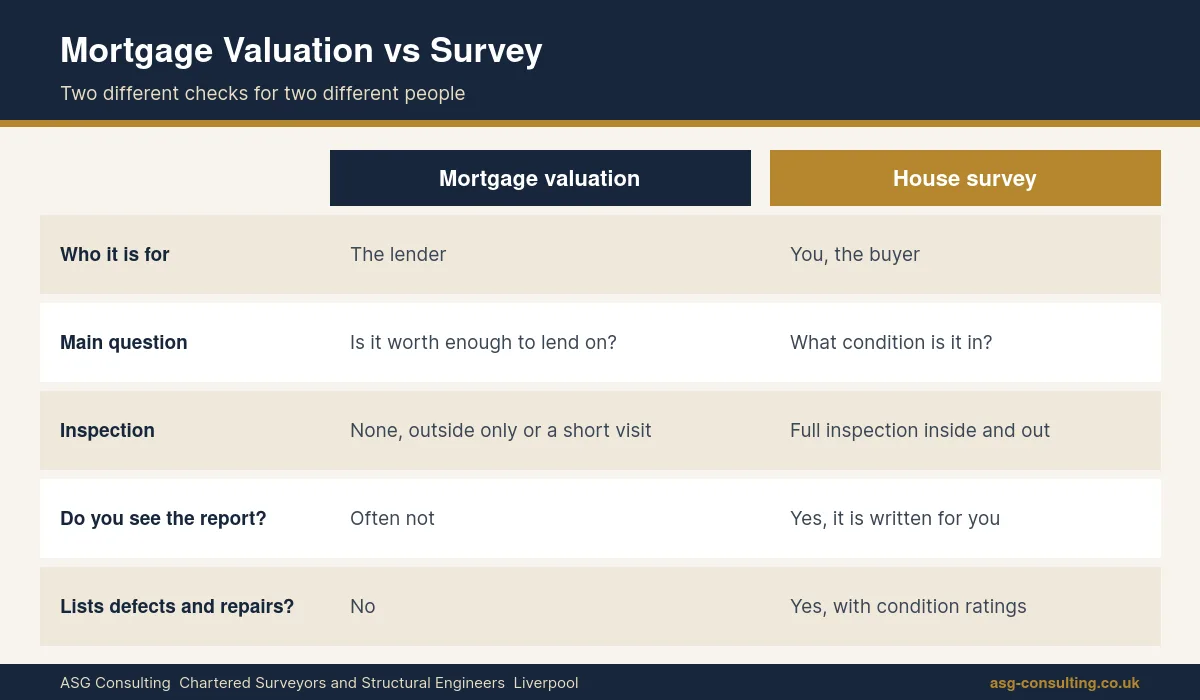
| Mortgage valuation | House survey | |
|---|---|---|
| Who it is for | The lender | You, the buyer |
| Main question | Is the property worth enough to lend against? | What condition is the property in and what needs doing? |
| Who appoints the surveyor | The lender | You |
| Inspection | None, outside only, or a short visit | A full inspection of the accessible parts of the property, inside and out |
| Do you see the report? | Often not | Yes, it is written for you |
| Does it list defects and repairs? | No, only issues that affect lending | Yes, with condition ratings and advice |
| Cost | Often free with the mortgage | A fee to the surveyor, depending on the level, size and age of the property |
| Can you use it to renegotiate? | Only if it comes in low | Yes, with evidence of defects and repair costs |
The key difference in the mortgage valuation vs survey debate is simple. The valuation answers a question for the bank. The survey answers your questions about the home you are about to buy.
What Does a Mortgage Valuation Not Tell You?
A mortgage valuation is not designed to look for the things that cost buyers money after they move in. A valuation will usually not tell you about
- damp, rot or woodworm hidden behind furniture, under floors or in the roof space
- the condition of the roof covering, chimney stacks, gutters and flashings
- cracking and whether it suggests ongoing movement
- failing wall ties, bowing walls or problems with cavity wall insulation
- old electrics, gas appliances or drainage that need testing
- alterations that may lack building regulations approval, such as removed walls or loft conversions
- repairs you should budget for in the next few years
In other words, a house can pass a mortgage valuation and still need thousands of pounds of work. That is why the mortgage valuation vs survey choice is not really a choice at all for most buyers.
What Happens if the Valuation Comes in Low?
A down valuation is when the lender valuer decides the property is worth less than the price you have agreed. Because the mortgage is based on the lower figure, it can leave a gap you need to fill.
Which? gives a simple example. On a 250,000 pound purchase with a 25,000 pound deposit, a 90 percent mortgage of 225,000 pounds would fall to 180,000 pounds if the property were valued at 200,000 pounds, leaving a shortfall of 45,000 pounds. Your options then usually include
- Renegotiating the price with the seller, using the valuation as evidence.
- Asking the lender to review the valuation, with details of comparable sales that support your price. This is at the lender discretion.
- Trying another lender, which may use a different valuer.
- Increasing your deposit to cover the gap, if you can.
A survey with a valuation, carried out for you, can also help here because the surveyor explains how they reached their figure. Our guide to how a house purchase survey can help you renegotiate covers this in more detail.
Do I Still Need a Survey if I Have a Valuation?
In almost every case, yes. When you weigh up a mortgage valuation vs survey, remember they answer different questions. The valuation tells the lender the property is acceptable security. It does not tell you whether the roof will leak next winter or whether the crack in the bay is getting worse. Use this table as a starting point.
| Property | Suggested survey |
|---|---|
| New build or nearly new home | A snagging inspection, or a Level 1 Condition Report for a home a few years old |
| Conventional house or flat built in the last 80 to 100 years, in reasonable condition | RICS Level 2 HomeBuyer Survey |
| Victorian or Edwardian terrace, or any older home | RICS Level 3 Building Survey in most cases |
| Home that has been extended, converted or heavily altered | RICS Level 3 Building Survey |
| Non standard construction, listed building or a property needing work | RICS Level 3 Building Survey, sometimes with specialist reports |
If you are not sure, ask the surveyor before you book. An honest surveyor will recommend the cheaper Level 2 survey when it is the right fit, and only suggest a Level 3 when the property needs it. Our RICS HomeBuyer Survey in Liverpool page explains the Level 2 option, and our residential building surveying page covers the Level 3 Building Survey.
Can You Get a Survey and a Valuation Together?
Yes, and it can settle the mortgage valuation vs survey question in one report for you. A RICS Level 2 HomeBuyer Survey can include a market valuation and an insurance reinstatement cost, which is the figure to use for your buildings insurance. This is sometimes called a HomeBuyer Survey and Valuation. A valuation can also be added to a Level 3 Building Survey.
This valuation is written for you, not the lender. It does not usually replace the lender valuation, because most lenders insist on their own valuer, but it gives you an independent view of whether the price is fair alongside the condition of the property. Our guide to the RICS homebuyer survey and valuation explains when the valuation is worth adding.
What Mistakes Do Buyers Make With Valuations and Surveys?
These are the mistakes we see most often when buyers weigh up a mortgage valuation vs survey.
- Treating the valuation as a survey. The most common and most expensive mistake. A valuation that comes back at the agreed price says nothing about the roof, the damp or the wiring.
- Waiting for the valuation before booking a survey. This wastes time. Book your survey as soon as your offer is accepted.
- Choosing the cheapest survey for an old house. A Level 1 or Level 2 survey may not give enough detail on a Victorian terrace or a heavily altered home.
- Not reading the whole report. The condition ratings matter, but so do the further investigations and the legal points for your solicitor.
- Not calling the surveyor. A short call often answers questions the report cannot.
Why It Matters for Liverpool Homes
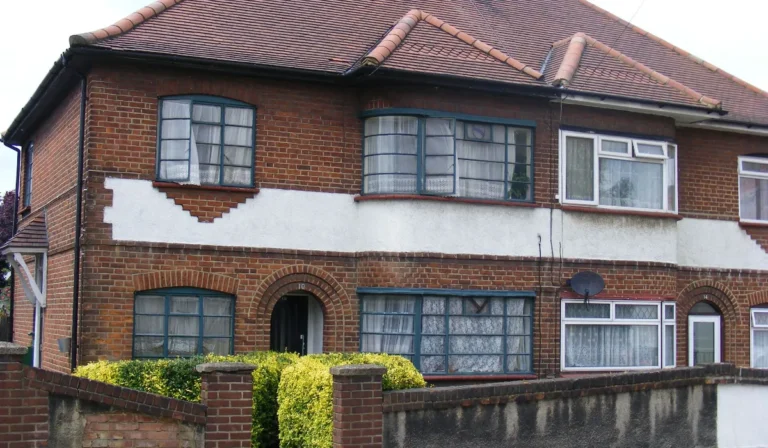
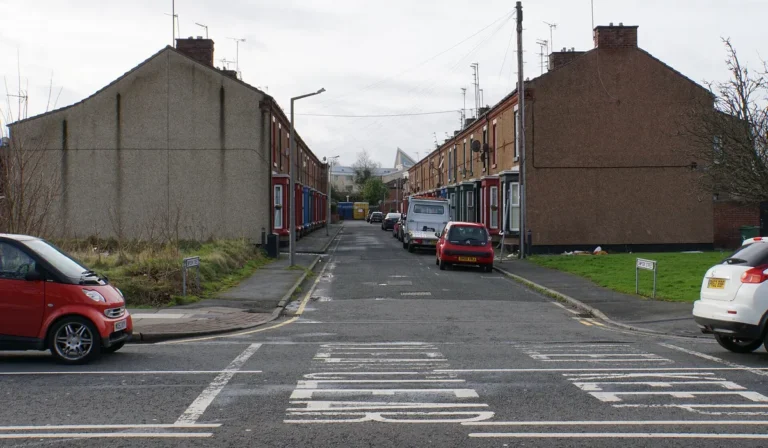
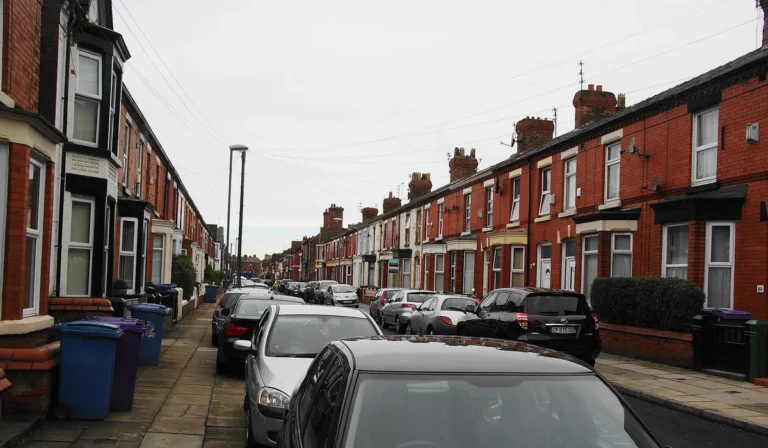
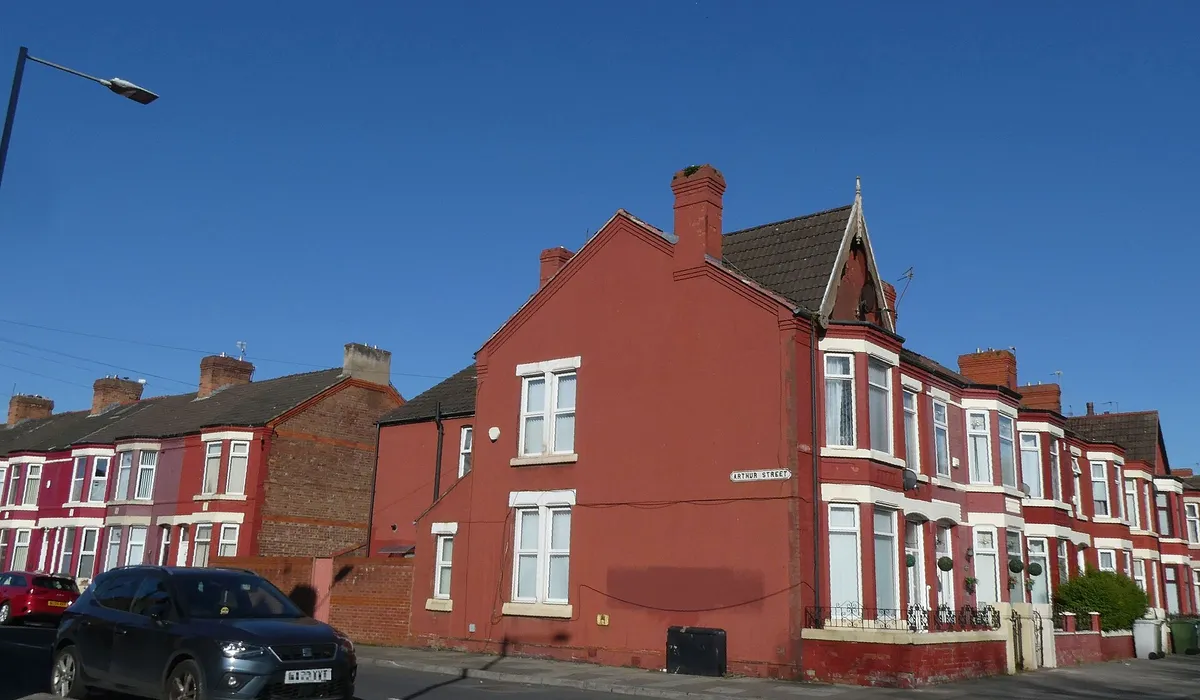
Much of the housing in Liverpool and Merseyside is older than buyers realise. Victorian and Edwardian terraces in Anfield, Wavertree, Kensington and Toxteth, 1930s semis in Allerton, Childwall and Crosby, and converted apartments around the Georgian Quarter and the Baltic Triangle all have defects that a mortgage valuation will not look for.
Common examples include worn slate roofs and chimney stacks, penetrating damp in solid brick walls, failing wall ties in early cavity walls, rotten timber floors in older terraces and alterations carried out without approval. A valuer may value a terrace correctly on the day and still say nothing about a chimney that needs rebuilding. A surveyor will.
Mortgage Valuation vs Survey FAQs
Is a mortgage valuation the same as a survey?
No. A mortgage valuation is a brief check for the lender that the property is worth enough to lend against. A survey is a detailed inspection for you that reports on the condition of the property and the repairs it needs.
Do I need a survey if my mortgage valuation is fine?
Yes, in most cases. A satisfactory valuation only means the lender is happy to lend. It does not mean the property is free of defects, and the valuation is not designed to report on condition to you.
Can I see my mortgage valuation report?
Sometimes. Some lenders share a copy, but many only confirm whether the mortgage can proceed. You should not rely on it as a report on the condition of the property.
Does a survey include a valuation?
Not automatically. A RICS Level 2 HomeBuyer Survey or Level 3 Building Survey can include a market valuation if you ask for it when you book.
Which comes first, the valuation or the survey?
Both usually happen after your offer is accepted. The lender arranges its valuation once you apply for the mortgage. You arrange your survey yourself, ideally as soon as your offer is accepted, so you have the results before you exchange contracts.
How much does a mortgage valuation cost?
Many lenders include it free with the mortgage. Where a fee applies, Which? says it should not normally cost more than a few hundred pounds. A survey is a separate fee that depends on the survey level and the property.
Book Your Survey With ASG Consulting
ASG Consulting is an RICS regulated building surveying practice in Liverpool. We carry out RICS Level 2 HomeBuyer Surveys and Level 3 Building Surveys across Liverpool, Merseyside, the Wirral and the wider North West, with reports usually delivered within 3 to 5 working days of the inspection. We give a fixed fee on request, usually confirmed within one working day. To request a quote, call 0151 315 0626 or visit our contact page.
About the Author
Dave MacMillan is the lead surveyor at ASG Consulting, an RICS regulated building surveying practice at 54 St James Street, Liverpool. He has 8 years of experience in building surveying and inspects homes for buyers across Liverpool, Merseyside and the North West.
Last updated 9 November 2026
Featured photo of terraced houses on Park Road North, Birkenhead by David Smith via Wikimedia Commons, licence CC BY SA 2.0, cropped.