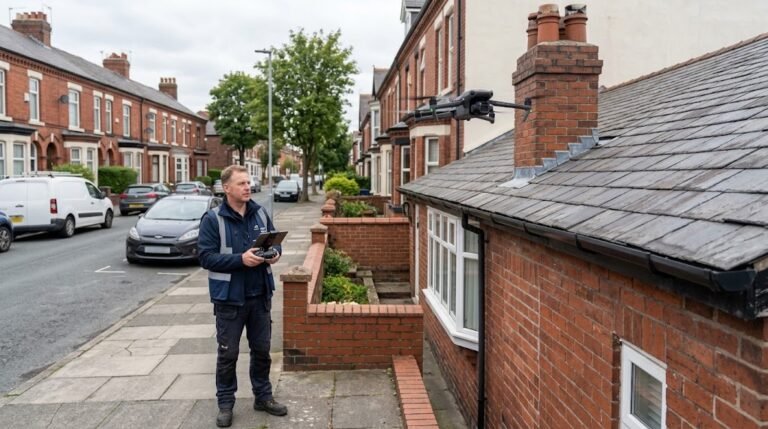

House disrepair survey findings, hidden structural movement, and failing mechanical systems have a frustrating habit of surfacing right after you finalize an acquisition. I remember standing in the basement of a retail block in the North West a few years ago. The investment memorandum promised a pristine asset with strong holding returns. Yet, ten minutes into taking moisture readings along the retaining wall, the truth was obvious: an unbudgeted £80,000 tanking and structural repair project was waiting for the new owner.
Skipping a detailed technical review before committing capital is one of the quickest ways to erode portfolio value. Whether you are buying a single commercial asset or managing a broad mixed-use portfolio, technical pre-acquisition surveys paired with long-term portfolio advice provide the clarity you need to safeguard investments and protect baseline yields.
The Hidden Costs in Real Estate Acquisitions
Every property purchase involves financial risk. The moment contracts exchange, every structural defect, deferred maintenance issue, and legal compliance gap shifts onto your balance sheet.
Deferred Building Maintenance: Unnoticed roof leaks, degraded masonry, and foundation settlement can quickly consume initial operational margins.
Mechanical & Electrical Liabilities: Aging HVAC units, non-compliant wiring, and failing boiler plants often require immediate post-completion replacement.
Regulatory & Environmental Compliance: Evolving environmental rules and building regulations can render assets unlettable without significant capital intervention.
Most sellers present their properties in the best possible light. Cosmetic updates often mask deep-seated technical issues that only an experienced eye can uncover.
What Is Pre-Acquisition Surveys & Portfolio Advice?
A pre-acquisition survey is an independent, technical evaluation of a property’s physical health, statutory compliance, and structural integrity completed prior to exchange. When integrated into broader portfolio advice, it converts raw technical findings into strategic capital guidance.
Comprehensive Physical Inspections
A rigorous building fabric inspection examines every primary element. Through structured RICS chartered surveyor guidance, experts inspect external cladding, load-bearing frames, flat roofing, and sub-surface drainage to detect early signs of failure before they turn into major structural repairs.
Operational & Environmental Audits
Beyond the physical shell, an MEP engineering assessment tests heating, cooling, ventilation, and electrical setups to establish remaining operational life. Concurrently, an environmental site assessment phase 1 reviews historical land use to protect buyers from inherited land contamination risks and unexpected legal remediation orders.
How Due Diligence Protects Portfolio Yields
Thorough due diligence is not about stopping deal flow. It is about buying with complete visibility so you can mitigate risks and capture missing value.
Strategic Price Adjustments
When a building survey report uncovers major repair needs, you gain immediate factual backing at the negotiation table. Investors regularly use detailed surveyor cost projections to negotiate direct price reductions or require vendors to complete essential works before closing.
Long-Term Expense Forecasting
Unexpected maintenance kills cash flow projections. Integrating a planned preventative maintenance schedule into your asset strategy lets you map out capital expenditure forecasting across a multi-year horizon, keeping operational budgets balanced.
Active Risk Mitigation
Each property sector carries distinct risks. Logistics assets require floor load capacity testing, whereas residential assets call for fire safety audits and house disrepair survey risk evaluations. Structured commercial real estate risk mitigation aligns physical condition with long-term portfolio growth.
A Practical Example: Uncovering Strategic Value
Consider an investor acquiring an 18,000 sq. ft. multi-let commercial asset in Merseyside listed for £2.8 million.
During the initial property acquisition risk analysis, the surveying team discovered that the main roof covering was near the end of its useful lifespan and the central mechanical ventilation failed current MEES compliance real estate guidelines. The combined cost for remediation was calculated at £120,000.
Equipped with a comprehensive technical report, the buyer renegotiated the purchase price down to £2.68 million. The capital saved was redirected immediately after closing to upgrade the plant systems, enhancing energy efficiency and raising the property’s overall market standing on its next commercial property valuation.
Pre-Acquisition Investor Checklist
Before committing funds to your next asset, run through these foundational inspection steps:
Audit Building Fabric: Check masonry, roof coverings, frame integrity, and structural movement markers.
Verify Service Systems: Evaluate the age, safety, and efficiency of all central mechanical and electrical plants.
Review Regulatory Requirements: Confirm active fire risk assessments, asbestos management plans, and energy efficiency ratings.
Analyze Lease Liabilities: Cross-check lease terms against building condition to understand dilapidations liability assessment obligations.
Build a CAPEX Plan: Establish a clear 1- to 10-year maintenance strategy to support your overarching asset management portfolio strategy.

Frequently Asked Questions
Why is a pre-acquisition survey necessary if I already have a valuation report?
A valuation report assesses financial worth primarily for lending security and does not delve deeply into technical building health. A pre-acquisition survey provides an in-depth physical diagnosis to expose hidden structural flaws, ongoing maintenance obligations, and code non-compliance.
When should the survey take place during a transaction?
Order the survey as soon as an offer is accepted provisionally and well before exchanging contracts. This gives you time to analyze findings, calculate necessary cash reserves, and adjust purchase terms if unexpected defects are found.
How does technical due diligence assist multi-asset holdings?
It provides a consistent benchmark across all properties. Portfolio advice aggregates technical data across individual buildings, helping asset managers prioritize capital allocation, standardise risk management, and maintain overall portfolio yield resilience.
Final Thoughts
Entering a property acquisition without thorough physical due diligence is a risk no investor should take. Utilizing Pre-Acquisition Surveys & Portfolio Advice ensures you understand the true condition of your targets, protecting your capital and giving you the upper hand throughout negotiations. Spotting technical issues early gives you the power to manage risks effectively and construct a stable, high-performing property portfolio.