
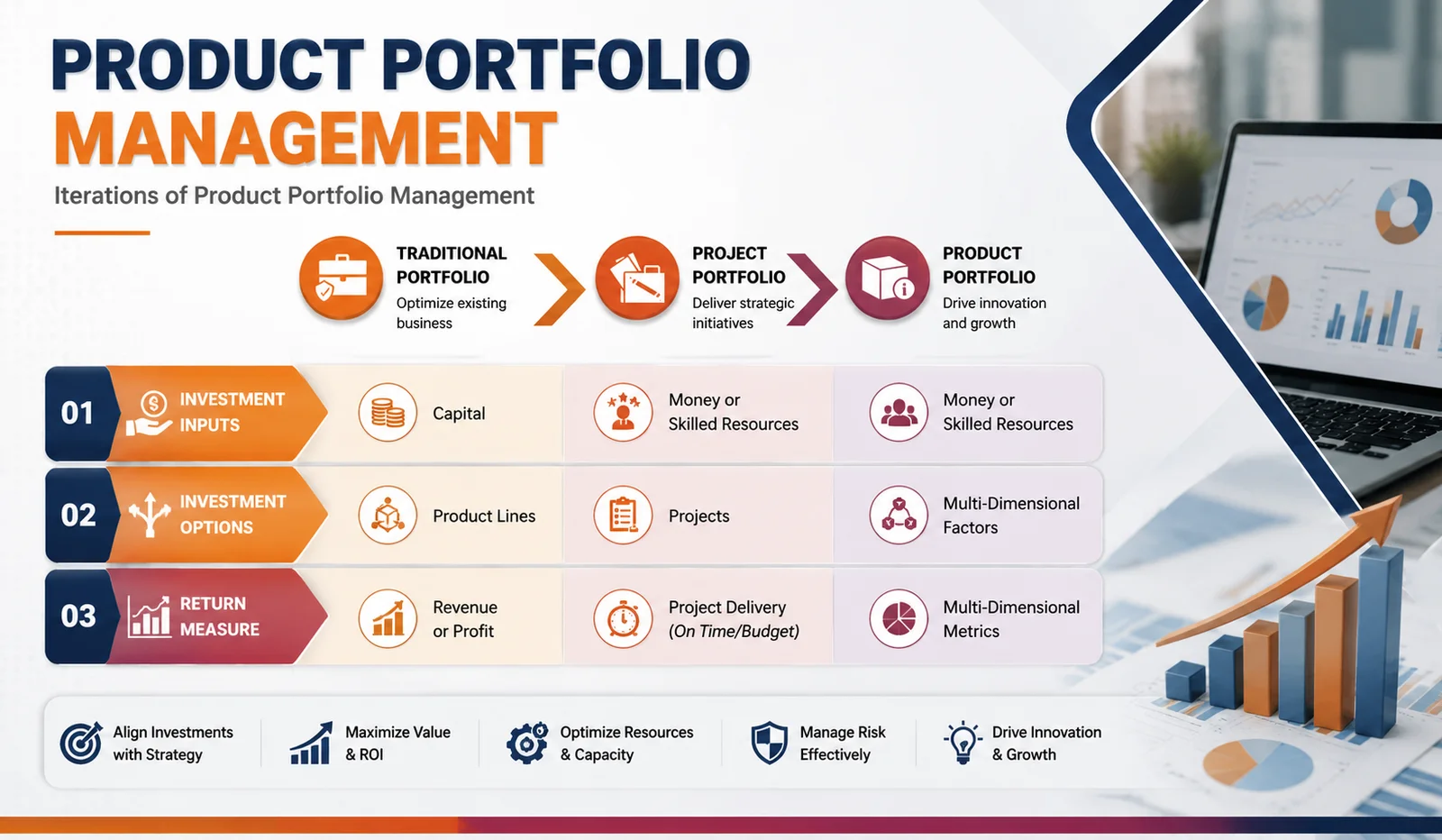
There’s a specific moment a lot of people remember clearly: staring at a 401(k) statement during a market downturn, watching a number they’ve spent a decade building shrink in front of them, and realizing they have absolutely no idea whether they should do something or just sit tight. That moment is usually when people start Googling best portfolio management firms services for the first time, half panicked, half hoping someone smarter than them is already watching the wheel.
I’ve spent close to twelve years working around financial advisory teams, first in compliance, later advising clients directly, and if there’s one thing I’ve learned, it’s that the difference between building wealth and slowly bleeding it out rarely comes down to picking the right stock. It comes down to who’s actually managing the whole picture, consistently, long after the excitement of opening the account has worn off.
That’s what this article is really about: what portfolio management firms actually do, how to separate the ones worth your trust from the ones just collecting fees, and why protecting wealth is often a bigger job than growing it.
What Portfolio Management Firms Actually Do
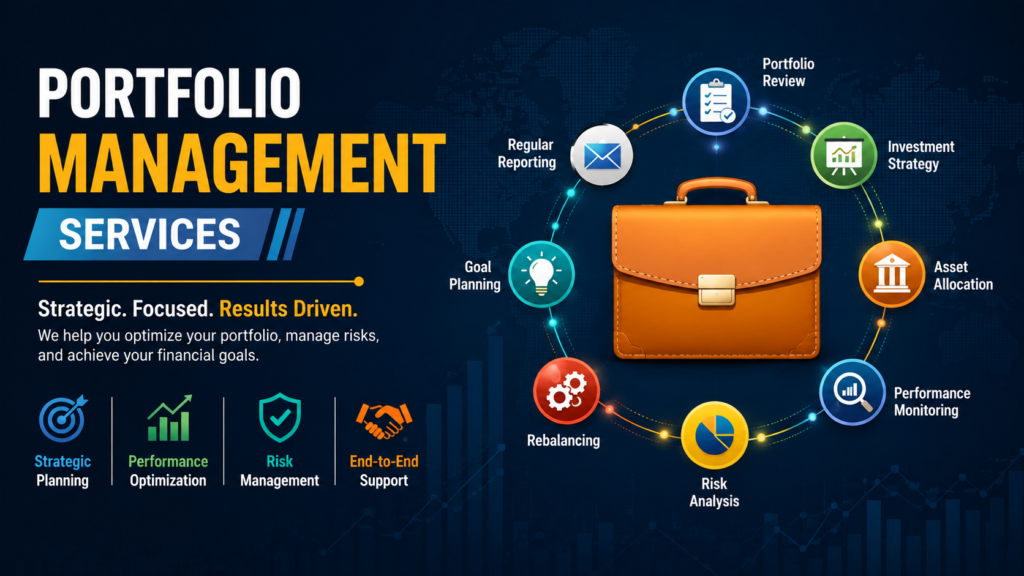
A lot of people assume portfolio management firms are just glorified stock pickers. That’s a narrow and honestly outdated view. A serious advisor portfolio strategy involves asset allocation across stocks, bonds, real estate, and alternative investments, tax-efficient rebalancing, risk assessment tied to your actual life stage, and ongoing adjustments as your goals, income, or family situation change.
The best portfolio management firms don’t just react to the market. They build a structure designed to survive it. Think of it less like picking winning horses and more like designing a levee system; the goal isn’t to stop the flood, it’s to make sure the flood doesn’t wipe you out when it inevitably comes.
Top portfolio management firms typically fall into a few categories: traditional wealth management firms working with high-net-worth individuals, robo-advisor hybrids offering algorithm-driven portfolios with light human oversight, and boutique advisory firms offering a more personal, high-touch relationship. None of these is universally better; the right fit depends entirely on how complex your financial life actually is.
Why Protection Matters More Than People Expect
Here’s something that doesn’t get said enough: most people don’t lose money because of one bad investment. They lose money because of panic-selling during a downturn, chasing performance after seeing a friend brag about a hot stock, or simply not having a plan robust enough to survive a bad year without triggering an emotional decision.
Good portfolio advisers exist precisely to be the calm voice in the room when your instincts are screaming at you to do something rash. That’s not a small service. In behavioral finance research, this tendency even has a name: loss aversion, and it’s one of the most consistent, well-documented reasons individual investors underperform the very markets they’re invested in.
This is really what protect your wealth means in practice. It’s not about avoiding risk entirely; risk is how wealth grows in the first place. It’s about having a structure and a relationship that keeps you from sabotaging your own long-term plan during the short-term moments that feel unbearable.
How to Actually Evaluate a Portfolio Management Firm
If you’re comparing portfolio management firms, resist the urge to look at past performance numbers on a website. Performance charts are, almost by design, cherry-picked to look impressive. Here’s what actually matters:
Fiduciary status. Ask directly: are you a fiduciary at all times, for all recommendations? A true fiduciary is legally required to act in your best interests, not just recommend suitable products that might pay them higher commissions.
Fee structure transparency. Fee-only advisors charging a flat rate or percentage of assets under management) tend to have fewer conflicts of interest than commission-based advisors. Ask for the exact breakdown in writing before signing anything.
Communication cadence. How often will you actually speak to a human? Quarterly check-ins? Annual reviews only? This matters more than people expect, especially during volatile years.
Credentials. Look for CFP (Certified Financial Planner) or CFA (Chartered Financial Analyst) designations, both of which require rigorous exams and ongoing ethics requirements.
Regulatory record. Every registered investment advisor in the U.S. has a public record through FINRA’s BrokerCheck. It takes five minutes to check, and it can save you from a very expensive mistake.
Robo-Advisors vs Human Advisors The Real Trade-Off
There’s a reasonable debate happening across the industry right now, and it’s worth being honest about both sides instead of pretending one is obviously superior.
Robo-advisors are genuinely good at low-cost, tax-efficient, algorithm-driven portfolio management firms for straightforward situations someone in their 30s with a single goal like retirement, no complex tax situation, and a reasonably high risk tolerance. The fees are low, the barrier to entry is low, and for many people, that’s plenty.
Where human portfolio advisers earn their higher fees is in complexity: business owners navigating equity compensation, families dealing with inheritance or estate planning, anyone with a tax situation that isn’t simple W-2 income, or people who just know themselves well enough to admit they’ll need a real human to talk them off the ledge during a crash.
Increasingly, the best of both worlds shows up in hybrid models: human advisors supported by sophisticated property portfolio management software and financial planning platforms that let them model scenarios, stress-test retirement timelines, and flag rebalancing opportunities faster than a spreadsheet ever could.
Red Flags Worth Taking Seriously
A few patterns are worth walking away from immediately, no matter how polished the pitch sounds. Be cautious of anyone promising guaranteed returns; no legitimate advisor can promise market performance. Be wary of high-pressure sales tactics pushing you to sign the same day. And take note if a firm is cagey or evasive about their exact fee structure when asked directly.
Legitimate top portfolio management firms are, almost without exception, comfortable answering hard questions clearly and immediately. Hesitation or vague answers are a signal worth listening to.
Final Thoughts
Choosing among portfolio management firms isn’t really about finding the one with the best five-year return chart; markets rotate, and past performance genuinely doesn’t guarantee future results, as every disclosure will tell you. It’s about finding a fiduciary advisor, or a firm, whose process you understand, whose fees you can explain to someone else in one sentence, and whose presence in your financial life actually reduces your stress rather than adding to it.
Wealth built without protection is fragile. The right advisor doesn’t just chase growth; they build the structure that lets that growth actually survive long enough to matter.
FAQs
What’s the difference between a portfolio adviser and a financial planner?
A portfolio adviser typically focuses specifically on investment management, asset allocation, rebalancing, and performance. A financial planner usually takes a broader view, covering retirement planning, taxes, insurance, and estate considerations alongside investments. Many firms today offer both under one roof.
How much do the best portfolio management services typically cost?
Fee-only advisors commonly charge between 0.5% and 1.5% of assets under management annually, though this varies by firm size and service complexity. Robo-advisors often charge significantly less, sometimes under 0.25%, but with less personalized guidance.
Is it worth paying for a human advisor instead of a robo-advisor?
It depends on complexity. Simple, single-goal investors often do fine with lower-cost robo-advisors. Anyone with business ownership, significant assets, complex tax situations, or a history of emotional decision-making during downturns typically benefits from human guidance.
How do I check if a portfolio management firm is legitimate?
In the U.S., use FINRA’s BrokerCheck tool to verify an advisor’s registration, credentials, and any disciplinary history. It’s free, public, and takes just a few minutes.
What does fiduciary actually mean, and why does it matter?
A fiduciary is legally obligated to act in your best financial interest at all times, rather than simply recommending suitable products. Not every financial professional is held to this standard, so it’s worth confirming directly before working with anyone.