Buying a house is stressful enough without discovering a crack in the chimney breast three months after you’ve moved in. That’s the whole point of a house survey. It tells you what you’re actually buying, not just what the estate agent’s photos want you to believe.
If you’re purchasing property anywhere across Merseyside, from a Victorian terrace in Liverpool to a semi in Southport, this guide walks through everything you need to know. Costs, survey types, the issues that come up again and again in this region, and honestly, a few things most guides skip entirely.
What Is a House Survey and Do You Need One in Merseyside?
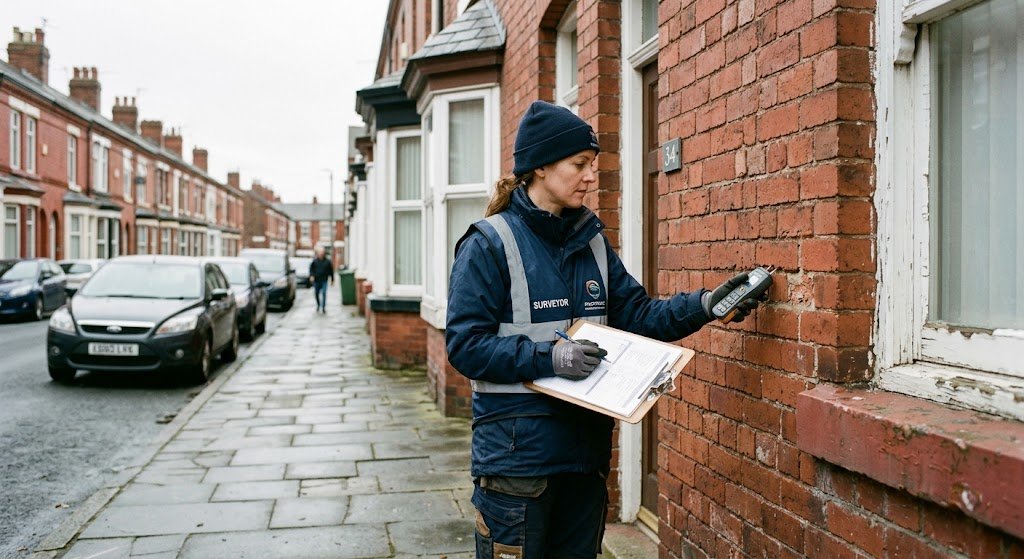
A house survey is a professional inspection of a property’s condition, carried out before you complete a purchase. A qualified surveyor checks the structure, roof, walls, damp levels and general state of repair, then gives you a written report flagging anything concerning.
Is a house survey a legal requirement?
No. In England and Wales, a survey isn’t a legal requirement. Your mortgage lender will insist on a valuation, but that’s a very different thing (more on that later). Nobody is going to stop you skipping the survey. Whether that’s wise is another matter entirely.
Why Merseyside buyers shouldn’t skip a survey
Merseyside has a huge stock of older housing. Liverpool alone has entire streets of Victorian and Edwardian terraces, and areas like Birkenhead and Bootle carry similar age profiles. Older properties come with older problems: solid wall damp, ageing roofs, wiring from decades past. A survey catches these before they become your problem financially. And they will become your problem eventually if nobody looks first.
Types of House Surveys Explained
There are three main levels of RICS survey, and picking the right one matters more than people think.
Level 1, Condition Report
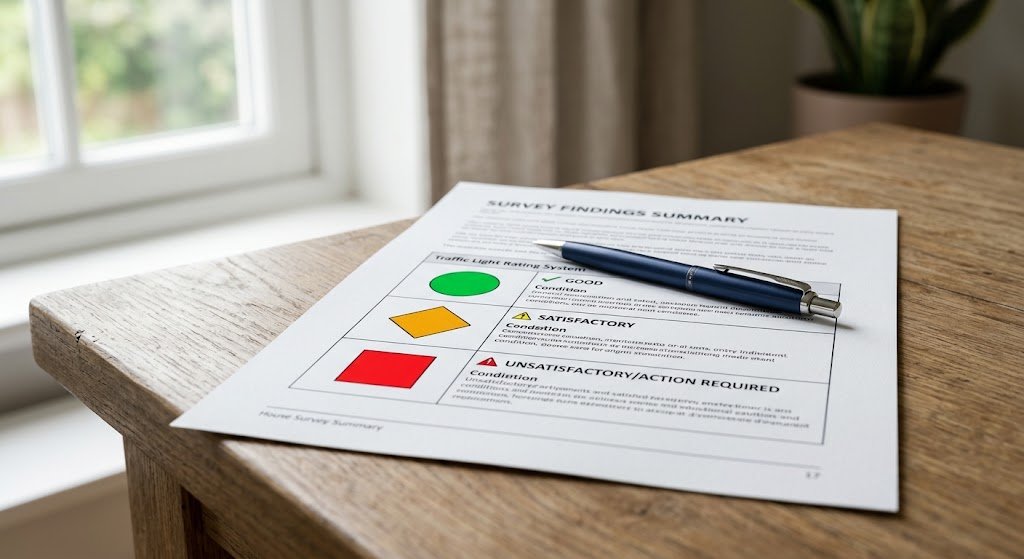
This is the most basic option. It gives a traffic light rating (red, amber, green) on different parts of the property with no advice attached. Best suited to newer builds under about 10 years old. Costs typically start around £300.
Level 2, Home Survey (Homebuyer Report)
The middle option, and the one most buyers end up choosing. It’s a thorough inspection that flags major issues, damp readings, and includes some maintenance advice. Works well for standard properties in reasonably good condition. Prices generally run from £350 to £450, sometimes more depending on property size.
Level 3, Building Survey (Full Structural Survey)
The most detailed level available. It’s an exhaustive look at the building, ideal for older, larger, listed, or heavily altered homes. If you’re buying a converted Victorian house that’s had three different owners knock through walls over the decades, this is the one you want. Costs range from around £500 up to £2,000 or more for larger or complex properties.
Which level is right for your Merseyside property?
Honestly, it comes down to age and condition. New-build near the Liverpool docks? Level 1 probably covers you. A 1900s terrace in Wavertree that’s never been touched structurally? Go Level 3. Anything in between, a Level 2 is usually the sensible middle ground.
House Survey Costs in Merseyside
Average price by survey level
As above, expect £300+ for a Condition Report, £350 to £450+ for a Homebuyer Report, and £500 to £2,000+ for a Full Structural Survey. These are UK wide averages and Merseyside prices generally sit within, if not slightly below, the national range compared to London and the South East.
What affects the price
A few things push the price up or down: the size of the property, its age, how far the surveyor has to travel, and whether it’s a straightforward house or something unusual like a converted mill building (there are a few of those dotted around the region). Bigger property, higher price. Older and more complex, higher price too.
Hidden costs to budget for
This is where a lot of buyers get caught out. Drone roof inspections, specialist damp meter readings, and asbestos testing on pre-1980s properties can all be added extras. Ask your surveyor upfront what’s included and what isn’t, because the headline quote and the final invoice don’t always match.
Common Issues Found in Merseyside Homes
Period and Victorian terraces
Liverpool and Birkenhead have thousands of terraced properties built well over a century ago. Common findings include solid wall dampness, ageing lead pipework, and roof timbers that have simply worn out from age rather than any single incident.
Damp and subsidence risk in older housing stock
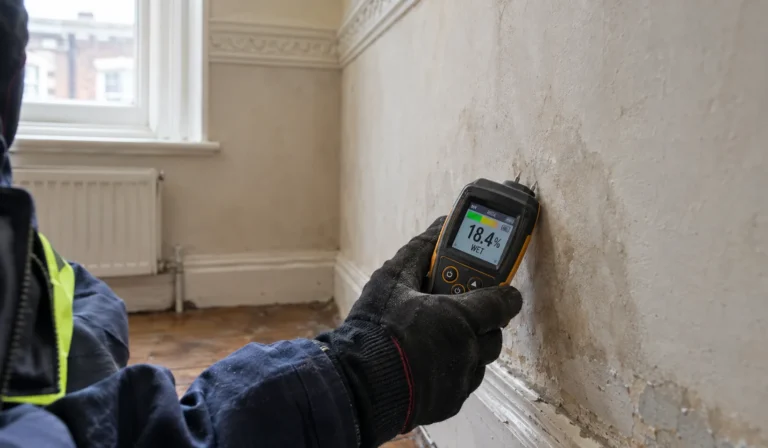
Rising damp and penetrating damp show up constantly in survey reports across the region. Subsidence is less common but not unheard of, particularly where properties sit on clay soils or have had extensions built without proper foundations.
Coastal and weather related wear
Properties nearer the coast, think Wirral and Southport, tend to show more weathering on external render, guttering and roof coverings due to salt air and exposure. It’s not always a dealbreaker, but it’s worth flagging early.
House Survey Red Flags You Shouldn’t Ignore
Not every issue in a survey report is a reason to walk away, but some deserve serious attention.
- Structural cracks wider than a few millimetres, especially ones that run diagonally near windows or doors
- Damp readings above normal levels, or visible mould in corners and behind furniture
- Roof coverings that are missing tiles, sagging, or showing signs of water ingress
- Old wiring systems (anything pre-dating the 1980s consumer unit standard) that hasn’t been updated
If your report flags more than one of these, it’s worth getting a specialist opinion before you go any further with the purchase.
When Should You Book a Survey?
Ideal timing after your offer is accepted
Book your survey one to three weeks after your offer has been accepted. This gives the seller time to confirm the sale is genuinely proceeding without you paying for a survey on a property that falls through the chain a week later.
What can delay your survey booking
If the chain isn’t complete, or the seller hasn’t responded to initial enquiries, hold off. Surveyors are also often booked up two to three weeks in advance in busier periods, so factor that into your timeline too.
What to Do After You Receive Your Survey Report
Understanding defect categories
Surveys typically rank issues in three categories. Category 1 means no immediate action needed. Category 2 means repair or maintenance is needed, but it’s not urgent. Category 3 means serious defects requiring urgent attention, sometimes before you even move in.
How to renegotiate the price based on findings
If your survey turns up Category 3 defects, or several Category 2s, you have grounds to go back to the seller. Get a rough repair estimate first, then approach your estate agent with the figures rather than just the report itself. Numbers tend to land better than vague concerns.
Getting repair quotes before completion
Before you finalise anything, get at least one, ideally two, tradesperson quotes for the biggest issues flagged. This gives you a solid figure to negotiate with, and it stops nasty surprises once you’ve actually exchanged contracts.
House Survey vs Mortgage Valuation vs Conveyancing Searches
Key differences explained
A mortgage valuation is done for the lender’s benefit, to confirm the property is worth what they’re lending against. It is not a survey and won’t flag defects in any real depth. A house survey is for you, the buyer, and digs into condition. Conveyancing searches are a separate legal process checking things like planning permission, flood risk and local authority records.
Why you may need more than one
You’ll almost certainly need a mortgage valuation if you’re borrowing. A survey is optional but strongly recommended. And conveyancing searches happen regardless, as part of the standard legal purchase process. They serve different purposes, and skipping one doesn’t cover you for the others.
Choosing a RICS Surveyor in Merseyside
What to look for
Check the surveyor is RICS accredited, has genuine experience with the property type you’re buying (period homes need different expertise than new builds), and has recent local reviews. If you’re buying a homebuyer survey property in Liverpool specifically, this local guide on homebuyer surveys breaks down what a Liverpool-based inspection typically involves.
Questions to ask before booking
Ask what’s included in the fixed fee, whether drone roof photography is standard or extra, how long the report takes to arrive, and whether they’ll talk you through the findings over the phone. A surveyor who won’t answer that last one honestly isn’t worth booking.
One thing worth reading before you commit to anything: this piece on what nobody tells you about house disrepair surveys covers some of the practical gaps that standard advice tends to leave out.
FAQs
How much does a house survey cost?
Anywhere from £300 for a basic Condition Report to £2,000+ for a Full Structural Survey on a larger or older property.
What are red flags on a house survey?
Wide structural cracks, high damp readings, roof damage, and outdated electrical systems are the main ones to watch for.
Are house surveys really worth it?
In most cases, yes. The cost is small compared to what you might spend fixing an issue nobody flagged before you bought.
Should I get a Level 2 or Level 3 survey?
Level 2 suits standard properties in reasonable condition. Level 3 is better for older, altered, or unusual buildings where more could be hiding beneath the surface.
Conclusion
A house survey costs a few hundred pounds. Skipping one can cost you thousands. If you’re buying anywhere across Merseyside, whether that’s a new-build near the docks or a hundred year old terrace in Wavertree, get the right level of survey for the property and read the report properly before you commit. If you want help finding the right surveyor or booking one for your purchase, get in touch with our team and we’ll point you in the right direction.
Learn more about what we do at ASG Consulting.
About the Author
This guide was put together by the team at ASG Consulting, working with buyers across Merseyside on property surveys and homebuying advice. We’ve seen enough survey reports to know which red flags actually matter and which ones are just paperwork.