
There’s a particular silence that falls over a closing call when a due diligence report lands with something nobody was expecting. Not necessarily a dealbreaker, but the kind of finding that makes everyone go quiet for a second while they run the numbers: repair costs, delayed timelines, whether the deal still makes sense at the agreed price. It’s exactly the moment a good commercial building surveyor exists to prevent, catching that finding weeks earlier instead of on the closing call itself.
I’ve spent a good part of my career sitting adjacent to exactly these moments, working alongside commercial real estate teams, lenders, and the surveyors brought in before a deal actually closes. And here’s the pattern I keep seeing: the deals that survive these surprises gracefully are rarely lucky. They’re the ones where someone brought in a genuinely competent commercial building surveyor early enough that the surprise got caught before it turned into a crisis.
This article is about exactly that: what a commercial building surveyor actually does for you, when you genuinely need one, and how to separate a thorough professional from someone just going through the motions.
What a Commercial Building Surveyor Actually Does
There’s a common assumption that a commercial property surveyor is essentially a residential home inspector with a bigger client list. It’s really not the same job at all. Commercial buildings carry an entirely different risk profile, larger structural loads, far more complex mechanical systems, fire and life-safety code requirements that scale dramatically with occupancy, and financial stakes that dwarf a typical residential deal.
A commercial building surveyor typically covers the building envelope, roofing systems, structural elements, HVAC and electrical infrastructure, ADA compliance, and, depending on the property type, environmental considerations. This isn’t a quick walkthrough with a clipboard; it’s closer to a full technical audit of the building’s physical condition, typically documented against a recognized standard such as ASTM E2018, the widely accepted benchmark for Property Condition Assessments in commercial real estate transactions.
Commercial surveyors also regularly work alongside commercial structural engineers when a building shows signs of movement, load concerns, or an alteration history that needs deeper technical evaluation than a standard visual survey can provide. The two roles overlap somewhat, but a structural engineer brings calculation-based analysis a general surveyor typically isn’t licensed to offer.
Why the Stakes Run Higher in Commercial Deals
Here’s something worth being honest about: residential buyers usually have some emotional cushion if a survey turns something up; they can walk away or absorb a modest repair cost without it threatening their livelihood. Commercial deals rarely offer that same cushion. A missed structural issue on an office building or warehouse can mean six or seven figures in unexpected remediation, tenant disruption, or, in worse cases, a building that simply can’t be occupied or financed the way the deal originally assumed. This is exactly the gap Commercial Building Surveyors exist to close before it ever reaches that point.
Lenders know this well, which is exactly why most commercial financing requires a documented survey or property condition assessment, typically carried out by a qualified Commercial Building Surveyor, before funds get released. It’s not bureaucratic box-checking. It’s the lender protecting their own exposure, and honestly, it protects the buyer just as much, even when it doesn’t always feel that way in the moment.
When You Genuinely Need One
There’s rarely a scenario in commercial real estate where skipping a survey actually makes sense, but a few situations make it absolutely non-negotiable: acquiring an existing commercial property regardless of how good it looks on the surface, refinancing where the lender requires updated documentation, converting a building’s use (industrial-to-residential conversions being a common example), or any situation involving a building older than roughly 25 to 30 years, where system replacement timelines start becoming genuinely relevant.
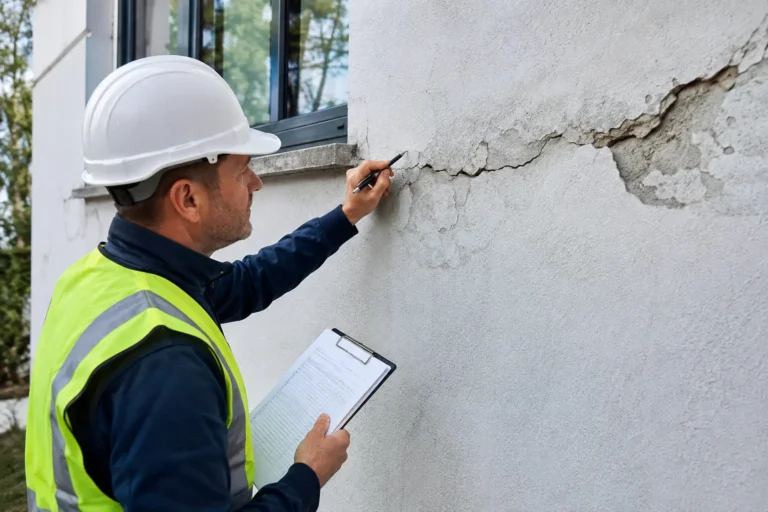
A structural survey for a commercial property specifically becomes essential when there’s visible cracking, uneven settling, water intrusion suggesting envelope failure, or when the building’s undergone significant prior renovation that wasn’t clearly documented. These are exactly the moments where a general commercial building survey alone isn’t quite enough, and bringing in commercial structural engineers for a closer look becomes genuinely worth the added cost.
Finding a Commercial Surveyor Near You Who’s Actually Qualified
If you’re searching for a commercial surveyor near me, there’s a real reason local experience matters beyond simple convenience. Building codes, seismic considerations, flood zone requirements, and even typical construction methods vary considerably by region, and a surveyor working regularly in your specific market brings pattern recognition that a generalist working somewhere unfamiliar for the first time simply won’t have built up yet.
When evaluating commercial building surveyors, a handful of questions cut through the marketing pretty quickly. Are they licensed and, ideally, affiliated with a recognized body like BOMA or an equivalent commercial credentialing organization? Do they follow ASTM E2018 methodology, or an equivalent recognized standard, for their reports? Can they show a sample report from a comparable property type? And, critically, what’s their experience with this specific asset class- office, industrial, retail, multifamily- since these genuinely differ in what tends to go wrong?
A surveyor worth hiring won’t hesitate on any of that. Vague answers, particularly around methodology and licensing, are worth taking seriously as a red flag.
What a Genuinely Useful Report Actually Looks Like
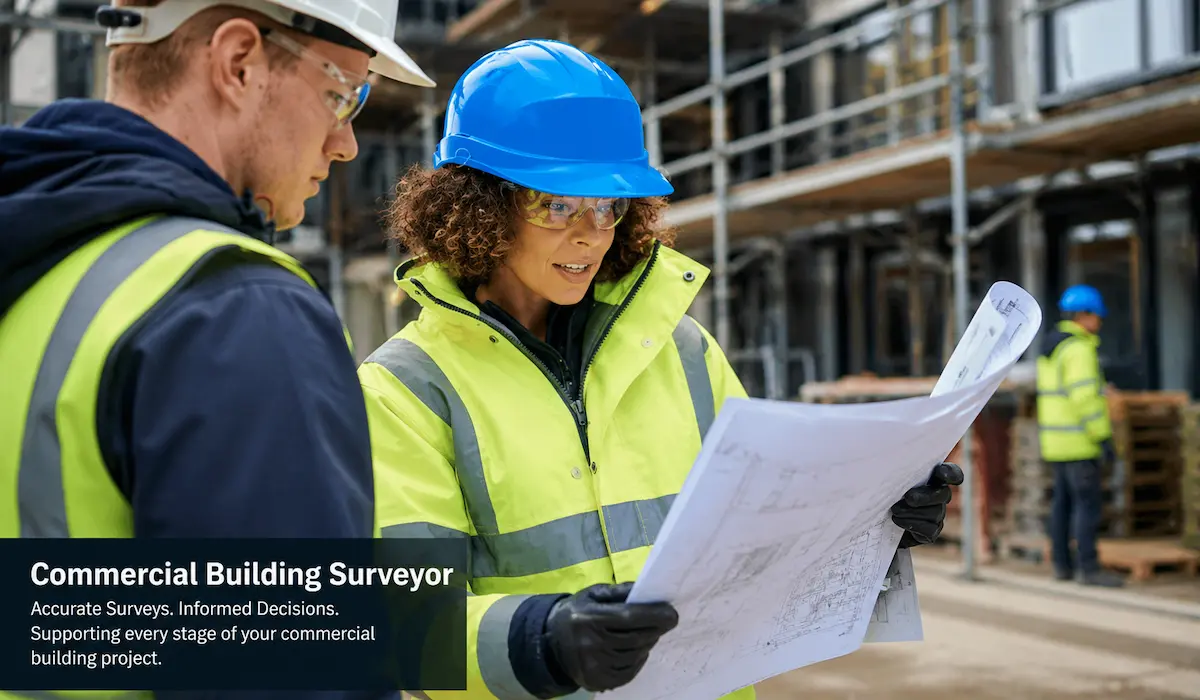
A solid Commercial Building Surveyor report goes well beyond a simple pass or fail. It should include a prioritized list of deficiencies with estimated remediation costs, a realistic timeline for addressing urgent versus non-urgent items, clear photographic documentation, and enough technical detail that your legal and financial teams can actually work with it in negotiation, rather than filing it away unread.
That last point matters more than it might seem. I’ve watched buyers receive a technically sound report that was, frankly, useless in practice, written in dense engineering language nobody outside the surveying profession could translate into an actual negotiating position. The best Commercial Building Surveyor writes reports a non-technical stakeholder can genuinely act on.
Turning the Survey Into Real Negotiating Leverage
A well-documented survey isn’t purely protective; it’s genuinely useful leverage at the negotiating table. If a report flags a roof nearing the end of its service life or an HVAC system needing near-term replacement, that’s a legitimate basis for a price adjustment, a seller credit, or a requirement that repairs happen before closing. Sellers and their agents aren’t going to volunteer this information proactively; it simply isn’t in their financial interest to. An independent surveyor with no stake in whether the deal closes gives you leverage that just doesn’t exist without one.
Final Thoughts
A commercial building surveyor isn’t a formality tucked into the closing checklist somewhere near the bottom. In deals where the financial stakes run into the millions, that survey is often the single document standing between a sound investment and a genuinely expensive mistake. Bringing in someone properly qualified, early enough in the process to actually matter, is one of the few decisions in commercial real estate that consistently pays for itself, whether or not the deal ultimately goes through as originally planned.
FAQs
How is a commercial survey different from a residential home inspection?
Commercial surveys assess more complex systems, larger structural loads, code compliance scaled to occupancy, and financial stakes far beyond typical residential transactions. They’re typically conducted against recognized standards like ASTM E2018, rather than the more general checklist approach common in residential inspections.
Do I need a commercial structural engineer in addition to a surveyor?
Not always, but when a survey flags visible cracking, settling, or undocumented prior structural alterations, bringing in a structural engineer for calculation-based analysis is generally worth the added cost and time.
How much does a commercial building survey typically cost?
Costs vary significantly based on property size, complexity, and asset type, but the expense is almost always minor compared to the cost of an undiscovered structural or systems issue surfacing after closing.
Will my lender require a commercial survey?
In most cases, yes. Commercial lenders typically require a documented property condition assessment before releasing financing, both to protect their own exposure and to give the buyer a clear picture of the asset’s actual condition.
Can a survey report actually help me negotiate a lower price?
Yes, and it’s one of the most underused tools in commercial transactions. Documented deficiencies give buyers a legitimate, evidence-based reason to request a price reduction, seller credit, or pre-closing repairs.