There’s a particular kind of dread that hits a homeowner the moment they spot a hairline crack creeping up a wall they never noticed before. Is it nothing? Is it everything? Most people either panic and gut-renovate a wall that’s perfectly fine, or ignore a warning sign that’s quietly getting worse behind the plaster. I’ve walked into hundreds of properties over the years and watched that exact moment of uncertainty play out on someone’s face. It’s why building pathology exists and why, frankly, more people should know what it actually is before they buy, sell, or repair a building.
Building pathology isn’t a buzzword. It’s a discipline, closer to forensic medicine than to a quick walk-through with a clipboard. And once you understand how it works, you’ll never look at a damp patch or a sagging lintel the same way again.
What Building Pathology Actually Means
At its core, building pathology is the systematic study of how and why buildings fail. Think of it as diagnostic medicine, but for bricks, timber, and mortar instead of bones and tissue. A building pathologist doesn’t just note that a wall is cracked; they trace the crack back to its root cause, whether that’s subsidence, thermal movement, poor drainage, or a botched extension from three owners ago.
This distinction matters enormously. A generic contractor might patch a crack and repaint over it. A trained building pathologist asks why the crack formed in the first place, because papering over a symptom without understanding the cause almost always means the problem returns, usually worse, and usually more expensive.
Why Ordinary Inspections Miss So Much
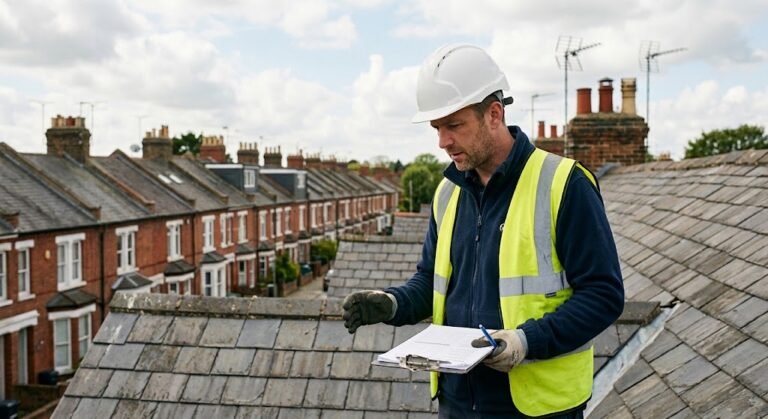
Most people assume a basic property inspection covers everything they need to know. It doesn’t. A standard visual walkthrough catches the obvious stuff: the water stain on the ceiling, the door that won’t quite close. What it often misses are the slow, structural issues that don’t announce themselves until they’re serious: hidden timber decay, movement in load-bearing walls, or moisture ingress that’s been working its way through a cavity wall for a decade.
This is where a proper building structural survey earns its cost many times over. Structural defects rarely start dramatically. They creep. A slightly uneven floor. A door frame that’s gone a few millimetres out of square. On their own, these things look like nothing. Read together by someone trained to connect the dots, they can point to foundation movement that needs addressing before it becomes a five-figure repair.
The Role of Building Defect Surveys
If building pathology is the diagnosis, building defect surveys are the examination. These surveys go property by property, defect by defect, documenting everything from rising damp to roof spread with photographic evidence and technical reasoning behind each finding.
I’ve worked on defect surveys for Victorian terraces, converted mills, and modern new-builds alike, and one thing holds across all of them: the earlier a defect is caught, the cheaper and less invasive the fix. A specific defect survey focused on one concern, like a suspected damp problem or a crack in a single elevation, is often the smartest first move when someone has a particular worry rather than a general one. It’s faster, more affordable, and gives a homeowner a clear answer without the cost of a full structural review.

Level 3 Surveys The Deep Dive
For older or more complex properties, a Level 3 survey (sometimes called a building survey) is the most thorough option available. Anyone searching for a Level 3 survey Liverpool property owners can trust should know this isn’t a box-ticking exercise; it’s a full structural and condition assessment, covering everything from roof timbers to below-ground drainage.
Liverpool’s building pathology makes this especially relevant. The city is full of Georgian townhouses, converted warehouses, and post-war housing, each with its own failure patterns. A building pathologist working across building pathology Liverpool projects gets to know these patterns intimately, the way certain terraces settle unevenly, or how particular Victorian foundations respond to modern basement conversions next door. That local, hands-on experience is something a generic checklist simply cannot replace.
What a Good Building Report Should Actually Tell You
A building report is only as useful as its clarity. I’ve seen reports so dense with jargon that the homeowner walked away more confused than before they paid for it. A genuinely expert report does the opposite: it explains what was found, why it matters, how urgent it is, and what the realistic next steps look like, all in language a non-specialist can actually use to make a decision.
If your report doesn’t answer should I be worried about this, and if so, how soon do I need to act, it hasn’t done its job.
Trust, Experience, and Why Credentials Matter Here
Building pathology sits at the intersection of engineering knowledge, hands-on site experience, and genuine investigative curiosity. It’s not something you can shortcut with a checklist app. According to guidance from the Royal Institution of Chartered Surveyors (RICS), building surveys and defect diagnosis should be carried out by professionals with recognised qualifications and demonstrable site experience, precisely because misdiagnosis can lead to costly, sometimes dangerous, remedial work.
That’s the whole point of hiring a qualified building pathologist rather than relying on guesswork: the diagnosis has to be right the first time, because a wrong one doesn’t just waste money; it can mask a genuine structural risk.
Final Thoughts
Buildings, like people, tell you what’s wrong if you know how to listen. A crack isn’t just a crack. A damp patch isn’t just a damp patch. Building pathology exists to translate those small, easy-to-dismiss signals into an honest, evidence-based picture of what’s really happening inside a structure before small problems become expensive ones.
Whether you need a full Level 3 survey, a focused defect investigation, or simply want a second opinion before you sign on a property, the right diagnosis starts with the right expert asking the right questions.
FAQs
What is building pathology, in simple terms?
Building pathology is the study of why buildings develop problems cracks, damp, movement, decay and what’s actually causing them beneath the surface. Rather than just noting a defect exists, it traces the underlying reason so the right fix is applied instead of a temporary patch.
How is a building pathologist different from a general surveyor?
A general surveyor typically reports what they see. A building pathologist goes further, applying diagnostic reasoning to work out the root cause of structural defects, much like a doctor diagnosing symptoms rather than simply listing them. This distinction matters when a problem could stem from several different causes with very different repair costs.
Do I need a full building structural survey, or just a specific defect survey?
It depends on your situation. If you have one clear concern a crack, a damp patch, a sloping floor a specific defect survey is usually faster and more cost-effective, since it targets that single issue. A full building structural survey makes more sense for older properties, homes with an unclear history, or anyone wanting a complete picture before a major purchase or renovation.
What does a Level 3 survey actually cover?
A Level 3 survey is the most detailed inspection available, covering roof structure, foundations, drainage, timber condition, and every accessible structural element of a property. For older or more complex buildings like much of the housing stock found through a Level 3 survey Liverpool search, it’s the option that leaves the fewest unanswered questions.
How much does a building defect survey typically involve?
Most building defect surveys include an on-site inspection, photographic documentation, and a written building report explaining each finding, its likely cause, and recommended next steps. Timeframes vary by property size and complexity, but a specific, single-issue survey is generally quicker to complete than a full structural review.
Can structural defects be fixed once they’re diagnosed?
In most cases, yes. The earlier structural defects are identified through proper building pathology, the more straightforward and affordable the repair tends to be. Problems caught early are often manageable maintenance issues; the same problems left untreated for years can turn into significant structural work.
Is a building pathology report worth it before buying a property?
For older or unusual properties especially, yes. A building report gives you an evidence-based understanding of a property’s condition before you’re financially committed, which can save far more than the cost of the survey itself, either by flagging issues to negotiate on, or by confirming the property is genuinely sound.