Property repairs sound simple until you’re actually stuck in the middle of one. A pipe bursts on a Sunday night. A ceiling starts sagging in the corner of a bedroom. Suddenly you’re on the phone trying to work out whose job it actually is to fix it, and honestly, most people have no idea.
I’ve sat through enough of these calls at ASG Consulting to know the confusion is genuine, not laziness. Property repairs law in the UK isn’t taught anywhere. You just find out the hard way, usually when something’s already dripping through your ceiling.
This guide walks through who’s responsible for property repairs, how much they tend to cost, what counts as an emergency, and what you can actually do if nobody’s fixing anything. No jargon. Just the stuff you need.
What Counts as a Property Repair?
Here’s where a lot of disputes start. A repair puts something back to the condition it was in before it broke. A boiler that’s stopped working gets repaired. A kitchen that’s just old and a bit dated? That’s an improvement, not a repair, and landlords aren’t obligated to fund it.
Property repairs typically include things like:
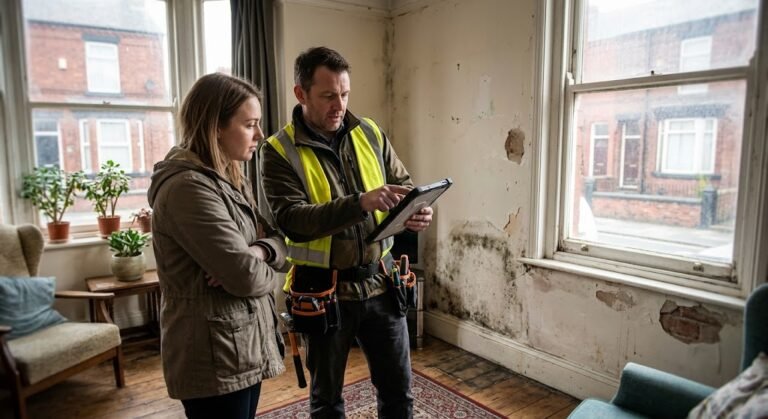
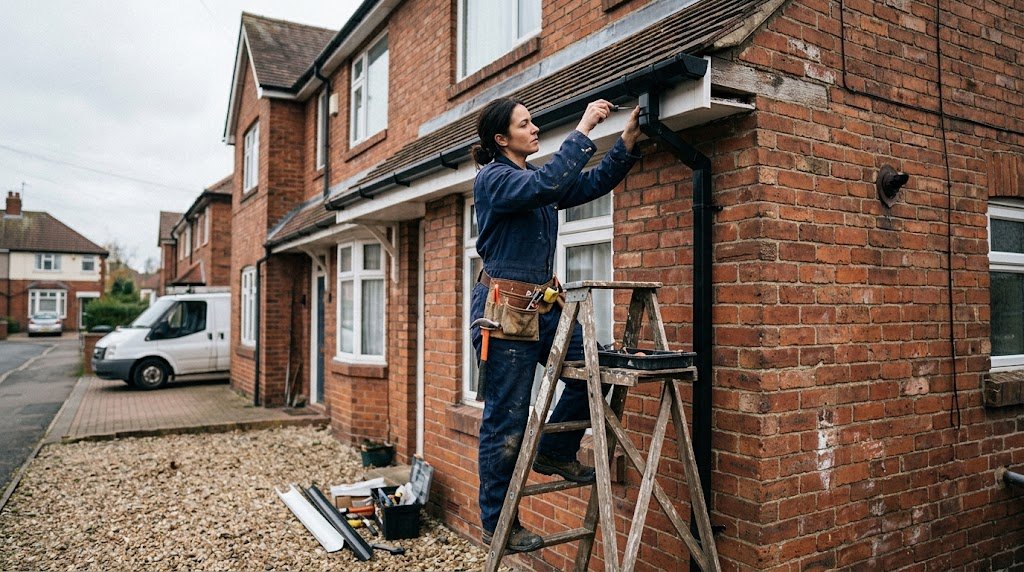
Fixing leaks, whether from pipes, roofs, or guttering Repairing or replacing broken heating systems Structural issues such as cracked walls or subsidence Faulty electrics or unsafe wiring Damp and mould caused by a building defect rather than how someone’s living in the property
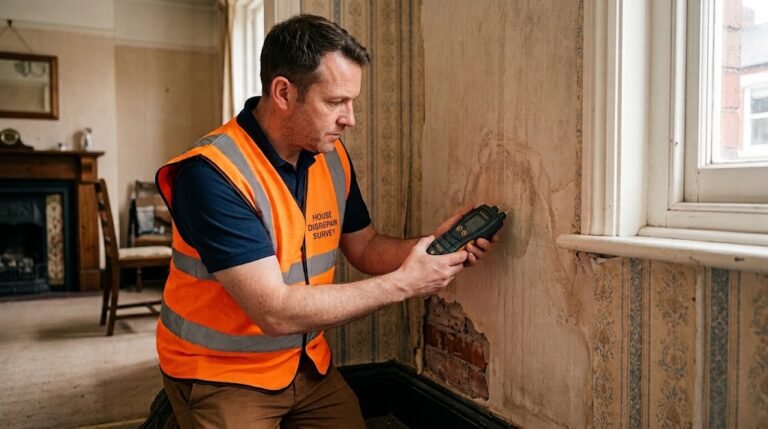
Structural property repairs sit at the more serious end of this list, and they’re usually the ones that end up needing a proper survey rather than a quick call out.
Who Is Responsible for Property Repairs?
This is genuinely the most searched question on the topic, and the answer depends entirely on who owns and who lives in the property.
Homeowner Repair Responsibilities
If you own the property outright, the repairs are on you. Full stop. There’s no landlord to chase and no council to escalate to. This is exactly why residential property repairs need to be budgeted for every year, not just dealt with when something breaks. A decent rule some surveyors use: set aside around one percent of your property’s value annually for maintenance and repair costs.
Landlord Repair Responsibilities (Private Renters)
Under Section 11 of the Landlord and Tenant Act 1985, private landlords have to keep the structure, exterior, and key installations like heating, water, and sanitation in proper working order. That’s not optional, and it’s not something a tenancy agreement can override, whatever your landlord tells you.
Landlord property repairs also cover anything that makes a home unsafe to live in, which the Homes (Fitness for Human Habitation) Act 2018 backs up with real legal teeth. If you want a deeper breakdown of how this plays out with damp and disrepair specifically, our team has written a much more detailed guide on housing disrepair surveys that’s worth a read.
Council and Social Housing Repair Rules
Councils and housing associations work to fixed timescales now, and they’re tighter than most people realise. Awaab’s Law brought in strict deadlines for investigating hazards like damp and mould, and a second phase widening those rules is due at the end of 2026. If you’re in social housing and repairs keep getting delayed, you actually have more legal backing than you probably think.

How Much Notice Should a Landlord Give for Repairs?
Generally, landlords need to give at least 24 hours’ written notice before entering a property to carry out repairs, except in genuine emergencies where immediate access is needed to prevent serious damage. It has to be a reasonable time of day too, not 7am on a Saturday because that’s when the contractor was free.
How to Report Property Repairs to a Landlord
Always, always put it in writing. A text message counts. An email is better. Phone calls get forgotten (or conveniently misremembered), and if this ever escalates, you’ll want a paper trail showing exactly when you first flagged the issue.
Include the date you noticed the problem, a clear description, and photos if you can. That’s it. You don’t need to write an essay, you just need proof it was reported.
What Can I Do If My Landlord Won’t Do Repairs?
This is the bit nobody wants to deal with, but it does happen more than it should.
Step 1: Report the Issue in Writing
Start here every time, even if you’ve already mentioned it verbally. Written evidence is what makes everything after this step actually work.
Step 2: Set a Reasonable Deadline
Give a specific date. “As soon as possible” gets ignored constantly. “By the 20th of this month” doesn’t.
Step 3: Escalate to the Council or Housing Ombudsman
If nothing happens, your local council’s environmental health team can inspect the property and force action under housing health and safety rules. For social housing, the Housing Ombudsman handles unresolved complaints.
Step 4: Consider a Formal Disrepair Claim
When repairs are seriously overdue and affecting your health or safety, a formal disrepair claim becomes worth pursuing. This usually needs an independent survey report as evidence. We cover exactly what that process looks like on our house disrepair survey Merseyside page if you’re at this stage already.
Property Repairs vs. Property Improvements: What’s the Difference?
People mix these up constantly, and it matters because landlords only have to fund repairs, not improvements.
A repair restores something broken back to working order. An improvement upgrades something that already worked fine. Replacing a snapped boiler part is a repair. Swapping a working boiler for a fancier smart one is an improvement. See the difference? It’s not always obvious in the moment, but it’s the line that decides who pays.
How Much Do Property Repairs Cost?
Property repair costs vary wildly depending on scale, and honestly, anyone who gives you one flat number without seeing the job first is guessing.
Average Cost of Small Repair Jobs
Minor fixes like a dripping tap, a loose door hinge, or small plastering work typically run somewhere between £60 and £90 for a tradesperson’s time.
Average Cost of Major Repair Jobs
Bigger jobs like roof repairs, bathroom overhauls, or structural work tend to sit anywhere from £200 up to £800 or more, and that’s before materials get pricey. Commercial property repairs usually cost more again, simply because of scale and compliance requirements that don’t apply to a normal house.
Signs Your Property Needs Urgent Repairs
Some issues can wait a few weeks. Others genuinely can’t. Watch for:
Water actively leaking through a ceiling or wall Visible structural cracking that’s widening, not just old and settled No heating during winter months Exposed or damaged electrical wiring Persistent damp that’s affecting anyone’s breathing or health
If you’re seeing more than one of these at once, it’s worth getting a professional property repair company involved rather than waiting it out.
Emergency Property Repairs: What Qualifies?
Emergency property repairs are the ones that can’t wait until Monday. Burst pipes, total loss of heating in freezing weather, no working smoke alarms, or a security issue like a broken external door all count. Most landlords and letting agents have an emergency contact line specifically for this, and honestly, if yours doesn’t, that’s worth raising as its own problem.
How to Get a Property Repair Quote
Get more than one. Always. A single quote tells you what one contractor thinks, not what the job is actually worth. Ask for a written breakdown of labour and materials, check they’re insured, and if the job’s structural or involves something like subsidence, get a chartered surveyor’s opinion before agreeing to any property repair contractor’s plan.
Frequently Asked Questions
Who is responsible for house repairs?
It depends on ownership. Homeowners cover their own repairs, landlords are legally required to fix structural and safety related issues in rented homes, and councils manage repairs in social housing under strict timescales.
What can I do if my landlord won't do repairs?
Report it in writing, set a clear deadline, then escalate to your local council or the Housing Ombudsman if nothing changes. A formal disrepair claim is the next step if health or safety is at risk.
What is property maintenance work?
Property maintenance and repairs cover the ongoing upkeep needed to keep a building safe and functional, from routine checks to fixing issues before they become bigger problems.
How much notice should a landlord give for repairs?
At least 24 hours in writing, except in genuine emergencies requiring immediate access.
About the Author
This guide was put together by the building surveying team at ASG Consulting, a RICS regulated property consultancy based in Liverpool. We handle everything from routine property repair inspections to full housing disrepair surveys across Merseyside and the wider North West. You can find more of our guides at asg-consulting.co.uk, and for a wider look at how tenants and landlords across the region are handling repeated repair failures, this piece on what happens when property repairs keep failing is worth a read too.