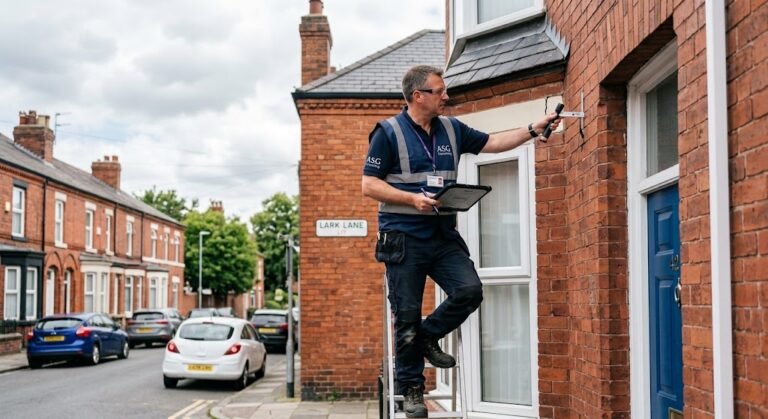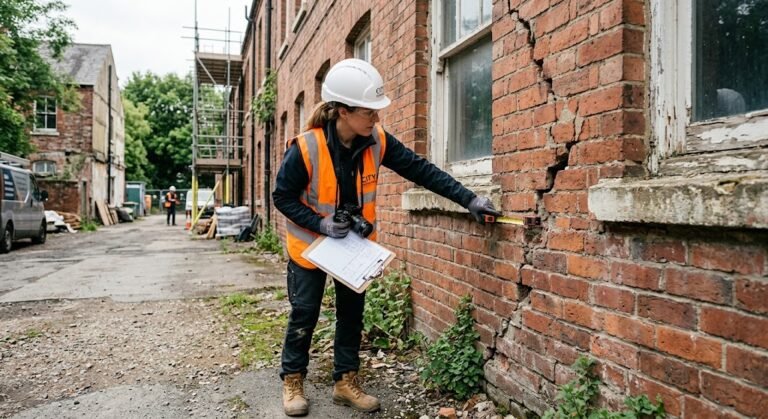
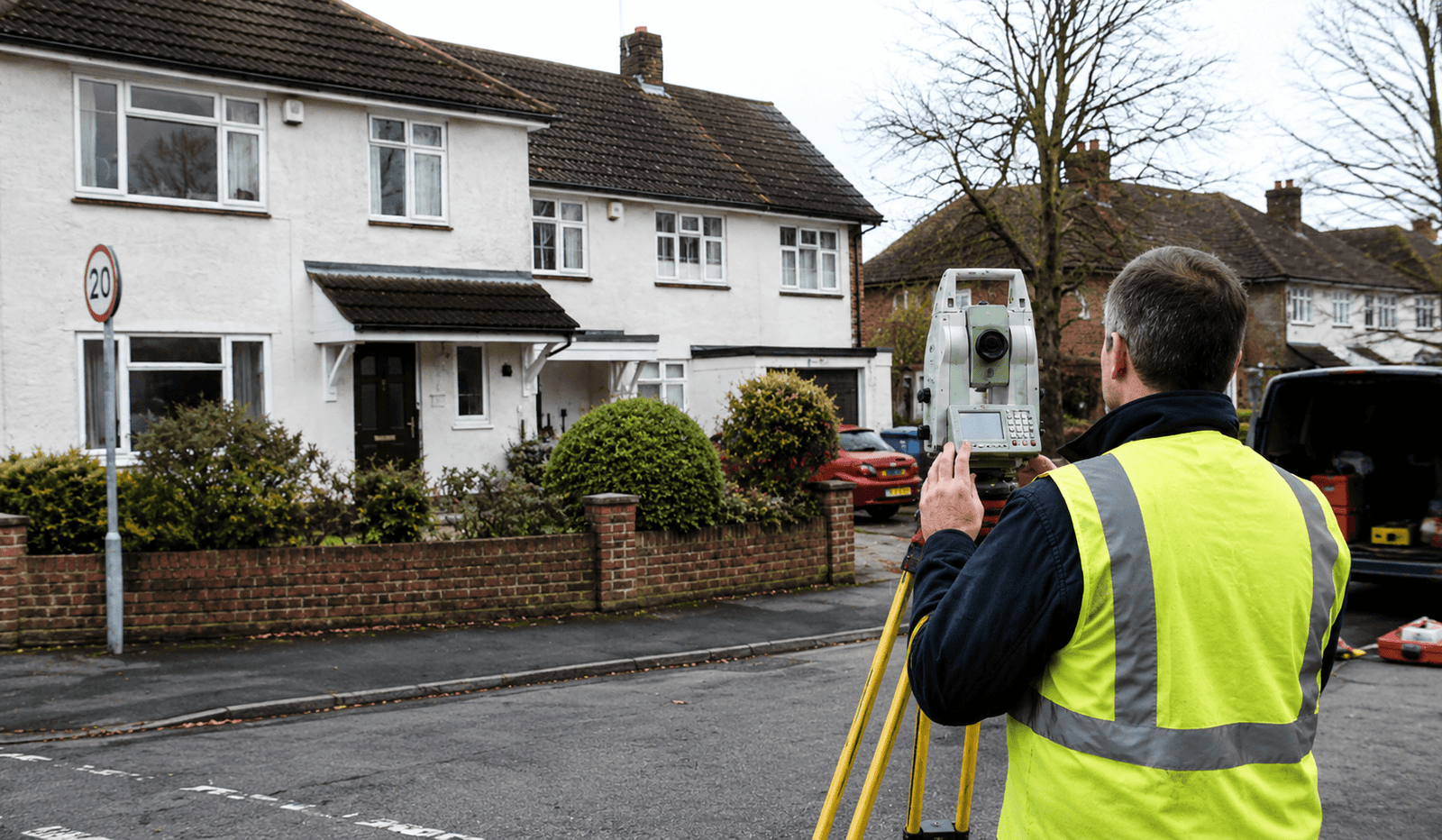
A residential building survey is a professional inspection of a property’s condition, its structure, roof, damp levels, and services carried out by a qualified surveyor before you commit to buying. In the UK, surveys follow the RICS Home Survey Standard and come in three levels, with Level 3 (the full Building Survey) being the most detailed. For buyers in Liverpool, where a large share of homes are Victorian and Edwardian terraces built more than a century ago, a survey is less of a formality and more of a necessity.
Buying a house is supposed to feel exciting. And it does right up until you start wondering what’s actually going on behind the plaster of that lovely bay-fronted terrace in Aigburth. Surveyors across Merseyside will tell you the same story again and again: the properties that look the most finished on viewing day are often the ones hiding the most expensive problems.
This guide explains what a residential building survey covers, which RICS level suits which type of Liverpool property, what it costs, and how to choose a surveyor you can trust.
What Is a Residential Building Survey?
A residential building survey is an independent assessment of a home’s physical condition, carried out by a qualified surveyor, usually a member of the Royal Institution of Chartered Surveyors (RICS) or the Residential Property Surveyors Association (RPSA). The surveyor inspects the structure, roof, walls, floors, damp, timber, insulation, and visible services, then produces a written report grading each element by condition and urgency.
It is not the same as a mortgage valuation. A valuation exists to reassure your lender that the property is worth the loan. It tells you almost nothing about the condition of the building. Plenty of Liverpool buyers have learned that distinction the hard way: a valuation can sail through on a house that later needs a five-figure roof repair.
What Are the RICS Survey Levels and Which One Do You Need?
The RICS Home Survey Standard defines three levels of survey. Choosing the right one depends on the age, construction, and condition of the property, not on price alone.
| Survey Level | Best Suited To | What You Get | Typical Cost (UK) |
| Level 1 (Condition Report) | Modern, conventionally built homes in good condition | Traffic-light condition ratings; no advice or valuation | £300–£500 |
| Level 2 (Home Buyer Report) | Conventional properties in reasonable condition, roughly post-1930 | Condition ratings plus advice on defects and maintenance | £400–£700 |
| Level 3 (Building Survey) | Older, larger, altered, or visibly defective properties | Detailed structural analysis, defect causes, repair guidance | £600–£1,200+ |
For much of Liverpool’s housing stock, Level 3 is the sensible default. The city’s classic pre-1919 terraces, the streets of Waver tree, Anfield, Toxteth, Kensington, and the grander Victorian villas of Mossley Hill and Sefton Park, were built with solid brick walls, lime mortar, timber floors, and Welsh slate roofs. These are durable materials, but after a century of weather, alterations, and variable maintenance, they demand a surveyor who looks properly rather than glances.
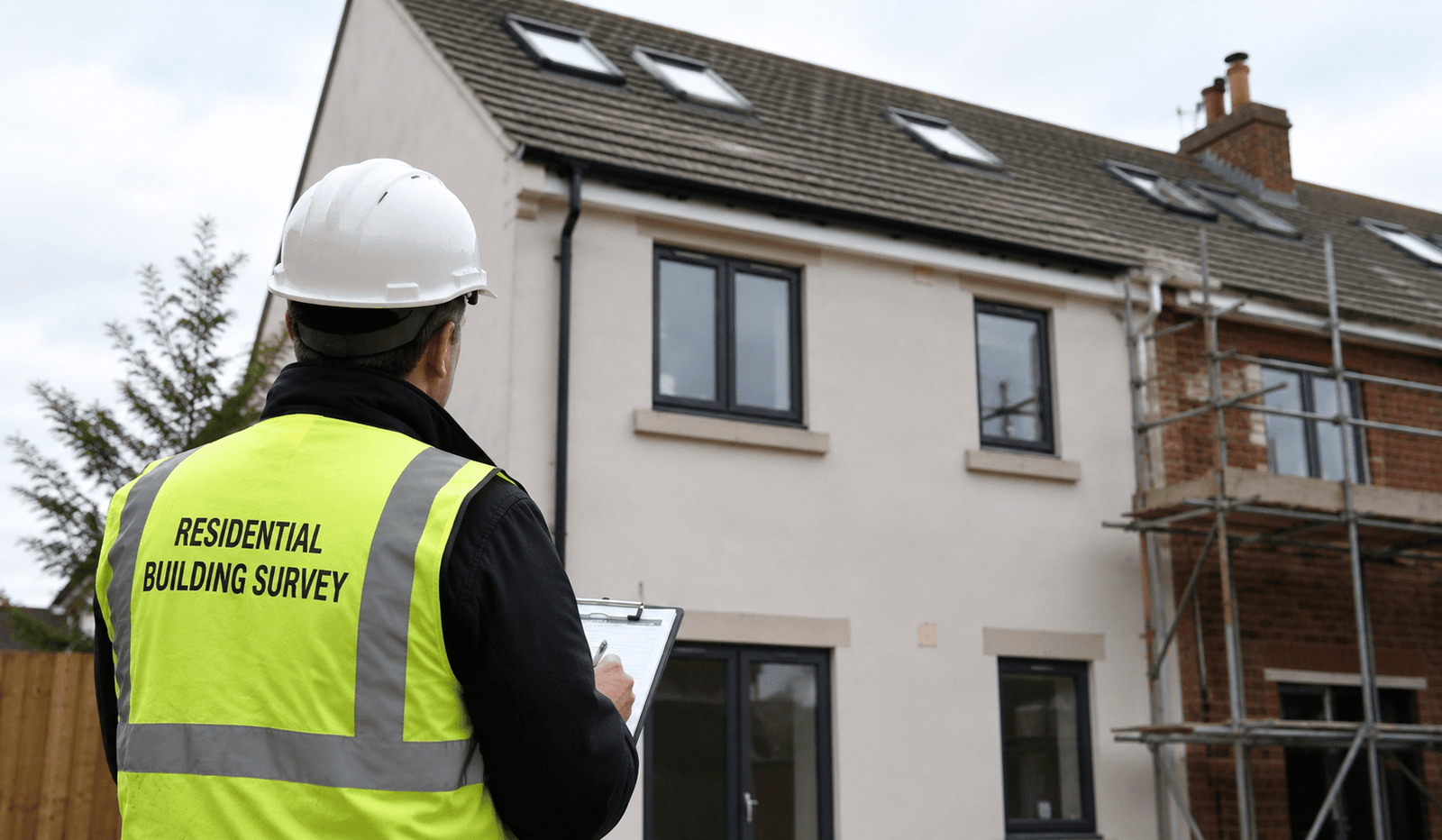
A newer build in somewhere like Liverpool One’s surrounding developments or a 1990s estate in Croxteth, in good condition, may only need a Level 2.
What Does a Level 3 Building Survey Cover?
A thorough Level 3 survey in a Liverpool property typically examines:
Structure and movement. Foundations (as far as visible), load-bearing walls, lintels, and any cracking or settlement. Many older Merseyside terraces show historic movement that stabilised decades ago; a good surveyor distinguishes that from active structural problems needing engineering input.
Roof and chimneys. Slate condition, flashing, valleys, and chimney stacks. Original Welsh slate roofs on Victorian terraces are often approaching or past the end of their serviceable life, and full reroofing is one of the highest single costs a buyer can inherit.
Damp and timber. Rising damp, penetrating damp, and condensation are the most common findings in Liverpool’s older solid-wall housing, which was never built with a modern cavity or damp-proof course in mind. Surveyors also check floor timbers and roof timbers for rot and beetle activity.
Services. The age and visible condition of electrics, plumbing, heating, and drainage. Original or 1960s-era wiring still turns up in unmodernised terraces and is a rewire waiting to happen.
Alterations and extensions. Removed chimney breasts without proper support, knocked-through rooms, and loft conversions done without building regulations approval are recurring themes in the local market.
A report worth paying for doesn’t just list findings it explains them. Minor settlement cracking consistent with a property of this age and active movement requiring a structural engineer’s assessment before exchange are two very different sentences, and the difference between them can be tens of thousands of pounds.
How Much Does a House Survey Cost in Liverpool?
For a typical Liverpool terrace or semi, expect roughly £400–£700 for a Level 2 Home Buyer Report and £600–£1,000 for a Level 3 Building Survey, rising for larger period properties in areas like Calderstones or Blundellsands. Exact fees depend on the property’s size, age, and sale price, so always get two or three quotes.
Put that against the alternative. A full reroof on a terrace commonly runs into five figures. Serious damp remediation, structural repairs, or a rewire each cost several thousand pounds at minimum. A survey isn’t an added expense on the transaction it’s the cheapest insurance you’ll ever buy on the largest purchase you’ll ever make. And in England and Wales, unlike some other markets, the buyer carries the entire risk: caveat emptor applies, and once you’ve exchanged contracts, the problems are legally yours.
Why Liverpool Buyers in Particular Shouldn’t Skip the Survey
Liverpool has some of the oldest housing stock in England, with a substantial proportion of homes built before 1919. Age alone isn’t a defect; many of these houses will comfortably outlast anything built today, but it changes what due diligence means.
One surveyor’s story that has stuck with me while researching this piece: a terrace that presented immaculately fresh paint, staged furniture, not a crack in sight. It wasn’t until the sub-floor void was opened that moisture damage was found working through the floor joists, invisible from anywhere a normal viewing would take you. The buyer renegotiated the price on the spot. That’s the entire value of a survey in one story: what you can’t see is exactly what can hurt you most.
In a competitive market, buyers are sometimes tempted to skip or rush the survey to make an offer look stronger. The pressure is understandable. But the buyers who regret it most are the ones sitting with a repair quote six months after completion, looking at a bill that would have been a simple negotiating point before exchange and is now entirely their problem to solve.
How Do You Choose a Good Surveyor in Liverpool?
Three checks matter more than anything else:
- Verify accreditation. Look for RICS membership (MRICS or FRICS) or RPSA membership. You can confirm RICS membership directly on the RICS Find a Surveyor register; never take a logo on a website at face value.
- Check local experience. A surveyor who regularly inspects Victorian terraces and 1930s semis across Merseyside will read the local housing stock far better than a generalist parachuted in from elsewhere.
- Read reviews for substance, not stars. The most useful reviews aren’t the five-star great service ones. They’re detailed accounts from buyers whose surveyor caught a specific issue, explained it clearly, or was willing to walk the property with them and talk through the findings in person rather than just emailing a PDF and disappearing.
Ask up front whether the surveyor will take a phone call after the report lands. The best ones treat that conversation as part of the job.
What Should You Do If the Survey Finds Problems?
Most survey findings are not deal-breakers. Reports grade issues by urgency, and the majority fall into maintain and monitor territory. When something serious does appear, you generally have four options: renegotiate the price to reflect the repair cost, ask the seller to fix it before exchange, commission a specialist report (structural engineer, damp specialist, roofer) for a precise figure, or rarely walk away.
Whichever way it goes, you’re deciding with clear eyes instead of crossed fingers. Even a report full of amber warnings is better than the silence of not knowing.
FAQs
What’s the difference between a survey and a mortgage valuation?
A mortgage valuation protects the lender and confirms the property is adequate security for the loan. A residential building survey protects you and reports on the actual condition of the building. You need the survey; the valuation comes with the mortgage anyway.
Is a Level 3 survey worth it on a Liverpool terrace?
Usually, yes. Most Liverpool terraces are over 100 years old with solid walls, timber floors, and slate roofs, exactly the construction the Level 3 Building Survey is designed for. The extra £200–£400 over a Level 2 is trivial against the cost of a missed structural or damp issue.
How long does a survey take?
The inspection itself typically takes two to four hours for a Level 3 on a terraced or semi-detached house, with the written report usually delivered within three to five working days.
Can I use the survey to renegotiate the price?
Yes, and it happens constantly. A survey identifying, say, £8,000 of necessary roof and damp work gives you documented evidence to reduce your offer or ask the seller to remedy the issues before exchange.
Does the survey cover electrics and gas?
A surveyor visually assesses the age and apparent condition of services but does not test them. If the survey flags concerns, commission an EICR (electrical installation condition report) and a Gas Safe inspection before exchange.
When should I book the survey?
As soon as your offer is accepted. In England, nothing is binding until exchange of contracts, so the survey needs to happen and any renegotiation needs to conclude during the conveyancing window.
About the Author
Ali is a content strategist and researcher specialising in property and homebuying topics. He writes practical, well-sourced guides that help UK buyers understand surveys, inspections, and property condition before they commit to a purchase. His work draws on the published RICS Home Survey Standard and guidance from RPSA and the UK government’s homebuying resources.
Technical accuracy note: readers should confirm survey scope and fees directly with a RICS- or RPSA-accredited surveyor, as inspection terms vary by firm and property.