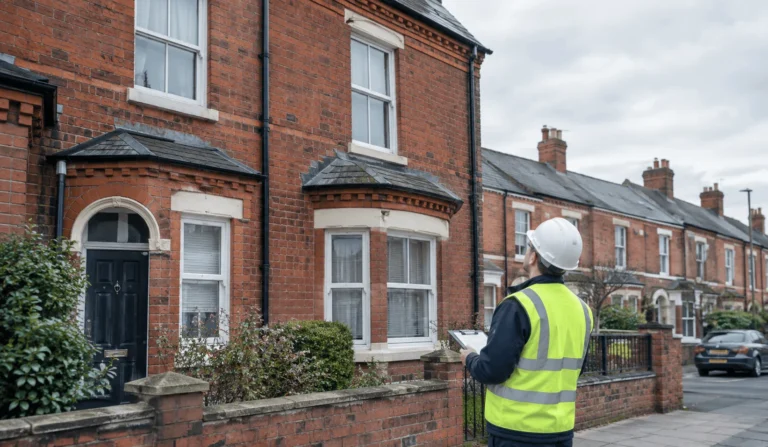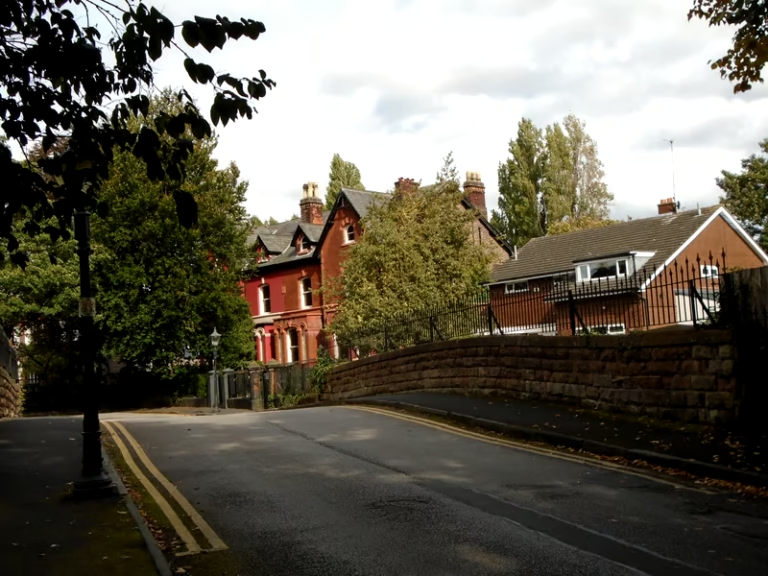
Buying a home in Liverpool often means buying an older one, and that is exactly why a house survey in Liverpool matters so much. Rows of Victorian terraces, grand Georgian townhouses, 1930s semis and converted dock warehouses all age in very different ways. A survey that is right for one can miss the real risks in another.
Most guides stop at explaining RICS Level 1, 2 and 3. This one goes a step further. It walks through the main types of home you will find across Liverpool and Merseyside, the defects our chartered surveyors at ASG Consulting look for in each, and the survey level that usually suits them.
Whether you are a first-time buyer in Anfield, moving up to a villa near Sefton Park, or simply want to understand the condition of the home you already own, this guide will help you book the right survey and read the report with confidence.
Why Liverpool Homes Need a Property-Specific House Survey Liverpool
Liverpool’s housing is older and more varied than most UK cities. A generic checklist will not tell you whether the cracks in a terrace are harmless settlement or the first sign of a failing lintel. The type of home should shape both the survey you book and what the surveyor focuses on.
Liverpool’s Housing Stock at a Glance
A few figures show why local knowledge counts:
- Close to six in ten homes in Liverpool sit in Council Tax Band A, compared with fewer than a quarter across England and Wales (Valuation Office Agency data, published by Liverpool City Council).
- The median terraced house in Liverpool sold for around £150,000, against £240,000 across England and Wales (ONS, year to March 2025).
- The city has 36 conservation areas, covering about 9% of its land and roughly 19,000 properties.
Lower purchase prices make the survey even more valuable, not less. A £15,000 bill for a new roof and damp repairs is about 10% of the price of a typical Liverpool terrace. Finding that out before you exchange contracts gives you real room to negotiate.
Which RICS Home Survey Level Suits Your Liverpool Property?
All RICS-regulated surveyors work to the same three levels. Here is how they usually match up with Liverpool homes:
| Survey level | Best suited to | Typical Liverpool examples |
|---|---|---|
| Level 1 (Condition Report) | Newer, conventional homes in good condition | Recent new builds, modern apartments |
| Level 2 (Home Survey, formerly the HomeBuyer Report) | Conventional homes in reasonable condition, with or without a valuation | 1930s semis, well-kept post-war houses, modernised terraces |
| Level 3 (Building Survey, sometimes called a full building survey) | Older, larger, altered, listed or neglected homes | Victorian terraces, Georgian townhouses, period villas, warehouse conversions |
If you are buying a conventional home in decent condition, a homebuyer survey in Liverpool is often the right balance of detail and cost. For anything older or altered, a Level 3 building survey is the safer choice.
House Survey Liverpool Guide: What Surveyors Find in Each Type of Home
Every building type has its own weak spots. Below are the homes we inspect most often across the city, and what a good property survey in Liverpool should be looking for in each.
Victorian and Edwardian Terraces
Terraced streets in Kensington, Anfield, Walton, Wavertree and Toxteth make up a large share of the homes sold in Liverpool. They are solidly built but are now well over a century old.
What we commonly find:
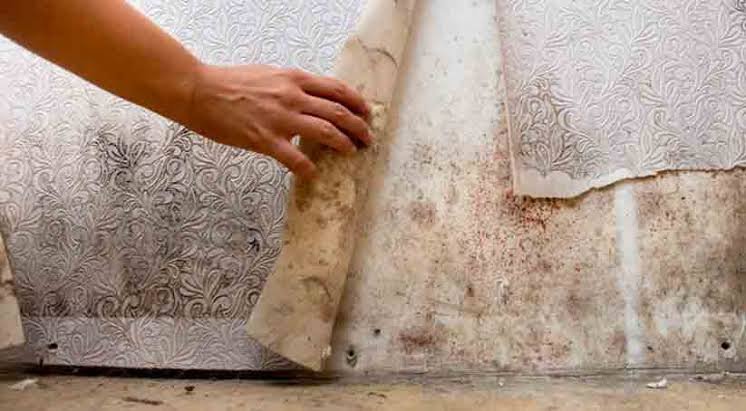
- Damp in solid brick walls. Most terraces have no cavity, so moisture moves through the masonry. Past “fixes” such as injected damp-proof courses and hard cement plaster can trap water rather than cure it. Our damp and timber surveys look at the cause, not just the meter reading.
- Rear outriggers. The narrow back extension often moves separately from the main house, and its roof and wall junctions are frequent leak points.
- Chimney breasts removed below. Stacks left in place without proper steel support are a structural concern that buyers often cannot see.
- Tired slate roofs. Original slates and fixings reach the end of their life, and heavier concrete tiles added later can overload old timbers.
- Cellars. Many Liverpool terraces have them. We check ventilation, damp and the condition of the timber floor above.
Survey we usually recommend: Level 3, or Level 2 if the home has been fully and recently modernised.
Georgian Townhouses and Listed Homes
Around Canning Street, Rodney Street and the Georgian Quarter, many homes are listed or sit within a conservation area. These are beautiful buildings, but the rules and the repair costs are different.
What we commonly find:
- Cement repointing and render on walls that were built to breathe with lime.
- Hidden valley gutters behind parapets that block and leak into the top floor.
- Timber decay in lintels, floor joist ends and sash windows.
- Past alterations made without listed building consent, which can become the new owner’s problem.
Conservation area status can also limit what you change. Some areas carry Article 4 directions, which means alterations to the outside of a home may need planning permission. You can check whether a property is affected using Liverpool City Council’s conservation area map.
Survey we usually recommend: Level 3, carried out by a surveyor experienced with period and listed buildings.
Victorian Villas Around Sefton Park and Mossley Hill
The large detached and semi-detached villas around Sefton Park, Princes Park, Mossley Hill and Grassendale offer space and character. Many have since been split into flats.
What we commonly find:
- Mature trees close to the house, which can affect foundations on shrinkable soils.
- Bay windows that have dropped or pulled away from the main wall.
- Large, complex roofs with many valleys, dormers and chimneys to maintain.
- In conversions, gaps in fire separation, sound insulation and building control sign-off.
Survey we usually recommend: Level 3.
1930s Semis in Allerton, Childwall, Woolton and West Derby
Interwar semis are popular with families and are often in reasonable shape. They still have a familiar set of issues.
What we commonly find:
- Wall tie corrosion. Early steel ties in cavity walls rust and expand, causing horizontal cracks along the mortar joints.
- Bay window movement, often hidden under pebble-dash or render.
- Retrofitted cavity wall insulation that lets damp across to the inner wall on exposed elevations.
- Extensions and loft conversions that need checking against building regulations approval.
Survey we usually recommend: Level 2, moving up to Level 3 where the home has been heavily extended or altered.
Post-War and Former Council Homes
Post-war estates across Liverpool include many traditionally built brick houses, plus some homes built with non-traditional systems such as precast concrete or steel frames.
What we commonly find:
- Non-traditional construction. Some concrete house types are officially classed as defective, and lenders may refuse a mortgage unless they have been repaired under an approved scheme. Spotting the construction type early can save a wasted purchase.
- Materials that may contain asbestos, such as textured ceilings, soffits and garage roofs in older homes.
- Flat-roofed extensions and porches nearing the end of their life.
Survey we usually recommend: Level 2 for traditional brick houses; Level 3 or specialist advice for non-traditional construction.
City-Centre Apartments and Warehouse Conversions
Flats in the Baltic Triangle, the Ropewalks, the waterfront and around the docks are popular with first-time buyers and investors. The survey works differently here because you are buying part of a larger building.
What we commonly find:
- Limited access to roofs and shared areas, so the report will flag what could not be inspected.
- Condensation and ventilation problems, especially in older conversions with thick masonry walls.
- Leaking roof terraces, balconies and window seals.
- External wall questions. Lenders may ask for an EWS1 form on some blocks with cladding or balconies, so raise this with your solicitor early.
Survey we usually recommend: Level 2 for modern purpose-built blocks; Level 3 for warehouse and period conversions.
New Builds in Liverpool and Across Merseyside
New homes come with a warranty, but warranties do not cover everything and builders do not always catch their own mistakes.
What we commonly find:
- Poor finishing, such as gaps in mastic, uneven plaster and badly hung doors.
- Missing or poorly laid loft insulation.
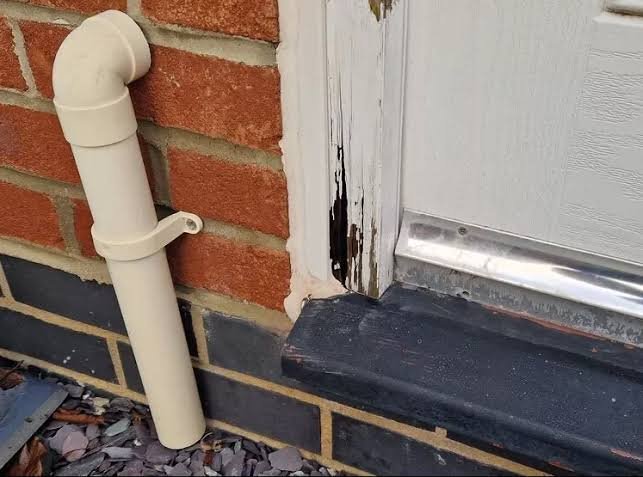
- Drainage, guttering and external levels that do not shed water properly.
Survey we usually recommend: Level 1 or a snagging inspection before you complete, ideally while the builder is still on site.
What Happens During a House Survey in Liverpool?
Most buyers book their survey as soon as their offer is accepted. Your surveyor arranges access with the estate agent or seller, then carries out a visual, non-invasive inspection of the home.
What the Surveyor Checks
- Roof coverings, chimneys, gutters and downpipes, viewed from the ground and from inside the loft where safe.
- External walls, windows, doors and any signs of movement or cracking.
- Damp readings to walls and floors, plus ventilation and condensation risks.
- Floors, ceilings, staircases and internal walls.
- A visual check of the heating, electrics, plumbing and drainage, with referrals to specialists where needed.
- Boundaries, outbuildings, trees and anything nearby that could affect the property.
A Level 2 inspection usually takes a few hours. A Level 3 building survey on a larger period home can take most of a day.
What a House Survey Cannot See
Surveyors do not lift fitted carpets or floorboards, move heavy furniture or open up walls. If something is hidden, the report will say so and may recommend further investigation. Knowing those limits is part of reading the report properly.
House Survey vs Mortgage Valuation
Your lender’s valuation is not a house survey. It is carried out for the lender, to confirm the home is good security for the loan. It does not tell you about the condition of the building or what repairs to expect.
How Much Does a House Survey Cost in Liverpool?
According to comparison site reallymoving, the average RICS Level 2 survey in Liverpool costs around £445, and the average Level 3 building survey around £595. Your own quote may be higher or lower.
What Affects the Price
- The survey level you choose, and whether you add a valuation.
- The size, age and value of the property.
- How complex the building is, such as conversions, cellars or listed status.
- Access, for example a top-floor flat or a home with no loft hatch.
On a £150,000 terrace, a Level 3 survey costs well under 1% of the purchase price. One overlooked repair can easily cost many times that.
How to Choose a Residential Surveyor in Liverpool
The right surveyor matters as much as the right survey level. Before you book, check these five things:
- RICS regulation. Choose a RICS chartered surveyor working for a RICS-regulated firm, so the report follows the Home Survey Standard.
- Local experience. A surveyor who regularly inspects Liverpool terraces, period villas and dock conversions knows where problems tend to hide.
- A sample report. Ask to see one so you know the level of detail and how clearly defects are explained.
- Access to specialist advice. If the survey finds cracking or movement, it helps when structural engineering support is available in the same team.
- A follow-up call. A good surveyor will talk you through the findings, not just send a PDF.
At ASG Consulting, our residential building surveying team carries out RICS home surveys across Liverpool and Merseyside, with in-house structural engineering expertise when a report needs a closer look.
What to Do If Your Liverpool House Survey Finds Problems
Almost every survey on an older Liverpool home will flag something. That does not mean you should walk away. It means you now know what you are buying.
- Read the condition ratings. Level 2 and Level 3 reports use ratings of 1, 2 and 3. Focus first on anything rated 3, which needs repair or investigation urgently.
- Ask your surveyor questions. Clarify how serious each issue is and what it is likely to involve.
- Get quotes from contractors. Real figures carry far more weight in a negotiation than guesses.
- Commission specialist reports where advised, such as a structural engineer, a drainage CCTV survey or an electrical inspection.
- Renegotiate or ask the seller to repair. Share the relevant parts of the report and your quotes with the estate agent.
- Be ready to walk away if the cost or risk is more than you are comfortable with.
House Survey Liverpool: Frequently Asked Questions
Do I legally need a house survey to buy a home in Liverpool?
No. A survey is not a legal requirement, and your lender’s valuation is not a substitute for one. For older Liverpool homes, though, skipping the survey is a real financial risk.
Which survey do I need for a Victorian terrace in Liverpool?
In most cases a Level 3 building survey. A Level 2 can be enough if the terrace has been fully modernised and shows no obvious defects.
Is a RICS Level 2 survey enough for a Liverpool city-centre flat?
Usually, for a modern purpose-built block. For a warehouse or period conversion, a Level 3 gives you a much clearer picture of the building’s condition.
Can a surveyor tell me if a property is in a conservation area?
Your surveyor will flag it if they are aware of it, and your solicitor’s local searches will confirm it. You can also check the council’s online map before you make an offer.
How long does it take to get my survey report?
The inspection itself takes from a few hours to most of a day. The written report usually follows within a few working days.
Do you carry out house surveys outside Liverpool?
Yes. ASG Consulting carries out house surveys across Merseyside and the wider North West of England.
Book Your House Survey in Liverpool with ASG Consulting
Every Liverpool home tells a different story, from a Kensington terrace to a converted dockside warehouse. The right house survey reads that story before you commit to buying it.
ASG Consulting is a RICS-regulated building surveying and construction consultancy serving homebuyers and homeowners across Liverpool, Merseyside and the North West. Tell us about the property you are buying and we will recommend the survey level that suits it. Contact ASG Consulting today for a quote.