There’s a moment every commercial property buyer knows too well: standing outside a building you’re about to invest hundreds of thousands, maybe millions of dollars into wondering what’s hiding behind the walls. I’ve watched that exact expression cross a client’s face more times than I can count: equal parts excitement and dread. That’s the gap a good commercial building surveys exists to close.
This isn’t just about ticking a compliance box. It’s about walking into a deal with your eyes open instead of crossed fingers.
What a Commercial Building Surveyor Actually Does
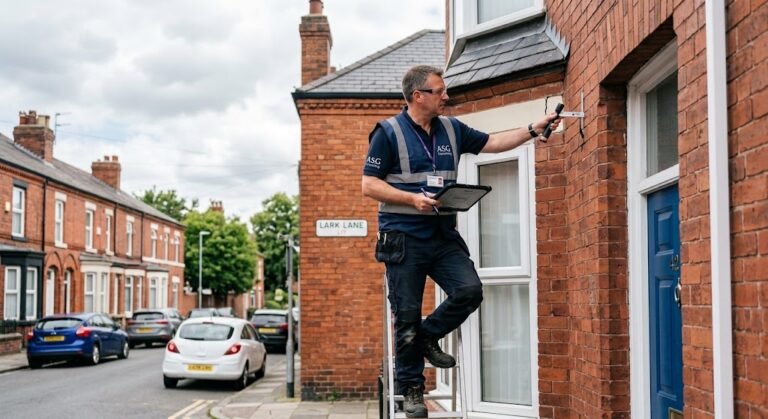
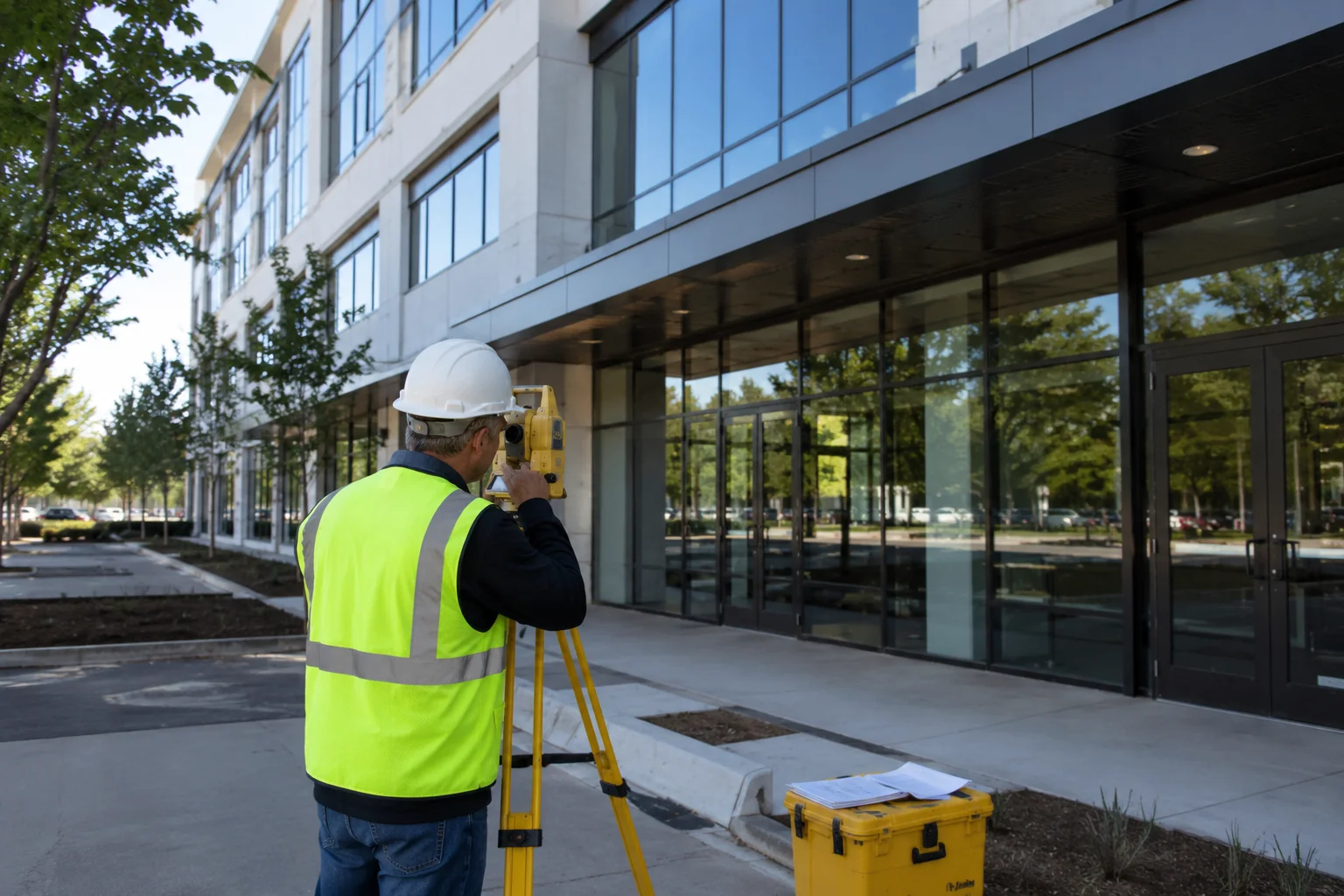
A commercial building surveyor inspects a property’s structure systems and overall condition before it changes hands, gets refinanced or undergoes major renovation. That includes the roof foundation HVAC systems electrical infrastructure drainage and anything else that could turn into a six-figure surprise a year down the line.
I remember one warehouse inspection early in my career where everything looked fine from the parking lot. New paint tidy landscaping a freshly resurfaced lot. But once we got up into the roof void we found water damage that had been quietly spreading for years hidden behind a recently patched ceiling. The buyer walked away from that deal and thanked us for it eighteen months later when the seller’s next buyer discovered the same issue mid-renovation.
That’s the value a surveyor for commercial property brings. Not just a report. Real protection.
Why Commercial Property Surveyors Matter More Than People Realise
Residential surveys get most of the public attention but commercial property carries a different scale of risk entirely. A structural issue in a small office building doesn’t just affect one family, it can disrupt dozens of tenants, halt operations or derail a business’s entire growth plan.
Commercial building surveys are trained to look at buildings the way an engineer, an insurer and a long-term owner would all look at them simultaneously. They’re not just checking whether a building is safe today. They’re assessing how it will hold up under five ten twenty years of use, weather and wear.
I’ve worked with retail chain buyers who assumed a surveyor was a formality their lender required. By the end of the inspection most of them realised it was the single most useful document in the entire transaction, more useful honestly than the appraisal.
The Role of Commercial Structural Engineers
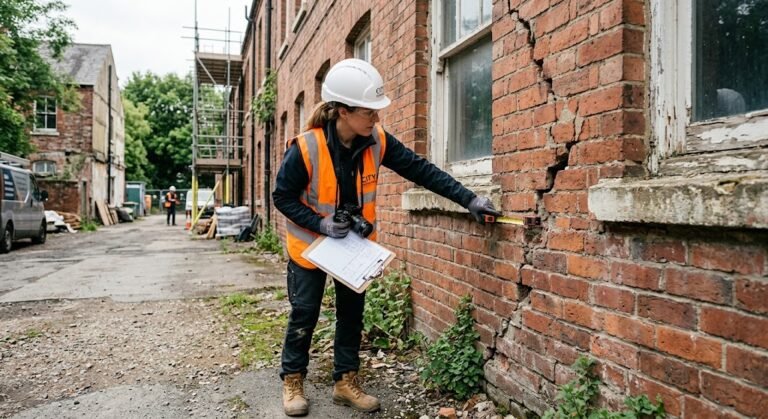
Sometimes a general survey uncovers something that needs a deeper look and that’s where commercial structural engineers come in. If a surveyor spots cracking in a load-bearing wall, unusual settlement or signs of foundation movement bringing in a structural engineer for a focused assessment isn’t overkill, it’s due diligence done right.
A good commercial structural engineer doesn’t just confirm there’s a problem. They tell you why it’s happening, whether it’s progressing and what it will realistically cost to fix. That distinction matters enormously when you’re negotiating price or deciding whether a deal is even worth pursuing.
I’ve seen buyers save six figures in negotiations simply because a structural engineer’s report gave them hard numbers to bring to the table instead of vague concerns.
What a Commercial Survey Actually Involves
A typical commercial survey covers far more ground than most people expect. It usually includes:
- Structural assessment: foundations load-bearing walls roof structure
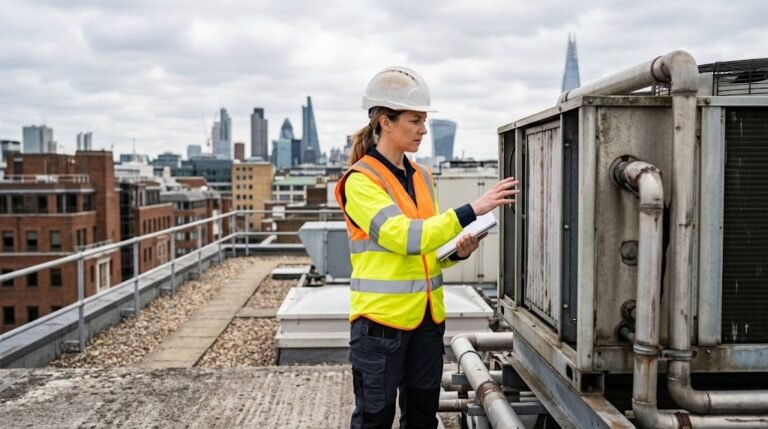
- Building services review: electrical plumbing HVAC fire safety systems
- Exterior condition: cladding windows drainage and site drainage
- Compliance check: ADA accessibility fire codes and local building regulations
They aren’t a quick walk-through with a clipboard. A thorough one can take anywhere from a few hours to a full day depending on the commercial building surveys and complexity of the property followed by a detailed written report with photographic evidence and cost estimates for any issues found.
Finding the Right Commercial Surveyor Near Me
If you’ve searched for a commercial building surveys near me you’ve probably noticed the results range from large national firms to independent chartered professionals. Here’s what actually separates a great commercial surveyor from a mediocre one:
Relevant credentials. Look for recognised professional certification in the U.S. that often means affiliation with bodies like the American Society of Home Inspectors (for smaller commercial properties) or a licensed professional engineer for structural assessments on larger buildings.
Sector-specific experience. A surveyor who’s spent years inspecting retail units understands different risks than one focused on industrial warehouses or office towers. Ask about their specific experience with your property type.
Clear actionable reporting. A report full of jargon and vague caveats isn’t useful. The best surveyors write findings you can actually act on prioritised issues, realistic cost ranges and a clear sense of urgency for each item.
Willingness to walk the property with you. The surveyors I trust most are the ones happy to walk the site with the buyer after-ward and explain findings in person, not just email a PDF and disappear.
Structural Survey for Commercial Property: When You Need One
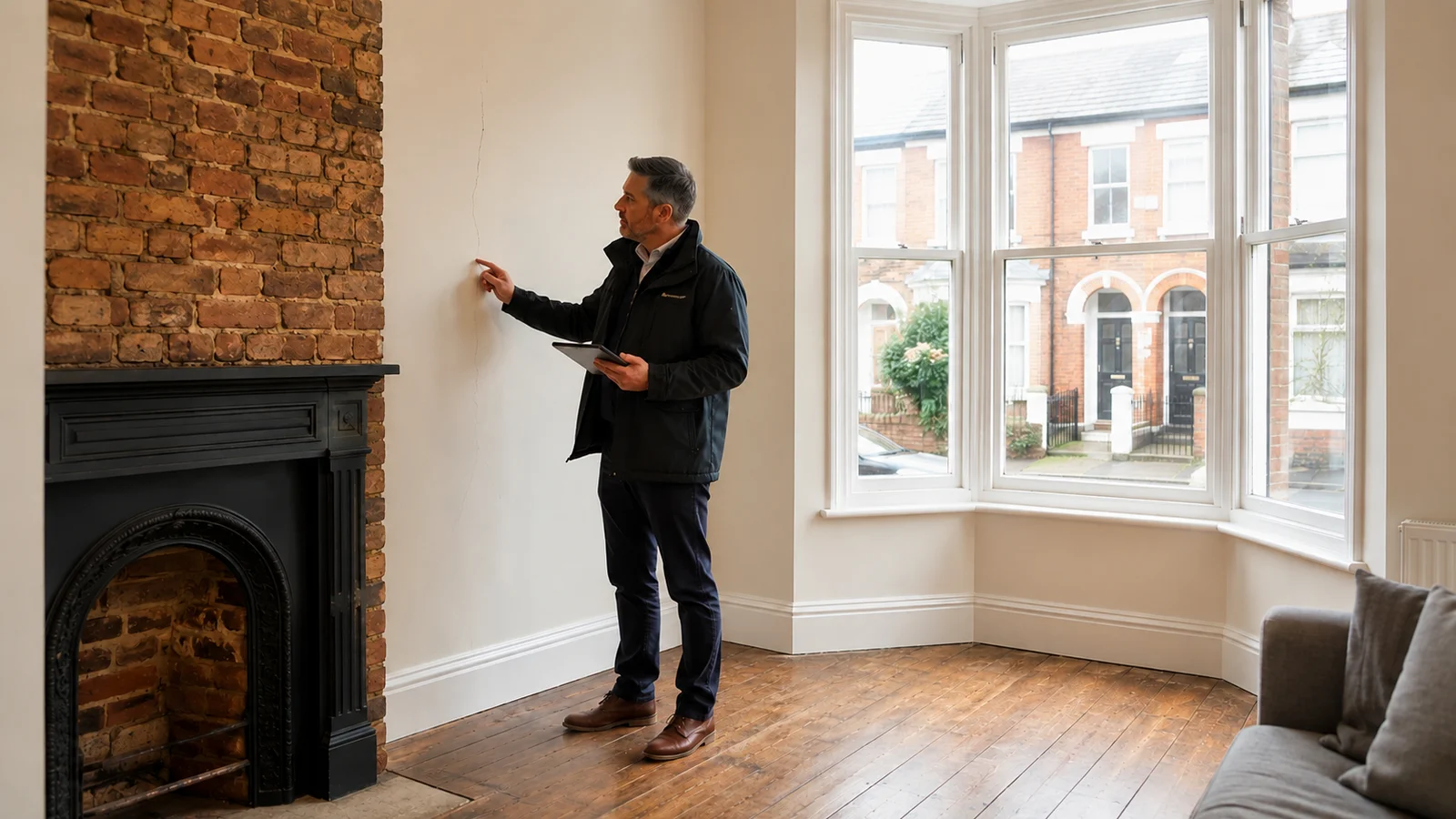
Not every transaction requires a full structural survey but certain situations make it non-negotiable. If the building is older than 30 years has visible cracking or settlement has undergone previous renovations without clear documentation or sits in an area with known soil or flood risk a structural survey for commercial property isn’t optional caution it’s basic protection.
I’ve had clients skip this step to save a few thousand dollars only to discover foundation issues costing well into six figures after closing. The math on due diligence almost always favours spending the money upfront.
The Human Side of a Technical Decision
It’s easy to talk about surveys purely in terms of reports, checklists and compliance. But behind every commercial property deal is an entrepreneur betting their savings on a new location, a family business expanding for the first time, an investor trying to protect a retirement portfolio. The technical work matters because the stakes behind it are deeply personal.
Every inspection I’ve done no matter how routine it looked on paper mattered enormously to the person who commissioned it. That’s the part that doesn’t show up in the report, the relief when someone finally has real answers instead of guesses.
Final Thoughts
Hiring isn’t just a step in a transaction checklist. It’s how you turn uncertainty into informed decision-making and anxiety into genuine confidence. Whether you’re evaluating a warehouse or a commercial building surveys, iterating on a retail unit or bringing in commercial structural engineers to investigate a specific concern, the right professional gives you something no amount of optimism can: clarity you can actually stand on.
Choose someone with real credentials, relevant experience and a track record of straightforward honest reporting. That’s peace of mind genuinely built in.
FAQs
What’s the difference between a commercial building surveyor and a home inspector?
While both assess a property’s condition, commercial building surveys work at a different scale entirely. They evaluate multi-tenant risk, structural load capacity, fire and life-safety systems, and long-term wear across systems that serve dozens or hundreds of occupants rather than a single household.
How long does a commercial property survey take?
It depends on the size and complexity of the building, but most surveys take anywhere from a few hours to a full day on-site. Larger properties, older buildings, or ones with previous renovation history may require follow-up visits.
Do I need a structural survey if the general commercial survey didn’t flag anything major?
Not necessarily, but it’s worth considering if the building is older than 30 years, has undergone undocumented renovations, or sits in an area with known soil or flood risk. A general surveyor may spot early warning signs of settlement or cracking.
How much does a commercial building surveys cost?
Costs vary widely based on property size, age, location and the depth of the inspection required. As a rule of thumb, the cost of a survey is minor compared to the risk of skipping one; buyers who forgo this step have ended up facing six-figure repair bills after closing.
Can a commercial building surveys affect my ability to negotiate the purchase price?
Yes, often significantly. A detailed report with photographic evidence and cost estimates gives buyers hard data to bring to negotiations, rather than vague concerns.
What credentials should I look for in a commercial surveyor?
Look for recognised professional certification relevant to the property type for smaller commercial building surveys, affiliation with a body like the American Society of Home Inspectors is a good signal; for structural work on larger buildings,
Is a commercial survey required, or just recommended?
Lenders often require some form of survey as part of financing, but even when it’s not mandatory, skipping it is a risk few experienced buyers are willing to take.