Most people think of a property survey in Liverpool as something you book once, when you buy a house. In reality, owners, landlords, investors and sellers need surveys at many other points: when a crack appears, when a neighbour starts building work, when a tenant reports damp, or before you add another flat to your portfolio.
The trouble is that “property survey” covers a lot of very different reports. Booking the wrong one wastes money and can leave the real question unanswered.
This guide from ASG Consulting matches common Liverpool situations to the right type of survey, so you can see at a glance what you need, why, and what it will tell you.
Which Property Survey Do You Need? Quick Guide
| Your situation | Survey to consider |
|---|---|
| Buying a conventional home in reasonable condition | RICS Level 2 home survey |
| Buying an older, larger or altered home | RICS Level 3 building survey |
| A crack, damp patch or other single problem in your home | Specific defect report, or a structural engineer’s inspection |
| Roof or chimney problems that are hard to reach | High-level drone survey |
| Planning an extension or loft conversion | Measured building survey |
| A neighbour is about to start building work | Schedule of condition |
| A tenant has reported disrepair | Housing disrepair survey |
| Buying a rental property or adding to a portfolio | Pre-acquisition survey |
| Selling and want to avoid surprises | Pre-sale condition survey or specific defect report |
The sections below explain each one in more detail.
Property Surveys for Buyers in Liverpool
If you are buying, you will usually choose between two RICS survey levels:
- Level 2 suits conventional homes in reasonable condition and can include a market valuation.
- Level 3 suits older, larger, altered or neglected homes and goes into more detail on defects and repairs.
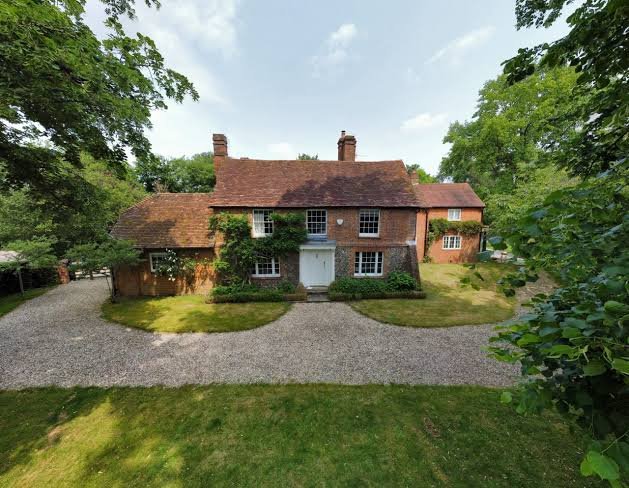
With so many Victorian and Edwardian homes across Liverpool, Level 3 is often the safer choice for older terraces and period properties. Our residential building surveying service covers both levels, and we will advise which one fits the home you are buying.
Property Surveys for Liverpool Homeowners
You do not need to be moving to need a surveyor. These are the surveys homeowners most often book.
Specific Defect Reports
When one problem needs a proper answer, such as a new crack, a damp patch, a sagging ceiling or a musty smell, a specific defect report focuses on that issue alone. The surveyor investigates the cause, explains how serious it is and recommends a fix. It is usually quicker and cheaper than a full building survey, and it stops you paying a contractor to treat the symptom rather than the cause.
Structural Engineering Inspections
If the problem is cracking, bulging walls or movement, you may need a structural engineer rather than a surveyor alone. A structural inspection assesses whether the building is stable, what is causing the movement, and what repairs are needed. It is also what insurers and mortgage lenders often ask for when movement is suspected.
High-Level Drone Surveys
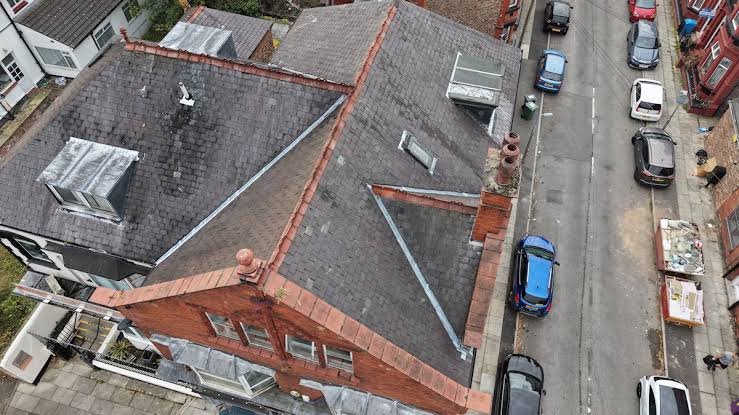
Roofs, chimneys and gutters on Liverpool’s taller terraces and villas are hard and expensive to inspect up close. A drone survey captures detailed images without scaffolding, so you can see the condition of slates, flashings and stacks before deciding whether repairs are needed.
Measured Building Surveys
Planning an extension, loft conversion or internal remodel? A measured survey produces accurate floor plans and elevations of your existing home. Architects and designers use these as the starting point for drawings, which helps avoid costly mistakes later.
Damp and Timber Investigations
Damp is one of the most common problems in Liverpool’s older, solid-walled homes. A specialist investigation identifies whether the cause is rising damp, penetrating damp, condensation or a leak, so you can fix the real problem.
When Your Neighbour Is Building: Schedules of Condition
Terraced and semi-detached homes share walls, and Liverpool has a great many of both. When the house next door is having an extension, a basement dig or major alterations, there is a real risk of cracking or damage to your property.
A schedule of condition is a detailed, dated record of your home’s condition before the work starts, usually with photographs. If damage appears later, it gives you clear evidence of what was there before, which makes it much easier to agree who should put it right.
Schedules of condition are also useful for tenants and landlords at the start of a commercial or residential lease. Our schedules of condition page explains how we prepare them.
Property Surveys for Liverpool Landlords
Private renting is a big part of Liverpool’s housing. Liverpool City Council says the private rented sector now accounts for around 32% of homes in the city, and it has used landlord licensing to drive up standards since 2015.
Liverpool’s Landlord Licensing Is Changing
The current selective licensing scheme began in April 2022, covers around 80% of the city’s privately rented homes, and is due to end in March 2027. In 2026 the council consulted on what should replace it, with three options ranging from a 26-ward scheme focused on poor property conditions up to a citywide scheme covering all 64 wards. The consultation closed on 5 October 2026, recommendations are due to go to the council’s Cabinet later in 2026, and any new scheme would run from 2027 to 2032. You can follow the details on the council’s selective licensing consultation page.
Whatever the outcome, licensing comes with conditions on property management, condition and tenant safety. A periodic condition survey helps you stay ahead of problems rather than waiting for an inspection or a complaint.
Housing Disrepair Surveys
If a tenant reports damp, mould or other disrepair, or raises a disrepair claim, an independent survey establishes the facts: what the defects are, what is causing them and what work is needed. That evidence helps landlords and tenants resolve the issue fairly and get the right repairs done. Our housing disrepair surveys page explains how we approach these inspections.
Planned Maintenance
For landlords with several properties, regular condition surveys help you plan and budget for roofs, windows and other big-ticket repairs, rather than reacting to emergencies.
Property Surveys for Investors
Liverpool’s relatively low purchase prices and strong rental demand continue to attract investors from across the UK. But an attractive yield can disappear quickly if a property needs a new roof or has hidden structural problems.
A pre-acquisition survey looks at a property through an investor’s eyes. As well as condition, it considers:
- The likely cost and timing of major repairs over the next few years.
- Whether the property meets current standards for letting and licensing.
- Risks that could affect value or mortgageability, such as non-standard construction or cladding on flats.
- Opportunities to add value through improvements.
For investors with several properties, portfolio advice brings the same thinking across your whole holding, helping you prioritise spending and spot the properties that are costing more than they earn.
Property Surveys for Sellers
Most sellers never commission a survey, but it can be a smart move, especially for an older Liverpool home. A pre-sale condition survey or specific defect report helps you:
- Find problems before your buyer does. You can fix them, get quotes, or price them in from the start.
- Avoid last-minute renegotiation. Buyers often use survey findings to push the price down close to exchange. Knowing the issues in advance takes away the surprise.
- Answer questions with confidence. If a buyer’s surveyor raises a concern, you already have an informed view and, if needed, evidence to respond.
You are not required to share a survey you commission, but you must still answer your property information forms honestly. Ask your solicitor how any known defects should be disclosed.
Property Survey Liverpool: Frequently Asked Questions
What is the difference between a property survey and a valuation?
A survey reports on a property’s condition. A valuation gives an opinion of what it is worth. Some RICS Level 2 surveys include both.
Can I get a survey on just one problem?
Yes. A specific defect report focuses on a single issue, such as a crack or damp patch, and is often the most cost-effective option when you only need one question answered.
Do I need a survey before my neighbour starts building work?
It is not a legal requirement, but a schedule of condition gives you dated evidence of your home’s condition before the work begins. That can be very valuable if damage appears later.
Do Liverpool landlords need a property survey for licensing?
Licensing does not require a specific survey, but licence holders must meet conditions on property management, condition and safety. A condition survey helps you check you are meeting them.
How quickly can I get a property survey in Liverpool?
It depends on the type of survey and the size of the property. Ask for the expected inspection date and report turnaround when you request a quote.
Do you cover areas outside Liverpool?
Yes. ASG Consulting works across Liverpool, Merseyside and the wider North West of England.
Get the Right Property Survey in Liverpool
The right property survey answers the question you actually have, whether that is “should I buy this house?”, “why is this wall cracking?” or “is my rental ready for licensing?”
ASG Consulting is a RICS-regulated firm of chartered building surveyors based in Liverpool, working for homebuyers, homeowners, landlords and investors across Merseyside and the North West. Alongside home surveys, we provide specific defect reports, structural engineering, drone and measured surveys, schedules of condition, housing disrepair surveys and pre-acquisition advice. Contact ASG Consulting to tell us what you need, and we will recommend the survey that fits.