So you’re about to buy a house in Liverpool, and someone your solicitor, a mate, maybe a forum post at 2 am told you to get a proper survey done. Good. That instinct will probably save you thousands. A building surveyor Liverpool buyers actually recommend isn’t hard to find, but knowing what you’re paying for (and why the cheapest quote usually isn’t the smartest one) takes a bit of unpacking.
I’ve sat through enough of these conversations to know most people go in blind. They think a survey is a survey. It isn’t.
Why Liverpool Buyers Keep Googling This
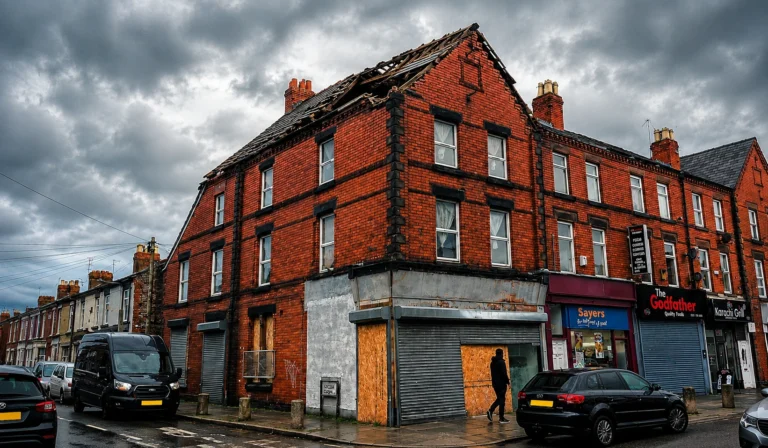
Liverpool’s housing stock is a strange mix of Georgian terraces in the Georgian Quarter, 1930s semis out toward Woolton, new-build flats along the docks. Each of those comes with its own quirks: lime mortar that shouldn’t be repointed with cement, timber floors hiding decades of damp, cladding issues that only surfaced after Grenfell changed the rules. A generic home survey template doesn’t always catch what a house this old (or this new, honestly) actually needs.
That’s the pain point. People search for a property surveyor in Liverpool wide enough to specialise in these conditions because a bad survey or worse, no survey can mean discovering a collapsing chimney breast three months after completion. It happens more than anyone likes to admit.
And it’s not just older stock causing the panic. New-build snagging lists have gotten longer in the last few years, not shorter, whatever the developers’ brochures claim. A building surveyor Liverpool buyers hire for a snagging inspection will often turn up a dozen defects the site manager conveniently missed, poor pointing, badly sealed windows, insulation gaps in the loft. None of it’s dramatic on its own. Add it up, though, and it’s real money.
There’s also a timing issue nobody warns you about. Surveys in Liverpool tend to book out fast in spring and early summer, when the market’s busiest. If your offer’s been accepted and your mortgage lender needs a valuation within a set window, waiting three weeks for a surveyor to have availability can genuinely stall a purchase. Book early. I know that sounds obvious, but most people don’t.
What Does a Building Surveyor Actually Do?
A building surveyor in Liverpool inspects the structure, fabric, and condition of a property before you commit to buying it or before you extend, renovate, or sell it. They’re not the same as an estate agent, and they’re not quite the same as a structural engineer either, though the two roles overlap more than people expect.
Think of it this way: a good building surveyor Liverpool relies on will tell you what’s wrong and roughly what it’ll cost to fix. A structural engineer will tell you why it’s happening and design the actual solution: a new lintel, underpinning, and a redesigned roof structure. You often need the first before you know you need the second.
The Inspection Itself
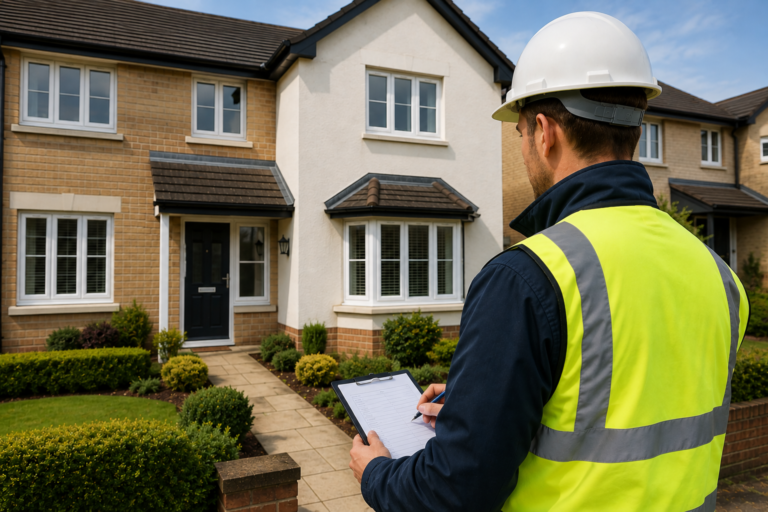
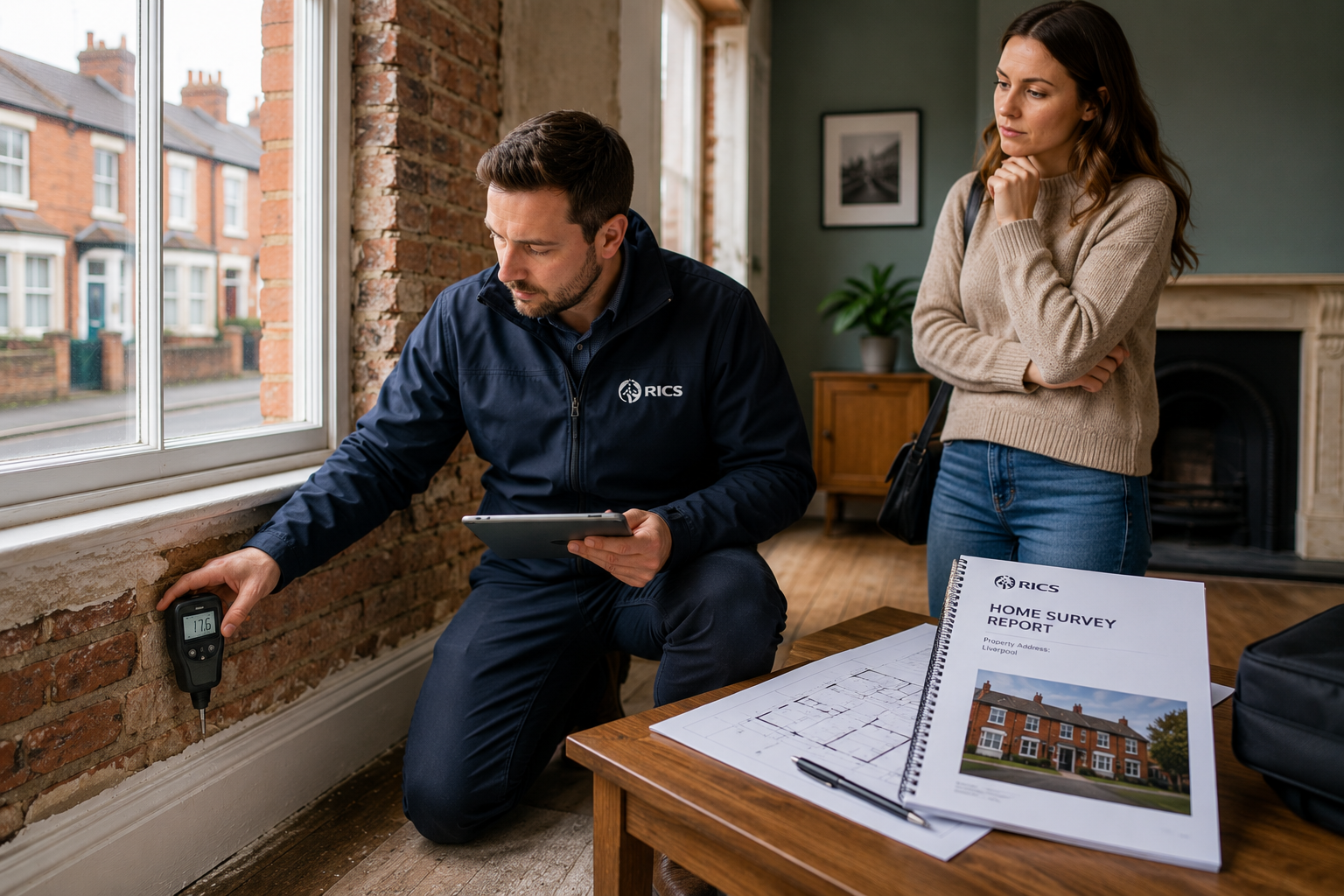
A decent inspection covers roof space, damp readings, subsidence indicators, drainage, and if it’s a residential building surveyor doing the work an assessment of things like Japanese knotweed, asbestos likelihood, and electrical safety flags. It’s thorough. It should take a few hours minimum, not twenty minutes with a torch.
The Report You Get Back
This is where quality separates fast. Some Liverpool surveyors hand you a tick-box PDF that tells you almost nothing useful. Others, the good ones, write in plain English, flag genuine risks with cost estimates, and actually pick up the phone if you have questions afterward. Ask for a sample report before you book. Any surveyor worth hiring will happily send one.
How the Right Survey Solves the Problem
Here’s the honest bit: a survey doesn’t just protect you from disaster. It gives you leverage. If a survey on the house you’re buying turns up a damp problem or a dodgy roof, that’s a negotiating tool you can ask the seller to knock a few thousand off, or fix it before completion.
I’ve seen buyers save more on renegotiation than they paid for the entire survey. Not always, but often enough that skipping the report to save £400 feels like a false economy every single time.
A residential survey also protects your mortgage application. Lenders sometimes commission their own valuation, but that’s a very different animal from an independent survey more on that below.
Real-World Example: The Anfield Terrace
A friend of mine bought a two-up-two-down near Anfield last year. The estate agent’s photos looked fine, the mortgage valuation came back clean, and she nearly skipped an independent survey to save money and time. Glad she didn’t.
The building surveyor found rising damp in the party wall (a shared wall issue, not obvious from a quick lender valuation) and a section of roof felt that had failed behind the chimney stack. Repair cost: around £2,800. She used that figure to renegotiate £2,500 off the asking price. Net result? She paid roughly £300 out of pocket for peace of mind and a fixed roof. That’s the whole argument for getting one done properly.
What struck me most about that whole process was how quickly it moved. She had the survey booked within four days of her offer being accepted, the on-site inspection took about three hours, and the written report landed a week later. No drama, no chasing emails, just a clear document with photos and cost estimates attached to each defect. It’s a good reminder that the process doesn’t have to be painful, it just has to be done properly, by someone who actually knows the building stock they’re inspecting.
Survey vs. Valuation: Things to Consider
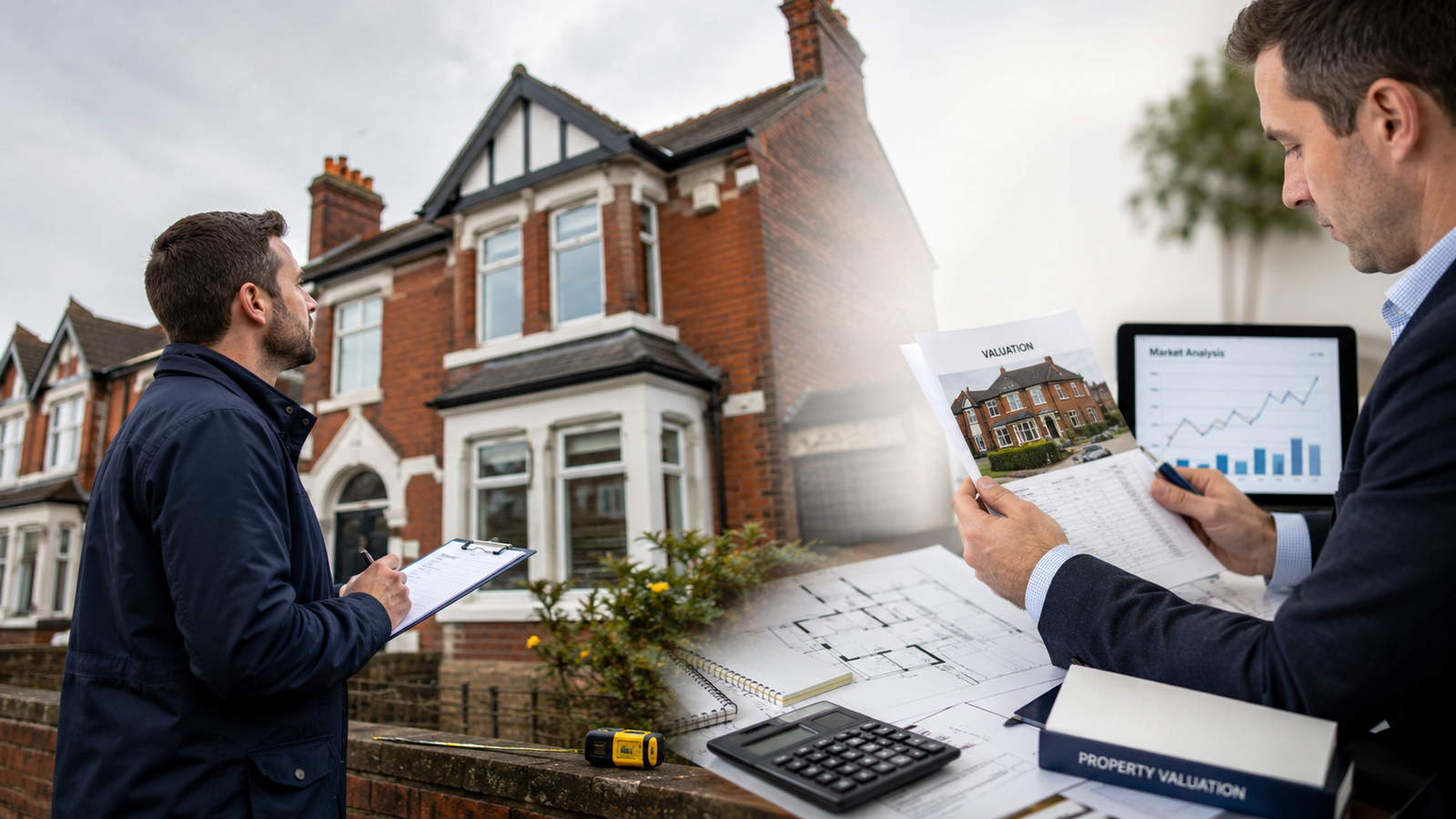
People conflate these two constantly, and it’s worth untangling.
- A house valuation Liverpool lenders arrange is about the property’s market value; it protects the bank, not you.
- An independent survey is about condition structural soundness, defects, and repair costs.
- RICS valuation Liverpool reports (from a RICS-accredited surveyor) carry professional indemnity insurance, which matters if the surveyor gets something significantly wrong.
- A mortgage valuation might involve someone spending fifteen minutes on-site. A full structural survey involves someone crawling through your loft.
If you’re buying an older property, or anything that’s been extended, converted, or has visible cracking, it’s worth involving structural engineers alongside the surveyor rather than relying on the survey alone. Surveyors flag issues; engineers diagnose the cause and design the fix. Different jobs, and sometimes you need both.
You should also check home surveying reviews before booking not just star ratings, but the actual written feedback. Look for mentions of clear communication and realistic turnaround times, not just “very professional” (which, let’s be honest, tells you nothing).
One more thing worth considering: fees vary more than you’d expect for what’s essentially the same qualification. Two firms offering a HomeBuyer Report on the same three-bed semi might quote £450 and £750. That gap usually comes down to how much post-report support you get a proper building surveyor Liverpool trusts should be willing to talk you through the findings on the phone, not just email a PDF and disappear. Ask about that before you pay a deposit, not after.
FAQs
How much does a building surveyor in Liverpool cost?
Prices typically range from £400 to £900 depending on property size and survey level (Condition Report, HomeBuyer Report, or full Building Survey). Older or larger properties sit at the higher end.
Do I need a structural engineer as well as a surveyor?
Not always. But if your surveyor flags cracking, movement, or a previous extension without clear building control sign-off, bringing in a building structural engineer for a targeted assessment is usually cheaper than guessing.
How long does a home survey take?
The on-site inspection usually runs two to four hours. The full written report typically lands within five to ten working days.
Is a RICS-accredited surveyor worth paying extra for?
Generally, yes. RICS accreditation means indemnity insurance and a formal complaints process if something goes wrong. For a purchase this size, that protection is cheap insurance.
Conclusion
Look, nobody enjoys spending money on a report before they’ve even bought the house. But a good building surveyor Liverpool homeowners actually trust will usually pay for themselves, whether that’s through a renegotiated price or through catching something that would’ve cost five figures down the line. Check the RICS Consumer Guide to Surveys before you book anyone, ask for a sample report, and don’t just go with whoever’s cheapest on a comparison site.
About the Author
James Whitfield is a RICS-accredited chartered surveyor based in Liverpool, with over 15 years’ experience inspecting residential and period properties across Merseyside — from Georgian terraces in the Georgian Quarter to new-build developments along the docks.