

There’s a particular kind of stress that comes with living in a home you can’t quite trust. A ceiling stain that keeps spreading. Damp that no amount of ventilation seems to fix. A landlord who promises to get someone round to it and never does. If any of that sounds familiar, you’re dealing with a problem far more common than you’d think. Housing Disrepair Liverpool residents run into more often than most people realise. And you’re not powerless in the face of it. This guide breaks down what housing disrepair actually means, what your rights are as a Liverpool resident, and how a qualified surveyor can turn a frustrating situation into a resolved one. No jargon. No scare tactics. Just the facts, explained clearly.
What Is Housing Disrepair Liverpool Residents Should Know About?
Housing disrepair Liverpool refers to any fault in a property that affects its safety, structure, or basic liveability and which the landlord has failed to fix within a reasonable time after being told about it. This isn’t about a scuffed wall or a squeaky door. It’s about problems serious enough to affect how safely you can actually live in your home.
Cases of Housing Disrepair Liverpool surveyors deal with tend to follow a familiar pattern, especially given the city’s mix of Victorian terraces, post-war builds, and older converted flats. The most commonly reported issues include:
- Persistent damp and black mould, particularly across older terraced housing in areas like Toxteth, Anfield, and Wavertree
- Structural cracking in walls or ceilings
- Heating or hot water systems that stay broken through winter
- Leaking roofs or windows letting water into the property
- Unsafe electrical wiring or exposed sockets
- Broken or hazardous staircases and flooring
If you’re renting, your landlord has a legal duty under the Landlord and Tenant Act 1985, and more recently the Homes Fit for Human Habitation Act 2018, to keep the structure, exterior, and key systems of your home in proper working order. Once you’ve reported an issue, they’re expected to act within a reasonable timeframe. A leaking tap can wait a week. Exposed live wiring cannot. You can check the official government guidance on landlord repair responsibilities for more detail.
Why a Professional Survey Matters for Housing Disrepair Liverpool Cases
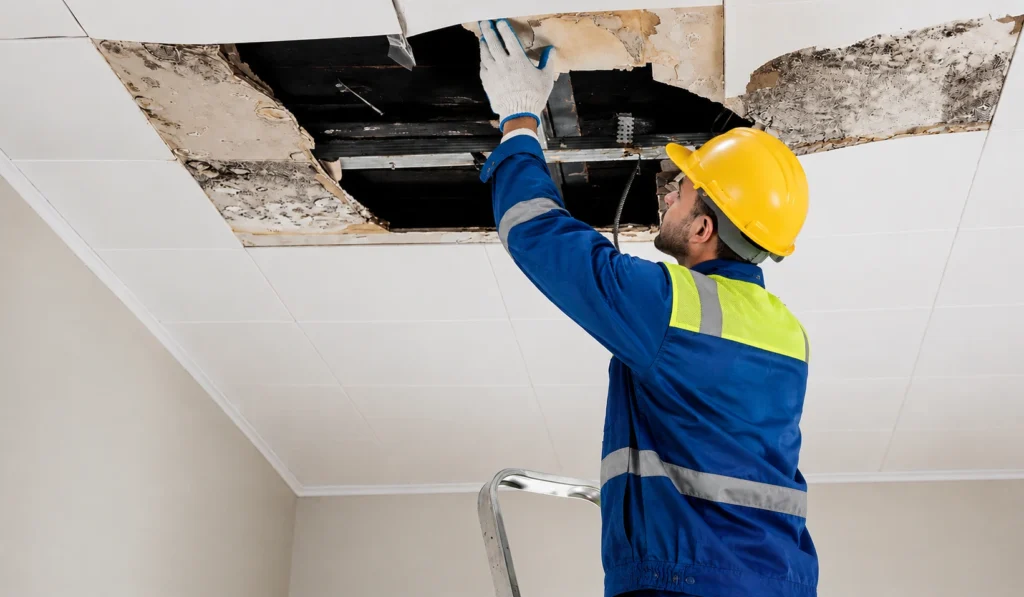
Here’s where most people get stuck. You know something’s wrong. Proving it clearly, objectively, in a way that holds up if things escalate takes more than a blurry phone photo and a strongly worded email.
This is exactly why a proper survey matters so much in any housing disrepair Liverpool dispute. A RICS-regulated building surveyor brings independent, professional judgement to the property. Instead of guessing, they physically inspect the building, trace the fault back to its actual cause, and produce a detailed written report you can use in negotiations, formal complaints, or a disrepair claim.
Why does this matter so much? Because landlords, letting agents, and housing associations respond very differently to a professionally documented report than they do to a tenant’s frustrated email. A surveyor’s assessment carries weight precisely because it’s independent; they have no stake in the outcome beyond getting the diagnosis right.
Homeowners face a related but slightly different risk. If you’re buying a property in Liverpool, a housing disrepair Liverpool buyer can rely on will often flag early-stage disrepair before you complete, saving you from inheriting someone else’s neglected maintenance problem the moment you get the keys.
Choosing the Right Survey for a Housing Disrepair Liverpool Situation
Not every property needs the same level of inspection. A RICS homebuyer survey and valuation suits conventional properties in reasonably good condition, giving you a clear read on the property’s condition alongside a market valuation. Most people know this as a RICS Homebuyers Report, and for a standard house purchase, it’s usually the sensible middle ground between thoroughness and cost.
Older properties, listed buildings, or homes already showing signs of structural trouble call for something more thorough: a full building survey. This goes deeper, covering everything from the roof structure to the foundations, and it’s far more likely to catch issues that a standard report would miss entirely.
Working with an experienced building surveyor Liverpool homeowners trust gives you something a generic national firm often can’t: real familiarity with this city’s housing stock. The quirks of Victorian terraces. The coastal exposure near the Mersey that speeds up certain kinds of wear. The way post-war builds tend to age differently. All of it shapes what disrepair looks like on the ground here.
Whether you’re buying a home, fighting a disrepair dispute as a tenant, or just want an honest opinion before signing a mortgage agreement, a housing disrepair Liverpool professional can vouch for turns guesswork into facts.
How to Make a Housing Disrepair Claim in Liverpool
If polite requests to your landlord have gone nowhere, you may have grounds to pursue a formal housing disrepair Liverpool. The process generally looks like this:
- Document everything. Dated photos, repair requests, texts, emails keep it all.
- Get an independent survey. This becomes the backbone of your case, establishing exactly what’s wrong and roughly how long it’s been a problem.
- Give formal written notice. Your landlord needs clear notice of the disrepair and a fair chance to fix it.
- Get advice if nothing changes. Many housing disrepair Liverpool cases resolve without ever reaching a courtroom, once the landlord sees they’re dealing with a well-documented, credible complaint.
None of this is about being difficult. Most disputes settle quickly once there’s solid, professional evidence on the table. It’s simply about making sure your concerns get taken seriously and actually acted on.
Why Local, RICS-Regulated Expertise Matters for Housing Disrepair Liverpool Claims
Anyone can print business cards that say surveyor. Working with someone who’s RICS-regulated means you’re dealing with a professional bound by a recognised code of conduct, backed by indemnity insurance, with a formal complaints process if something ever goes wrong. That’s the difference between an opinion and a judgement that actually carries weight. A firm with genuine local roots also picks up on things an outside firm might overlook: local planning quirks, the age and build methods typical to different neighbourhoods, and how housing disrepair Liverpool’s weather and coastal conditions accelerates specific kinds of wear. When it comes to Housing Disrepair Liverpool cases specifically, local expertise isn’t a nice-to-have. It’s often what makes the difference between a report that gets taken seriously and one that gets brushed aside.
FAQ’s
How common is Housing Disrepair Liverpool-wide?
More common than most people expect, particularly in older terraced and converted properties. The city’s housing stock includes a large proportion of Victorian and early 20th-century buildings, which are more prone to damp, structural movement, and ageing electrical systems if maintenance is neglected.
How long does a landlord have to fix disrepair issues?
There’s no single fixed deadline in law; it depends on severity. Emergency problems like gas leaks or exposed wiring should be dealt with within 24–48 hours. Non-urgent repairs are generally expected within a few weeks of being reported. Repeated, unreasonable delay can support a formal disrepair claim.
Do I need a survey if I’m renting rather than buying?
Yes, if you’re dealing with disrepair. An independent survey report gives your complaint real credibility and can serve as evidence if your landlord is slow to act or disputes how serious the problem actually is.
What’s the difference between a Homebuyers Report and a full building survey?
A Homebuyers Report (based on the RICS Home Survey Level 2 standard) suits conventional properties in reasonably good condition and covers the main visible elements. A full building survey goes further and is better suited to older, altered, or structurally complex homes needing a closer look.
Can I claim compensation for housing disrepair?
In some cases, yes. If a landlord has failed to carry out reasonable repairs within an appropriate timeframe, tenants may be entitled to compensation reflecting the impact of living with the problem, alongside having the repairs completed. Independent evidence like a surveyor’s report significantly strengthens any claim.
Final Thoughts
Living with unresolved disrepair or buying a property without knowing its real condition is more than an inconvenience. It affects your safety, your finances, and your day-to-day peace of mind. The reassuring part is that you don’t have to figure any of this out alone. Between clear legal protections and access to properly qualified surveyors, there’s a straightforward path out of most housing disrepair situations in Liverpool, from uncertainty to resolution. If something doesn’t feel right about your home, trust that instinct enough to get it properly checked. It’s usually the fastest route back to feeling settled again.