A party wall schedule of condition is a written and photographic record of a neighbouring property, made before building work starts next door. If your neighbour is planning a loft conversion, a rear extension or a basement, or you are the one planning the work, a party wall schedule of condition is the simplest way to prove what the property looked like before the builders arrived.
This guide explains what a party wall schedule of condition is, whether the law requires one, which works trigger the Party Wall etc. Act 1996, what the schedule should include, how damage claims are settled afterwards and what it typically costs. It covers both sides: the adjoining owner next to the works, and the building owner carrying them out. The Act applies in England and Wales.
In this guide:
- What is a party wall schedule of condition?
- Is it a legal requirement?
- Which works trigger the Party Wall Act?
- If you are the adjoining owner
- If you are the building owner
- What the schedule includes
- What happens after the works
- How much does it cost?
- FAQs
What Is a Party Wall Schedule of Condition?
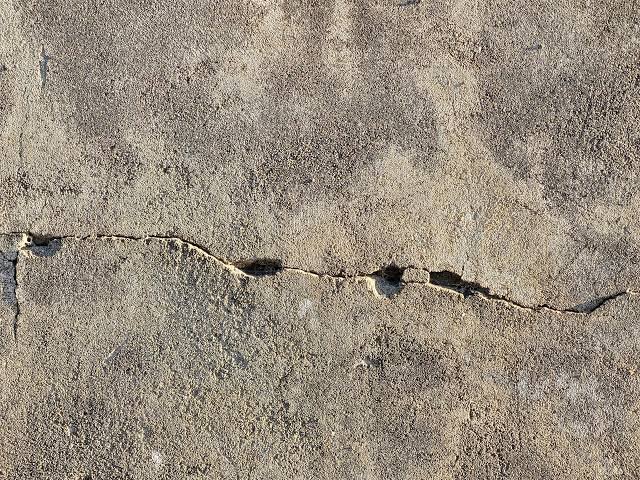
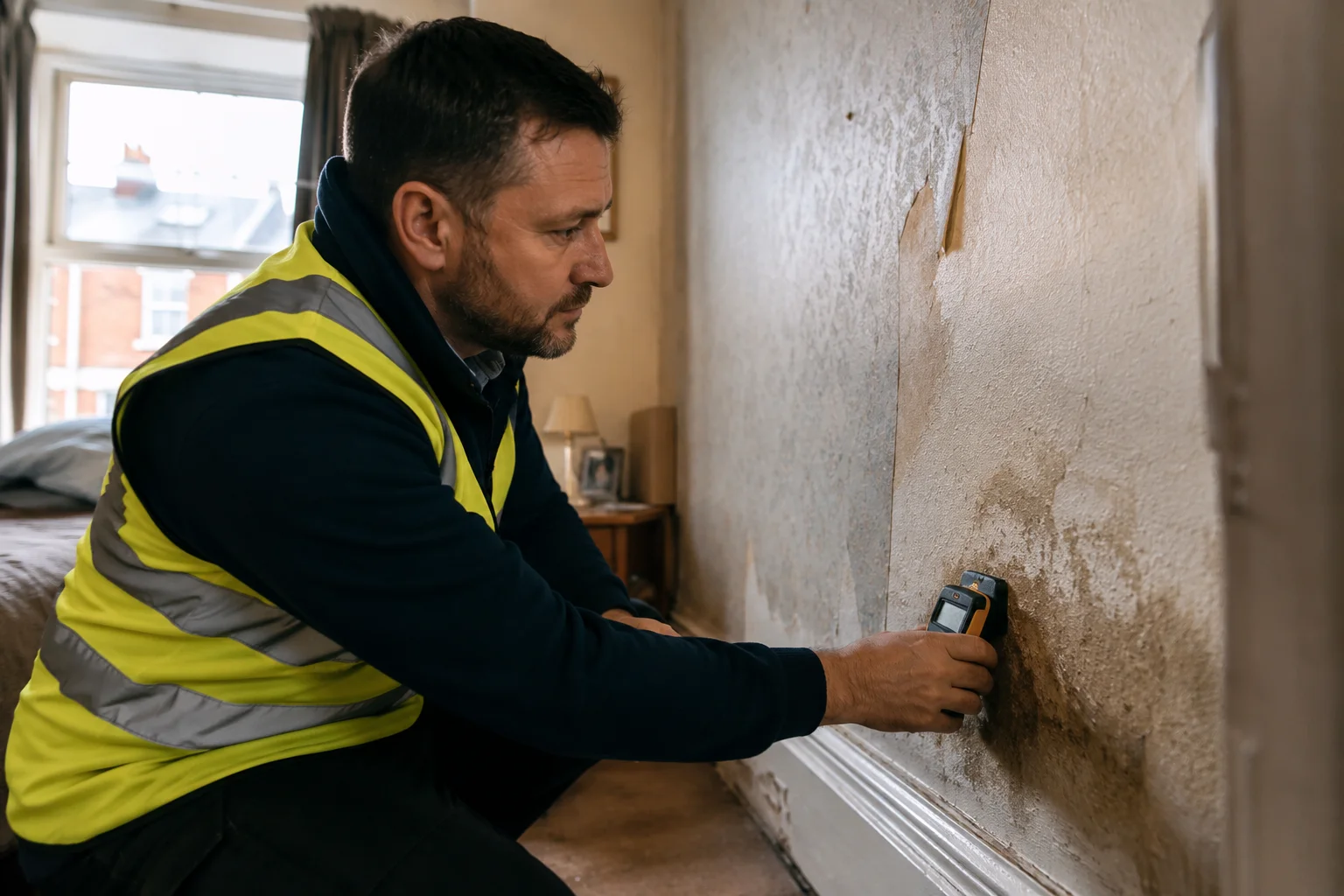
A party wall schedule of condition is a dated report that describes and photographs the condition of the parts of a neighbouring property most likely to be affected by building works. It records existing cracks, damp stains, loose plaster, sticking doors and other defects, room by room, before any work begins.
Its purpose is simple. If a crack appears in your bedroom ceiling while the house next door is being extended, everyone needs to know whether that crack was already there. Without a record, the argument comes down to memory and old holiday photos. With a party wall schedule of condition, the surveyors can compare the property before and after the works and agree what, if anything, needs repairing.
The schedule protects both owners. The adjoining owner has evidence if the works cause damage, and the building owner has evidence against claims for defects that existed long before the builders arrived.
Is a Party Wall Schedule of Condition a Legal Requirement?
No. The Party Wall etc. Act 1996 does not require a schedule of condition, and the Act itself never mentions one. However, the official GOV.UK explanatory booklet says it is most prudent to have one, and that surveyors would advise it. In practice, almost every party wall surveyor prepares a party wall schedule of condition before the award is agreed. Source: GOV.UK Party Wall etc. Act 1996 explanatory booklet.
What the Act does require is that the building owner compensates any adjoining owner or occupier for loss or damage caused by the works, under section 7. A schedule of condition is the evidence that makes that duty work in practice. Source: Party Wall etc. Act 1996, section 7.
Which Works Trigger the Party Wall Act?
The Act covers three main types of work. Each needs written notice to the neighbour before work starts:
| Type of work | Section of the Act | Minimum notice | Typical examples |
|---|---|---|---|
| Building a new wall on or at the boundary line | Section 1 | One month | A new garden wall or extension wall built right up to the boundary |
| Work to an existing party wall or party structure | Section 2 | Two months | Cutting in steel beams for a loft conversion, raising or thickening the wall, removing a chimney breast attached to the party wall |
| Excavating near a neighbouring building | Section 6 | One month | Foundations for an extension within 3m and deeper than the neighbour foundations, or within 6m where a 45 degree line from their foundations is cut |
Once notice is served, the adjoining owner has 14 days to respond. For section 2 and section 6 works, if they do not consent in writing within 14 days, a dispute is deemed to have arisen and surveyors must be appointed. Notices are valid for one year.
In Liverpool and across Merseyside, the projects that most often need party wall notices are loft conversions and rear extensions on Victorian and Edwardian terraces, chimney breast removals and kitchen knock throughs where a steel beam bears on the party wall. If you are planning structural changes like these, our guide to load bearing wall removal explains the engineering side.
If You Are the Adjoining Owner
If your neighbour has served a party wall notice, you have three choices within 14 days:
- Consent to the works. You can still ask for a schedule of condition to be prepared, and it is wise to do so.
- Dissent and agree one surveyor. You and your neighbour appoint a single agreed surveyor, who acts impartially for both of you.
- Dissent and appoint your own surveyor. Each owner appoints a surveyor, and the two surveyors select a third surveyor in case they cannot agree.
Whichever route you choose, ask for a party wall schedule of condition of your property before work starts, check it carefully when you receive it and keep your copy safe. If you think something has been missed, say so straight away, because the schedule is only useful if both sides accept it as accurate.
Under the GOV.UK guidance, the building owner usually pays the surveyor costs of the award, including the fees of the surveyor appointed by the adjoining owner, when the works are solely for the benefit of the building owner.
If You Are the Building Owner
If you are planning the works, a party wall schedule of condition is your best protection against unfair claims. Without one, any crack your neighbour finds after the works could be blamed on your project, even if it is decades old.
Practical steps for building owners:
- serve the correct notices early, at least two months before work to a party wall and one month before excavation
- arrange the party wall schedule of condition before any work starts, including demolition and site clearance
- make sure your contractor understands the protective measures in the award
- give 14 days notice if surveyors or workers need access to the neighbouring property, as the Act requires except in an emergency
- keep your own photos of the neighbouring walls you can see from your side
Remember that the Act makes the building owner responsible for making good any damage caused by the works. A clear schedule keeps that responsibility limited to damage your project actually caused.
What a Party Wall Schedule of Condition Includes
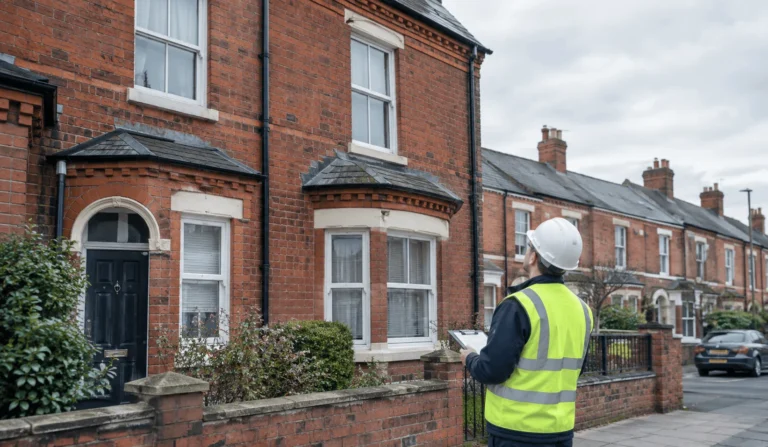
A good party wall schedule of condition focuses on the areas closest to the works, usually the rooms, walls and ceilings next to the party wall and any area within reach of excavation. It normally includes:
- the date, time and weather on the day of the inspection
- a description of the property and the extent of the inspection
- a room by room written record of walls, ceilings, floors, doors and windows
- the location, direction, length and estimated width of every crack
- crack descriptions using the BRE Digest 251 categories, from negligible hairline cracks to very severe damage
- dated photographs, ideally with a scale reference such as a ruler in shot
- external elevations, garden walls, paths and boundaries close to the works
- signatures or confirmation from both surveyors that the record is agreed
Schedule of condition template
Most schedules follow a simple table format. This schedule of condition template shows the layout surveyors typically use for each room:
| Ref | Room and element | Description of condition | Photo |
|---|---|---|---|
| 1.1 | Front bedroom, party wall | Painted plaster. Fine vertical crack 400mm long near the window reveal, category 1. | P01 |
| 1.2 | Front bedroom, ceiling | Lining paper. Hairline crack along the cornice on the party wall side, category 0. | P02 |
| 1.3 | Front bedroom, door | Panel door opens and closes freely. No distortion to the frame. | P03 |
A free schedule of condition template downloaded online is fine for a quick personal record, but it does not replace a schedule agreed by the surveyors and attached to the party wall award. Only an agreed record carries real weight if damage is disputed.
How the Schedule Fits Into the Party Wall Award
The party wall award is the legal document the surveyors make once a dispute has arisen. It sets out what work will be done, when and how, and the measures that protect the adjoining property. The GOV.UK booklet notes that it often includes a record of the condition of the adjoining property, which is where the party wall schedule of condition sits.
Under section 10 of the Act, the award is conclusive and binding on both owners. Either owner can appeal to the county court within 14 days of receiving it. Source: Party Wall etc. Act 1996, section 10.
Usually the surveyor for the building owner drafts the schedule, the surveyor for the adjoining owner checks and agrees it, and both owners receive a copy. Keep yours with your property documents, as it may also be useful if you sell.
What Happens After the Works
When the notifiable works are finished, the surveyors usually return to inspect the adjoining property again. The process normally runs like this:
- Final inspection: the surveyors walk through the same rooms and areas recorded in the original schedule.
- Comparison: any new cracks or defects, or existing ones that have got worse, are compared with the record and the photos.
- Agreement on cause: the surveyors decide whether the works caused the damage. Defects already in the schedule are treated as pre existing unless they have clearly worsened.
- Repair or payment: where damage was caused by the works, the building owner either repairs it or pays compensation, as section 7 requires.
- Disputes: if the owners or surveyors cannot agree, the third surveyor can decide, and an award can be appealed to the county court within 14 days.
If cracking after the works looks structural rather than cosmetic, an independent inspection by a structural engineer can confirm the cause.
Common Mistakes With a Party Wall Schedule of Condition
Most disputes after party wall works come down to a schedule that was rushed, incomplete or never agreed. These are the mistakes to avoid:
- Leaving it too late. A party wall schedule of condition must be completed before any work starts, including demolition, scaffolding and site clearance, or the record is already out of date.
- Recording too little. A schedule that covers only one wall can miss ceilings, floors and rooms on other levels that are just as likely to be affected.
- Photos without descriptions. Photographs alone rarely show hairline cracks clearly, so every defect also needs a written description with its position and size.
- No scale reference. Without a ruler or marker in shot, it is hard to prove later whether a crack has widened.
- Not checking your copy. If you are the adjoining owner, read the party wall schedule of condition carefully and raise anything missing straight away.
- Losing the record. Keep your copy with your property documents, as damage sometimes appears months after the works finish.
How to Prepare Your Home for the Inspection
If you are the adjoining owner, a little preparation makes the party wall schedule of condition more accurate and the visit quicker:
- clear furniture and pictures away from the walls next to the works, where you can
- make loft hatches, cellars and cupboards under the stairs accessible
- point out any cracks, damp patches or sticking doors you already know about
- tell the surveyor about any past repairs, such as replastering or a previous extension
- let the surveyor see the garden, boundary walls and paths close to the works
Do not repair or redecorate before the inspection. The point of a party wall schedule of condition is to record the property exactly as it is, including the defects you would rather hide.
Party Wall vs Lease Schedule of Condition
Schedules of condition are used in two very different situations, which can be confusing when you search for one:
- Party wall schedule of condition: records a neighbouring property before building works, so damage caused by the works can be identified and put right.
- Lease schedule of condition: records a commercial or residential property at the start of a lease, usually attached to the lease, so the tenant is not made to repair defects that existed before they moved in.
The method is similar, a written and photographic record, but the purpose, the parties and the legal framework are different. Our commercial property survey guide explains how lease schedules protect tenants on full repairing leases.
How Much Does a Party Wall Schedule of Condition Cost?
The cost of a party wall schedule of condition depends on the size of the property, how many rooms are affected and how close the works are. These are published UK figures:
| Source | Published price | What it covers |
|---|---|---|
| BestBuilders cost guide, August 2026 | £300 to £700 | Schedule of condition on its own |
| Jason Edworthy, chartered surveyor | £550 including VAT | Written report, photos, crack classification, copies for both parties |
| Designing Buildings, 2020 figures | From £450 plus VAT | Schedule of condition report |
Where a full party wall award is needed, the schedule is often included in the overall surveyor fee. BestBuilders puts a single agreed surveyor award at £900 to £1,800 and a two surveyor award at £1,800 to £3,500. As the GOV.UK guidance explains, the building owner usually pays these costs.
Party Wall Schedule of Condition FAQs
Do I need a schedule of condition if I consent to the works?
It is strongly recommended. Consenting to the notice does not stop you claiming for damage later, but without a party wall schedule of condition it is much harder to prove that a crack was caused by the works.
Who prepares the party wall schedule of condition?
Usually the surveyor for the building owner, or the agreed surveyor if there is only one. The surveyor for the adjoining owner checks it and confirms it is accurate.
How long does a schedule of condition take?
It depends on the size of the property and how many rooms sit close to the works. Only the areas likely to be affected are recorded, so a schedule for a terraced house next to a loft conversion is much quicker than one for a house next to a basement dig. Ask the surveyor for a timescale when you instruct.
What if I refuse access for the schedule?
You lose the protection the schedule gives you. Under the Act, surveyors and workers have a right of entry for the purposes of the works after 14 days notice, and obstructing lawful entry is an offence.
Does the Party Wall Act apply in Scotland?
No. The Party Wall etc. Act 1996 applies throughout England and Wales only.
Get a Party Wall Schedule of Condition in Liverpool
ASG Consulting is regulated by RICS and prepares written and photographic schedules of condition before party wall works, extensions, loft conversions and basement projects across Liverpool, Merseyside and the North West. We record every relevant room clearly, so both neighbours have an agreed starting point. To book a schedule, visit our schedules of condition page.
About the Author
Harry is a property content writer with 3 years of experience writing about building surveying, commercial property and property compliance in the UK. He writes the guides at ASG Consulting for buyers, tenants and landlords, turning survey practice into clear, practical advice.